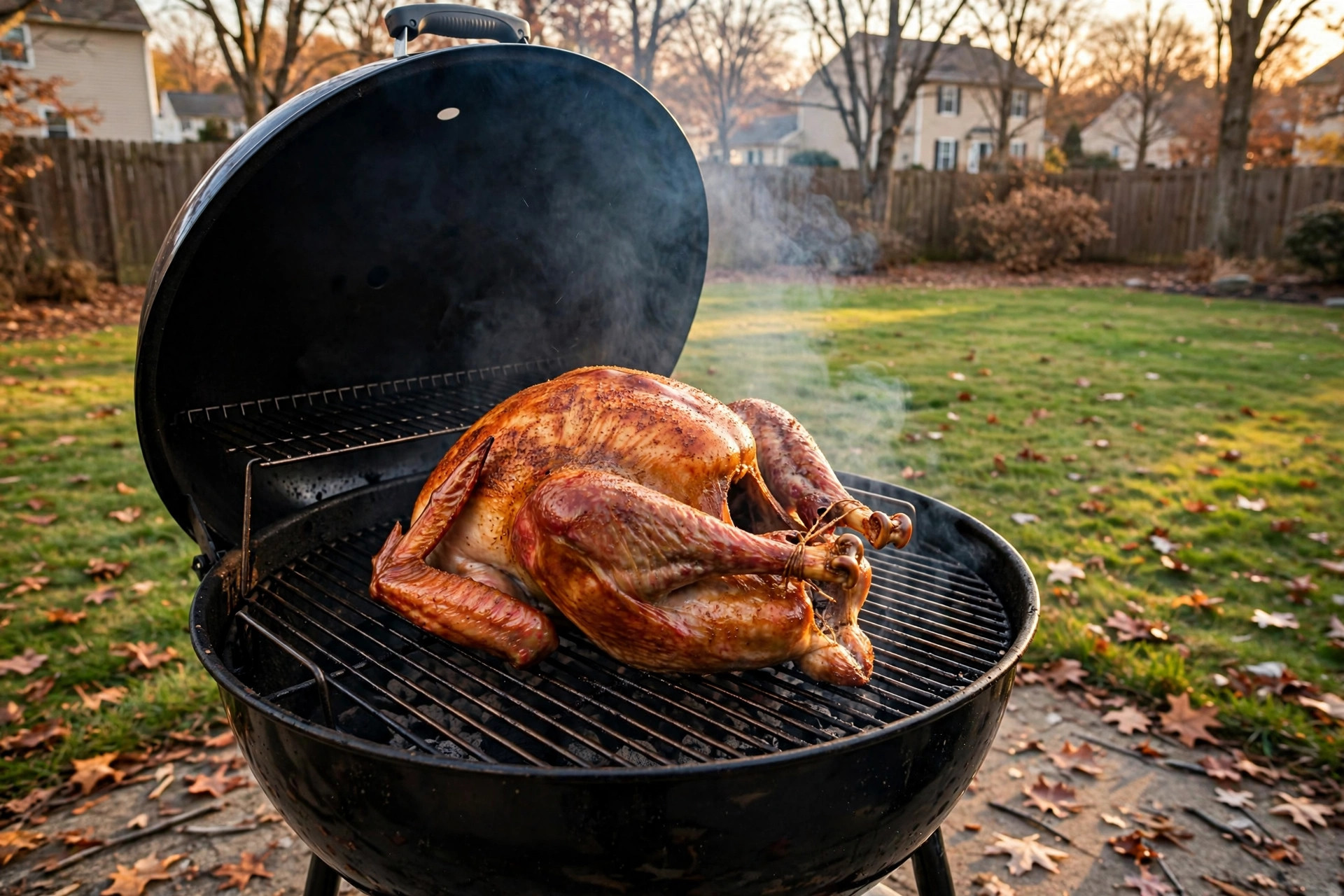

Every November, many American families face the same problem. The oven is too small, the kitchen is too hot, and the turkey is too large. Moving the bird outside is an old answer to a modern problem. The best bbq for thanksgiving turkey outdoors is not one single model. It is the grill that fits your bird, your yard, and your cooking skill. A turkey cooked outdoors can taste rich and smoky, with crisp skin and juicy meat. It also frees the indoor oven for pies, sides, and rolls.
Cooking a whole turkey on a grill takes more care than roasting one in an oven. The bird is big and cooks for hours. Heat must stay steady and even. Wind, cold air, and grease fires are real concerns. With the right grill and a calm plan, though, outdoor turkey cooking is safe and simple. This guide explains how to pick the best bbq for thanksgiving turkey outdoors, what each type of grill can do, what it costs, how to care for it, and how to stay safe.
Why Cook the Thanksgiving Turkey Outdoors
Free the Kitchen
The biggest reason to cook outside is space. A twenty-pound turkey fills a standard oven. Pans of stuffing, sweet potatoes, and green beans then have nowhere to go. An outdoor grill acts as a second oven. It takes the bird off your hands for three or four hours. The kitchen stays open for the rest of the meal.
Flavor You Cannot Get Inside
An outdoor grill adds flavor that an indoor oven cannot make. Gas grills can give gentle roast notes. Charcoal grills add true smoke. Pellet grills feed wood pellets into the fire and hold low temperatures for hours. The result is a turkey with deeper color, crisp skin, and a faint taste of wood smoke. Many cooks say their family prefers the grilled bird to any oven-roasted one.
Room for a Bigger Bird
Ovens have limits. Many wall ovens struggle with birds above twenty pounds. A full-size kettle grill or a large gas grill can hold a turkey of twenty-five pounds or more. If your guest list keeps growing, the grill may be the only cooker that fits.
A New Holiday Tradition
Thanksgiving is about family and custom. Tending a grill on a crisp November morning can become a tradition of its own. The cook stays outside with a hot drink, checks the bird, and visits with guests who drift out to watch. It is a pleasant way to spend the holiday.
How to Choose the Best BBQ for Thanksgiving Turkey Outdoors
Choosing the best bbq for thanksgiving turkey outdoors starts with size. Measure the grill’s cooking grate before you buy. A whole turkey needs a grate at least twenty-two inches wide. The lid must close with room to spare above the bird. A small grill simply cannot do the job.
Size and Cooking Area
Look for at least 500 square inches of cooking space. A standard twenty-two-inch kettle grill works well for birds up to twenty pounds. For larger turkeys, choose a grill with twenty-six inches or more of width, or a large gas grill with three burners. When you shop, bring a tape measure and check the distance from grate to lid.
Indirect Heat Capability
A whole turkey cannot sit over direct flames. It needs indirect heat, the same gentle heat an oven gives. The grill must let you push the coals or turn off the middle burners so the bird cooks beside the heat, not above it. Kettle grills, most gas grills, kamado cookers, and pellet grills all handle indirect cooking well.
Temperature Control
A turkey roasts for three to five hours. The grill must hold a steady 325 degrees for that whole time. Good air vents on a charcoal grill, or a reliable thermostat on a gas or pellet grill, make this possible. Built-in lid thermometers help, but a separate probe thermometer is more accurate. Consumer Reports tests many grills each year and publishes ratings for temperature control, which can help you compare models.
Ease of Fuel and Clean-up
Think about the fuel you want to use. Gas is the simplest: turn a knob and the grill is hot in minutes. Charcoal takes more time and skill but costs less and gives real smoke flavor. Pellets give smoke with less work than charcoal. After the meal, the grill must be easy to clean. Removable ash catchers, porcelain-coated grates, and grease trays save time on a busy holiday.
Types of Grills That Work for a Whole Turkey
Gas Grills
A gas grill is the easiest choice for a beginner. It heats fast, holds steady temperatures, and lets you turn the middle burners off for indirect cooking. Look for a three-burner or four-burner model so the turkey can rest between two lit burners. Brands such as Weber, Napoleon, and Broil King make large gas grills that handle a whole bird. You can add a smoker box filled with wood chips for a touch of smoke. Gas grills also shine when you want to learn how to smoke brisket on pellet grill style low-and-slow cooking, though for smoke flavor a pellet unit has the edge.
Charcoal Kettle Grills
The classic kettle grill is a strong pick for turkey. Push lit coals to both sides, set a drip pan in the middle, and lay the turkey on the grate between the coals. A twenty-two-inch kettle, like those sold by Weber and Char-Broil, can roast a bird up to twenty pounds. Charcoal gives real smoke flavor at low cost. The trade-off is attention: you must add coals every hour and watch the vents to hold 325 degrees.
Pellet Grills
Pellet grills burn small wood pellets and use a fan and a digital controller to hold temperature. They are the simplest way to get smoked flavor with little effort. Set the dial to 325, load the hopper, and the grill feeds itself for hours. If you already own one, the debate of pellet grill vs gas grill pros cons matters less: the pellet grill is built for this job. The cost is higher up front, and you need electricity at the grill site.
Kamado and Ceramic Cookers
Kamado cookers are thick ceramic grills shaped like an egg. They hold heat for hours on a small amount of charcoal and seal moisture inside. A turkey cooked in a kamado stays juicy with crisp, even skin. Big Green Egg is the best-known maker. Many guides on The Spruce Eats and Amazing Ribs explain indirect setups for these cookers. Kamados cost more and weigh a great deal, but they last for many years.
Offset and Barrel Smokers
A dedicated smoker can cook a turkey at 250 to 275 degrees for a deep smoke flavor. The bird takes longer, often six hours or more, and the skin may be less crisp than at 325 degrees. Smokers suit cooks who want the strongest smoke taste and who have the time to tend the fire. For most families, a grill that can also smoke is a better buy.
Cost and Price of the Best BBQ for Thanksgiving Turkey Outdoors
What Each Type Costs
A basic twenty-two-inch charcoal kettle costs about fifty to two hundred dollars. It is the cheapest way to cook a turkey outdoors. A good three-burner gas grill costs three hundred to eight hundred dollars. Pellet grills start near four hundred dollars and can pass one thousand for large models. Kamado cookers run from five hundred to well over one thousand dollars. Used grills can save money, but check the grates, burners, and vents before you buy.
Fuel Costs for One Holiday Cook
Fuel cost for a single turkey is modest. A bag of charcoal costs ten to twenty dollars and covers the cook with some left over. A propane tank refill costs about twenty dollars and will cook many turkeys. A bag of wood pellets costs fifteen to twenty-five dollars. Compared with the price of the bird itself, fuel is a small part of the holiday budget.
What Adds Value Over Time
A grill bought for Thanksgiving serves all year. The same cooker grills steaks in summer, smokes ribs in fall, and can even hold a best outdoor beverage cooler for patio setup nearby for parties. When you compare prices, think of the grill as a year-round tool, not a one-day buy. Stores like Home Depot carry grills at many price points and often run fall sales before the holidays.
Care and Upkeep
Cleaning Before the Holiday
Clean the grill well before Thanksgiving. Scrape the grates with a brush, empty the ash catcher, and check gas lines for leaks with soapy water. A clean grill heats more evenly and keeps old flavors off the turkey. Oil the grates lightly so the bird does not stick.
Cleaning After the Cook
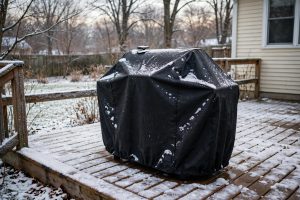
Let the grill cool fully, then remove the grates and wash them in hot soapy water. Empty ash and grease into a metal can, never into paper or plastic. Wipe the inside of the lid to stop grease build-up. Cover the grill with a fitted cover to protect it from winter weather.
Seasonal Storage
If you will not grill again until spring, store the grill in a dry place. Disconnect the propane tank and store it upright outdoors, never in a garage or basement. Charcoal should stay dry so it lights well next time. Pellet grills need their hoppers emptied so damp pellets do not jam the auger.
Long-Term Maintenance
Replace worn grates and rusted burners as needed. Check the thermometer each year by testing it in boiling water; it should read near 212 degrees. Keep vents and burners free of grease. A well-kept grill can last ten years or more, which makes the best bbq for thanksgiving turkey outdoors a lasting part of your holiday tools.
Safety
Outdoor cooking is safe when you follow basic rules. Place the grill on a flat, stable surface at least ten feet from the house, the garage, and any low branches. Never use a grill in a garage, under a carport roof, or inside any enclosed space. Carbon monoxide from a grill can kill without warning.
Keep children and pets away from the hot grill. Use long-handled tools and heavy gloves when you lift the lid or move the bird. Have a spray bottle of water and a fire extinguisher nearby in case of grease flare-ups. Trim excess fat and use a drip pan to cut down on flares.
Check the turkey’s temperature with a probe thermometer. The thickest part of the thigh must reach 165 degrees. Do not trust color or cooking time alone. Let the bird rest for twenty to thirty minutes before carving so the juices settle. Store leftovers in the refrigerator within two hours of cooking.
Cold November weather changes grill behavior. Wind steals heat, so place the grill where a fence or wall blocks the wind. On very cold days, allow extra fuel and extra time. Never leave a lit grill unattended for long stretches.
FAQ
Can I cook a frozen turkey on a grill?
No. Thaw the turkey fully in the refrigerator before cooking. A frozen bird cooks unevenly and may stay in the danger zone for bacteria too long. Plan one day of thawing for every four pounds of turkey.
What is the best temperature for grilling a turkey?
Roast at 325 degrees for the best balance of crisp skin and juicy meat. Lower temperatures give more smoke but take longer and can leave the skin soft. Check the bird with a probe thermometer and pull it when the thigh reaches 165 degrees.
Should I brine the turkey before grilling?
Brining helps, especially for larger birds. A wet brine adds moisture; a dry brine of salt rubbed on the skin one or two days ahead gives crisp skin and deep flavor. Rinse off a wet brine and pat the bird dry before it goes on the grill.
How long does a turkey take on a grill?
Plan about thirteen to fifteen minutes per pound at 325 degrees. A fifteen-pound turkey takes roughly three and a half hours. Start checking the temperature early. Every grill runs a little differently, and cold weather adds time.
Can I stuff a turkey that I cook outdoors?
Food safety experts advise against stuffing a grilled turkey. The stuffing may not reach a safe temperature before the meat is done. Cook the stuffing in a pan in the oven instead. It is simpler and safer.
Do I need a special grill for Thanksgiving?
You do not need a grill made only for turkey. Any large grill that can hold steady indirect heat works. Many families use the same grill they own all year. If you are buying new, choose a model that fits your daily cooking as well as the holiday bird.
A Short Final Word
The best bbq for thanksgiving turkey outdoors is the one that fits your bird, your budget, and your patience. A simple kettle grill can turn out a fine turkey for a small price. A gas grill makes the job easy for a beginner. A pellet grill or a kamado adds smoke and steady heat for the cook who wants more. Whichever you choose, give yourself a practice run before the holiday, keep the grill clean, and watch the thermometer. With a calm plan and steady heat, your outdoor turkey can become the dish your family asks for every year.
References
AmazingRibs.com. (n.d.). Barbecue and grilling science. https://www.amazingribs.com Big Green Egg. (n.d.). Kamado grills and outdoor cooking. https://www.biggreenegg.com Broil King. (n.d.). Gas and charcoal grills. https://www.broilkingbbq.com Char-Broil. (n.d.). Gas and charcoal grills. https://www.charbroil.com Consumer Reports. (n.d.). Product reviews and ratings. https://www.consumerreports.org Napoleon. (n.d.). Fireplaces, grills, and heating products. https://www.napoleon.com The Home Depot. (n.d.). Home improvement products. https://www.homedepot.com The Spruce Eats. (n.d.). Recipes and cooking guides. https://www.thespruceeats.com Traeger. (n.d.). Wood pellet grills. https://www.traeger.com Weber. (n.d.). Grills and outdoor cooking. https://www.weber.com
Was this guide helpful?

About Sarah Mitchell
The My Garden US editorial team writes practical, in-depth home and garden guides for American homeowners — tested advice, no fluff.
You May Also Like
Charcoal Grill for Beginners Guide: Everything a First-Time Griller Needs to Know
July 16, 2026 0 views
The Best BBQ for Super Bowl Party: A Complete Guide
April 17, 2026 0 views
Outdoor Kitchen Design Ideas for Backyard
March 6, 2026 0 views