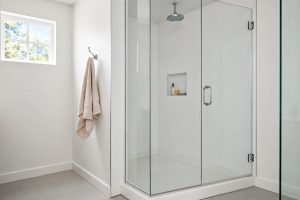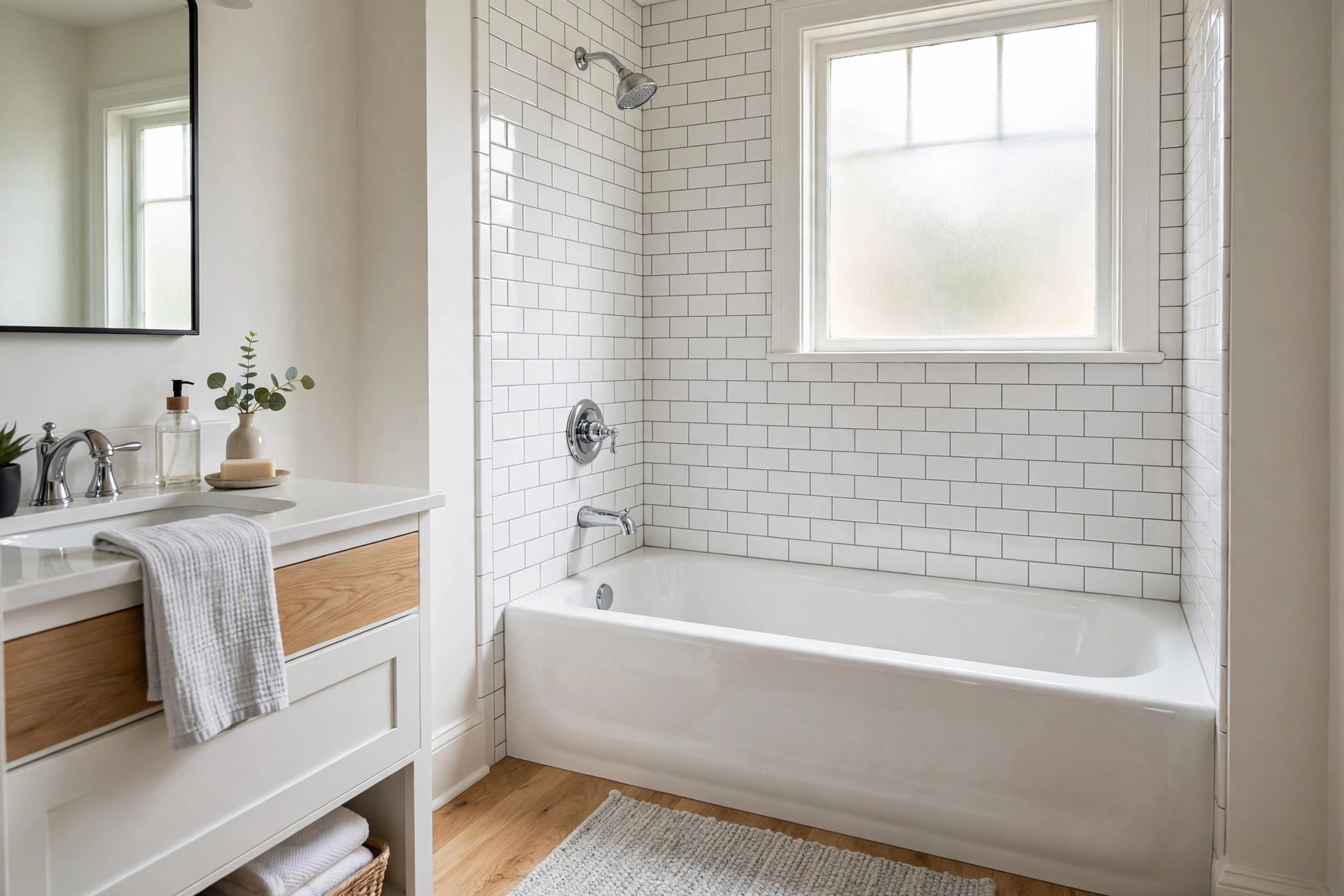

Tile is the workhorse of the American bathroom. It keeps water away from walls, lasts for decades, and gives the room its look. Yet few home owners give it much thought until a shower wall starts to crumble or a remodel looms. This bathroom wall tiles american homes guide sets out what matters: the kinds of tile on the market, how to pick one, what it costs, how to set it, and how to keep it clean for years.
Why Wall Tile Matters in the Bathroom
A bathroom sees more water than any other room. Showers send gallons down the drain each day. Steam fills the air and settles on every surface. Without a hard, water-tight skin, wall boards swell, paint peels, and wood rots. Tile answers this need. A fired clay or stone surface does not drink in water the way paint or paper does, and the grout between tiles, when sealed, forms a second line of defense.
There is more to it than protection. In the United States, tile has shaped bathroom design for over a century. The white subway tile of the 1920s still shows up in many baths. Pastel squares marked the postwar boom. Today, large stone-look pieces and patterned porcelain fill the same role. Tile sets the mood of the room. It can make a small bath feel larger, a dark one feel brighter, or a plain one feel finished. Because it lasts so long, the choice carries weight. A tile wall may stay in place for twenty or thirty years.
Types of Bathroom Wall Tile: Bathroom Wall Tiles American Homes Guide
Ceramic Tile
Ceramic is the most common wall tile in American homes. It is made of clay fired in a kiln, then glazed for color and shine. Standard wall tiles come in square or subway shapes. They are light, easy to cut, and kind to the budget. Ceramic suits dry walls and shower walls alike, though the softer kinds should not go on floors. Shoppers can browse large collections at The Home Depot or Lowe’s.
Porcelain Tile
Porcelain is a harder, denser cousin of ceramic. It is fired at higher heat and drinks in almost no water. That makes it the safest pick for shower walls and tub surrounds. It resists stains and chips better than plain ceramic. Porcelain costs more, and its hardness makes cutting tougher for a do-it-yourself job. Many lines mimic marble or limestone at a fraction of the price. Guidance on working with dense tile can be found in This Old House project features.
Glass Tile
Glass tile brings a shine that clay cannot match. Small glass pieces catch the light and add depth to a shower wall. Glass works well as an accent band, a niche lining, or a full feature wall. It needs care in setting: the thinset must be white, or gray shows through the tile. Glass costs more than ceramic, and cutting it calls for the right blade.
Natural Stone Tile
Marble, travertine, slate, and limestone give walls a rich, natural face. No two pieces look alike. Stone suits owners who want a classic or high-end bath. But stone asks for more care. It is porous, so it needs sealing. Some kinds, like marble, can stain from colored soaps or hard water. It is also the heaviest option, which matters on upper floors.
Mosaic Tile
Mosaics are small tiles held together in sheets, usually one inch or two inches square. They come in ceramic, porcelain, glass, and stone. The many grout lines give extra grip underfoot and bend around curves, which is why mosaics often line shower floors and curved niche backs. On walls, they add texture and pattern.
How to Choose the Right Tile
Start with the size of the room. Large tiles make a small bath look larger because there are fewer grout lines to chop up the wall. In a tiny half bath, a 12 by 24 inch tile can calm the eye. In a big shower, the same tile reads grand. Small rooms also gain from light colors, which bounce light around.
Think about the glaze. Glossy tile reflects light and looks bright, but it shows water spots and fingerprints more plainly. Matte tile hides spots and gives a soft, modern look. Textured tile adds grip, which helps near the tub edge.
Color sets the tone. White and light gray remain the most popular choices across the country because they suit any fixture and never go out of style. Beige adds warmth. Blue and green recall water and suit coastal homes. Dark tile looks bold but can make a small bath feel closed in. Many owners mix a plain field tile with a patterned or glass accent strip to add interest without overloading the room.
Check the rating. Wall tile sold for showers should be rated for wet areas. Look at the box or listing for words like “wall tile” or “shower safe.” Floor tiles can go on walls, but the reverse is not always true: thin wall tile may crack under foot. Ask at the store or check buying guides on Bob Vila and The Spruce for plain advice on ratings.
Sizing and Layout
Tile size shapes both look and labor. The classic 3 by 6 inch subway tile stays a favorite because it fits any bath and lays well in running-bond or stacked patterns. Square 4 by 4 inch tile recalls mid-century homes. Large format tile, 12 by 24 or even 24 by 48 inches, cuts grout lines and labor but needs a flat wall and a strong helper to set it.
Layout patterns change the feel. A running bond, where each row is offset by half a tile, is forgiving of uneven walls. A stacked grid looks modern and crisp. Herringbone draws the eye and suits small accent areas. Vertical stacking can make a low ceiling feel taller. Sketch the pattern on paper before mixing thinset.
Grout lines matter too. Narrow joints of one-sixteenth inch suit modern large tile. Wider joints of one-eighth inch suit rustic or handmade-look tile. Sanded grout fills wide joints; unsanded grout fills narrow ones.
Cost and Price
Prices vary by material and place. As a rule, basic ceramic wall tile starts near two to five dollars per square foot. Porcelain runs five to fifteen dollars per square foot. Glass and mosaic sheets run higher, often ten to twenty-five dollars per square foot. Natural stone spans a wide range: travertine may start near six dollars, while good marble can pass twenty dollars per square foot.
Labor is a large part of the bill. A pro tile setter often charges ten to twenty dollars per square foot of wall, more for complex patterns, mosaics, or shower niches. A standard tub surround of about sixty square feet might run between one thousand and three thousand dollars in total, tile plus labor, in much of the country. Prices run higher on the coasts and in big cities. A do-it-yourself job saves the labor cost but calls for tools: a wet saw, trowels, spacers, and time. HGTV remodeling features show how budgets shift with material and scope.
Do not forget the extras. Backer board, waterproof membrane, thinset, grout, sealer, and trim pieces add several hundred dollars to a shower project. It pays to buy ten percent more tile than the wall needs, for cuts and breakage.
Installing Wall Tile
A tile job lives or dies by the wall behind it. Shower and tub walls must start with cement backer board or a waterproof membrane system. Drywall alone will fail in a wet zone. Joints get taped and sealed, and a liquid or sheet membrane keeps water out of the studs.
The setter spreads thinset with a notched trowel, presses each tile in place, and keeps rows level with spacers. Large tiles need a flat coat of thinset on their backs as well, a step called back-buttering, so no air pockets sit under them. After the thinset cures, grout fills the joints. A damp sponge wipes the haze away. Stone and some porcelain get a sealer before grouting so the grout does not stain them.
Home owners doing the work themselves should watch guidance from makers and retailers. American Standard, Kohler, Moen, and Delta all publish fixture guides that help plan wall layouts around tubs, showers, and valves. Pairing a tile plan with new fixtures can refresh the whole bath at once; readers planning a wider remodel may enjoy related reads like walk in shower kits, freestanding soaking tubs, and bathroom sink vanities.
Care and Upkeep
Tile walls ask little of the home owner. Wipe them down with a mild cleaner and a soft cloth. Avoid harsh acids on stone; a pH-neutral stone cleaner keeps marble and travertine safe. For glazed ceramic and porcelain, most bathroom cleaners work fine.
Grout needs the most attention. Re-seal cement grout once a year in a shower. A bead of clear sealer keeps water and stains from soaking in. Epoxy grout costs more to set but resists stains and needs no sealer. Watch the caulk where tile meets the tub or shower base; when it cracks or pulls away, cut it out and re-caulk to keep water out of the wall.
Hard water leaves white scale on tile and grout. A mix of water and white vinegar, wiped on and rinsed, lifts light scale from glazed tile. Test any cleaner on a small hidden spot first.
Safety
Wet tile can be slick. In the shower, small mosaic floors and textured tile give better grip than large glossy pieces. On walls the risk is lower, but step-in areas deserve care. Keep a bath mat at the tub edge.
Dust from cutting tile is a health hazard. Wear a dust mask and safety glasses when cutting, and cut outdoors or with a wet saw to keep dust down. Heavy stone boxes can strain the back; lift with care and ask for help.
Frequently Asked Questions
What is the best tile for shower walls? Porcelain is the safest all-around pick for shower walls. It takes in almost no water, resists stains, and comes in many styles. Glazed ceramic also works well and costs less. Either way, make sure the wall behind it has backer board and a waterproof membrane.
Can I put floor tile on bathroom walls? Yes. Floor tile is strong enough for walls. The reverse is not safe: thin wall-only tile may crack on a floor. Check the tile’s rating on the box before buying.
How long does bathroom wall tile last? Well-set tile lasts twenty to thirty years, and often longer. Grout and caulk wear out first. Re-sealing grout and re-caulking joints keeps the wall sound without new tile.
Do I need to seal ceramic tile? Glazed ceramic needs no sealer on the tile face. The grout lines do need sealing. Natural stone tile and stone-look porcelain with open pores should be sealed on the tile face as well.
Can tile go over old tile? In some cases, yes, if the old tile is sound, flat, and well bonded. The surface must be cleaned and roughened, and the extra thickness can cause trouble around valves and trim. Many pros prefer to strip the old tile and start fresh.
What grout color works best? Light grout opens up a small bath but shows stains sooner. Dark grout hides stains and adds contrast, but it can stain light stone tile during setting. Mid-tone gray is a forgiving middle path for many homes.
A Short Final Word
Bathroom wall tile is one of the longest-lived choices a home owner makes. Pick a material that suits the water it will face, a size and color that suit the room, and a setter or method that gives the wall a sound base. The cost is real, but so is the reward: a clean, dry, good-looking bath that serves the house for decades. With this bathroom wall tiles american homes guide in hand, the choice is easier and the result more certain.
References
American Standard. (n.d.). Bathroom and kitchen products. https://www.americanstandard.com Bob Vila. (n.d.). Home improvement advice. https://www.bobvila.com Delta Faucet. (n.d.). Kitchen and bathroom faucets. https://www.deltafaucet.com HGTV. (n.d.). Home and garden ideas. https://www.hgtv.com Kohler. (n.d.). Bathroom and kitchen fixtures. https://www.kohler.com Lowe’s. (n.d.). Home improvement products. https://www.lowes.com Moen. (n.d.). Faucets and plumbing fixtures. https://www.moen.com The Home Depot. (n.d.). Home improvement products. https://www.homedepot.com The Spruce. (n.d.). Home and garden advice. https://www.thespruce.com This Old House. (n.d.). Home renovation guidance. https://www.thisoldhouse.com
Was this guide helpful?

About Jennifer Lee
The My Garden US editorial team writes practical, in-depth home and garden guides for American homeowners — tested advice, no fluff.
You May Also Like
Mirrored Medicine Cabinets in Texas Homes: A Plain Buyer’s Guide
February 25, 2026 0 views
Heated Floor Kits for Texas Homes: A Plain Guide for American Buyers
September 8, 2026 0 views
Rain Shower Heads for Texas Homes: A Full Buyer’s Guide
February 11, 2026 0 views