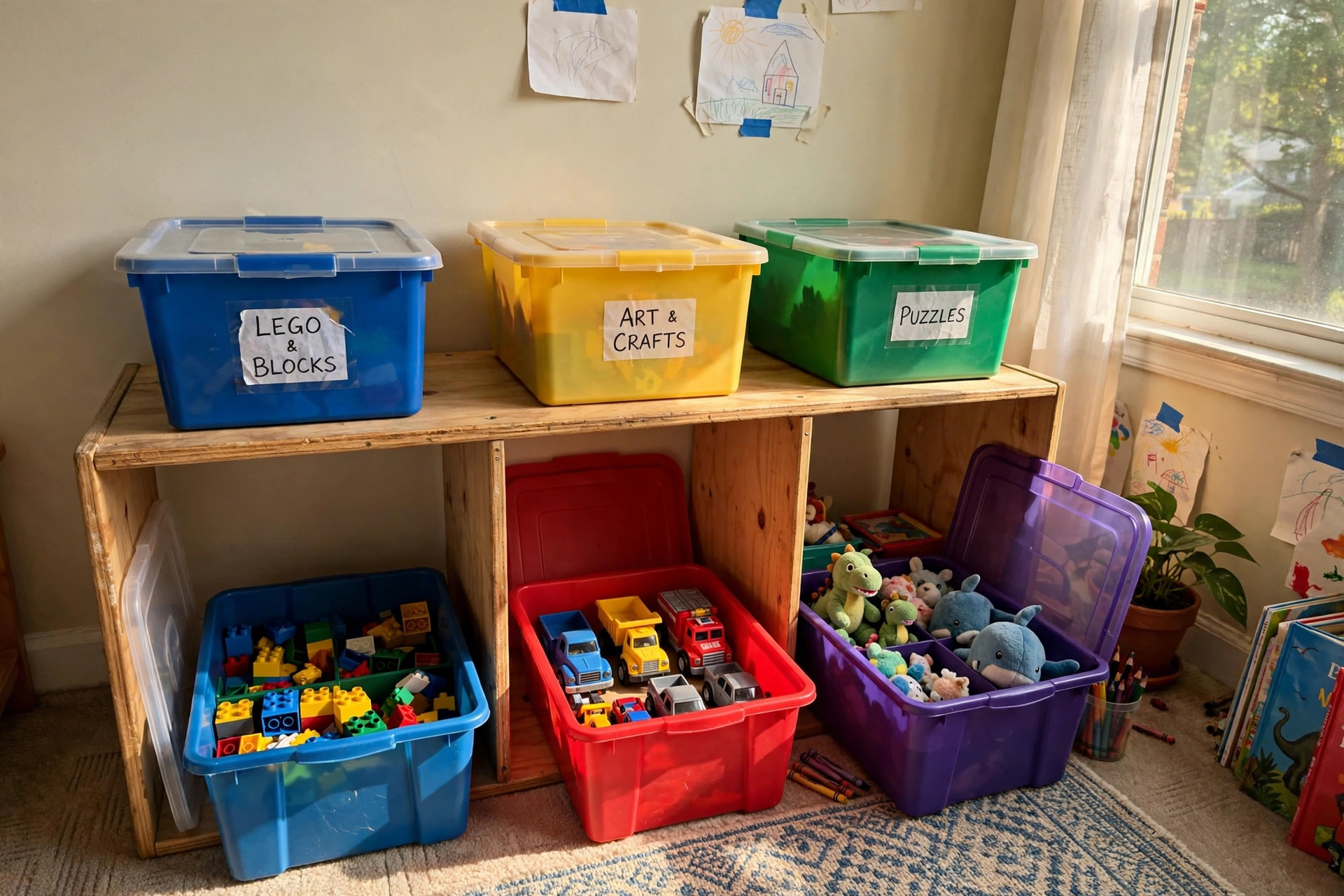

Every home with young children knows the sound. It is the sound of small plastic blocks, toy cars, and dolls spreading across the living room floor. Parents who want affordable toy storage bins for sale soon learn that order is possible. A few well-chosen bins can turn a messy playroom into a calm space. The work does not have to cost much. It does not have to look cold or plain either.
This guide explains what to buy, what to skip, and how much to spend. It covers sizes, materials, and price ranges. It also covers safety and upkeep. By the end, any family can pick bins that fit the budget and the home.
Why Toy Storage Bins Matter
A playroom without storage grows wild. Toys pile up in corners. Small pieces get lost under furniture. Children lose interest in toys they cannot find. Parents lose time cleaning the same mess each night. Affordable toy storage bins for sale solve these problems at a low cost.
A bin system also teaches children to clean up. When each toy group has a clear home, a child can learn to put things back. Picture labels help young children who cannot read yet. Open bins make the choice simple: drop the block in, and the job is done. IKEA and The Container Store both publish guides that show how a simple bin shelf can cut daily cleanup time in half.
There is also the matter of money. Lost toys get replaced. A full set of building blocks with half its pieces missing is no fun. Proper storage keeps sets whole. That saves real dollars over a year. A family that spends thirty dollars on bins may save twice that in toys they no longer need to replace.
What to Look For When You Shop: Affordable Toy Storage Bins for Sale
Not every bin is worth the shelf space. A few simple tests separate the good from the bad. Start with size. A bin should fit the toy it holds. Building blocks need deep bins. Dolls and stuffed animals need wide ones. Small cars do well in narrow bins. Measure the shelf or cubby before you shop. Write the numbers down. Bring them to the store.
Next, look at the material. Most affordable toy storage bins for sale are made of plastic, fabric, or woven fiber. Plastic bins last the longest. They wipe clean and hold heavy toys. Fabric bins are light and cheap. They fold flat when not in use. Woven bins look nicer in a living room. They cost a bit more.
Check the edges and lids. Rough edges can scratch little hands. Heavy lids can trap small fingers. For toddlers, open bins or bins with light lids are best. Older children can handle latching lids. If the bin will sit on a high shelf, make sure it is not too heavy when full. Family Handyman notes that most toy-room injuries come from falling bins, not from the toys themselves. Keep heavy bins low.
How to Choose the Right Bin
Begin with a sort. Gather all the toys in one room. Group them by kind: blocks, cars, dolls, art supplies, games. Count the groups. That number tells you how many bins you need. Most families need six to ten bins for one playroom.
Think about how your children play. If they dump one bin at a time, deep bins work well. If they mix toys together, use fewer, larger bins. There is no perfect system. The best system is the one your family will use every day.
Color can help. Give each child a color. Give each toy type a color too. Matching games are fun for small children. A red bin holds cars. A blue bin holds blocks. Simple rules stick. Walmart sells color sets in packs that make this method easy and cheap.
Types of Affordable Toy Storage Bins
Shoppers face many shapes. Each has a place. Knowing the main types makes the choice easier.
Stackable plastic bins. These are the workhorses. They come in clear or solid colors. Clear bins let children see what is inside. Stackable bins save floor space. They range from shoebox size to large tubs. Prices start under five dollars each. Home Depot and Lowe’s carry wide selections in their storage aisles.
Fabric cube bins. These fit into cube shelves. They are light, cheap, and soft. A child can pull one out without fear of a hard edge. They come in many prints. The weak point is cleaning. Spills soak in. For dry toys like blocks and dolls, they are ideal. Target offers house-brand cube bins at very low prices.
Woven and wicker baskets. These look good in family rooms. They hide toys in plain sight. A woven basket by the sofa can hold the toys of the day. They cost more than plastic. They also wear out faster. Still, for shared living spaces, they earn their keep. For a full rundown of basket styles, see our guide to wicker storage baskets.
Rolling carts with bins. These carts have small drawers or bins on wheels. Children can pull a cart to the play spot and push it back. Art supplies and small toys fit well here. The wheels add fun and function. Rolling designs are reviewed in detail in our rolling storage carts guide, and shoppers in the Sunshine State can read our notes on buying carts online in Florida.
Under-bed bins. Low, flat bins slide under beds. They use space that often goes to waste. Seasonal toys and board games fit well. Lids keep dust out. Measure bed height before buying.
Cost and Price Ranges
Affordable toy storage bins for sale span a wide price range. The word affordable means different things to different families. Here are honest numbers.
Small fabric cube bins often cost three to eight dollars each. Packs of four or six lower the per-bin price. Basic plastic bins run four to ten dollars. Large clear tubs with lids cost eight to fifteen dollars. Woven baskets range from ten to twenty-five dollars. Rolling carts with bins cost twenty to forty dollars for the full unit.
A full playroom setup for one child often costs forty to eighty dollars. That covers six to ten bins and a simple shelf. Families can spend less by starting small. Buy four bins for the most-used toys. Add more later as the budget allows. The Spruce recommends this step-by-step method for families on tight budgets.
Watch for sales. Big stores run storage sales in January and again in late summer. January clears holiday clutter. Late summer prepares for the school year. Buying during these sales can cut costs by twenty to thirty percent. Wayfair runs regular sales on storage furniture, and Apartment Therapy tracks the best times to buy home goods each year.
Shipping matters for online orders. Some stores offer free shipping over a set amount. Others charge per item. Bulky bins can carry high shipping fees. Compare the final price, not the shelf price. Picking up in store often saves the most.
Care and Upkeep
Good bins last for years with simple care. Plastic bins need only a damp cloth. Wipe them out once a month. Check for cracks at the corners. A cracked bin can pinch skin. Replace cracked bins at once.
Fabric bins need more care. Shake them out weekly. Spot clean stains with mild soap and water. Let them dry fully before refilling. Damp fabric can grow mold. Rotate fabric bins out of direct sun. Long sun hours fade prints and weaken fibers.
Woven baskets need dusting. A soft brush works best. Keep them dry. Wet baskets can warp or grow mildew. If a basket splinters, sand the rough spot smooth or retire the basket. Small splinters are not worth the risk.
Teach children the upkeep habit. Once a month, do a bin check together. Toss broken toys. Donate toys the children have outgrown. Wipe the bins. This short routine keeps the system working. It also keeps the toy count under control. New toys come in; old toys go out. The bins stay the same.
Label checks help too. Labels wear off. Replace them when they fade. A bin without a label becomes a junk bin. Junk bins grow. Soon the whole system fails. A five-minute label check prevents this slow slide.
Safety First
Toy storage sounds safe. But small details matter when children are small. Start with stability. Tall shelves must attach to the wall. A climbing child can tip a freestanding shelf. Wall straps cost little and prevent tragedy. Install them before the bins go in.
Avoid bins with airtight seals for young children. A child can climb into a large bin. A tight lid can trap them. Choose bins with loose lids or no lids for toddler rooms. Drill small air holes in large bins if you are unsure. The Container Store sells bins with vented lids made for this purpose.
Watch for sharp edges. Cheap plastic can have rough seams. Run a finger along each edge before use. Sand rough spots with fine sandpaper. Check fabric bins for loose threads. A long thread can wrap around a small finger.
Place heavy bins on low shelves. Keep light bins up high. This simple rule lowers the risk of falling bins. It also puts the most-used toys within a child’s reach. Children reach for what they can see. Put the good toys at their level. Put the rest higher.
Keep storage away from heat sources. Plastic bins melt near radiators and space heaters. Fabric bins can scorch. Leave a safe gap. Check the bin labels for heat limits if you store bins in a garage or attic.
Frequently Asked Questions
How many toy storage bins does one child need?
Most children need six to ten bins. Sort the toys into groups first. One bin per group works well. Start with fewer bins and add more only if toys overflow. Extra empty bins tempt families to buy more toys.
Are clear bins better than solid bins?
Clear bins help children find toys fast. They also show clutter, which some parents dislike. Solid bins look tidier on open shelves. For young children, clear or labeled bins work best. For shared living rooms, solid bins or woven baskets look calmer.
What size bin is best for building blocks?
Deep bins of at least ten inches work well for blocks. Wide bins let children dig without tipping. A bin that is too small fills too fast. A bin that is too large gets too heavy. A medium tub, about sixteen by twelve inches, suits most block sets.
Can I use toy storage bins in a living room?
Yes. Choose bins that match the room. Woven baskets and fabric cubes blend with furniture. Keep one or two bins for daily toys. Store the rest in a playroom or closet. This keeps the living room calm without hiding all the fun.
How do I keep children using the bins?
Make cleanup easy and quick. Open bins beat lids. Low shelves beat high ones. Labels with pictures beat words for small children. Praise the cleanup, not the mess. A short cleanup song helps toddlers. Keep the rule simple: one bin out at a time.
When should I replace toy storage bins?
Replace plastic bins when they crack. Replace fabric bins when they tear or sag badly. Replace woven baskets when they splinter. Most bins last three to five years of daily use. A yearly check in January keeps the set safe.
A Final Word
Affordable toy storage bins for sale give families something rare. They give order without high cost. A few bins, a low shelf, and simple labels can change a home. Cleanup gets faster. Toys last longer. Children learn a habit they will use for life.
Start small. Sort the toys. Buy four to six bins that fit the space. Add more only when needed. Watch sales in January and late summer. Keep safety first: stable shelves, low heavy bins, no airtight lids for toddlers.
The perfect bin does not exist. The bin your family uses every day is the right one. Pick it, label it, and enjoy the quiet that follows.
References
Apartment Therapy. (n.d.). Home design ideas and inspiration. https://www.apartmenttherapy.com Family Handyman. (n.d.). DIY home repair and maintenance. https://www.familyhandyman.com IKEA. (n.d.). Home furnishings. https://www.ikea.com Lowe’s. (n.d.). Home improvement products. https://www.lowes.com Target. (n.d.). Retail store. https://www.target.com The Container Store. (n.d.). Storage and organization products. https://www.containerstore.com The Home Depot. (n.d.). Home improvement products. https://www.homedepot.com The Spruce. (n.d.). Home and garden advice. https://www.thespruce.com Walmart. (n.d.). Everyday low prices. https://www.walmart.com Wayfair. (n.d.). Furniture and home goods. https://www.wayfair.com
Was this guide helpful?

About David Wilson
The My Garden US editorial team writes practical, in-depth home and garden guides for American homeowners — tested advice, no fluff.
You May Also Like
Space Saving Attic Storage Solutions for Sale: A Practical Guide
March 16, 2026 0 views
Budget Friendly Vertical File Cabinets: A Practical Buying Guide
January 22, 2026 0 views
Top Rated Freestanding Wardrobe Closets for USA Homes
May 5, 2026 0 views