
Introduction
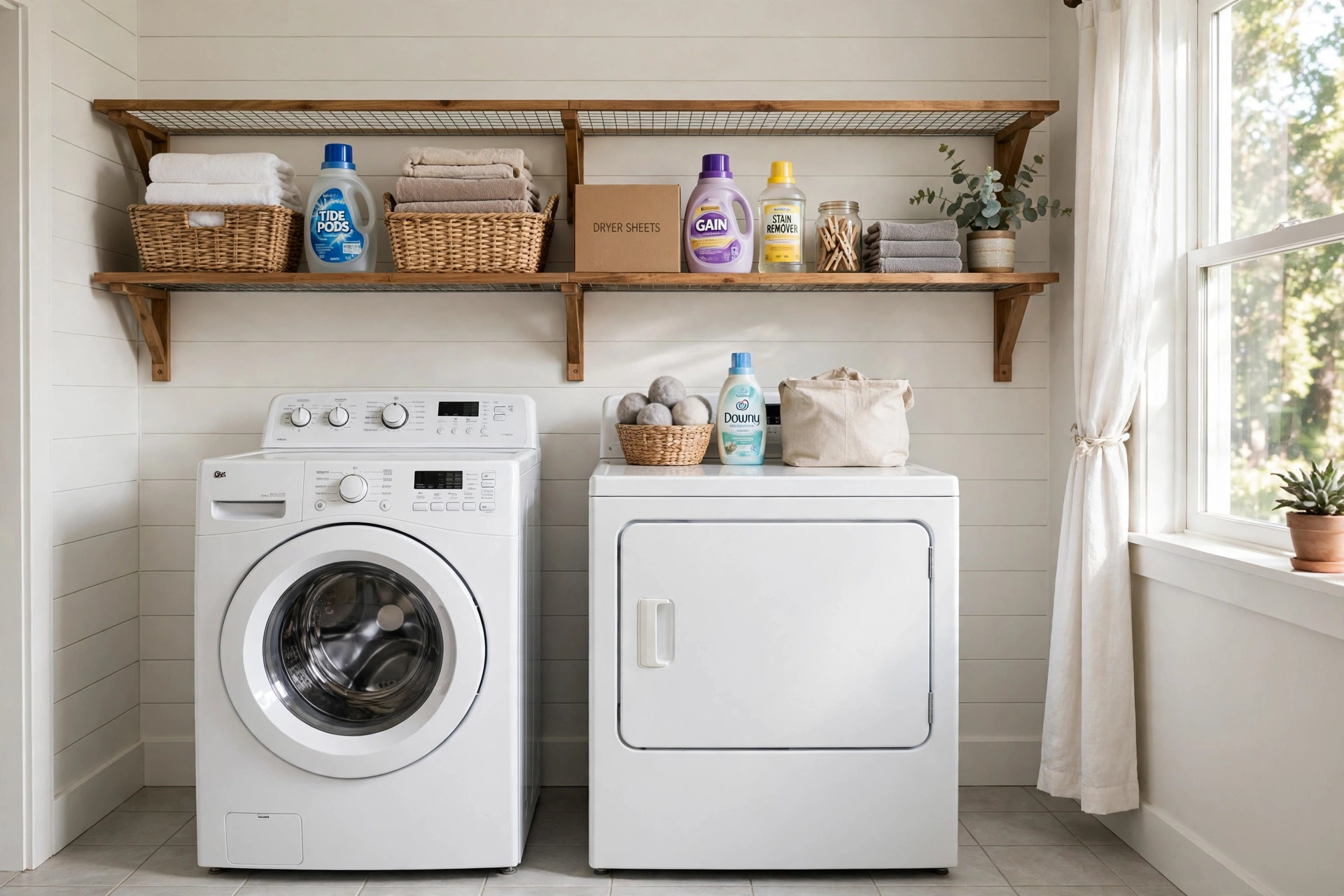
This laundry room shelving reviews and buying guide was written to help you make sense of a crowded market. Shelves are simple objects. Even so, buyers often feel lost. They face many materials, many styles, and many price points. A poor choice leads to sagging boards, rust stains, and wasted wall space. A good choice turns a cluttered laundry room into a calm work space.
This guide reviews the main types of laundry room shelving. It explains what to look for when you buy. It gives price ranges. It covers care and upkeep. It ends with answers to common questions. By the final page, you should know which shelf suits your room, your budget, and your habits.
Why Laundry Room Shelving Matters: Laundry Room Shelving Reviews and Buying Guide
A laundry room is a small workshop. It holds detergents, softeners, stain removers, baskets, irons, and spare supplies. Without shelves, these items crowd the floor and the top of the washer and dryer. Counters grow sticky. Things get knocked over. The room looks and feels messy.
Good shelving solves three problems at once. First, it lifts items off the floor, which makes cleaning easy. Second, it places supplies at hand height, so you do not bend or stretch. Third, it keeps heavy items like large detergent bottles safe from falls. Many homeowners report that one weekend of shelf work changes the way the whole room feels. The laundry process itself becomes faster and calmer.
What to Look For When You Buy
Shopping for shelves is easier when you know what to check. The points below apply to every shelf type.
Weight Capacity
Read the rated weight before you buy. A shelf that holds folded towels is fine at 25 pounds per shelf. A shelf that holds a gallon of liquid detergent should hold at least 50 pounds. Always buy more capacity than you think you need. Overloading is the main cause of shelf failure.
Moisture Resistance
Laundry rooms are damp. Steam rises from the dryer. Leaks happen. Metal shelves should be coated to resist rust. Wood shelves should be sealed or made from treated material. Bare pine or raw particle board will swell and warp in a damp room.
Depth and Height
Most laundry rooms are narrow. A shelf that is 10 to 12 inches deep fits supplies without blocking walk space. Measure the wall before you shop. Mark the height with tape. Make sure the lowest shelf clears the tops of your machines by at least 4 to 6 inches.
Mounting Method
Wall-mounted shelves save floor space but need solid anchors. Freestanding shelving units, such as over-the-washer racks, are easy to move but may wobble. Floating shelves look clean but carry less weight. Pick the method that suits your wall type. Studs are best. Drywall anchors work for lighter loads.
Types of Laundry Room Shelving
Wire Shelving Units
Wire shelves are the classic laundry room choice. They are light, strong, and easy to clean. Dust falls through the wire. Many sets stack or adjust in height. Steel wire units with a chrome or epoxy coating are common in home storage catalogs.
Wire shelving suits renters and small rooms. It sets up in minutes with no tools. The main weakness is that small items can tip through the gaps. Shelf liners solve this. A full wire unit costs about 40 to 120 dollars, based on prices seen at large home improvement retailers.
Solid Wood Shelves
Wood shelves look warm and fit well in finished laundry rooms. Pine is cheap but soft. Hardwood like oak or maple is stronger. Many buyers paint or stain wood to match the room trim. Solid wood carries heavy loads when mounted on brackets into studs.
Wood needs care in a damp room. Seal every surface, including the back edges, with paint or polyurethane. Reviews from DIY project sites stress this point. Unsealed wood will show stains from spilled detergent. A pair of 4-foot wood shelves with brackets runs about 30 to 90 dollars before paint.
Metal and Steel Units
Heavy steel shelving units look plain but carry great weight. These are the workhorses of basements and utility rooms. Adjustable shelf clips let you set heights for tall bottles. Coated steel resists rust. Uncoated steel does not.
Metal units are often sold as 4- or 5-shelf towers. They fit in corners and closets. Prices range from 50 to 150 dollars. Product reviews at consumer testing groups note that assembly takes 30 to 60 minutes and that plastic clips can crack if forced.
Floating Shelves
Floating shelves attach with hidden brackets. They look modern and clean. They work best for light loads: folded towels, small jars, plants. They are a poor choice for gallon jugs. Each shelf holds 10 to 20 pounds when mounted well.
Floating shelves suit small, finished laundry rooms where looks matter. Solid wood floating shelves cost 20 to 50 dollars each. The home design press often features them in laundry room makeovers.
Over-the-Washer Racks
Over-the-washer racks are freestanding frames that straddle the washer and dryer. They use dead space above the machines. Most models have three open shelves and side hooks. They need no wall mounting, which suits renters.
Reviews are mixed. Buyers like the price and the easy setup. They dislike wobble and shallow shelves. Good models cost 40 to 80 dollars. Flat-pack furniture brands and online furniture stores both sell versions of this style.
How to Choose the Right Shelving
Start with a simple list. Write down what you store: detergents, softeners, baskets, iron, hangers, lost socks. Weigh the heaviest item. A full gallon of detergent weighs about 9 pounds. Plan shelf space for six months of growth, not just today.
Next, measure the wall. Note studs, outlets, and pipes. Sketch the shelf layout on paper. A single row of deep shelves above the machines works for most rooms. Corner rooms may take an L-shaped layout. Small closets may need just one shelf plus hooks.
Then match the shelf to the load. Heavy items need brackets into studs or steel units. Light items can go on floating shelves. If you rent, choose freestanding or over-the-washer racks that need no holes in the wall.
Finally, set a budget. Prices climb fast with brand names. A simple, well-anchored wood shelf often beats a costly branded unit. Read buyer reviews before you order. Look for comments about sagging, rust, and missing parts. Those three issues appear in reviews more than any other.
Cost and Price Guide
Most buyers spend between 40 and 150 dollars to outfit a laundry room with shelves. The breakdown below shows what the money buys.
– Budget (under 40 dollars): one or two wire or pine shelves with basic brackets. – Mid-range (40 to 100 dollars): a full wire unit, a pair of sealed wood shelves, or an over-the-washer rack. – Premium (100 to 250 dollars): hardwood shelving, heavy steel towers, or custom built-ins.
Installation costs are low. Most shelving is a do-it-yourself job. A drill, a level, and a stud finder are all you need. Hiring a handyman adds 50 to 100 dollars. Guides from home renovation publications walk through the steps in plain detail.
Care and Upkeep
Shelves need little care, but a small routine keeps them sound.
– Wipe shelves once a month with a damp cloth. Detergent spills dry into a sticky film that is harder to remove later. – Check brackets and anchors twice a year. Tighten any loose screws. – Look for rust on metal shelves. Touch up chips in the coating with spray paint made for metal. – Reseal wood shelves every two or three years, or sooner if you see stains. – Do not stack items above the rated weight. Heavy loads creep upward over time as new items are added.
A damp laundry room shortens the life of untreated materials. Run the room vent fan when the dryer runs. Fix small leaks at once. These habits protect the shelves and the walls behind them.
Safety Notes
Shelves are safe when installed well and loaded with care. Keep these rules in mind.
– Mount every wall shelf into studs or use anchors rated for the load. Drywall alone will not hold heavy shelves. – Place heavy bottles on the lowest shelf. Light items go high. This keeps the shelf stable and reduces the harm if something falls. – Store laundry chemicals in closed containers. Keep them away from small children and pets. A locked cabinet is safer than an open shelf for bleach and pods. – Do not climb on shelves. Use a step stool. – Keep shelves clear of the dryer vent and electrical panels. Heat and sparks do not mix with stored chemicals.
Product safety advice from household review sites and retail buying guides echoes these points. Stable shelves and locked chemicals are the two biggest safety wins in any laundry room.
Frequently Asked Questions
How much weight can a laundry room shelf hold?
It depends on the shelf and the mount. A basic wire shelf holds 25 to 50 pounds per shelf. A wood shelf on stud-mounted brackets holds 50 to 100 pounds. A heavy steel unit can hold 200 pounds or more per shelf. Always check the rating on the box and stay below it.
What is the best material for laundry room shelves?
Coated steel and sealed wood are the two best choices. Coated steel resists rust and carries heavy loads. Sealed wood looks better in finished rooms. Wire shelves are a fine middle choice. Avoid raw particle board, which swells in damp air.
How high should shelves be above the washer and dryer?
Leave at least 4 to 6 inches of clearance above the machines. Most people mount the first shelf 48 to 54 inches from the floor. The shelf should be low enough that you can reach items without a stool.
Can I install shelves without drilling into studs?
Yes, for light loads. Toggle bolts and heavy-duty drywall anchors can hold 20 to 30 pounds per bracket. For heavy loads, studs are much safer. Freestanding units and over-the-washer racks need no drilling at all.
Do wire shelves rust in laundry rooms?
Cheap uncoated wire can rust where the coating chips. Epoxy-coated and stainless wire resist rust well. Check the coating once a year. Touch up any chips. Keeping the room dry matters more than the coating brand.
Should I buy a shelving unit or build my own?
Buy a unit if you want speed. Units set up in under an hour. Build your own if the room has odd walls or you want a custom look. Custom wood shelves cost less in materials but take a weekend of work. Both paths work well when done with care.
Related Storage Ideas
If this guide helped, you may also find these related topics useful: top rated linen closet organizers for texas homes, best rotating lazy susan turntables for florida homes, and waterproof entryway coat racks with free shipping. Each one covers storage for another corner of the home.
Final Word
The best laundry room shelf is the one that fits your wall, your load, and your budget. Start with honest measurements. Choose a moisture-proof material. Mount it well. Review the ratings from trusted home sources before you buy. Do these steps, and your shelves will serve you for years. The laundry room will stay neat, safe, and easy to work in.
References
Apartment Therapy. (n.d.). Home design ideas and inspiration. https://www.apartmenttherapy.com Consumer Reports. (n.d.). Product reviews and ratings. https://www.consumerreports.org Family Handyman. (n.d.). DIY home repair and maintenance. https://www.familyhandyman.com Good Housekeeping. (n.d.). Product reviews and home advice. https://www.goodhousekeeping.com IKEA. (n.d.). Home furnishings. https://www.ikea.com Lowe’s. (n.d.). Home improvement products. https://www.lowes.com The Container Store. (n.d.). Storage and organization products. https://www.containerstore.com The Home Depot. (n.d.). Home improvement products. https://www.homedepot.com The Spruce. (n.d.). Home and garden advice. https://www.thespruce.com This Old House. (n.d.). Home renovation guidance. https://www.thisoldhouse.com Wayfair. (n.d.). Furniture and home goods. https://www.wayfair.com
Was this guide helpful?

About Robert Taylor
The My Garden US editorial team writes practical, in-depth home and garden guides for American homeowners — tested advice, no fluff.
You May Also Like
Dresser Drawer Dividers Reviews and Buying Guide
July 15, 2026 0 views
Garden Tool Organizers Price Comparison USA: A Simple Buying Guide
June 8, 2026 0 views
Luxury Bathroom Vanity Organizers with Free Shipping
April 26, 2026 0 views