
Finding the best home office chair for petite women starts with one simple fact. Most office chairs are built for an average frame. A woman who is five feet four or shorter often finds that standard chairs sit too deep, too high, and too wide. Her feet may dangle. The seat edge may press into her thighs. The lumbar curve may hit her back in the wrong place. Over a full workday, these small mismatches add up to real pain in the back, neck, and shoulders. This guide explains what to look for, what types to consider, what to pay, and how to keep your chair in good shape. It is written for a shorter woman who works from home and wants a chair that truly fits.
Why Chair Size Matters for Petite Women
The Fit Problem
A standard office chair has a seat depth of about 18 to 19 inches. For a petite woman, that is often too deep. She cannot sit all the way back and still keep her feet flat on the floor. So she perches on the front edge of the seat. That ruins her posture. Her lower back loses support. Her shoulders round forward. After a few hours, her whole body aches.
The seat height matters just as much. Many chairs only go down to about 18 inches at the lowest setting. A woman with short legs may need a seat as low as 15 or 16 inches. If the seat is too high, blood flow to her legs is cut off. Her feet swing. She tires faster. The right chair solves both problems at once.
Health Reasons to Get the Fit Right
A chair that fits protects the spine. It keeps the natural curve of the lower back. It takes pressure off the discs between the bones of the spine. Studies of office workers show that good lumbar support cuts the rate of lower back pain in a clear way. For petite women, who often have less body mass to absorb poor support, the benefit is even greater.
There is also the matter of circulation. A seat edge that digs into the thighs can press on blood vessels and nerves. The result is numbness or tingling in the legs. A shallower seat with a waterfall front edge lets blood move freely. Small details like this make a big difference across a forty-hour work week. Reviewers at Consumer Reports regularly test office chairs for these exact fit and comfort factors.
How to Choose: Key Features to Look For: Best Home Office Chair for Petite Women
Seat Depth and Seat Height
These are the two most important measurements. Look for a seat depth between 15 and 17 inches. That range lets most petite women sit back fully while keeping a small gap, about two inches, between the seat edge and the back of the knee. Some chairs offer an adjustable seat depth, which is ideal. A sliding seat pan lets you tune the depth to your own legs.
For seat height, look for a low minimum. A good target is a range that starts at 15 or 16 inches and rises to about 20 inches. This lets you place your feet flat on the floor with your knees at a right angle. If your desk is tall, a footrest can help. But the chair itself should go low enough first.
Lumbar Support Placement
Lumbar support is the curved pad that fills the gap at the small of your back. On chairs built for average frames, this pad often sits too high. For a petite woman, it may press against the middle of her back instead of the lower back. Look for lumbar support that is adjustable in height, not just in depth. A movable lumbar pad can be set to hit the right spot on a shorter torso. Guides at The Spruce explain how to judge lumbar height on different chair models.
Armrests That Stay Out of the Way
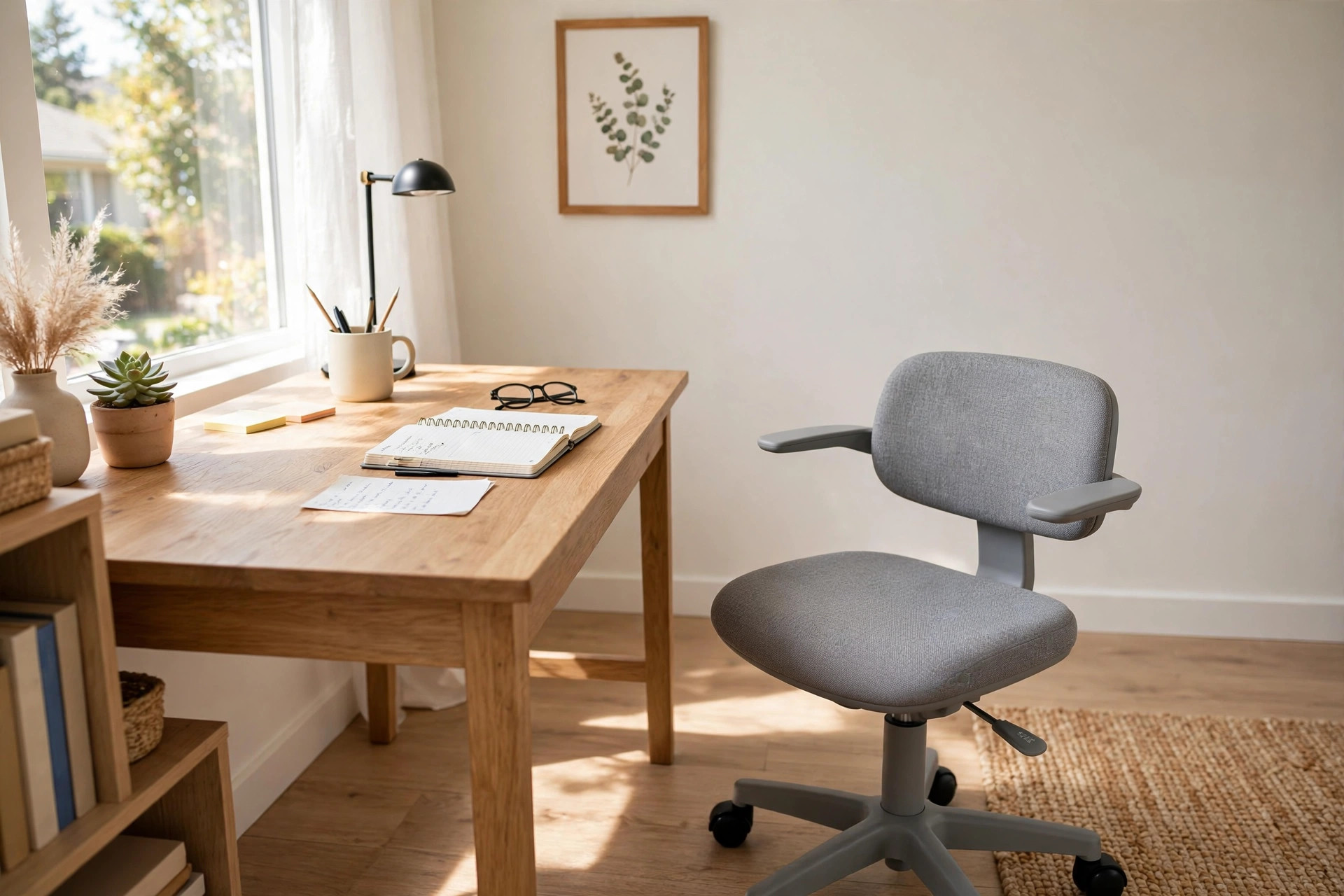
Armrests cause more trouble than most people expect. Fixed armrests on a standard chair often sit too high for a shorter woman. Her shoulders rise toward her ears. Tension builds in the neck. Look for armrests that adjust up and down, and ideally also in and out. Flip-up armrests are another good option. They let you slide the chair close under the desk. If you type for long hours, low, padded armrests keep your forearms level without lifting your shoulders.
Backrest Height and Tilt
A very tall backrest can swallow a petite frame. The top of the back may push against her shoulder blades in a bad way. A mid-back chair, or a chair with a short back, often fits better. That said, many women like a high back with a headrest for leaning back during calls. If you choose a high back, make sure the headrest adjusts down far enough to support your neck, not just the back of your head. PCMag compares tilt mechanisms in its office chair reviews.
Weight Capacity and Build
Most office chairs carry far more weight than a petite woman needs. That is fine. But a very stiff chair built for heavy use can feel hard and unforgiving. Look for a chair with a responsive tension control. It lets you set the recline resistance to your body weight. Pneumatic height adjustment should move smoothly and lock firmly.
Types of Chairs That Suit Petite Women
Petite-Specific Task Chairs
Some makers now design task chairs with smaller frames in mind. These chairs ship with shorter seat depths, lower height ranges, and narrower backs. They are not always labeled as petite. You may need to read the full spec sheet. This is the most direct route to the best home office chair for petite women, because the proportions are right from the start.
Ergonomic Mesh Chairs
Mesh chairs breathe well. They keep you cool during long sessions. Many ergonomic mesh chairs now come with adjustable seat depth and lumbar height. The flexible back of a mesh chair adapts to different body shapes. For a petite woman, the key is still the seat measurements. A mesh back does not fix a seat that is too deep. Check the numbers before you buy.
Mid-Back Executive Chairs
Executive chairs look formal and come with thick padding. They can work for home offices that double as meeting spaces. The downside is that many are large and heavy. Look for a mid-back version rather than a tall one. Wayfair lists filter options by seat dimensions, which helps narrow the field quickly.
Drafting Stools and Compact Stools
If you work at a high counter or a standing desk, a drafting stool may suit you. A stool with a low minimum height and a foot ring can work for a shorter person. Make sure the foot ring adjusts, and that the stool base is stable. Stools are best for shorter sessions or for mixing sitting and standing.
Cost and Price: What to Expect
Budget Chairs: Under $150
A chair under $150 can serve well for light use. You will find basic task chairs with fixed armrests and limited adjustment. Some go low enough for shorter legs. Check the seat height range in the specs. IKEA and Staples both sell compact task chairs in this range that suit smaller home offices.
Mid-Range Chairs: $150 to $500
This is the sweet spot for most buyers. Chairs in this range offer adjustable seat depth, movable lumbar support, and better armrests. Build quality is stronger. The chair will last longer. For a petite woman who works from home full time, this range gives the best value. Review sites such as Wirecutter test mid-range chairs for real-world comfort over weeks of use.
Premium Chairs: $500 and Up
Premium chairs come from makers known for ergonomics. Herman Miller and Steelcase both make chairs with deep adjustability. Their smaller or lower-back models can fit petite frames well. These chairs often carry long warranties, sometimes twelve years. If you sit for eight hours a day, a premium chair is an investment in your health. The cost per day over a decade is small.
Where Price Meets Fit
A high price does not always mean a good fit. A $900 chair built for a tall frame will still hurt a petite woman. Always check the measurements first. Read reviews from buyers of similar height. Many online listings now include reviewer height, which is very useful. Fit beats brand every time.
Pairing Your Chair With the Right Desk Setup
A chair is only part of the picture. Your desk height must match your chair height. A standard desk is about 29 to 30 inches tall. That is fine if your chair puts you at the right height for it. Your elbows should rest near a right angle when your hands are on the keyboard. If the desk is too high, consider a keyboard tray or an adjustable desk.
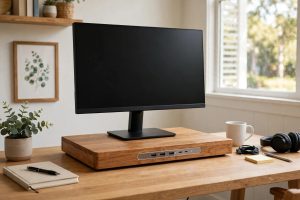
Screen height matters too. The top of your monitor should sit at or just below eye level. A laptop stand for better standing desk posture can raise a laptop screen to a healthy level. If you run two screens, a home office desk for two monitors gives you the width you need without crowding. Students working in tight rooms may pair a compact chair with a small desk with a built-in bookshelf to save floor space.
Care and Upkeep
Daily Habits
Wipe the seat and armrests with a dry cloth once a week. Dust builds up in the cracks of the base. Keep the chair on a mat if you roll on hard floors. The mat protects the floor and makes rolling easier. Avoid dragging the chair by the armrests.
Cleaning the Fabric or Mesh
Fabric seats pick up dust and stains. Vacuum the seat with a brush head once a month. For spots, use a mild soap solution and a soft cloth. Dab, do not rub. Mesh backs are easier. Wipe them with a damp cloth and let them air dry. Leather or faux leather needs a cleaner made for that material. Test any cleaner on a hidden spot first.
Checking the Mechanics
Once every few months, check the screws and bolts. Tighten anything that has loosened. Test the height lever and the tilt lock. A chair that sinks on its own has a failing gas cylinder. Most makers sell replacement cylinders. Replacing one takes minutes and costs far less than a new chair.
When to Replace
A good chair lasts five to twelve years. Replace it when the seat foam goes flat, the lumbar support sags, or the base wobbles. Do not wait until you are in pain. A worn chair can quietly undo years of good posture. Many makers, including Uplift Desk, publish maintenance guides for their chairs.
Safety Notes
Make sure the chair base is wide enough to stay stable when you lean. A five-star base with smooth casters is standard. Do not stand on the chair to reach high shelves. Lock the casters if the floor is sloped. Keep small children and pets clear of the recline mechanism. Teach kids not to play with the height lever.
Check the weight rating even if you are well under it. The rating tells you about build strength. A chair rated far above your weight may have very stiff recline tension. Look for tension you can adjust down to a light setting.
FAQ
What seat height is best for a petite woman?
Most petite women do best with a seat height range that starts at 15 or 16 inches. This lets her place her feet flat on the floor. Measure your lower leg from the floor to the back of your knee while seated. That number is close to your ideal seat height. Add an inch for shoe soles.
What seat depth should I look for?
Look for a seat depth of 15 to 17 inches. Sit back fully in the chair. You should be able to fit two fingers between the front edge of the seat and the back of your knee. If the gap is larger, the seat is too deep. An adjustable seat slider solves this problem neatly.
Are gaming chairs good for petite women?
Gaming chairs look bold, but most are built for larger frames. They often have deep seats and high backs. Some brands now make smaller models. Check the seat depth and width before you buy. A standard gaming chair is usually a poor fit for a petite woman.
Do I need armrests?
Not always. Many petite women prefer no armrests or flip-up armrests. Fixed armrests can block you from sliding close to the desk. If you keep armrests, make sure they adjust low enough to let your shoulders relax. Your forearms should rest level without lifting.
How much should I spend?
For full-time home work, plan to spend between $150 and $500. This range buys the adjustments that matter: seat depth, lumbar height, and armrest position. If you work long hours and want a chair to last a decade, premium chairs from Herman Miller or Steelcase are worth a look.
Can a petite woman use a standard office chair?
Sometimes, but it is a gamble. A standard chair may work if its lowest height setting is low enough and its seat is not too deep. Most of the time, a standard chair forces poor posture. A chair sized or adjusted for a smaller frame is the better choice for daily use.
A Short Final Word
The best home office chair for petite women is not the most expensive one or the most famous one. It is the one that fits. Measure your legs. Check the seat depth and height. Make sure the lumbar support hits your lower back. Pick armrests that adjust or fold away. Pair the chair with a desk setup at the right height. Care for the chair, and it will care for your back for years. Good fit is quiet. You will notice it most by what you do not feel: no ache in the shoulders, no numbness in the legs, no pain at the end of the day.
References
Consumer Reports. (n.d.). Product reviews and ratings. https://www.consumerreports.org Herman Miller. (n.d.). Office furniture and ergonomic seating. https://www.hermanmiller.com IKEA. (n.d.). Home furnishings. https://www.ikea.com PCMag. (n.d.). Technology product reviews. https://www.pcmag.com Staples. (n.d.). Office supplies and furniture. https://www.staples.com Steelcase. (n.d.). Office furniture and workplace research. https://www.steelcase.com The Spruce. (n.d.). Home and garden advice. https://www.thespruce.com UPLIFT Desk. (n.d.). Standing desks and ergonomic office furniture. https://www.uplift-desk.com Wayfair. (n.d.). Furniture and home goods. https://www.wayfair.com Wirecutter. (n.d.). Product reviews from The New York Times. https://www.nytimes.com/wirecutter
Was this guide helpful?

About James Carter
The My Garden US editorial team writes practical, in-depth home and garden guides for American homeowners — tested advice, no fluff.
You May Also Like
The Best Printer Stand With Storage for Home Office
January 10, 2026 0 views
Compact Bookshelf for Home Office Closet Setup: A Small-Space Guide
July 28, 2026 0 views
Home Office Desk Mat in Leather for Writing: A Complete Guide
March 22, 2026 0 views