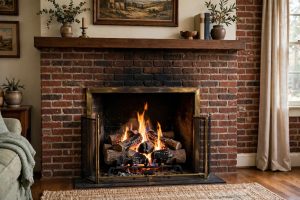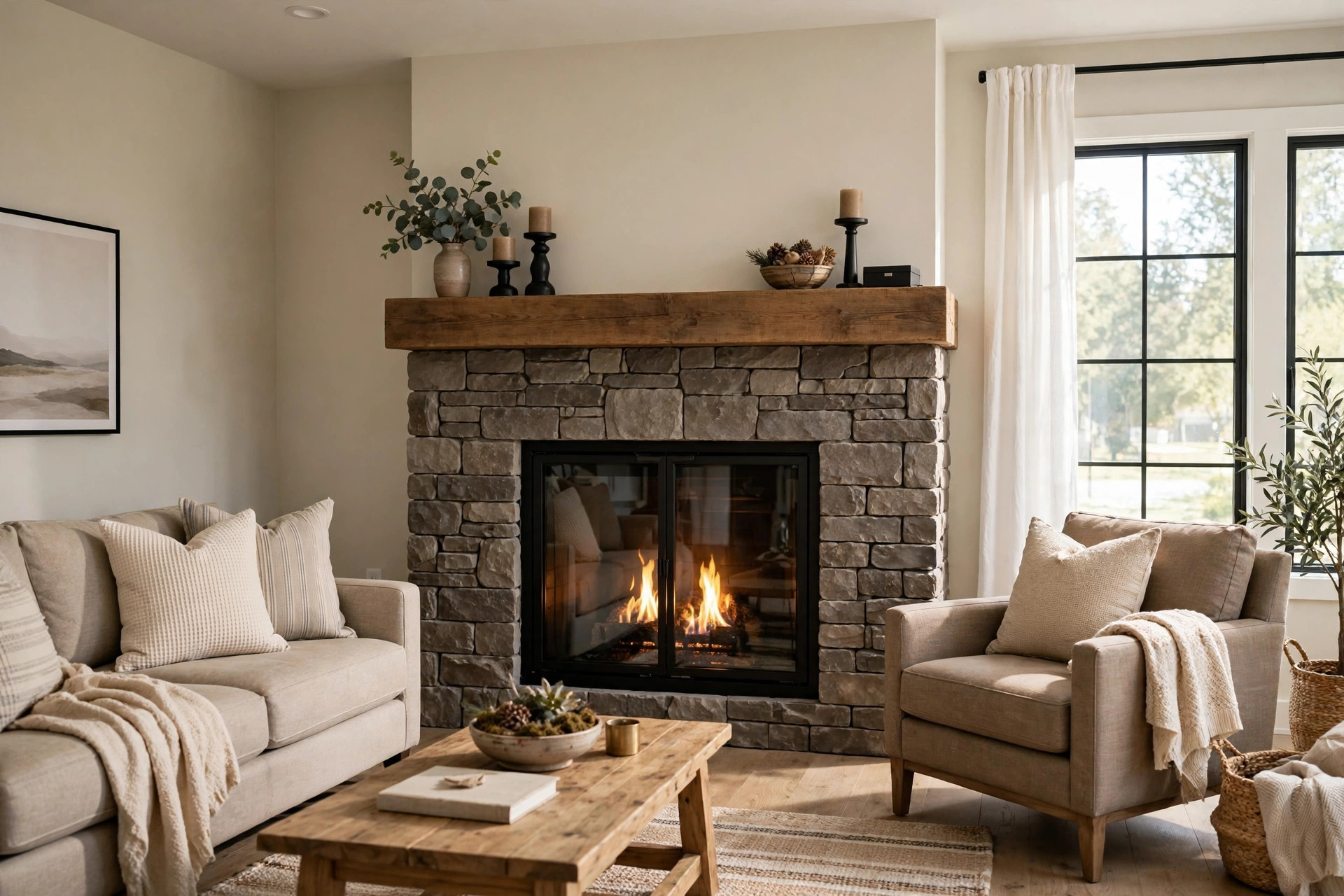

When winter draws near, many homes feel cold and empty without a fire to gather around. That is when owners begin to search for the best fireplace installation services near me. The phrase is common, but the work behind it is not simple. A fireplace is part of the home’s heating system, and it must be safe before it can be beautiful. A poor installation can waste money, damage the house, or put the family at risk. A good one gives warmth and comfort for decades.
This guide walks through the whole process. It explains why the choice of installer matters, what to look for when you compare local companies, the types of installations they offer, what the work costs, and how to care for the finished fireplace. It also answers the questions owners ask most often. By the end, you will know how to find and judge the best fireplace installation services near me with a clear head.
Why the Right Installer Matters
A fireplace is not like a piece of furniture. It connects to gas lines, electric circuits, or a chimney, and every one of those connections carries a risk. Gas leaks, chimney fires, and carbon monoxide leaks are real dangers. They do not happen often, but when they do, the cause is usually poor work. The best fireplace installation services near me employ trained crews who follow local codes. They pull permits when the law requires them. They test every line before they leave the house.
The right installer also saves money over time. A unit that is set level, vented well, and sealed tight burns less fuel and heats the room better. A careless crew may leave small gaps or a weak flue. The owner then pays higher gas or electric bills for years. In some cases the work must be torn out and done again. That doubles the cost.
There is also the matter of the warranty. Most makers of fireplaces honor their warranty only when the unit is installed by a licensed professional. If you hire an unlicensed crew and the unit fails, you may pay for the repair yourself. A firm on the trusted lists at This Old House notes that certified installers protect both the house and the warranty.
What to Look For in a Local Installer: Best Fireplace Installation Services near Me
The best fireplace installation services near me share a few traits. First, they hold a proper license and carry insurance. Ask to see both. The license shows the state has tested their skill. The insurance protects you if a worker is hurt or the house is damaged. A company that cannot show these papers is not worth your time.
Second, look for training tied to the fuel type. Gas fireplaces need a crew that knows gas lines. Wood units need a crew that knows chimney rules. Ask how long they have done this work and how many units they install in a year. A firm that installs hundreds of fireplaces has seen every problem and solved it.
Third, read reviews from real customers in your town. Ask the company for three names of recent customers. Call those people and ask if the crew arrived on time, kept the house clean, and finished when promised. Online review pages can help, but a live voice tells you more. The buying guides at Consumer Reports remind owners that local reviews matter more than national ads.
Fourth, ask about the permit process. The best fireplace installation services near me handle the permit for you. They know the local building code. They schedule the inspection. If a company tells you a permit is not needed for a gas line, check with your city before you go further. Most cities do require one.
Fifth, get the quote in writing. The quote should list the unit, the parts, the labor, the permit fee, and the schedule. It should state what is not included. A firm that quotes a price on the phone without seeing the house may add charges later. A visit to the home lets the crew see the walls, the floor, and the chimney space. That visit makes the quote honest.
Types of Fireplace Installations
Installers near you will offer several types of units. Each one fits a different home and a different budget.
Direct vent gas fireplaces are the most common choice in new installations. They draw air from outside and send the flue gases out through a sealed pipe. The glass front stays shut. They heat well and need little care. A crew can vent them through a wall or the roof.
Vent free gas fireplaces need no chimney and no vent pipe. They burn very clean and turn almost all their gas into heat. They are easy to place in rooms where a vent would be hard to run. Many cities allow them, but some restrict their use in bedrooms or small rooms. Your installer should know the local rule.
Wood burning fireplaces give the classic look and the smell of a real fire. They need a full chimney or a listed metal flue. They cost more to install than gas units because the chimney work is heavy. They also need more care. The owner must burn dry wood and have the chimney swept each year.
Electric fireplaces are the simplest to install. They plug into a standard outlet or a dedicated circuit. They need no vent and no fuel line. They give the look of flames without the heat of a real fire. Some models add a small heater. They suit apartments and condos where gas and wood are not allowed.
Pellet stoves burn small pellets of pressed wood. They are efficient and steady. They need a small vent and a nearby power outlet. The best fireplace installation services near me often carry pellet models for owners who want wood heat with less work.
If you are adding a surround to a new or old unit, you may also read about energy efficient tile fireplace surrounds for sale and the style choices that suit your room.
Cost and Price
The price of the work depends on the unit, the fuel, and the house. A simple electric fireplace may cost a few hundred dollars for the unit plus one visit by the crew. A gas fireplace with new venting and a new surround often runs from three thousand to seven thousand dollars installed. A wood unit with a full chimney can run from five thousand to ten thousand dollars or more.
What makes up the price? The unit itself is the largest part. Then comes labor, which covers the crew’s time and skill. Parts include pipe, elbows, trim, mantels, and stone or tile. The permit fee is usually small. Some jobs need extra work, such as running a gas line across the house or cutting a new hole in the roof. The written quote should show each item.
Do not choose the crew by price alone. A bid that is far below the others may skip the permit, use cheap parts, or rush the job. A bid that is far above the rest should explain why. The best fireplace installation services near me give a fair middle price and explain it in plain words. Price listings at Lowe’s and Home Depot can help you learn the going rate for units before the crew arrives.
Ask about payment terms. Many firms ask for a deposit of one third to one half, with the rest due when the job is done and inspected. That is a fair pattern. Never pay the full price before the work starts.
Safety Comes First
Safety is the heart of this work. Fire is useful only when it is controlled. The best fireplace installation services near me treat safety as a fixed rule, not an extra.
Ventilating gases is the first concern. Gas units must send their flue gases out of the house. The pipe must be sealed and sloped the right way. The crew should test the draft and check for leaks with a meter. Carbon monoxide is a silent gas. A detector on each floor of the home is a wise step. The health pages at EPA explain the risks of poor combustion in clear terms.
Clearances are the second concern. A fireplace throws heat. The walls, floor, and mantel near it must be at the right distance. Combustible materials like wood trim need a set number of inches of space. The installer should show you these numbers. They come from the unit’s listing and the local code.
The third concern is the chimney for wood units. Creosote builds up inside the flue when wood burns. It can catch fire. A yearly sweep by a certified sweep keeps the flue clear. The install crew should tell you this before they leave. The how-to guides at Family Handyman show why this care matters.
Children and pets need safe barriers too. Glass fronts get very hot. A screen or gate keeps small hands away. Ask the installer to fit one if your home has young children.
Care and Upkeep After Installation
A new fireplace needs little care, but it does need some. Gas units should be checked once a year. The crew or a service firm will clean the glass, check the logs or stones, test the ignition, and look at the vent. This visit takes less than an hour and keeps the unit safe.
Wood units need more work. Burn only dry, seasoned wood. Green wood smokes and leaves more creosote. Empty the ash pan often, but leave a thin bed of ash on the firebox floor to protect it. Have the chimney swept each year before the cold season. If you use epa certified fireplace tool sets for sale, the work is easier and safer.
Keep the area around the fireplace clean. Dust and pet hair gather near vents. Wipe the glass with a cleaner made for fireplace glass. Do not use kitchen cleaners that leave a film. If you have glass doors, you can find advice in a fireplace glass doors reviews and buying guide before you buy a set.
Watch for warning signs. A gas smell, a sooty mark on the wall, a flame that looks lazy and yellow, or a carbon monoxide alarm should be taken as a signal to stop using the unit and call a service firm at once. Do not try to fix a gas line yourself.
Makers like Napoleon and Heatilator print care steps in the owner’s manual. Keep that book in a safe place and follow it.
FAQ: Common Questions From Homeowners
How long does a fireplace installation take? Most gas and electric installs take one to two days. The crew needs time to set the unit, run the vent or line, build the surround, and test the work. Wood units with a new chimney can take three to five days. The schedule should be in your written quote.
Do I need a permit for a fireplace installation? In most cities, yes. Gas lines, new vents, and chimney work all need a permit and an inspection. Electric units that plug into an existing outlet may not need one. The best fireplace installation services near me pull the permit for you and meet the inspector.
Can a fireplace be installed in a home without a chimney? Yes. Direct vent gas units and vent free units need no chimney. Electric units need no vent at all. A direct vent pipe can run through a wall to the outside. This makes fireplaces possible in homes and condos that were built without a chimney.
How do I know if an installer is licensed? Ask for the license number and check it with your state or city office. Many offices have a phone line or a public list. Also ask for proof of insurance. A licensed and insured firm will give you both without delay. Design ideas and safety tips at The Spruce also stress this check.
Should I choose gas or wood? Gas is cleaner, easier, and needs little care. Wood gives a stronger feel of a real fire but needs a chimney, yearly sweeps, and a supply of dry wood. If you value ease, choose gas. If you value the ritual of a real fire, choose wood. Your installer can show you both in a showroom.
What should I do before the crew arrives? Clear the work area. Move furniture back from the wall. Take pictures off the wall near the work zone. Make sure the crew can reach the electric panel and, if needed, the gas meter. Keep pets in another room. A clear path lets the crew work faster and safer. Planning help at Bob Vila lists more steps for a smooth job.
A Short Final Word
The search for the best fireplace installation services near me ends with a few plain steps. Check the license and the insurance. Read local reviews. Get a written quote after a home visit. Make sure the firm pulls the permit. Ask how they handle safety and the warranty. Then choose the crew that answers with care and skill, not the one with the lowest price or the loudest ad.
A fireplace should bring your family together on cold nights. With the right installer, it will do just that for many years. Take your time with the choice. The warmth is worth it.
References
Bob Vila. (n.d.). Home improvement advice. https://www.bobvila.com Consumer Reports. (n.d.). Product reviews and ratings. https://www.consumerreports.org Family Handyman. (n.d.). DIY home repair and maintenance. https://www.familyhandyman.com Heatilator. (n.d.). Fireplaces and fireplace products. https://www.heatilator.com Lowe’s. (n.d.). Home improvement products. https://www.lowes.com Napoleon. (n.d.). Fireplaces, grills, and heating products. https://www.napoleon.com The Home Depot. (n.d.). Home improvement products. https://www.homedepot.com The Spruce. (n.d.). Home and garden advice. https://www.thespruce.com This Old House. (n.d.). Home renovation guidance. https://www.thisoldhouse.com U.S. Environmental Protection Agency. (n.d.). Protecting human health and the environment. https://www.epa.gov
Was this guide helpful?

About Emily Rodriguez
The My Garden US editorial team writes practical, in-depth home and garden guides for American homeowners — tested advice, no fluff.
You May Also Like

Affordable Floating Fireplace Mantels for USA Homes Guide
March 20, 2026 0 views
Reliable Fireplace Installation Services in Arizona: A Homeowner’s Guide
September 13, 2026 0 views
Top Rated Chimineas for Patios for American Homes
June 17, 2026 0 views