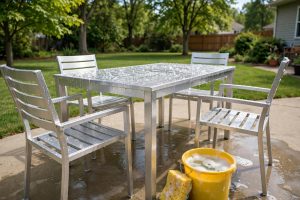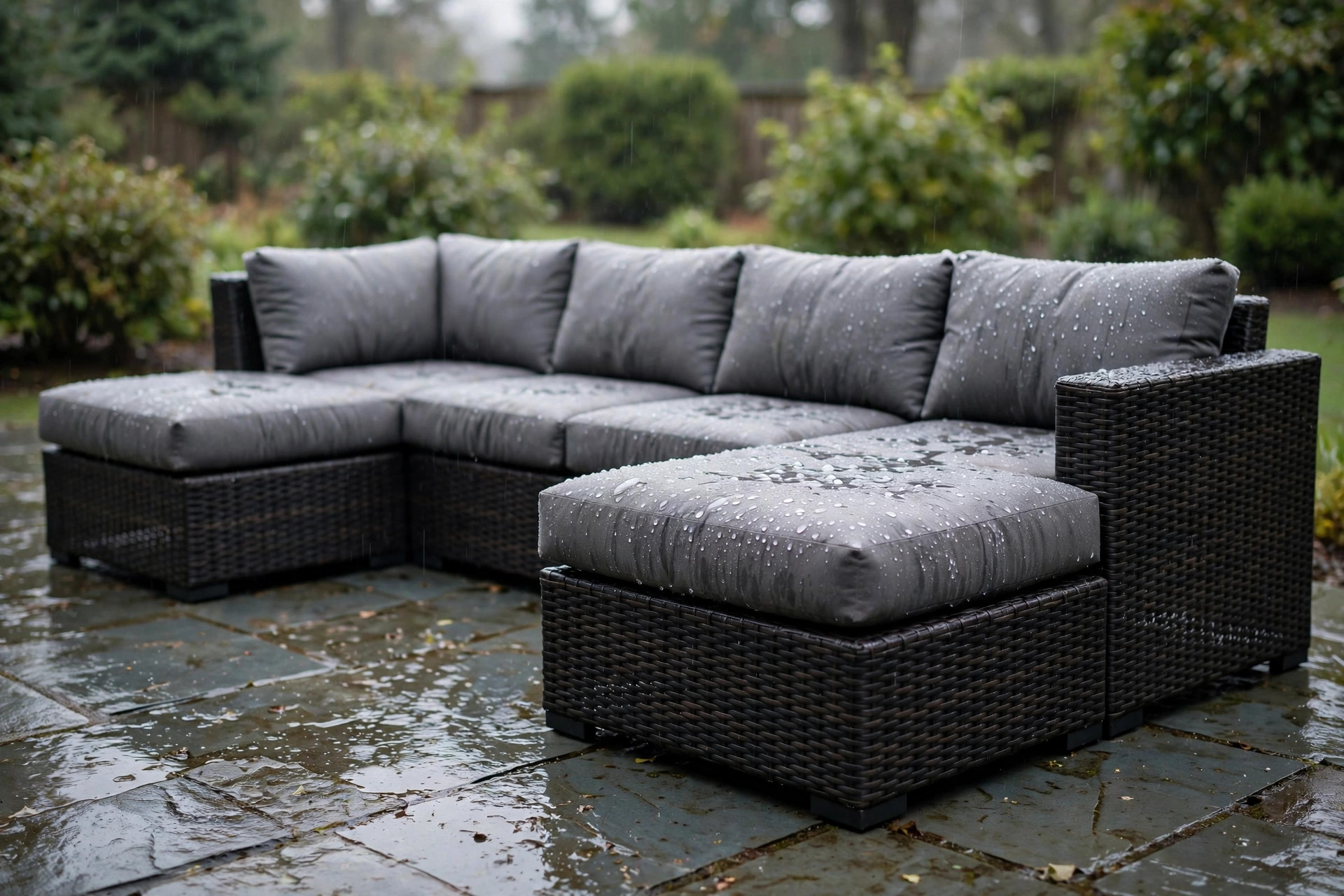

A wet patio does not have to mean a ruined sofa. The best outdoor sectional for rainy weather is built to face storms, morning dew, and humid summer air without losing its comfort or its looks. Many buyers in the United States learn this the hard way. They buy a handsome set in the spring, leave it out through the first big rain, and watch the cushions sag and the frames rust by July. This guide walks you through every choice that matters so your sectional survives years of rain.
Rain is the hardest test for outdoor furniture. A quick shower is one thing. A long rainy season is another. Water seeps into foam, softens wood joints, and eats away at cheap metal finishes. The right sectional fights all three problems at once. It sheds water instead of holding it. It uses frames that do not rust. And it pairs with fabrics that dry fast and resist mold. If you live in a place with frequent rain, these points matter more than style or price.
Why a Rain-Ready Sectional Matters
Most outdoor sectionals are sold as “all weather,” but that phrase means little. Some brands use it for furniture that can stand a little morning dew. Others use it for sets that can sit through a week of storms. The difference shows up in the details. Drainage holes in the frame let trapped water escape. Open-weave bases keep air moving under the cushions. Quick-dry foam lets a soaked seat return to comfort in hours, not days.
Mold is the real enemy. A cushion that stays damp for two or three days will grow mildew, and mildew leaves stains and smells that are hard to remove. Foam that dries slowly also breaks down faster, so the seat feels flat after a single season. A sectional designed for rainy weather uses foam with an open cell structure. Water runs through it instead of pooling inside it. This one feature separates true rain-ready furniture from the rest.
Rust is the second enemy. Steel frames look strong, but once the coating chips, rain finds the bare metal. Aluminum frames do not rust, and that is why they dominate the market for wet climates. Some powder-coated metals hold up well, but aluminum remains the safest choice. Teak and other dense woods also resist rot, though they need oil to keep their color.
Comfort matters too. A rain-ready sectional is useless if no one wants to sit on it. The best designs give you deep seats, soft cushions, and a frame that feels solid. You should not have to choose between durability and comfort. The leading makers offer both.
How to Choose the Right Sectional: Best Outdoor Sectional for Rainy Weather
Start with the frame. Aluminum is the top pick for rainy weather. It is light, strong, and it cannot rust. Powder-coated aluminum adds a layer of paint that resists scratches and sun damage. Resin wicker woven over an aluminum frame is another fine choice. The wicker gives the look of a classic sofa while the metal inside does the real work.
Check how the cushions are made. Look for the words “quick dry” or “reticulated foam” in the product details. This foam has large open cells that let water pass straight through. Standard foam acts like a sponge and takes days to dry. Quick-dry foam drains in minutes and feels dry to the touch in a few hours. Ask about the fabric as well. Solution-dyed acrylic fabrics resist water, sun fade, and mildew. They cost more than basic polyester, but they last much longer.
Measure your patio before you shop. Sectionals come in many sizes, from small two-piece sets to large L-shaped groups. A set that is too large will crowd a small patio and block walkways. For help with tight spaces, see our guide to the best outdoor sectional sofa for small patios. Leave at least two feet of space around the set so you can walk behind it and pull the cushions off after a storm.
Think about drainage. Turn a cushion over and look at the bottom. Mesh panels on the underside let water drip out instead of pooling. Some sets have small drain holes in the frame itself. These small details make a big difference in a rainy climate.
Weight and stability count as well. Light furniture tips over in strong winds, and rainy weather often brings wind. A sectional with a heavier frame or a low center of gravity will stay put. If your patio is exposed, look for sets with anchor points or add weatherproof patio furniture covers heavy duty is a separate topic, but covers remain useful for long storms.
Types of Rain-Ready Sectionals
Resin wicker sectionals are the most common type. They give a warm, classic look and the synthetic weave stands up to rain without cracking or peeling. The best versions use high-density polyethylene, often called HDPE. This material keeps its color in the sun and stays flexible in cold weather. Cheaper PVC wicker becomes brittle and breaks after a few seasons.
Aluminum frame sectionals offer a clean, modern style. The frames come in many colors, from matte black to bronze. They pair well with thick cushions and give a lighter look than wicker. Because aluminum is light, these sets are easy to move when you need to rearrange the patio or bring pieces under cover.
Teak sectionals suit buyers who want natural wood. Teak holds up to rain better than almost any other wood because its natural oils resist water and insects. It costs more than wicker or aluminum, and it turns silver-gray over time unless you oil it. Many buyers like the gray tone. If you prefer the warm brown color, plan to oil the frame once a year.
Metal and mixed-material sets round out the market. Steel frames with a heavy powder coat can work in rainy areas, but inspect the finish every year and touch up chips right away. A related option is the best all weather wicker dining set, which uses the same frame ideas in a dining layout.
Cost and Price Guide
Rain-ready sectionals cost more than basic outdoor sofas, and the extra money is well spent. Expect to pay between 800 and 1,500 dollars for a good three-piece set with quick-dry cushions. Larger L-shaped sets from mid-range brands run 1,500 to 3,000 dollars. Premium teak or designer sets can reach 4,000 dollars or more.
What drives the price? The foam and fabric are the main factors. Quick-dry foam and solution-dyed acrylic fabric add several hundred dollars to the cost of a set. The frame material matters too. Aluminum costs more than steel, and teak costs more than both. Brand name adds a smaller share of the price, though well-known brands often back their sets with longer warranties.
Watch for hidden costs. Replacement cushion covers run 50 to 150 dollars each. A good cover set costs 60 to 120 dollars. Delivery and assembly can add 100 to 200 dollars if the store does not include them. Plan your full budget before you buy.
Sales bring the price down. Late summer and early fall are the best times to shop, as stores clear patio stock. Holiday weekends in May and July also bring strong discounts. A set that lists at 2,000 dollars may sell for 1,400 during a sale.
Care and Upkeep
Good care adds years to any sectional. After a heavy rain, stand the cushions on end so water drains out of the mesh bottoms. Wipe the frames with a dry cloth to remove standing water. This simple habit takes five minutes and prevents most mildew and rust problems.
Wash the fabric once a month during the rainy season. Use warm water and a mild soap, then rinse well. For tough spots, use a soft brush. Let the cushions air dry in the sun before you put them back. Sunlight kills mildew spores and keeps the fabric fresh. Guides on how to clean outdoor furniture cushions cover deeper stains in more detail.
Inspect the frames twice a year. Look for chips in the powder coat and scratches that reach bare metal. Touch them up with paint made for outdoor metal. Tighten any loose bolts. Check the wicker weave for broken strands and tuck or trim them before they unravel.
Store cushions indoors during the worst months if you can. A garage or shed works fine. If the set must stay outside all winter, use breathable covers. Plastic tarps trap moisture and cause mildew, so choose covers made for patio furniture. Adding waterproof outdoor throw pillows for patio gives you color without extra care work, since they resist rain on their own.
Safety Notes
A wet patio is a slippery patio. Place the sectional on a level surface and keep the walking areas clear. Sweep standing water off the deck or pavers after storms. If the set sits on grass, check that the legs do not sink into soft soil after long rains.
Secure the furniture before storms. High winds can move even heavy sectionals. Store loose cushions indoors when a storm is forecast. Tie down or cover the frames if strong gusts are likely. Falling furniture can damage the patio or hurt someone.
Check stability for children and guests. A sectional on an uneven surface can tip. Rock each piece after setup to make sure it sits flat. Keep the back row against a wall or railing on raised decks.
Use cleaning products with care. Harsh bleach can damage fabrics and harm nearby plants. Read the label on any cleaner and rinse well. Keep cleaners out of reach of children and pets.
Frequently Asked Questions
Can I leave my sectional outside in the rain all summer? Yes, if it is built for rain. A set with an aluminum frame, quick-dry foam, and solution-dyed acrylic fabric can stay outside through the season. Bring the cushions in during long, heavy storms to extend their life. For more on protecting furniture between storms, visit the Home Depot outdoor living guides.
How fast should rain-ready cushions dry? Quick-dry foam cushions should feel dry to the touch within four to six hours in warm weather with good airflow. Standard foam can take two to three days. If your cushions stay damp longer than a day, stand them on end and improve air circulation around the set.
Will rain ruin a wicker sectional? High-quality resin wicker stands up to rain well. Natural wicker does not. Check that your set uses HDPE or a similar synthetic weave. After rain, wipe the weave dry and make sure water is not pooling in the seat wells. The team at Polywood explains how modern synthetic materials handle long-term moisture exposure.
What is the best frame material for rainy weather? Powder-coated aluminum is the best all-around choice. It cannot rust, it is light enough to move, and it holds its finish for years. Teak is a strong second choice for those who want wood. Independent reviews at Consumer Reports compare frame materials across many outdoor furniture categories.
Do I still need covers if my sectional is rain-ready? Covers help during the off season and during long storms. Use them to block tree sap, bird droppings, and weeks of nonstop rain. Choose breathable covers made for patio furniture, not plastic tarps. For cover shopping advice, see the buying guides at Bob Vila.
How do I stop mold on outdoor cushions? Dry the cushions fast after rain, wash the fabric monthly, and let sun reach the seats. Open-weave bases and mesh cushion bottoms improve airflow. If mold appears, scrub with a mix of warm water and mild soap, rinse well, and dry in full sun. More care tips are available at The Spruce.
A Final Word
The best outdoor sectional for rainy weather is not the most expensive set on the shelf. It is the set with the right bones: a rust-proof frame, foam that drains, and fabric that dries fast. Buy for your climate, not just for your style. Measure your space, check the cushion details, and plan a simple care routine. Do these things and your sectional will welcome you back to the patio long after the rain has passed. Browse real customer photos and current models at Wayfair, compare prices at Lowe’s, and check modern designs at Article and Frontgate before you decide. For Scandinavian-style options, visit IKEA, and for decorating ideas see HGTV.
References
Article. (n.d.). Modern furniture. https://www.article.com Bob Vila. (n.d.). Home improvement advice. https://www.bobvila.com Consumer Reports. (n.d.). Product reviews and ratings. https://www.consumerreports.org Frontgate. (n.d.). Outdoor furniture and decor. https://www.frontgate.com HGTV. (n.d.). Home and garden ideas. https://www.hgtv.com IKEA. (n.d.). Home furnishings. https://www.ikea.com Lowe’s. (n.d.). Home improvement products. https://www.lowes.com Polywood. (n.d.). Outdoor furniture. https://www.polywood.com The Home Depot. (n.d.). Home improvement products. https://www.homedepot.com The Spruce. (n.d.). Home and garden advice. https://www.thespruce.com Wayfair. (n.d.). Furniture and home goods. https://www.wayfair.com
Was this guide helpful?

About Jennifer Lee
The My Garden US editorial team writes practical, in-depth home and garden guides for American homeowners — tested advice, no fluff.
You May Also Like

Outdoor Side Table with Umbrella Hole: A Practical Guide for Your Patio
October 1, 2026 0 views
How to Shop a Patio Furniture Sale Near Me Clearance Event
January 23, 2026 0 views
Outdoor Bar Cart with Wheels Reviews: What Real Buyers Say
July 20, 2026 0 views