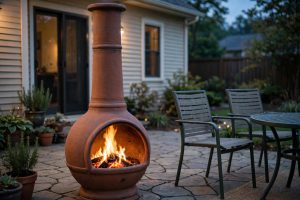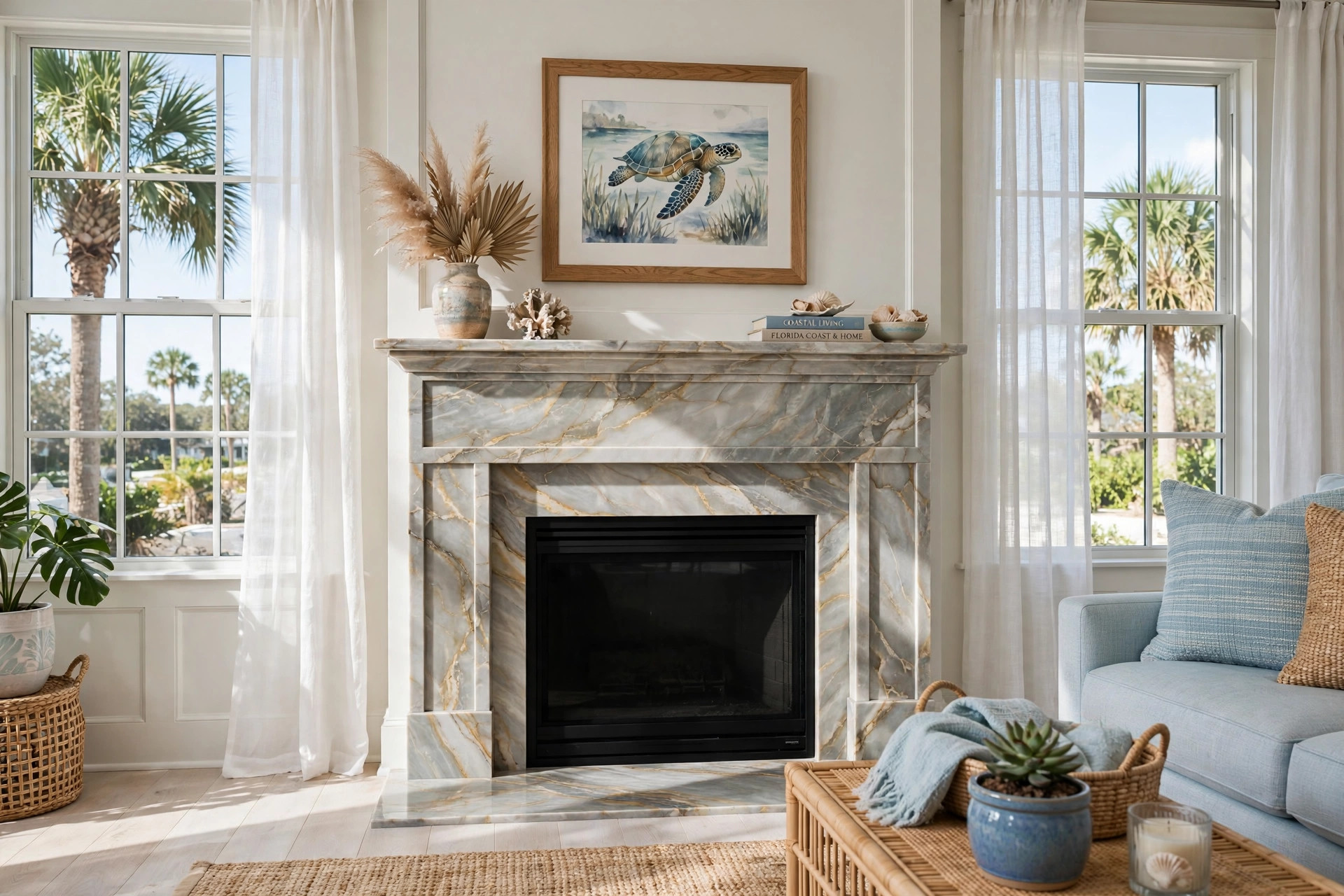

Many buyers in the Sunshine State search for epa certified marble fireplace surrounds for florida homes when they want a fire feature that looks fine and burns clean. A marble surround gives the fireplace a solid, classic face. The EPA certified label points to a heating unit that meets federal rules for low smoke and low particles. Put the two together and you get a fireplace that serves both the eye and the air.
Florida homes rarely need long heating seasons. Yet cool winter nights in the north of the state call for a warm fire now and then. Even in the south, many owners want a fireplace as the center of the room. This guide explains what the EPA label means, how to pick a marble surround, what it costs, how to care for the stone, and how to keep the whole unit safe.
Why It Matters for Florida Homes
A fireplace in Florida is not just a heater. It is a piece of furniture made of stone and steel. It shapes the whole room. A marble surround lifts a plain firebox into a fine focal point. Guests notice it at once. Buyers notice it too, and a well-built fireplace can add to the resale value of a home.
The warm, damp climate of Florida also matters. Marble holds up well in humidity when it is sealed. The stone stays cool to the touch in summer, which suits the state. And because fires burn only a few weeks each year, the surround sees less heat stress than one in a northern home. That makes marble a smart pick for Florida owners.
Clean air rules matter everywhere. Smoke from wood fires can harm the air in a neighborhood. The federal agency that writes these rules posts its standards on its home page, and a visit to the EPA site helps any owner learn the basics. Choosing a certified unit shows respect for the community and keeps the home in line with the law.
What “EPA Certified” Really Means: Epa Certified Marble Fireplace Surrounds for Florida Homes
The term EPA certified belongs to the firebox or stove insert, not to the marble itself. Marble is natural stone. It cannot be certified for emissions. The label means the heating appliance behind the marble meets the emission rules set by the U.S. Environmental Protection Agency.
Those rules limit the tiny particles that rise from a wood fire. Older stoves and open hearths give off heavy smoke. Certified units burn the wood more fully. They use less wood for the same heat. They send far less soot into the air. The label is found on a metal tag fixed to the unit. It lists the model name, the test result, and the year of the standard it meets.
When a store ad says epa certified marble fireplace surrounds for florida homes, read it as a package. The seller pairs a certified firebox with a marble face. Ask for the tag. Ask for the model number. Check that the number matches the label. Honest sellers show this proof at once. If a seller cannot show the tag, walk away.
How to Choose: What to Look For
Start with size. Measure the width of the firebox opening. Measure the height from the hearth to the mantel line. Measure the depth of the room. A surround that is too wide will crowd a small room. A surround that is too narrow will look lost on a big wall. Bring the numbers to the store.
Next, look at the marble. Carrara marble shows soft gray veins on a white ground. Calacatta marble shows bold gold and gray veins. Crema Marfil shows warm beige tones. Dark marbles like Nero Marquina show white veins on black. Pick the tone that fits the floor and the walls. In Florida homes with light tile floors, white and cream marbles often look best.
Check the finish. Polished marble shines like glass. Honed marble has a soft, matte look. Polished stone shows marks more easily. Honed stone hides small wear. Both need sealing. Ask the seller if the slab is already sealed at the shop.
Check the cut. A good surround has clean, straight edges. The veins should line up across the joints. The corners should meet without wide gaps. Run a hand along the edge. It should feel smooth, not sharp.
Finally, match the surround to a certified unit. The firebox must fit the opening the marble leaves. Fireboxes come in fixed sizes. Pick the firebox first or the marble first, but never buy one without the measures of the other. Guides on sites like This Old House give plain advice on measuring a fireplace opening.
Types of Marble Fireplace Surrounds
Full surrounds wrap the firebox on three sides. They include the legs, the header above the opening, and sometimes the mantel shelf. Full surrounds suit large rooms and tall ceilings. They make a strong statement.
Slip surrounds are thin marble panels that sit flat on the wall around the opening. They cost less. They fit small rooms. They still give the look of stone without the deep legs.
Marble overmantels add a stone panel above the mantel shelf up to the ceiling. They draw the eye up. They suit rooms with high ceilings, common in Florida homes.
Corner surrounds fit into the corner of a room. They save wall space. They suit open floor plans where the fireplace floats between the living room and the dining area.
Some owners pair a marble surround with a gas unit instead of a wood unit. Gas units can also carry the EPA style of clean burn, though the rules differ. Others skip the firebox and fit a surround around top rated electric fireplace mantels for looks alone. Marble works with any of these. The stone does not care what makes the flame.
Cost and Price
Marble surrounds cost more than wood or tile. A simple slip surround in honed marble may start near a few hundred dollars. A full surround in Calacatta marble can run into the thousands. The price moves with the size of the slab, the rarity of the stone, and the skill of the cutter.
The certified firebox adds its own cost. A basic certified wood insert may cost about the same as a mid-range appliance. High-end models cost more. Labor for setting the marble and venting the unit adds a third cost. In Florida, labor rates run near the national middle.
Watch for hidden costs. The hearth pad under the unit may need a non-combustible base. The chimney or vent pipe may need a liner. The wall behind the unit may need a heat shield. Ask the installer for one written quote that lists every part and every hour of work. Big retailers such as Home Depot and Lowe’s list both surrounds and inserts with prices, which helps a buyer compare before talking to a local shop.
Do not pick on price alone. A cheap slab with bad veins and crooked cuts will look cheap every day for years. A fair price for good stone is money well spent.
Installation Notes
Marble is heavy. A full surround can weigh several hundred pounds. Two strong workers, sometimes three, must lift and set each piece. Never try to set a marble surround alone.
The floor must hold the weight. Most concrete slab floors in Florida homes hold it with ease. Raised wood floors may need a check by a contractor. The installer should confirm the floor can bear the load before the stone arrives.
The firebox needs a proper vent. Wood units need a chimney or a listed vent pipe that runs to the roof. The pipe must clear the roof by the distance the code requires. Gas units need a gas line run by a licensed fitter. Electric units need only a power outlet, which makes them the simplest fit.
Keep the marble away from direct flame. The surround frames the opening. It should never touch the fire. Follow the clearance numbers printed in the unit manual. These numbers give the safe gap between hot steel and the stone or wall.
Many do-it-yourself guides explain the steps. The Family Handyman site and The Spruce both carry fireplace projects written in plain words. Still, most owners hire a pro for the vent work. A bad vent can send smoke into the house. That risk is not worth the savings.
Care and Upkeep
Marble is easy to care for if you follow a few rules. Dust it with a soft dry cloth each week. Wipe spills at once with a damp cloth and mild soap. Never use vinegar, lemon, or harsh cleaners on marble. Acid eats the polish and leaves dull spots.
Seal the stone once a year. A stone sealer fills the tiny pores in the marble. It stops soot and water from sinking in. Test the seal by dropping a little water on the stone. If the water beads up, the seal holds. If the water sinks in and darkens the stone, it is time to reseal.
Clean the glass of the firebox with a cleaner made for fireplace glass. Regular glass cleaner can leave a film. Clean the inside of the firebox when ash builds up past two inches. A thin bed of ash helps wood burn, but a deep bed chokes the air flow.
Have the chimney swept once a year if you burn wood, even for short seasons. Creosote builds up in the flue. A sweep removes it. This one habit prevents most chimney fires. The safety tips on the CPSC site list the same rule for every fuel type.
Safety
Fire safety starts with the label. Buy only units with the metal certification tag. Keep the manual. Follow its clearance and fuel rules to the letter.
Burn only dry, seasoned wood in a wood unit. Wet wood smokes more and builds creosote faster. Never burn trash, painted wood, or treated lumber. These give off poisons and can damage the unit.
Keep a screen or glass door closed while the fire burns. A fireplace glass doors buying guide can help you pick doors that fit the opening and cut down on sparks. Keep rugs, drapes, and furniture at least three feet from the opening. Teach children that the glass gets very hot.
Fit smoke alarms and a carbon monoxide alarm in the home. Test them each month. Change the batteries each year. These small devices save lives.
In Florida, storm season brings power cuts. A wood unit still works with no power, which is a real plus. Gas units with electric fans may need a battery backup. Know how your unit behaves in a blackout before the storm comes.
Makers such as Napoleon and Heatilator publish manuals and safety sheets for their models. Read the one for your unit. The rules in it override any general advice in this article.
Frequently Asked Questions
Does the EPA certify marble? No. The EPA certifies the heating appliance, not the stone. The marble is a face around the unit. When you shop for epa certified marble fireplace surrounds for florida homes, you are buying a certified firebox dressed in marble. Always check the metal tag on the unit itself.
Will marble crack from the heat of the fire? Marble handles normal fireplace heat well when the unit is installed with the right clearances. The stone should never touch the firebox walls or the flame. Heat shields and air gaps protect it. Poor installation, not the stone, causes most cracks.
Is marble a good choice for humid Florida homes? Yes. Marble does not swell or rot in damp air. Seal it once a year to stop moisture and soot from sinking into the pores. Homes near the coast should rinse salt spray off outdoor stone, but indoor surrounds need only normal care.
Can I use a marble surround with a gas or electric unit? Yes. Marble fits wood, gas, and electric units alike. Many Florida owners pair marble with gas for easy on-off fires, or with electric for looks with no vent at all. Shoppers who want wood burning stoves sold online in Florida can still frame them in marble, since the stone suits any fuel.
How long does a marble surround last? A well-set marble surround can last the life of the house. Stone does not wear out like wood or paint. The seal needs yearly renewal, and a chipped edge can be filled by a stone worker. Barring a hard blow, the marble will outlive the firebox behind it.
Do I need a permit to install one in Florida? Most Florida cities and counties ask for a permit when you add or change a fireplace or vent. The permit makes sure the work meets the fire code. Your installer often pulls the permit for you. Call the local building office before work starts so there are no surprises.
A Final Word
An epa certified marble fireplace surround for florida homes joins two good things: clean, lawful heat and stone that never goes out of style. Pick the unit for its label and its fit. Pick the marble for its color, its cut, and its finish. Hire skilled hands for the vent and the setting. Then seal the stone, sweep the flue, and enjoy the fire on those cool Florida nights. A little care each year will keep the surround bright and the home safe for decades.
References
Family Handyman. (n.d.). DIY home repair and maintenance. https://www.familyhandyman.com Heatilator. (n.d.). Fireplaces and fireplace products. https://www.heatilator.com Lowe’s. (n.d.). Home improvement products. https://www.lowes.com Napoleon. (n.d.). Fireplaces, grills, and heating products. https://www.napoleon.com The Home Depot. (n.d.). Home improvement products. https://www.homedepot.com The Spruce. (n.d.). Home and garden advice. https://www.thespruce.com This Old House. (n.d.). Home renovation guidance. https://www.thisoldhouse.com U.S. Consumer Product Safety Commission. (n.d.). Product safety information. https://www.cpsc.gov U.S. Environmental Protection Agency. (n.d.). Protecting human health and the environment. https://www.epa.gov
Was this guide helpful?

About David Wilson
The My Garden US editorial team writes practical, in-depth home and garden guides for American homeowners — tested advice, no fluff.
You May Also Like
Childproof Fireplace Screens: Reviews and Buying Guide
September 7, 2026 0 views
Energy Efficient Tile Fireplace Surrounds for Sale: A Buyer’s Guide
September 5, 2026 0 views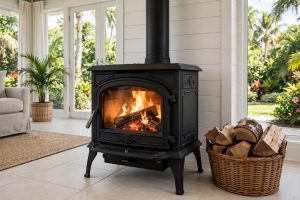
Buying a Wood Burning Stove Online in Florida: A Complete Guide
May 7, 2026 0 views