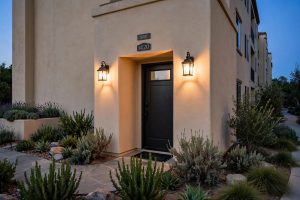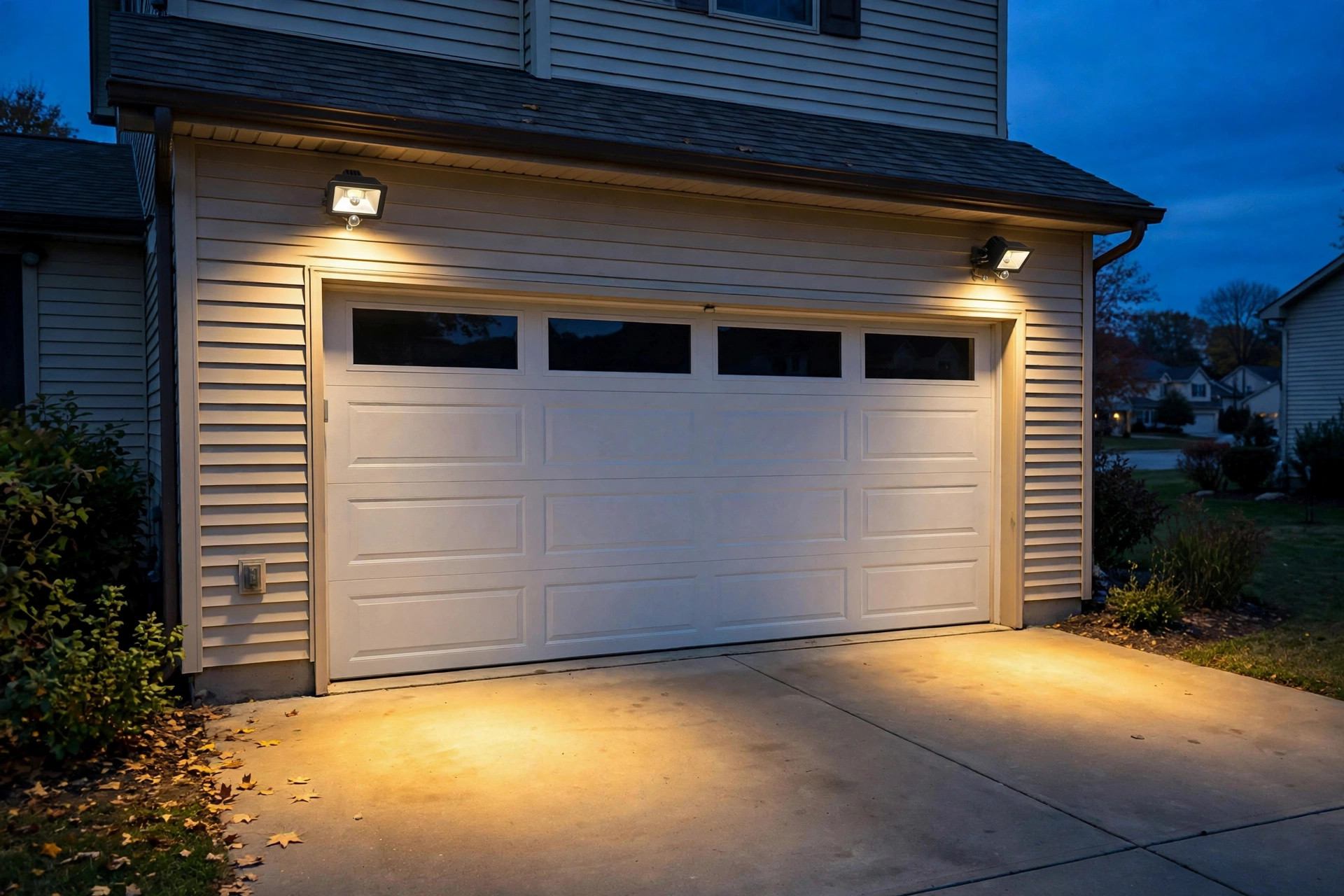

A well lit home feels safe and welcoming. When you look for affordable motion sensor flood lights for sale, you are looking for a simple way to protect your house without spending a large sum. A motion sensor flood light turns on the moment it sees movement and stays dark when nothing moves, so it saves power. It lights the driveway when a car arrives and the walk when a guest steps up at night. It startles anyone who should not be there. This guide explains what these lights are, how to pick the right one, what they cost, and how to install and care for them.
Why Motion Sensor Flood Lights Matter
A dark house attracts trouble. Police officers and security experts have said for many years that good lighting is one of the best ways to protect a home. A burglar looks for a dark yard and a dark door. Bright light removes that cover. When the light snaps on by itself, it tells the person that someone is watching.
Motion sensor lights also help the people who live in the house. You do not fumble for keys in the dark. You see ice on the steps before you step on it. You see a package left by the door. Older folks and children both benefit when paths are bright.
Cost is the next reason. A flood light that burns all night wastes power and money. A motion sensor light only burns when it must. Many models now use LED lamps, which use very little power and last for years. The U.S. Department of Energy offers general guidance on energy efficient lighting for homes. Because the sensor does the switching for you, your power bill stays small while your yard stays safe.
What to Look For: How to Choose: Affordable Motion Sensor Flood Lights for Sale
Shopping for affordable motion sensor flood lights for sale is easier when you know the main parts. Here are the points that matter most.
Brightness, measured in lumens. Lumens tell you how much light the lamp gives. A small porch light may give 300 to 700 lumens. A strong flood light for a driveway gives 1,500 to 3,000 lumens. For most homes, 1,000 to 2,000 lumens per fixture is enough. More than that can blind neighbors or wash out your own yard. If you need broad coverage of a large back yard, pick two fixtures of 1,500 lumens instead of one very bright one.
Detection range and angle. The sensor has a range, often 30 to 70 feet, and an angle, often 180 to 270 degrees. Think about where you will mount the light. A light over a garage should see the full driveway. A light at a side gate needs only a narrow path. Read the box. Cheap models sometimes claim a long range that does not work well in real life, so check buyer reviews on sites like The Home Depot or Lowe’s before you buy.
Adjustable head and sensor. Good budget models let you aim the lamp head and the sensor separately. This matters more than it sounds. You can point the lamp at the walk and the sensor at the yard, so cars on the street do not set it off all night.
Light color, measured in kelvin. Most flood lights come in cool white, about 5,000 kelvin, which is bright and sharp. Warm white, about 3,000 kelvin, looks softer and friendlier. Cool white shows more detail for security. Warm white suits a porch or patio. Pick one style and keep it the same across your house so the yard looks neat.
Power source: wired or solar. Wired models connect to your home power. They are brighter and work in all weather. Solar models have a small panel that charges a battery. They cost less to install because you do no wiring, but they give less light and may fade on cloudy days. For a main entry or driveway, a wired model is usually the better buy. For a shed or a far fence, solar is fine.
Weather rating. Outdoor lights must stand up to rain and snow. Look for an IP rating of IP44 or higher, or words like “weatherproof” and “wet location rated.” This is not the place to cut corners, even on a budget.
Types and Options
Not all flood lights are the same. Here are the common types you will see when you browse affordable motion sensor flood lights for sale.
Single head flood lights. One lamp on a small arm. These suit porches, side doors, and small patios. They are the cheapest option and the easiest to install.
Dual head flood lights. Two lamps on one mount. Each head aims on its own, so one can point at the driveway and one at the walk. This is the most popular type for garages and back doors.
Triple head flood lights. Three lamps for wide coverage. Best for large yards, barns, and commercial sheds. They cost more, but still well under the price of a full security system.
Integrated LED versus bulb socket. Many budget models now have built in LED lamps that cannot be replaced. The lamp lasts 30,000 to 50,000 hours, which is many years of night use. Some models take standard bulbs, so you can change them later. Built in LED models are thinner and often cheaper, but if the lamp fails, you replace the whole fixture. Socket models give you more choice in the future.
Dusk to dawn plus motion. Some lights stay on dimly at night and jump to full brightness when the sensor trips. This gives a constant gentle glow with strong light when needed. It costs a bit more but is kind to neighbors.
Smart flood lights. A few affordable models now connect to home Wi-Fi and send a phone alert when they trip. These blur the line between a light and a security camera. Retailers such as Lamps Plus carry both plain and smart options, so you can compare prices in one place.
Cost and Price
This is where the word affordable earns its place. Prices vary by brightness and features, but most budget models fall in clear bands.
Basic single head LED models sell for about 15 to 30 dollars each. They give 500 to 1,000 lumens and cover a door or small patio. Dual head models, the workhorse of the group, run about 25 to 60 dollars. This is the sweet spot for most buyers. Triple head or very bright models cost 50 to 100 dollars. Solar models often cost 20 to 45 dollars.
Installation cost matters too. Replacing an old fixture takes under an hour and costs nothing. Running a new circuit to a dark corner may cost 150 to 400 dollars from an electrician. This is why many buyers start with spots that already have power, like over the garage or beside the back door, and add solar lights in far corners later.
Running cost is small. A 20 watt LED flood light that trips for two hours a night uses about one kilowatt hour a month. That is pennies. Look for the ENERGY STAR mark when you shop. The ENERGY STAR program lists certified outdoor lights that meet strict efficiency rules.
Where you buy matters. Large home stores, electrical supply shops, and trusted online sellers all carry these lights. Buying online often costs less, but check the return policy. A light that arrives with a weak sensor is not a bargain at any price. If your project includes bigger exterior work, plan the whole job at once. For example, if you are also looking at roof and trim repairs, do the wiring and the trim in the same season so the ladder only comes out once.
Installation: A Step by Step Plan
Most homeowners can install a wired flood light where a fixture already exists. The work is plain and takes about an hour. Always turn off the breaker first. Electricity does not forgive carelessness.
1. Turn off power at the breaker box, not just the switch. Tape a note on the box so nobody flips it back on. 2. Remove the old fixture. Note the wiring: black to black, white to white, green or bare copper to ground. 3. Mount the new bracket to the junction box. Make it tight. A flood light is heavier than it looks. 4. Connect the wires with the wire nuts in the box. Push the wires back neatly. 5. Attach the fixture. Aim the lamp heads roughly where you want them. 6. Turn the power back on. Walk through the detection zone at dusk and adjust the sensor angle. 7. Set the timer dial, usually labeled TIME, to about three minutes. 8. Set the sensitivity dial, usually labeled SENS, to medium. Raise it only if the light misses real motion.
Mount the light eight to twelve feet high for the best mix of coverage and reach. Aim the sensor away from the street, away from heating vents, and away from swaying trees. Heat and moving branches cause false trips, which waste power and annoy the whole block.
Care and Upkeep
Flood lights ask for little care, but a small habit keeps them working for years.
Clean the lens and the sensor window twice a year. Dust, pollen, and spider webs dim the light and fool the sensor. Wipe with a soft damp cloth.
Check the aim once a year. Wind and time loosen the screws. Tighten the knobs and re-aim while a helper walks the path.
Watch for water inside the lens after heavy rain. A little fog is normal and clears by itself. Standing water is not. If you see water pooling, the gasket has failed. Replace the fixture before the wiring corrodes.
Trim bushes and branches away from the sensor. Plants grow. Keep a clear view of the area you want to watch.
Safety
Treat every flood light as an electrical device that lives in the weather.
Never work on a fixture with the power on. Use a non contact voltage tester to double check the wires are dead before you touch them. Testers cost a few dollars and save lives.
Use fixtures rated for wet locations. An indoor fixture mounted outside can short in the rain. The box should say “suitable for wet locations” or show an IP44 rating or better.
Seal the top of the mounting plate with a thin bead of outdoor silicone. This keeps rain from running behind the fixture and into the wall. Leave the bottom edge unsealed so any moisture can drain out.
If you hire help, hire a licensed electrician. The few dollars saved with an unlicensed handyman are not worth a fire. Check that the work matches your local electrical code, especially for outdoor circuits, which often require weatherproof boxes and ground fault protection.
Frequently Asked Questions
How far do affordable motion sensor flood lights see? Most budget models detect motion at 30 to 50 feet, with some reaching 70 feet in ideal conditions. Real range is often shorter than the box claims, so mount the light closer than the maximum rating and test it at night.
Do motion sensor flood lights work in winter? Yes. Cold and snow can shorten the range a little, but heat based sensors look for warm bodies against a cold background, so they work well in winter. Keep the sensor lens clear of snow. Solar models suffer most in winter because short days mean less charging.
Will a motion sensor light trigger for animals? Small animals usually do not trip a well aimed sensor, but a large dog, a raccoon on a fence, or a deer can. Aim the sensor above pet height and keep sensitivity at medium. Point the sensor at walkways and away from gardens where animals roam.
How long do LED flood lights last? A quality integrated LED fixture lasts 30,000 to 50,000 hours of burn time. Since the light only burns when motion trips it, that often means 10 to 20 years. The sensor electronics usually fail before the LED does, so buy from a maker with a real warranty, at least two years.
Can I add a motion sensor to a light I already own? Yes. Standalone screw in motion sensor adapters and add on sensor heads are sold at most home stores. This is a cheap way to test the idea before you buy a full flood light. This Old House has published plain guides on outdoor lighting upgrades for homeowners.
Are wired or solar motion sensor lights better? Wired lights are brighter, more reliable, and better for security. Solar lights are cheaper to install and fine for sheds, fences, and paths far from the house. Many homes use both: wired lights at the doors and garage, solar lights in the far yard.
A Short Final Word
Affordable motion sensor flood lights for sale are one of the best values in home safety. For the price of a family dinner, you can light the driveway, the back door, and the dark side of the house. Pick a dual head LED model with adjustable aim, a 30 to 50 foot range, and a wet location rating. Mount it eight to twelve feet high, aim the sensor with care, and clean it twice a year.
If your project grows beyond lighting, plan the whole exterior at once. A new storm door with a clear cost guide pairs well with a bright entry light, and some shoppers compare siding suppliers in the southwest in the same season. Home improvement writers at The Spruce and Philips lighting resources both note that layered outdoor lighting, entry plus path plus flood, gives the best result for the money.
References
ENERGY STAR. (n.d.). Energy efficient products. https://www.energystar.gov Lamps Plus. (n.d.). Lighting and home decor. https://www.lampsplus.com Lowe’s. (n.d.). Home improvement products. https://www.lowes.com Philips. (n.d.). Lighting products. https://www.philips.com The Home Depot. (n.d.). Home improvement products. https://www.homedepot.com The Spruce. (n.d.). Home and garden advice. https://www.thespruce.com This Old House. (n.d.). Home renovation guidance. https://www.thisoldhouse.com U.S. Department of Energy. (n.d.). Energy efficiency and renewable energy. https://www.energy.gov
Was this guide helpful?

About Emily Rodriguez
The My Garden US editorial team writes practical, in-depth home and garden guides for American homeowners — tested advice, no fluff.
You May Also Like
Pergola Installation Kits Price Comparison USA
February 5, 2026 0 views
Reliable Fence Installation Contractors in the USA: A Homeowner’s Guide
July 10, 2026 0 views
Budget Friendly Fiber Cement Siding Panels Buying Guide
August 22, 2026 0 views