
Why Texas Homes Need a Good Scrubber
Texas homes take a beating. Dust blows in from the plains. Hard water leaves white marks on sinks and tubs. Long hot summers let mold grow in shower corners and grout lines. Many families want to keep their homes clean without spending all of Saturday on their knees with a brush.
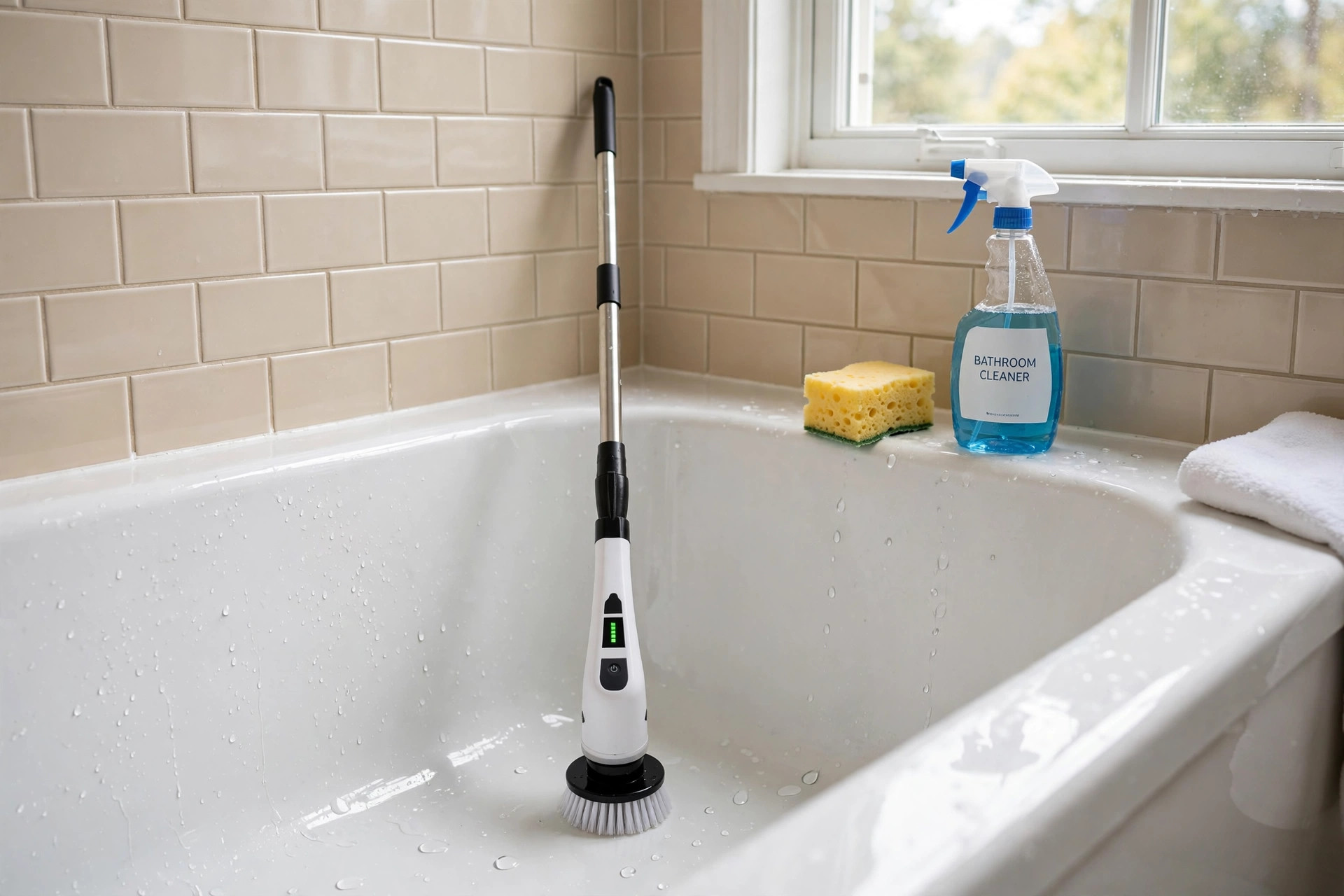
That is where the top rated cordless electric scrubbers for Texas homes earn their place. These small power tools spin a brush head for you. Your arm guides the tool, and the motor does the hard work. They run on a rechargeable battery, so no cord holds you back. You can clean the tub, the tile floor, the kitchen grout, and the patio furniture with one tool.
This guide explains what these scrubbers are, how to choose one, what they cost, and how to keep them in good shape. The aim is plain talk. No hype. Just facts that help you buy with confidence.
What a Cordless Electric Scrubber Is: Top Rated Cordless Electric Scrubbers for Texas Homes
A cordless electric scrubber is a hand-held cleaning tool. It has a motor, a battery, and a spinning head. You attach a brush pad to the head. When you press a button, the head spins or oscillates. The motion scrubs away soap scum, dirt, and stains far faster than a hand brush.
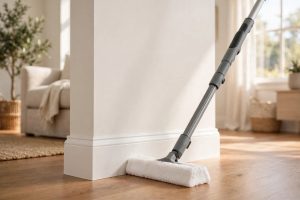
Most models come with several brush heads. A large flat head covers floors and walls. A round dome head fits tubs and sinks. A small cone head reaches into grout lines and tight corners. Some kits add an extension handle so you can clean floors or high shower walls while standing.
The battery charges through a USB cable or a charging dock. A full charge takes two to four hours on most models. Run time on a charge is usually thirty to ninety minutes, which is enough for a full bathroom or kitchen session.
Why It Matters in Texas
Texas brings a mix of cleaning problems that fit this tool well.
Hard water is common across much of the state, from Dallas to El Paso. Minerals in the water leave crusty white or green deposits on faucets, shower doors, and tile. A spinning brush with a little vinegar-based cleaner cuts through that film much faster than a rag.
Heat and humidity are a second factor. Gulf Coast cities like Houston and Corpus Christi see months of damp air. Bathrooms stay moist. Mold and mildew love grout lines and shower corners. Regular use of a scrubber keeps these spots from taking hold. For damp corners, readers in humid regions may also want to see the best tools for baseboard cleaning in humid climates.
Dust and grit are a third factor. West Texas wind carries fine dust into homes. It settles on tile and in kitchens. A scrubber with a soft pad lifts this film without scratching.
Finally, many Texas homes have large tile areas. Entryways, kitchens, and bathrooms often run floor to ceiling in tile. Hand scrubbing all that grout is slow and painful. A power scrubber turns a two-hour job into a thirty-minute job.
What to Look for Before You Buy
Not every scrubber is built the same. The top rated cordless electric scrubbers for Texas homes share a few traits. Look for these points when you compare models.
Power and Battery Life
Motor speed is often listed in RPM, or revolutions per minute. Most home models run between 300 and 500 RPM. That range is strong enough for soap scum and grout. Higher speed helps with stubborn stains but can wear soft brush heads faster.
Battery life matters more than top speed. A tool that dies after twenty minutes will frustrate you. Look for at least forty-five minutes of run time. Lithium-ion batteries hold a charge longer and keep full power until they run down. Older nickel batteries fade as they drain. Most new models use lithium-ion.
Charge time should be reasonable. Three hours or less is fine. A battery level light is a useful feature. It tells you when the tool is getting weak so you can plan your cleaning.
Brush Heads and Reach
Count the heads in the box. A good kit includes at least three: a flat head for large areas, a round head for tubs and sinks, and a cone or corner head for grout. Replacement heads should be easy to buy. Check that the brand sells them separately before you buy the tool.
Reach is the next point. An extension handle helps you clean shower walls and floors without bending. A pivoting head is also useful. It lets the brush stay flat against the surface even when you hold the tool at an angle.
Water Resistance
You will use this tool around water. It must handle splashes. Look for an IPX rating on the box or listing. IPX5 or higher means the tool can take strong splashes. Some models are fully sealed and can run under running water. A sealed body also keeps moisture out of the motor, which adds years to its life.
Weight and Grip
A heavy tool tires your hand. Most home scrubbers weigh between one and two pounds. A rubber grip helps you hold it when your hands are wet. If you have wrist or hand trouble, pick a lighter model with a wide handle.
Cleaning Power Versus Noise
Powerful motors make noise. Most scrubbers hum at about the level of an electric toothbrush. If noise bothers you, read buyer reviews for notes on sound. Independent product tests, such as those published by Consumer Reports, often measure noise along with cleaning power.
Types of Cordless Electric Scrubbers
Shops divide these tools into a few basic types.
Handheld scrubbers are the smallest. They fit in one hand. They work well for sinks, tubs, and small tile patches. They are also the cheapest.
Pole scrubbers have a long handle. The brush head sits at the end. You clean floors and high walls while standing. They cost more but save your back.
Multi-head kits sit in the middle. They give you a short handle plus an extension pole. You get both modes in one box. These kits are popular with Texas buyers because one tool covers the kitchen, the bathrooms, and the patio.
Spin mops are a cousin of the scrubber. They use a spinning mop pad rather than a brush. They suit large tile floors but are poor for grout lines. If your main job is grout, stick with a true scrubber.
For buying advice and side-by-side comparisons, home sites like The Spruce and Bob Vila publish regular cleaning-tool roundups. The cleaning experts at Good Housekeeping also test scrubbers in their labs.
How to Use One Well
A scrubber works best with the right method. Wet the surface first. Warm water loosens dirt. Apply your cleaner and let it sit for two or three minutes. Then run the brush over the area with light pressure. Let the motor do the work. Pressing hard wears the brush and strains the motor.
Work in small sections. Overlap your passes. For grout lines, use the cone head and move slowly along the line. Rinse the surface when you finish. Wipe it dry if you want to avoid water spots.
On delicate surfaces, test first. Natural stone, like marble, scratches easily. Try the brush on a hidden spot. If it leaves marks, use a softer pad or clean by hand. The care guides at Family Handyman and This Old House offer good advice on matching cleaners to surface types.
What They Cost in 2026
Prices have settled into clear bands. Basic handheld models start around twenty-five to forty dollars. They include two or three heads and a USB charger. They suit light jobs in small homes.
Mid-range kits run from forty to eighty dollars. These include more brush heads, an extension pole, and a longer battery life. Most Texas buyers land in this band. The value is strong.
Premium models cost eighty to one hundred fifty dollars. They offer faster motors, longer run times, waterproof bodies, and charging docks. They suit large homes with lots of tile.
Replacement brush heads cost five to fifteen dollars for a pack. Budget for new heads once or twice a year with regular use.
Big-box retailers like Home Depot, Lowe’s, and Walmart stock all three price bands, so you can compare them in person before you buy.
Care and Upkeep
A scrubber lasts for years if you care for it. Rinse the brush heads after each use. Pull out hair and fibers that wrap around the shaft. Let the heads air dry before you store them. A damp brush left in a closed box grows mildew.
Wipe the tool body with a damp cloth. Do not soak the motor housing unless the maker says it is waterproof. Charge the battery before you store the tool for a long time. A lithium battery stored fully drained can lose capacity.
Replace worn heads. A flat or frayed brush cleans poorly and can scratch. Check the heads every few months. Buy spares from the same brand so the fit stays tight.
For broader home maintenance routines, including how scrubbing fits into a seasonal cleaning plan, see the guides at The Spruce or the project library at This Old House.
Safety Notes
Electric tools and water demand respect. Never charge the tool while you are using it. Keep the charger dry and plug it into a GFCI outlet in bathrooms. A GFCI outlet cuts power fast if water causes a fault.
Keep cleaners safe as well. Do not mix bleach with vinegar or ammonia. The fumes can harm your lungs. Read the cleaner label before you pair it with your scrubber. The EPA publishes guidance on choosing safer cleaning products for the home.
Store the tool where children cannot reach it. The spinning head can pinch small fingers. Remove the brush head before you store the tool if young children are in the house.
Wear gloves when you use strong cleaners. Many bathroom cleaners irritate skin. Eye protection is wise when you scrub overhead tile. A splash of cleaner in the eye is no small matter.
If your home also has shedding pets adding to the cleaning load, a dedicated pet hair tool can save your scrubber for the hard jobs. See our guide to pet hair removal tools. And if dust mites are part of the problem, mattress covers with buying guidance can help keep bedrooms cleaner between deep cleans.
FAQ
How long does a cordless electric scrubber battery last?
Most models run thirty to ninety minutes on a full charge. Mid-range and premium models reach the top of that range. For a typical Texas bathroom, forty-five minutes is enough. Charge time is usually two to four hours.
Can it clean grout lines well?
Yes. Grout is one of the best uses for these tools. Use the small cone head. Apply a grout-safe cleaner. Move slowly along each line. The spinning head lifts dirt that a rag leaves behind.
Will it scratch my tub or tile?
It depends on the head and the surface. Hard brushes can scratch acrylic tubs and soft stone. Use the softest head that gets the job done. Test on a hidden spot first. Ceramic tile and porcelain stand up well to medium brushes.
Is it worth buying if I already have a mop?
A mop and a scrubber do different jobs. A mop spreads water over large floors. A scrubber attacks stuck-on dirt, soap scum, and grout stains. Many Texas homes with tile floors benefit from both.
How often should I replace the brush heads?
With weekly use, plan on new heads every three to six months. Signs of wear include flattened bristles, fraying, and poor cleaning. Replacement packs are cheap, so do not run worn heads.
Can I use it outdoors on patio furniture?
Yes, if the tool has a water-resistant body. Many owners use scrubbers on plastic and metal patio furniture, grill exteriors, and even car wheels. Rinse the heads well after outdoor use so grit does not carry back inside.
A Final Word
The top rated cordless electric scrubbers for Texas homes are simple tools that solve real problems. Hard water, humidity, dust, and long stretches of tile all yield to a spinning brush and a little cleaner. Pick a model with a strong battery, several heads, and a sealed body. Use it with light pressure. Keep the heads clean. Your bathrooms and kitchen will look better, and your arms will thank you.
References
Bob Vila. (n.d.). Home improvement advice. https://www.bobvila.com Consumer Reports. (n.d.). Product reviews and ratings. https://www.consumerreports.org Family Handyman. (n.d.). DIY home repair and maintenance. https://www.familyhandyman.com Good Housekeeping. (n.d.). Product reviews and home advice. https://www.goodhousekeeping.com Lowe’s. (n.d.). Home improvement products. https://www.lowes.com The Home Depot. (n.d.). Home improvement products. https://www.homedepot.com The Spruce. (n.d.). Home and garden advice. https://www.thespruce.com This Old House. (n.d.). Home renovation guidance. https://www.thisoldhouse.com U.S. Environmental Protection Agency. (n.d.). Protecting human health and the environment. https://www.epa.gov Walmart. (n.d.). Everyday low prices. https://www.walmart.com
Was this guide helpful?

About James Carter
The My Garden US editorial team writes practical, in-depth home and garden guides for American homeowners — tested advice, no fluff.
You May Also Like
Affordable Wet Dry Shop Vacuums With Free Shipping: A Buyer’s Guide
July 5, 2026 0 views
Top Rated Roof Moss Removal Services Reviews: What Homeowners Should Know
February 16, 2026 0 views
Quiet Dust Mite Mattress Covers With Free Shipping: A Simple Buying Guide
March 26, 2026 0 views