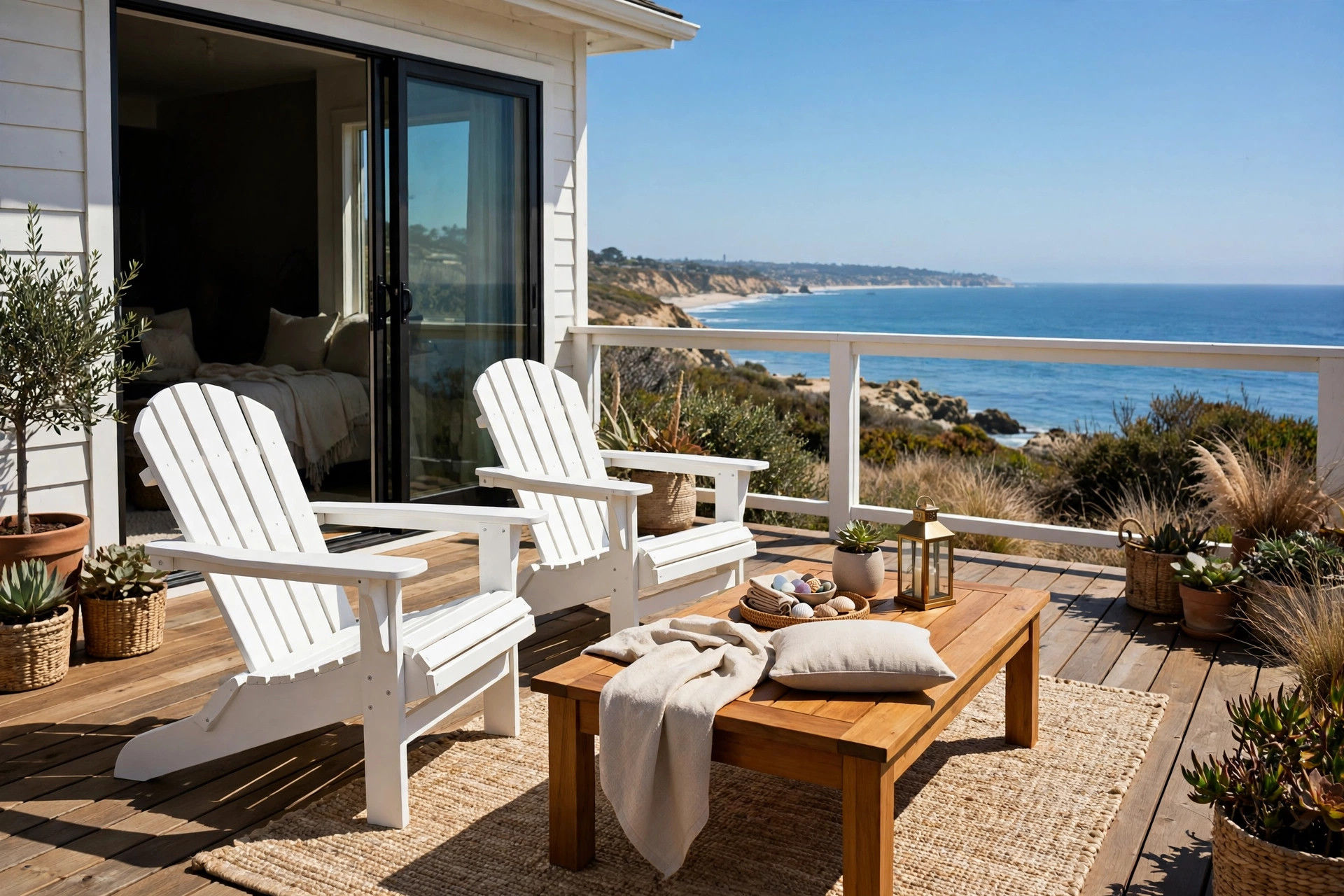

A beach house asks more of its furniture than most homes do. Salt hangs in the air. The sun beats down for hours. Wind drives sand into every crack. Chairs and tables that would last ten years in a quiet suburb can fall apart in two summers by the sea. That is why the search for the best patio furniture for beach house life is not only about looks. It is about choosing pieces that can face the coast and keep their shape.
This guide walks through the choices in plain terms. It covers the materials that survive near salt water, the styles that fit a beach house, what to expect on price, and how to keep the furniture in good order. It also answers the questions buyers ask most often. The aim is simple. Help you buy once and buy well.
Why Beach House Furniture Is Different
The coast is hard on outdoor furniture in three ways. Salt, sun, and sand work together, and each one takes its toll.
Salt air settles on metal and starts rust. Steel frames corrode first. Cheap hardware, such as screws and bolts, goes even faster. A chair that looks fine in spring can show orange stains by August. Sunlight breaks down plastic and fades fabric. Ultraviolet rays are strong at the shore because water reflects them. A cushion that keeps its color inland can turn pale and brittle at the beach in a single season. Sand is the third enemy. It scratches surfaces, jams moving parts, and holds moisture against wood and metal.
Regular patio sets are not made for this. Many use plain steel frames and thin paint. They look good in the store. They fail fast by the water. The best patio furniture for beach house owners uses salt-proof materials from the start. It costs more at first. It lasts much longer.
What to Look for in Beach House Patio Furniture: Best Patio Furniture for Beach House
Materials That Resist Salt
Some materials take the coast in stride. Teak is the classic choice. It is a dense hardwood with natural oils that fight rot and insects. Teak weathers to a soft silver gray if left alone. Many owners like that look. Others oil it to keep the warm brown tone. Grade A teak is the best grade. It comes from the heart of the tree and holds up longest.
Powder-coated aluminum is another strong pick. It is light, so pieces move easily in wind. The coating seals the metal from salt. Look for marine-grade finishes. They hold up better than standard paint. Stainless steel also works well. Grade 316 stainless resists salt best. It is heavy and costs more, but it is built to last.
High-density polyethylene, often called HDPE, is the plastic worth buying. It does not crack like cheap plastic. It does not splinter like wood. Many HDPE sets mimic the look of painted wood. They need almost no care. Rope and resin wicker can also work if the frame under it is aluminum and the weave is meant for outdoors.
Avoid plain steel and iron. They rust quickly by the sea. Avoid thin PVC and low-grade plastic. They become brittle in sun.
Cushions and Fabric
Cushions face the worst of the sun and salt. Choose solution-dyed acrylic fabrics. The color goes all the way through the fiber, so it fades slowly. Such fabric also resists mildew, which matters in damp coastal air. Quick-dry foam inside the cushion helps water drain after rain. Ties and zippers make covers easy to remove and wash.
Lighter colors show sand less and stay cooler in the sun. White, sand, and pale blue fit the beach house look well. Dark fabrics absorb heat and can become too hot to sit on at midday.
Build Quality
Check the joints. Welded frames beat frames held by bolts alone. Look for stainless steel hardware. Test the chairs for wobble. Lift a piece and feel its weight. Very light sets blow over in coastal wind. A little heft is a good sign.
Types and Options for a Beach House
Adirondack Chairs
The Adirondack chair is almost made for the beach house. Its wide arms hold drinks and books. Its slanted back invites long sits. For coastal use, choose HDPE or teak versions. HDPE Adirondacks never need paint. They wash clean with a hose. Teak ones gain character as they age. If tall guests visit often, look into the best adirondack chair for tall people to find models with deeper seats and higher backs.
Sectionals and Deep Seating
For larger patios, an outdoor sectional sofa for a small patio or full-size sectional gives plenty of room. Modular pieces let you change the layout. Aluminum frames with quick-dry cushions are the practical choice. Measure your space first. Leave room to walk around each piece.
Dining Sets
Beach house dining sets should seat the crowd without crowding the deck. A table for six or eight serves most families. Teak dining tables age gracefully. Aluminum sets are lighter to move. Umbrella holes help on bright days. For budget-friendly picks, read up on the affordable outdoor dining table for eight before you shop.
Loungers and Daybeds
For the quiet corner of the deck, a lounger or daybed is hard to beat. Choose frames that fold or stack for storm days. Mesh fabric dries fast and stays cool.
Cost and Price
Beach-ready furniture costs more than ordinary patio sets. The numbers below are rough ranges for new sets in the United States.
A pair of HDPE Adirondack chairs runs from 300 to 800 dollars. Teak versions cost 600 to 1,500 dollars for a pair. A full teak dining set for six can reach 2,500 to 6,000 dollars. Aluminum dining sets for six run 800 to 2,500 dollars. A quality aluminum sectional with cushions starts near 1,500 dollars and can pass 5,000 dollars at the high end. Loungers range from 150 to 600 dollars each.
Covers add 50 to 200 dollars per piece. Do not skip them. A good cover doubles the life of cushions and slows wear on frames. Weatherproof patio furniture covers for heavy duty use are worth comparing before the storm season starts. A spare set of covers pays for itself when a sudden storm rolls in and guests help you tie everything down.
Shipping and assembly add cost too. Many sets arrive in flat boxes. Teak sets are heavy. Plan for two people to carry and build them. Save the instructions and spare bolts in a labeled bag. You will thank yourself at the next retightening.
Care and Upkeep
Good care stretches the life of any set. The beach demands a simple routine.
Rinse furniture with fresh water every week or two. Salt leaves a film that eats at finishes. A garden hose does the job. For wood, use mild soap and a soft brush once a season. Teak needs no oil to survive, but annual oiling keeps the color rich if that matters to you.
Wash cushion covers in the machine when the maker allows it. Store cushions inside during storms and off-season. If you must leave them out, stand them on edge so water drains. Tighten bolts each spring. Coastal wind loosens hardware fast.
Covers help more than any other single step. Put them on when the furniture is not in use. They block sun, salt, and sand. Choose covers with vents so trapped moisture can escape.
At the end of the season, deep clean every piece. Store small items indoors if you can. For large items, cover them well and tie the covers down against wind. Check ropes and straps before the first big storm of fall. A cover that blows off is worse than no cover at all, because wet sand can grind under the loose fabric.
Safety
Safety on a beach house patio starts with stability. Anchor tall pieces such as umbrellas in heavy bases. A 50-pound base is the minimum for a standard umbrella. Bring umbrellas down when wind picks up. A flying umbrella can break railings and hurt people.
Check decks and stairs for loose boards before each season. Heavy furniture can hide damage underneath. Keep grills and fire pits at a safe distance from wood furniture and railings. Follow the maker’s clearance rules.
Watch the wind. Beach gusts can lift chairs and flip tables. Store lightweight pieces or stack them on calm days before a storm. Do not leave glass-topped tables uncovered in hail season. A cracked top is a sharp hazard.
For homes with small children, the U.S. Consumer Product Safety Commission offers guidance on outdoor product safety. Keep an eye on painted surfaces. Old paint on used furniture may contain lead. Test before you sand.
Where to Shop
Most buyers start online. Wayfair carries a wide range of coastal styles and many customer reviews. IKEA offers simple, affordable pieces that suit small beach decks. For product ratings and long-term test results, Consumer Reports is a trusted source.
Local patio stores let you sit in the furniture before you buy. That matters. Comfort is hard to judge from photos. Ask the store about salt-air warranties. Some makers exclude coastal damage. Read the fine print.
Before you buy, measure your deck twice. Note door swings, stair edges, and railing lines. Leave at least three feet of walking space around dining tables. Small decks do better with fewer, lighter pieces that can stack. Large decks can take a full seating group plus a dining set. A simple paper sketch of the layout saves costly returns.
FAQ
What is the best material for patio furniture at the beach?
Teak, powder-coated aluminum, HDPE, and marine-grade stainless steel rank highest. They resist salt, sun, and moisture. Plain steel and cheap plastic rank lowest. They fail fast in coastal air.
How long should beach house patio furniture last?
Quality pieces last 10 to 20 years with care. Teak frames can last 25 years or more. Cheap steel sets may last only one or two seasons by the sea. Covers and rinsing add years to any set.
Is teak worth the cost for a beach house?
For many owners, yes. Teak needs little care and ages well. It costs more up front but outlasts cheaper wood. If the budget is tight, HDPE gives a similar look at a lower price with almost no upkeep.
How do I stop my patio furniture from rusting?
Choose rust-proof materials from the start. Rinse salt off weekly. Touch up scratches in the finish before they spread. Use covers. Store metal pieces indoors during the off-season.
What color furniture is best for a beach house?
White, sand, light gray, and soft blue fit the coastal look. Light colors stay cooler in the sun and hide sand. Dark colors absorb heat and show salt stains more clearly.
Should I leave patio furniture out all winter at the beach?
It is better to store it. Winter storms bring the worst salt spray and wind. If storage is not possible, clean each piece, tighten all hardware, and cover it with vented, tied-down covers.
A Short Final Word
The best patio furniture for beach house life balances three things. It must stand up to salt, sun, and sand. It must suit the way your family uses the deck. And it must fit the budget without false savings. Buy the best materials you can afford. Care for them with a simple routine. The furniture will repay you with years of slow mornings and long evenings by the water.
References
Consumer Reports. (n.d.). Product reviews and ratings. https://www.consumerreports.org IKEA. (n.d.). Outdoor furniture. https://www.ikea.com U.S. Consumer Product Safety Commission. (n.d.). Outdoor product safety. https://www.cpsc.gov Wayfair. (n.d.). Outdoor furniture and patio. https://www.wayfair.com
Was this guide helpful?

About Lisa Anderson
The My Garden US editorial team writes practical, in-depth home and garden guides for American homeowners — tested advice, no fluff.
You May Also Like

Best Patio Cooler for Outdoor Parties: A Plain Buying Guide
August 3, 2026 0 views
Best Outdoor Recliner Chair for Patio: A Plain Buyer’s Guide
February 4, 2026 0 views
Outdoor Bar Cart with Wheels Reviews: What Real Buyers Say
July 20, 2026 0 views