
Introduction
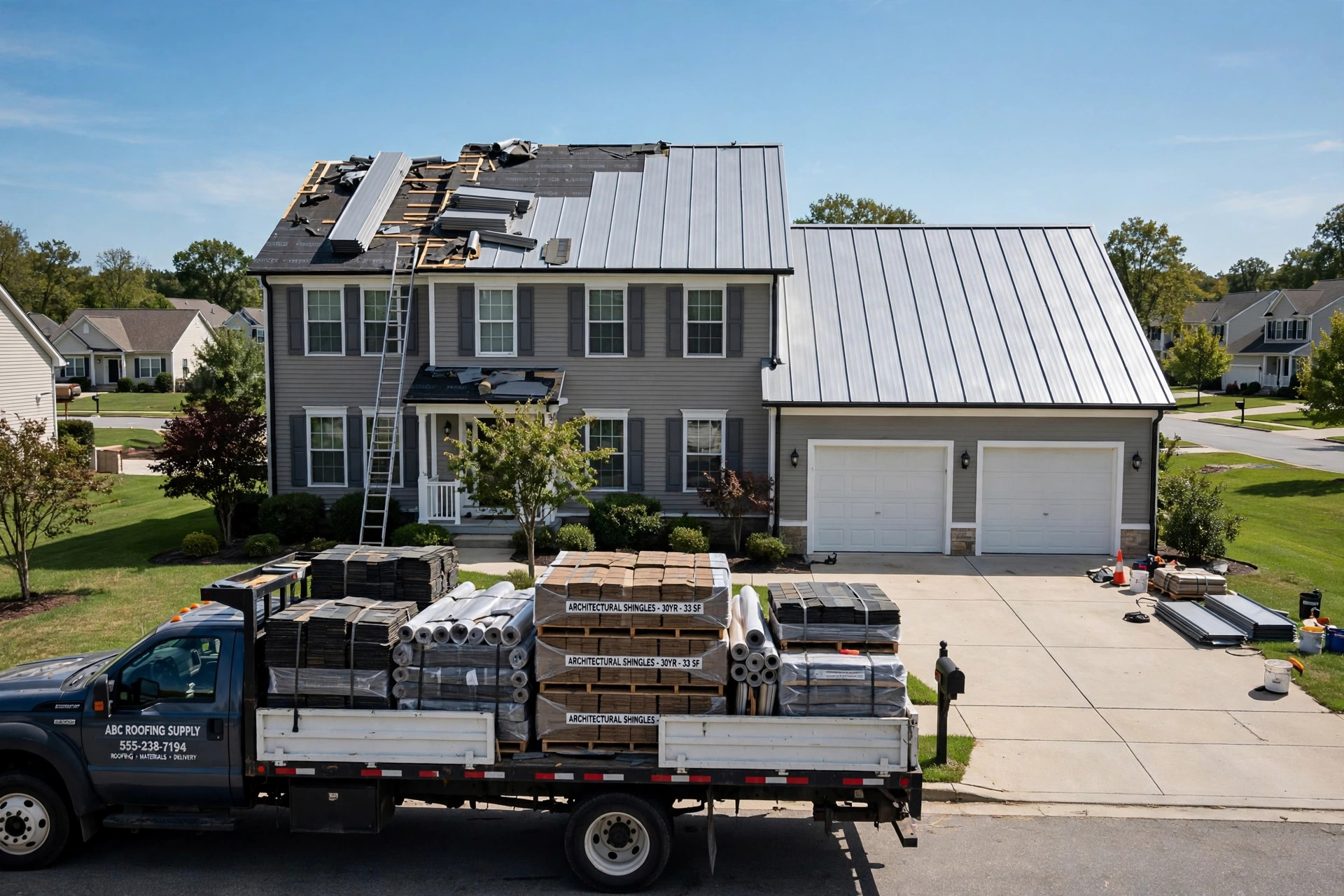
When your roof starts to leak, curl, or lose its strength against storms, finding weather resistant roof replacement contractors near me becomes one of the most important searches a homeowner can make. A roof is the first line of defense for your house. It keeps out rain, wind, snow, and heat. When it fails, the damage can spread fast to walls, ceilings, and even the foundation.
A weather-resistant roof is built to handle the worst that nature can bring. It uses strong materials, solid installation methods, and smart design choices. But even the best material will fail if the installer does a poor job. That is why choosing the right contractor matters just as much as choosing the right shingle or panel.
This guide walks you through the whole process. It explains why weather resistance matters, how to pick a good local contractor, which roofing types hold up best, what a new roof costs, and how to care for it after the work is done. By the end, you will know how to search for and hire weather resistant roof replacement contractors near me with confidence.
Why a Weather-Resistant Roof Matters: Weather Resistant Roof Replacement Contractors near Me
Every part of the United States faces its own weather threats. Coastal homes deal with high winds and salt spray. Southern states face heavy rain and hurricanes. The Midwest gets hail. Northern homes carry heavy snow loads. A standard roof may look fine on a calm day, but storms expose every weak spot.
Weather-resistant roofing is rated to stand up to these threats. Shingles and panels go through wind tests that measure how much force they can take before lifting. Many carry ratings of 110 to 130 miles per hour or more. Impact-resistant shingles are tested with steel balls dropped from height to copy hail strikes. Fire ratings show how well a material resists embers from wildfires.
A weak roof costs more over time. Each small leak can lead to mold inside the walls. Each missing shingle lets water soak the deck boards under it. Repairs add up year after year. A full replacement with weather-rated materials breaks that cycle.
The main lesson is simple. Your roof is not just a cover. It is a working shield. Investing in weather resistance protects your home, your wallet, and your peace of mind.
How to Choose the Right Contractor
Searching for weather resistant roof replacement contractors near me will bring up a long list of names. Not all of them are equal. Take time to check each one before you sign.
License, Insurance, and Credentials
A good contractor holds a state or local license for roofing work. Licensing rules differ by state, so check what your state requires. Ask for the license number and confirm it with the licensing board.
Insurance is just as important. The contractor should carry general liability insurance and workers’ compensation. If a worker gets hurt on your property or the crew damages your home, insurance covers it. Never hire a roofer who cannot show proof of both.
Look for factory certifications as well. Major makers like GAF and Owens Corning certify contractors who meet their training standards. Certified installers can offer longer warranties on both materials and labor. These programs are a strong sign of skill.
Local Experience and References
Choose a contractor who works in your area full time. Local roofers know the local building codes. They know which materials handle your region’s weather best. They also have a local reputation to protect, which keeps them honest.
Ask for at least three references from recent jobs near you. Call those homeowners. Ask if the crew showed up on time. Ask if the job stayed on budget. Ask if the site was left clean. Honest answers tell you more than any ad can.
Read online reviews with a careful eye. A few bad reviews are normal for any busy company. Look at how the company answers them. A contractor who replies calmly and fixes problems shows good character.
Getting and Comparing Bids
Get at least three written bids. Each bid should list the materials by brand and model, the scope of work, the start and finish dates, the payment schedule, and the warranty terms. A bid that just says “new roof, $12,000” tells you nothing.
Be wary of bids that are far lower than the rest. Cheap bids often mean cheap materials, uninsured labor, or skipped steps like proper underlayment. A roof that costs less today can cost far more in repairs later. The guides at This Old House offer sound advice on reading bids and contracts for home projects.
Types of Weather-Resistant Roofing
Contractors today offer many strong options. Each has its own strengths, costs, and look. Here are the main choices you will see when you meet with weather resistant roof replacement contractors near me.
Asphalt Shingles
Asphalt shingles are the most common roofing in America. Architectural or dimensional shingles are thicker and stronger than old three-tab styles. Many carry high wind ratings and Class 4 impact ratings for hail. They cost less than other options and come in many colors. For more detail on top products, see our guide to top rated asphalt shingle roofing for usa homes. A good asphalt roof lasts 20 to 30 years with proper care.
Metal Roofing
Metal roofs are some of the toughest options you can buy. Standing-seam steel and aluminum panels resist wind speeds up to 140 miles per hour. They shed snow and rain fast. They do not rot or crack. They can last 40 to 70 years. Metal costs more up front, but the long life makes it a smart buy. Read our metal roofing installation cost guide usa to see typical price ranges.
Clay and Concrete Tile
Tile roofs are heavy and strong. They handle heat, wind, and fire well. They are common in the Southwest and Florida. Tile can last 50 years or more. The weight means your home’s frame must be strong enough to carry it.
Slate
Natural slate is one of the longest-lasting roofs made. It can serve for 75 to 100 years. It resists fire, wind, and water. The main drawback is cost. Slate is among the most expensive options, and it needs skilled installers. It also weighs a lot, so the frame must be checked.
Synthetic and Composite Shingles
Synthetic shingles copy the look of slate or wood shake but weigh less and cost less. Many carry high impact and wind ratings. They resist rot and insect damage. For historic homes that want a classic look with modern strength, composites are a good middle path.
Wood Shake
Wood shake gives a warm, natural look. In its plain form, it is not the best for fire or severe weather. Treated shakes with fire ratings are available, but they need more upkeep than other choices.
Cost and Price of Roof Replacement
A new roof is a large purchase, so it helps to know what drives the price. The national average for a full roof replacement runs from about $8,000 to $20,000 for a typical home. Large homes, steep roofs, and premium materials push the number higher.
Size is the biggest factor. Roofers price by the square, which is 100 square feet. More squares mean more materials and more labor hours. A simple ranch roof costs less per square than a steep, cut-up roof with many valleys and dormers.
Material choice comes next. Asphalt shingles are the least costly. Metal, tile, and slate cost two to four times more installed. The Family Handyman cost guides break down how materials and labor add up on real projects.
Labor makes up about half of most bids. Removing old layers adds cost. Most homes have one or two shingle layers. If the crew must strip them, that takes time and dump fees. The Family Handyman cost guides break down how materials and labor add up on real projects.
A new weather-resistant roof raises home value and can cut insurance costs. In hot markets, buyers pay more for a home with a new roof and a transferable warranty.
Care and Upkeep After Installation
A new roof is not the end of the story. Simple care keeps it strong for its full life. Plan on these habits.
Inspect the roof twice a year, in spring and fall. Look from the ground with binoculars or from a ladder at the edge. Never walk on the roof unless you know how to do it safely. Look for missing, cracked, or curling shingles. Check for loose flashing and clogged valleys.
Clean the gutters and downspouts at least twice a year. Clogged gutters push water back under the shingles. That water rots the deck and invites leaks. This is a small chore that prevents big repairs. Also check the roof edge trim; our guide to weather resistant soffit and fascia repair for homeowners explains what worn boards look like.
Trim tree limbs that hang over the roof. Falling branches crack shingles. Rubbing limbs wear away the surface. Leaves trap moisture. Keep branches at least six feet back from the roof edge.
After big storms, do a quick check. Look for debris on the roof and damage in the yard. Call your contractor if you see missing shingles or dents. Fast fixes stop small problems from growing.
Keep records. Save your contract, warranty papers, and inspection notes in one folder. If you sell the home, these papers prove the roof’s age and care. Many warranties transfer to the next owner, which adds value.
Watch the attic too. Good ventilation keeps the attic close to outside temperature. Poor ventilation traps heat and moisture, which shortens shingle life. If you see frost or mold on attic wood, call a pro.
Retail guides at Lowe’s and Home Depot also carry seasonal checklists for roof and gutter care that are worth a look.
Safety During a Roof Replacement
Roof work is risky, and a safe job site protects everyone. Here is what to expect and what to ask about.
A professional crew uses fall protection on every job. That means harnesses, anchors, and guard rails where needed. Ladders must be stable and tied off. Ask the contractor about their safety plan before work starts.
The site should be kept clean each day. Nails and sharp scraps are a hazard to kids, pets, and tires. Good crews use magnetic rollers to sweep the yard for nails after the job. Ask if this is part of their service.
Keep your family and pets away from the work zone. Falling debris can hurt bystanders. Park cars away from the house during the tear-off. Cover attic items with sheets to keep out dust.
Make sure the crew follows local rules for waste disposal. Old shingles must go to approved landfills or recyclers. The contractor should handle permits and dump fees, not you.
Manufacturer sites like CertainTeed and product reviewers like Bob Vila publish safety and installation notes that show what proper practice looks like.
Frequently Asked Questions
How long does a roof replacement take? Most homes take one to three days. A simple asphalt shingle job on a small house can finish in one day. Large or complex roofs with metal, tile, or slate can take a week or more. Weather delays are common, so build in extra time.
What is the best roofing material for high winds? Standing-seam metal and high-rated architectural shingles perform best in wind tests. Look for products rated at 110 miles per hour or higher. Proper installation matters as much as the product. Even the best shingle fails if nails are placed wrong.
Can I stay in my home during the replacement? Yes, in most cases. The work is loud, and the house may shake a bit during tear-off. Plan to be out during the noisiest hours if you work from home. Pets should stay elsewhere for the day to avoid stress and danger.
How do I know if I need a full replacement or just repairs? Age is the first clue. Asphalt roofs older than 20 to 25 years are often past their prime. Widespread curling, missing granules, and repeated leaks point to replacement. If damage is small and the roof is young, repairs may be enough. A trusted local inspection will tell you which path fits.
Will my homeowner’s insurance cover a new roof? It depends on the cause. Storm, hail, and wind damage are often covered. Normal wear and age are not. File a claim only after a real storm event, and get a contractor’s inspection first. A denied claim can still be useful as a record.
What warranty should I expect? Material warranties run 20 to 50 years depending on the product. Workmanship warranties from the contractor often run 5 to 10 years. Certified installers can offer longer combined warranties. Get all warranty terms in writing before work begins. Siding makers like James Hardie show how strong written warranties should look, and independent reviews at Consumer Reports can help you compare product claims.
A Final Word
Your roof does quiet work every day of the year. It asks for little and gives a lot. When it is time for a new one, take the search for weather resistant roof replacement contractors near me seriously. Check licenses. Read bids line by line. Pick materials rated for your weather. Then keep up with simple care year after year.
The right contractor and the right materials give you decades of dry, safe living. Start with three local bids, ask hard questions, and trust the roofer who answers them straight. Your home will thank you through every storm.
References
Bob Vila. (n.d.). Home improvement advice. https://www.bobvila.com CertainTeed. (n.d.). Building materials and exterior products. https://www.certainteed.com Consumer Reports. (n.d.). Product reviews and ratings. https://www.consumerreports.org Family Handyman. (n.d.). DIY home repair and maintenance. https://www.familyhandyman.com GAF. (n.d.). Roofing shingles and materials. https://www.gaf.com James Hardie. (n.d.). Fiber cement siding and exterior products. https://www.jameshardie.com Lowe’s. (n.d.). Home improvement products. https://www.lowes.com Owens Corning. (n.d.). Roofing and insulation products. https://www.owenscorning.com The Home Depot. (n.d.). Home improvement products. https://www.homedepot.com This Old House. (n.d.). Home renovation guidance. https://www.thisoldhouse.com
Was this guide helpful?

About Michael Thompson
The My Garden US editorial team writes practical, in-depth home and garden guides for American homeowners — tested advice, no fluff.
You May Also Like
Top Rated Soffit and Fascia Repair Reviews: How to Find a Contractor You Can Trust
July 23, 2026 0 views
Top Rated Exterior Lighting Fixtures for Cold Climates
January 24, 2026 0 views
Top Rated Insulated Vinyl Siding for Humid Climates
April 29, 2026 0 views