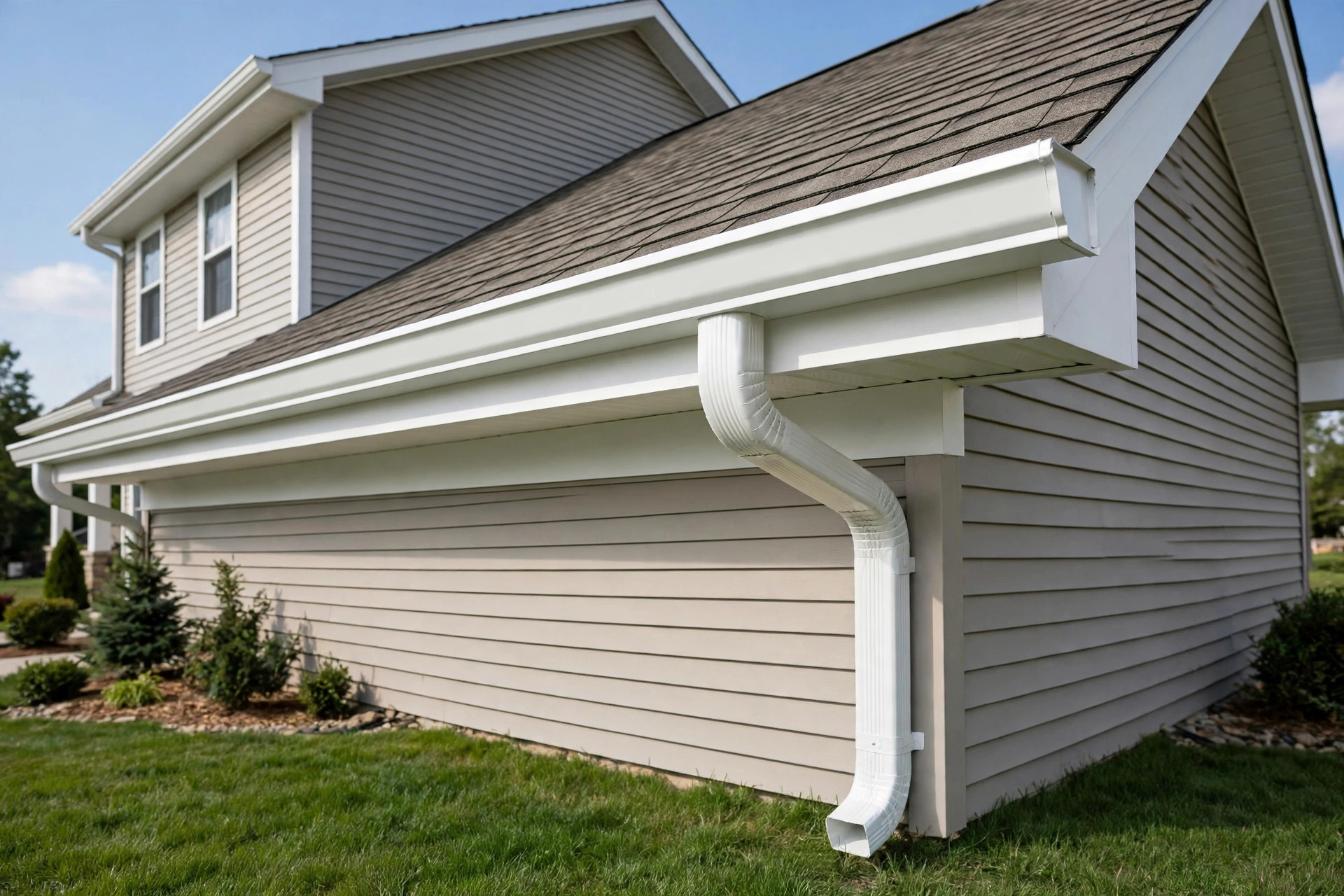

Rain falls on every roof in America. It runs down the shingles and gathers speed. Then it has to go somewhere. Good gutters catch that water and move it away from the house. Bad gutters let it spill onto the walls, the walkways, and the soil near the foundation. Reading top rated gutter installation services reviews before you hire a company can save you hundreds of dollars and many headaches. This guide explains why gutters matter, how to read reviews the right way, what materials and types exist, what prices look like, and how to care for new gutters once they are in place.
Why Good Gutters Matter
A gutter system does quiet work. You notice it only when it fails. When gutters sag or leak, water pours where it should not. Over time, that water can stain siding, rot wooden trim, and wash soil away from the base of the house. It can also seep into basements and crawl spaces.
The numbers are simple. One inch of rain on a 2,000 square foot roof sends more than 1,200 gallons of water toward the ground. Without gutters, that water lands in a ring around the house. Foundations do not like standing water. They can crack, shift, and leak.
Gutters also protect landscaping. Flower beds and shrubs near the house stay safe when downspouts send water several feet away. If you have dealt with basement dampness, a foundation crack repair cost guide can show how pricey the results of poor drainage can be. A modest gutter job often costs far less than a foundation repair.
What to Look for When You Choose a Company: Top Rated Gutter Installation Services Reviews
Reviews are only useful if you know what the reviewers are really telling you. A five-star rating means little by itself. The details in the written reviews matter much more. Here is what to weigh.
Licenses, Insurance, and Local Rules
A good gutter installer carries a business license and liability insurance. Workers’ compensation coverage matters too. Ask for proof before work starts. Cities and counties often have rules about permits for exterior work. A local company knows those rules. A fly-by-night crew may not.
Experience and Craft
Gutter installation looks simple, but the details decide how long the system lasts. Hangars must be spaced right. The slope must be correct so water flows toward the downspouts. Corners and end caps must be sealed. Ask how long the company has worked in your area. Ask how many gutter jobs they finish each year. Bob Vila offers plain advice on finding skilled trade workers for home projects.
What Reviews Really Tell You
Look at the most recent reviews first. Old praise may belong to a different crew. Read the middle reviews, not just the one-star and five-star ones. Middle reviews often give the fullest picture. Watch for patterns. If many reviewers praise punctuality, the company probably runs on time. If several people mention leaks at the seams, that is a warning.
Note how the company answers bad reviews. A calm, honest reply shows care. Silence or anger shows the opposite. Also check reviews on more than one site. A company with strong marks on one site and weak marks on another may have asked happy customers to post only where they look good.
Types of Gutters and Materials
Gutters come in several materials. Each has a price and a lifespan. Reviewers often mention the material they chose, so it helps to know the differences before you read their words.
Aluminum
Aluminum is the most common choice in America. It is light, rust resistant, and easy to shape. Most seamless gutters are aluminum. Painted aluminum comes in many colors. It lasts 20 to 30 years in most climates. It can dent in heavy hail, but dents do not stop it from working.
Vinyl
Vinyl gutters cost less than aluminum. They snap together, so some homeowners install them on their own. They do not rust and never need paint. But they turn brittle in strong sun and can crack in deep cold. They last about 10 to 20 years.
Copper
Copper gutters look rich and age into a green patina. They last 50 years or more and need no paint. The price is high. Copper suits older homes and historic districts. Theft can be a worry in some areas because scrap copper has value.
Steel and Galvanized Steel
Steel is very strong and handles heavy snow loads well. It costs more than aluminum but less than copper. Galvanized steel has a zinc coat that fights rust. If the coat is scratched, rust can start. Steel gutters last 20 to 25 years with good care. James Hardie publishes solid guidance on exterior materials built to stand up to tough weather.
Seamless Versus Sectional
Seamless gutters are cut to length on site from a single roll of metal. They have joints only at corners and downspouts. Fewer joints mean fewer places to leak. Sectional gutters come in ten-foot pieces that join together. They cost less and suit do-it-yourself jobs, but every joint is a future leak point. Most top rated installers work mainly with seamless systems.
How to Read Gutter Installation Reviews Like a Pro
Many people read reviews too fast. They scan the stars and move on. A slower method works better.
First, sort by newest. A company that was great five years ago may have changed hands. Second, read the full text of at least ten reviews. Look for words about the install day itself. Did the crew show up on time? Did they protect the flower beds? Did they haul away the old gutters? These small details tell you how the company treats homes.
Third, watch for price honesty. Good reviews often say the final bill matched the written estimate. Reviews that mention surprise charges are a red flag. Fourth, note follow-up. A company that returns to fix a small leak without a fight earns trust. This Old House has long covered how homeowners should vet contractors, and its advice fits gutter work well.
Fifth, compare across neighborhoods. A company may do fine work in mild weather but poor work in snow country. Local reviews matter more than national ratings. If you want lower utility bills along with dry walls, energy efficient gutter upgrades pair well with a tight building envelope.
Cost and Price
Prices vary by region, material, and the size of the house. Most American homes need 150 to 250 linear feet of gutter. Here are typical ranges for installed seamless gutters.
Aluminum seamless gutters usually run 5 to 12 dollars per linear foot installed. For a 200-foot job, that is 1,000 to 2,400 dollars. Vinyl sectional gutters run 3 to 6 dollars per foot, or 600 to 1,200 dollars for the same house. Steel runs 8 to 15 dollars per foot. Copper runs 20 to 40 dollars per foot, so a 200-foot copper job can cost 4,000 to 8,000 dollars.
Downspouts, corner pieces, and leaf guards add to the bill. Leaf guards run 4 to 12 dollars per foot installed. They can be worth the cost if your lot has many trees. Old gutter removal often costs 1 to 2 dollars per foot.
Get at least three written quotes. Each quote should list the material, the gauge or thickness, the linear feet, the number of downspouts, and the warranty terms. A quote that gives only one total number is not enough. Ask whether the price includes hauling away old gutters and patching holes in the fascia. The Spruce and Family Handyman both publish homeowner-friendly cost breakdowns for exterior projects. Shoppers who want to compare hardware prices can check Home Depot and Lowe’s for gutter parts and tools.
Care and Upkeep
New gutters need only simple care. Clean them twice a year, in spring and in late fall. Remove leaves, twigs, and roof grit by hand or with a scoop. Flush the trough with a garden hose. Check that water flows fast toward the downspouts and out the bottom.
Look at the hangers once a year. Tighten any that have loosened. Check seams and end caps for small drips. A bead of gutter sealant fixes most small leaks. Keep downspout outlets clear of mulch and soil. Add splash blocks or extensions so water leaves the foundation by at least four feet.
Trees that hang over the roof will fill gutters fast. Trim branches back when you can. Leaf guards help, but they are not a promise of zero upkeep. Even guarded gutters need a yearly check. Gutters that share the roofline with wood trim need extra care, since trapped water can rot soffit and fascia boards and stain siding.
Safety
Gutter work often means ladders. Falls from ladders hurt thousands of Americans each year. If you clean gutters yourself, use a sturdy extension ladder on firm, level ground. Keep three points of contact at all times. Never lean out to reach the next section. Move the ladder instead.
Do not stand on the top two rungs. Wear gloves, because old gutter metal has sharp edges. Turn off power to outdoor outlets before you spray water near them. If the roof is steep or the house is two stories tall, hire help for cleaning. A pro with the right gear is safer than a brave homeowner. CertainTeed reminds homeowners that exterior work deserves the same care as any other part of a renovation.
Frequently Asked Questions
How long does a gutter installation take?
Most homes take one day. A simple ranch house may take four to six hours. A large two-story home with many corners can take two days. Weather can slow the work. Good companies give you a schedule in writing before they start.
Do I need permits for new gutters?
Rules differ by town. Many places do not require a permit for a straight gutter swap. Some require one if you change the drainage path or add underground pipes. Ask your installer. A local pro will know the rules in your area.
Are leaf guards worth the money?
They help a lot on lots with trees. They keep large leaves out and cut cleaning time. They do not stop small seeds, pine needles, or roof grit. Most reviewers say guards are worth it if you hate climbing ladders. Compare the guard cost to the price of two professional cleanings a year.
What is the best gutter material for cold climates?
Aluminum is the safe all-around pick. It handles freeze and thaw without cracking. Steel holds up under heavy snow. Vinyl can turn brittle in deep cold, so it is a weaker choice in northern states. Copper works in cold too, but the price is steep.
How long do new gutters last?
Aluminum seamless gutters last 20 to 30 years. Vinyl lasts 10 to 20 years. Steel lasts 20 to 25 years. Copper lasts 50 years or more. Good installation and twice-a-year cleaning stretch the life of any material.
Should I replace the gutters when I get a new roof?
It is a smart time to do it. The roof crew is already on site, so labor costs drop. Old gutters may not match the new roof’s drip edge. Many roofers give a discount for a combined job. Ask for one quote for both.
A Short Final Word
Top rated gutter installation services reviews are a strong tool when you read them with care. Look past the stars. Read the words. Check the dates. Note the patterns. Pair those reviews with three written quotes, a clear list of materials, and a written warranty. Then hire the company that treats your home like its own. Good gutters work in silence for decades. That silence is worth paying for.
References
Bob Vila. (n.d.). Home improvement advice. https://www.bobvila.com CertainTeed. (n.d.). Building materials and exterior products. https://www.certainteed.com Family Handyman. (n.d.). DIY home repair and maintenance. https://www.familyhandyman.com James Hardie. (n.d.). Fiber cement siding and exterior products. https://www.jameshardie.com Lowe’s. (n.d.). Home improvement products. https://www.lowes.com The Home Depot. (n.d.). Home improvement products. https://www.homedepot.com The Spruce. (n.d.). Home and garden advice. https://www.thespruce.com This Old House. (n.d.). Home renovation guidance. https://www.thisoldhouse.com
Was this guide helpful?

About Michael Thompson
The My Garden US editorial team writes practical, in-depth home and garden guides for American homeowners — tested advice, no fluff.
You May Also Like

Best Garage Door Replacement Near Me: A Homeowner Guide
February 19, 2026 0 views
Top Rated Cedar Shake Siding for Southern States
February 5, 2026 0 views
Composite Decking Materials Price Comparison USA
January 4, 2026 0 views