
Introduction
A long trip should be a time of rest. Few things can spoil it like worry about the house you left behind. This home security checklist for vacation travel was written for households in the United States who want to leave with a calm mind. Burglars look for easy targets. They watch for dark windows, full mailboxes, and silence at the door. Most break-ins are not planned in great detail. The thief simply picks the house that looks empty and easy to enter.
The good news is that a small amount of work before you leave can lower your risk a great deal. A locked door, a timer on a lamp, and a trusted neighbor often make the difference. Smart home devices can add one more layer of help, but they are not the whole answer. Old habits still matter most.
Use this guide step by step. Start two or three weeks before the trip for the bigger tasks. Finish the last checks on the morning you walk out the door.
Why a Vacation Security Checklist Matters: Home Security Checklist for Vacation Usa Guide
An empty house sends signals. Mail piles up. Lights stay dark. The lawn grows tall. A careful observer can read these signs in a day or two. Police reports in many American towns show the same pattern. Homes that look lived in are passed over. Homes that look empty draw attention.
Travel also creates new risks that are easy to miss. A water line can burst while no one is there to hear it. A package left on the porch can be stolen. A storm can knock out power and stop your alarms. Thinking through these risks ahead of time lets you deal with each one in a calm way.
A checklist keeps small jobs from slipping through the cracks when packing fills your days.
Locks, Doors, and Windows
Start with the oldest form of protection. It still stops more break-ins than any device.
Lock every door
Walk through the whole house and check each exterior door. Use the deadbolt, not just the knob lock. A deadbolt reaches deep into the door frame. A knob lock alone can be forced with a simple tool. If any door has an old lock that sticks or turns hard, replace it before the trip.
Check the windows
Close and latch every window, even on the upper floors. Ladders and nearby trees can give a thief access to second-story windows. Pin locks or simple dowel rods in sliding windows add strength. Check the basement windows too. These are often the weakest point of entry.
Secure the garage
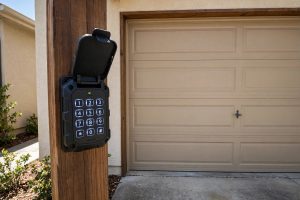
Close the garage door fully and lock the inside door between the garage and the house. Many people leave this inner door unlocked, but it should be locked just like a front door. If you have an older opener, consider a manual lock on the door track. The Family Handyman site offers clear guides on garage door security upgrades that fit most homes.
Make the House Look Lived In
Thieves study houses. Give them nothing to study.
Set a few lamps on timers so rooms light up at different hours. A smart bulb for recessed lighting can be set on a schedule from your phone. Place one in the living room and one in an upstairs bedroom. A dark house at eight in the evening is a clear sign of an empty house.
Ask a neighbor to park a car in your driveway now and then. Ask them to roll your trash bins to the curb and back. Stop the mail and the newspaper for the days you are gone. A full mailbox is one of the strongest signs of absence. The United States Postal Service will hold mail for a set period when you ask in advance.
Leave a radio or television on a timer. Sound from inside the house can make a visitor think twice. Do not leave it too loud. Normal volume is enough.
Smart Home Devices That Help While You Are Away
Smart devices do not replace good locks and good habits. They add a useful layer on top.
Video doorbells
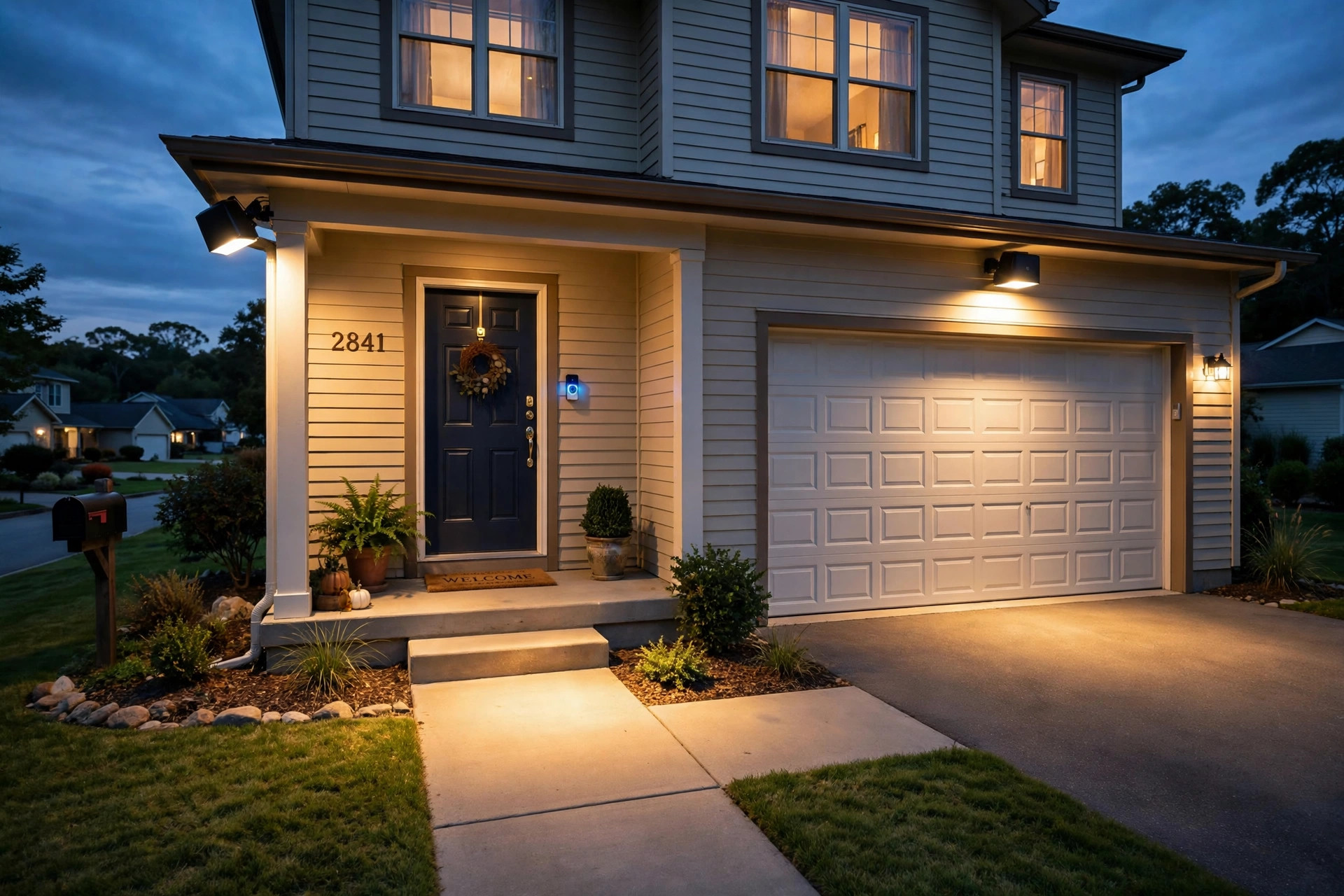
A video doorbell lets you see and speak to anyone at your front door from anywhere. When a package arrives, you can ask the driver to leave it behind the porch railing. When a stranger knocks, you can answer as if you were home. Read through video doorbell reviews and setup guides before you buy, so you know how battery and wiring models differ.
Security cameras
Indoor and outdoor cameras let you check the house at any hour. Place one at the front door, one at the back door, and one covering the driveway. Check the view before you leave. Make sure the picture is clear both in daylight and at night. Store video in the cloud so it is safe even if the camera is damaged or stolen.
Alarm systems
A monitored alarm system calls a response center when a sensor trips. A self-monitored system sends alerts to your phone instead. Monitored service costs more each month but brings help even when you are on a plane with no signal. Compare plans on home security system review sites and professional monitoring options to see which fits your budget.
Motion sensor lights
Motion lights turn on when someone walks near the house. They startle intruders and draw the attention of neighbors. Solar motion sensor lights need no wiring and cost little. Mount them over the driveway, by the back door, and near dark corners of the yard. Independent tests published by CNET can help you compare brightness and battery life.
Smart locks and sensors
A smart lock lets you check that the door is locked from your phone. You can also give a neighbor or a house sitter a temporary code. Water sensors near the water heater and under sinks can warn you of a leak before it causes real damage. Google’s store page for Nest home devices lists many of these sensors in one place.
Two Weeks Before You Leave
Handle the larger tasks early so the last days stay calm.
– Tell a trusted neighbor or a close friend your travel dates. Give them a spare key and a phone number where you can be reached. – Stop the mail, newspapers, and any regular deliveries. Do this at least a week ahead. – Check that your alarm system batteries are fresh. Test every door and window sensor. – Trim tall bushes near windows and doors. Thick growth gives a thief a place to hide. – Service any cameras. Clean the lenses and confirm the night vision works. – Check outdoor lights. Replace burned-out bulbs now. Practical lighting advice can help you pick the right brightness for entryways. – Review your insurance policy. Know what it covers for theft and water damage.
One Week Before You Leave
This is the time for final arrangements and small fixes.
– Ask your neighbor to keep an eye on the house. Agree on what they will do: pick up packages, move the bins, water the plants. – Set your light timers and test them for two or three nights. Adjust the hours so they look natural. – Unplug small appliances you will not need. Coffee makers, toasters, and hair dryers can all be unplugged. – Turn down the water heater to a low setting or to vacation mode. This saves energy and lowers the risk of a scalding problem. – Write down your emergency contacts: your phone, your hotel or host, your insurance agent, and a plumber. Leave the list with your neighbor. – Walk the outside of the house at night. Look at it the way a stranger would. Fix any dark spots or easy hiding places.
The Morning You Leave
Do a final walk-through with this list in hand.
1. Lock every door and set every deadbolt. 2. Close and latch every window. 3. Turn on the alarm system and confirm it arms correctly. 4. Set the thermostat to a safe range. In winter, keep enough heat to stop pipes from freezing. In summer, set the air to a mild level. 5. Open the refrigerator and throw out food that will spoil. Empty the trash so no smell builds up. 6. Unplug the garage door opener if it has no rolling code, or lock the door from the inside. 7. Check that cameras and doorbells show a live feed on your phone. 8. Leave a key with your neighbor, not under a mat or a flowerpot. 9. Close the blinds most of the way but not fully. Slightly open blinds look more natural than blinds shut tight in every room. 10. Take one last look from the street. The house should look ordinary and cared for.
Cost and Price Guide
Protection comes at many price points. You do not need to spend a fortune to be safe.
Basic steps cost nothing: locking doors, stopping mail, and asking a neighbor for help are free. Light timers cost five to twenty dollars each. A smart gate opener with a camera can be a larger purchase, but it pays off for homes with long driveways.
A video doorbell usually costs between one hundred and two hundred fifty dollars. Outdoor cameras run from fifty to three hundred dollars each, depending on the brand and the picture quality. A full monitored alarm system can cost two hundred to five hundred dollars to install, plus twenty to sixty dollars a month for the service. Self-monitored systems cost less each month but need you to watch the alerts yourself.
Set a budget before you shop. Buy the items that cover your weakest points first. For most homes, that means a solid deadbolt, a video doorbell, and one or two outdoor cameras. Price comparisons from PCMag can help you find strong value in each category.
Care and Upkeep After You Return
The work is not over when you come home. Walk the property and check for signs of trouble. Look for damaged locks, moved cameras, or broken window screens. Review your camera footage for any motion events during the trip.
Restock your supplies and replace alarm batteries if they ran low. Clean camera lenses again. Fix anything that failed before the next trip.
Take a few notes about what worked well and keep them with your travel papers.
Safety Notes
Safety comes first, even before security. The Consumer Product Safety Commission warns about common home hazards that matter more when a house sits empty.
– Do not leave space heaters or heat lamps running while you are away. – Keep the fireplace fully cold and closed before you leave. – If you have gas appliances, make sure they are off and the lines are sound. – Check smoke and carbon monoxide detectors. Test the batteries before the trip. An alarm that dies in week one leaves you with no warning at all. – Do not post travel plans or boarding-pass photos on social media until you are home. Announcing an empty house online is the modern version of leaving the front door open. – If you use smart devices, use strong, unique passwords and turn on two-step sign-in. A hacked camera can show a thief exactly what you wanted to hide. – Bob Vila’s home improvement guides include useful advice on seasonal home safety checks worth reviewing each year.
Frequently Asked Questions
How early should I start preparing for a trip?
Start two to three weeks before you leave. Early tasks like stopping mail, servicing cameras, and trimming bushes need time. The final walk-through takes only half an hour on the morning of departure. For step-by-step room guidance, The Spruce home guides offer simple checklists that pair well with this article.
Do I need a smart home system to keep my house safe?
No. Locks, lights on timers, stopped mail, and a watchful neighbor are the heart of vacation security. Smart devices add comfort and extra warning, but they are extras, not requirements. Start with the free steps and add devices later if your budget allows.
What should I do about deliveries while I am away?
Stop regular deliveries before you leave. Ask your neighbor to collect any packages that arrive by mistake. If you shop online often, use a package locker or a delivery address at work. A stack of boxes on the porch tells every passerby that no one is home.
Is it safe to leave a key with a neighbor?
Yes, if you trust them fully. A trusted neighbor with a key is far safer than a key hidden under a mat. Tell your neighbor exactly what to do if something goes wrong, and give them your contact details and your insurance agent’s number.
What temperature should I set the thermostat to during winter trips?
Keep the heat at fifty to fifty-five degrees Fahrenheit. This stops pipes from freezing without wasting energy. Open the cabinet doors under sinks on outside walls so warm air can reach the pipes. In very cold areas, consider shutting off the main water valve and draining the pipes.
Should I leave all the lights on while I am gone?
No. Lights that burn day and night look strange and waste power. Use timers so lights turn on and off at normal hours. Two or three rooms on staggered timers look far more natural than a house blazing with light all night.
A Final Word
A home security checklist for vacation is not about fear. It is about care. Each item on the list is a small act of care for the place where you live and the things you own. Locks, timers, cameras, and good neighbors all work together. None of them works alone.
Run through this guide before every trip, even a short one. Make it a habit, like packing a bag or locking the car. In time, the steps will take less effort and feel like second nature. Then you can close the front door, turn the key, and set off with a clear mind. The house will wait for you, safe and sound.
References
ADT. (n.d.). Home security and automation. https://www.adt.com Bob Vila. (n.d.). Home improvement advice. https://www.bobvila.com CNET. (n.d.). Technology news and reviews. https://www.cnet.com Family Handyman. (n.d.). DIY home repair and maintenance. https://www.familyhandyman.com Google Store. (n.d.). Smart home devices. https://store.google.com PCMag. (n.d.). Technology product reviews. https://www.pcmag.com Ring. (n.d.). Smart home security devices. https://www.ring.com SimpliSafe. (n.d.). Home security systems. https://www.simplisafe.com The Spruce. (n.d.). Home and garden advice. https://www.thespruce.com U.S. Consumer Product Safety Commission. (n.d.). Product safety information. https://www.cpsc.gov
Was this guide helpful?

About Robert Taylor
The My Garden US editorial team writes practical, in-depth home and garden guides for American homeowners — tested advice, no fluff.
You May Also Like

Best Neighborhood Watch Camera Sharing Apps USA
June 22, 2026 0 views
Best Robot Mop Combo Reviews 2026 USA: A Plain Guide for Hard Floors
June 30, 2026 0 views
Best Smart Gas Detector Reviews 2026 USA: A Full Guide
February 9, 2026 0 views