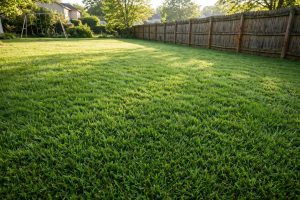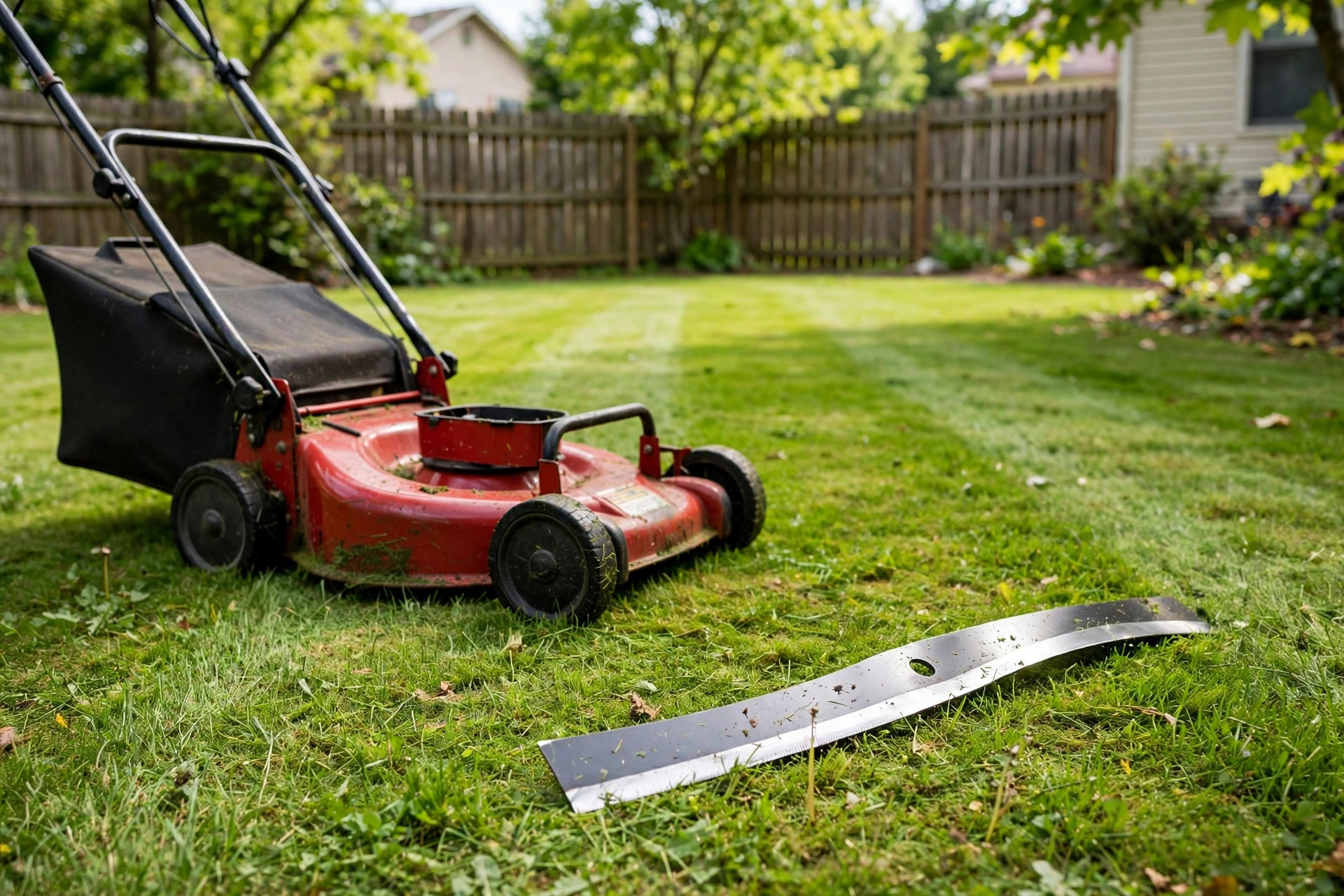
A dull blade is one of the most common reasons a lawn looks bad after mowing. The mower runs, the grass gets shorter, but the tips of the grass turn brown and ragged. Homeowners often blame the fertilizer or the weather. The real cause sits under the mower deck. A search for a lawn mower blade sharpening service near me is a smart first step toward a greener lawn, because a clean cut heals fast and a torn cut does not. This guide explains why sharpening matters, how to find a good shop, what the work costs, and how to keep blades in shape between visits.
Why a Sharp Blade Matters
A sharp blade slices each grass blade cleanly, like a pair of scissors. A dull blade tears it, like a dull knife on bread. Torn grass tips lose water fast. They turn brown within a day or two, and the whole lawn takes on a tired, gray-green look. Torn tips also invite disease. Fungi and bacteria enter through the rough edges much more easily than through a clean cut.
A sharp blade helps the mower too. A dull edge forces the engine to work harder. The mower vibrates more, burns more fuel, and takes longer to finish the yard. On riding mowers and lawn tractors, this extra strain shows up in worn belts and tired spindles. Sharp blades cut in fewer passes, so the job finishes sooner and the machine lasts longer.
Lawn care pros suggest sharpening after every twenty to twenty-five hours of mowing. For most homeowners, that means once or twice a season. Sandy soil dulls blades faster, since sand acts like sandpaper on the edge. Sticks, rocks, and hidden roots chip the edge as well. If you mow a rough lot, you may need service more often. A good lawn mower blade sharpening service near me can also tell you when a blade is too worn to sharpen and should be replaced instead.
How to Tell Your Blade Is Dull: Lawn Mower Blade Sharpening Service near Me
You do not need to pull the blade to guess its condition. The lawn tells you. After mowing, look closely at the grass tips. Clean tips look like they were cut with scissors. Dull-blade tips look torn, frayed, or shredded, and they brown quickly. If your lawn looks pale or whitish from a distance a day after mowing, dull blades are a likely cause.
Listen to the mower. A dull blade makes the engine labor. You may hear the engine slow in thick grass more than it used to. The mower may leave strips of uncut grass, especially when the grass is damp or tall. These signs all point to the same fix.
When you do look at the blade, wear thick gloves and tip the mower with the spark plug side up, or remove the battery on a cordless model. A healthy blade has a smooth edge with no nicks deeper than a few millimeters. A bad blade shows chips, deep dents, or a rounded edge that reflects light along its full length. Some blades are bent from hitting stumps or stones. A bent blade must be replaced, never straightened. For help deciding between a fresh edge and a new part, see where to buy lawn mower blades near me.
Where to Find a Sharpening Service
Many kinds of local shops sharpen mower blades. Small-engine repair shops are the most common. They service mowers, trimmers, and chainsaws, and blade sharpening is everyday work for them. Hardware stores sometimes offer the service at the counter, though they may send blades out to a partner shop. Lawn and garden dealers, the stores that sell riding mowers and tractors, almost always have a service department that sharpens blades. Some saw and tool sharpening shops also take mower blades alongside knives and saws.
A few newer options have appeared in recent years. Mobile sharpening services come to your driveway and do the work on the spot. Some lawn care companies include blade sharpening in their seasonal tune-up packages. When you search online, read reviews and look for shops that mention balancing as part of the job. A shop that sharpens without balancing is cutting corners.
Manufacturer resources can point you to authorized dealers. Toro and John Deere both list dealer locations on their homepages, and most full-service dealers sharpen blades. If you run a battery-powered mower, Greenworks and Ryobi dealer and support pages can help you find service near you.
What to Ask Before You Book
A short phone call saves trouble. Ask what the service includes. A proper sharpening covers grinding the cutting edge to the correct angle, removing nicks, and balancing the blade on a balancer. Balancing matters more than most people think. An unbalanced blade vibrates, and vibration wears out bearings and spindles fast. If the shop does not balance, keep looking.
Ask about turnaround time. Many shops sharpen while you wait during slow weeks, but in spring the line can stretch to several days. Ask the price per blade and whether there is a discount for a full set on a riding mower. Ask if they inspect for cracks and bends. A cracked blade is unsafe and must be scrapped. A good shop will tell you when sharpening is no longer worth it.
Ask what they need from you. Most shops want just the blade, removed from the mower. Some accept the whole mower and charge a removal fee. If you are not comfortable removing the blade yourself, paying the fee is money well spent. Safety comes first.
Consumer guides such as Consumer Reports publish mower maintenance advice that echoes this point: regular blade care is one of the cheapest ways to protect your investment in a mower.
Service Options: Shop, Mobile, or Do It Yourself
A walk-in shop is the classic choice. You drop off the blade, the technician grinds it on a bench grinder or belt sander, balances it, and you pick it up. Prices are low and quality is steady at a good shop. The only cost is your time and the drive.
Mobile sharpening services trade a higher price for convenience. The technician arrives with a grinder in the van and sharpens on your driveway. This is a fine option if you cannot remove the blade yourself or if you need several blades done at once. Ask in advance whether the price covers balancing and whether they inspect for damage.
Some homeowners sharpen their own blades. A metal file, a bench grinder, or an angle grinder with a flap disc all work. The task is simple in theory: follow the factory angle, take off as little metal as possible, and balance the blade when done. In practice, it is easy to overheat the steel, which ruins its hardness, or to grind one side more than the other, which throws the blade out of balance. A blade balancer, a simple cone tool, costs little and is worth owning if you sharpen at home. Guidance from engine makers like Briggs & Stratton stresses keeping the original cutting angle and never grinding away the safety markings stamped on the blade.
Handheld tool brands also publish blade care tips. ECHO offers maintenance guides for its outdoor power equipment, and general home guides at The Spruce walk through mower upkeep step by step for beginners.
What It Costs
Prices vary by region, but the range is narrow. A walk-in shop usually charges between five and fifteen dollars per push-mower blade. Riding mower blades run a little higher, and a full three-blade set often costs twenty-five to forty dollars. Mobile services charge more, often twenty to forty dollars per blade, because you pay for the house call.
Removal fees add to the bill if you bring the whole mower. Expect ten to twenty dollars extra for the shop to pull and reinstall the blade. Seasonal tune-up packages bundle sharpening with an oil change, air filter, and spark plug. Those packages often cost seventy-five to one hundred fifty dollars and make sense once a year. For the oil change portion of a tune-up, many owners buy a lawn mower oil change kit for homeowners and handle that part themselves.
Replacement blades cost eight to thirty dollars each for common push mowers and more for commercial decks. When a blade is thin from years of grinding, chipped deeply, or bent, replacement is the right call. A blade that has been sharpened many times loses its hardened edge and will not hold sharpness. Do not try to save a blade that is past its life.
Caring for Your Blade Between Sharpenings
Small habits stretch the time between visits to the shop. Walk the yard before you mow and pick up sticks, stones, and toys. One hidden rock can chip a fresh edge in a single pass. Mow at the right height. Cutting more than one third of the grass height at once stresses both the grass and the blade. In sandy areas, raise the deck slightly to keep the blade out of the sand layer.
Clean the underside of the deck after mowing. Wet grass clumps hold moisture against the steel and invite rust. A plastic scraper and a stiff brush do the job. At the end of the season, remove the blade, wipe it with an oily rag, and store the mower in a dry place. A light coat of oil on the blade keeps rust away through winter.
Keep up with the rest of the mower too. A slipping deck belt makes even a sharp blade cut poorly, so learn the basics in a riding mower deck belt replacement guide. Product makers like Scotts remind homeowners that blade care works best as part of a full lawn program: sharp blades, right mowing height, and proper feeding.
Safety Rules That Matter
Blade work deserves respect. Disconnect the spark plug wire on gas mowers or remove the battery pack on cordless mowers before touching the blade. Wear thick leather gloves. A blade that feels dull to a careless hand can still cut skin. Block the blade with a piece of wood when loosening the bolt so the blade cannot spin.
Never run a mower with a cracked or badly bent blade. A cracked blade can break apart at full speed and throw metal. Never straighten a bent blade with a hammer; the metal is weakened and unsafe. Replace it.
Store spare blades wrapped in cardboard or in their original packaging. Keep them out of reach of children. When carrying blades in a car, wrap the edges so they cannot damage the trunk or injure anyone unloading it.
Service finders like LawnStarter connect homeowners with local pros, which is useful if you prefer to hire the whole mowing job out rather than maintain the machine yourself.
Frequently Asked Questions
How often should I sharpen my mower blades? Sharpen after every twenty to twenty-five hours of mowing. For a typical suburban lawn, that means once or twice per season. Sandy soil, sticks, and rough ground call for more frequent service.
Can a blade be sharpened too many times? Yes. Each grinding removes metal. After several sharpenings the blade grows thin, the cutting edge gets narrow, and it no longer holds sharpness. At that point, replace the blade.
Is it cheaper to sharpen or replace a blade? Sharpening is almost always cheaper. A walk-in sharpening costs five to fifteen dollars, while a new blade costs eight to thirty dollars. Sharpen as long as the blade is straight, crack-free, and thick enough to hold an edge.
Do I need to balance the blade after sharpening? Yes. Grinding removes metal unevenly, and an unbalanced blade vibrates. Vibration damages bearings and spindles and makes the mower unpleasant to use. Every sharpening should end with a balance check.
Can I sharpen mulching blades the same way? Yes, with care. Mulching blades have a curved, wavy shape with more cutting surface. Follow the factory angles on each section and remove as little metal as possible. Many owners prefer to let a shop handle mulching blades.
What does a sharpening service do that I cannot do at home? A good shop uses proper grinding equipment, checks for cracks and bends you might miss, grinds to the exact factory angle, and balances on a precision balancer. The result is a safer, longer-lasting edge.
A Final Word
A sharp blade is the simplest upgrade a lawn can get. It costs little, takes little time, and shows results within days. Whether you choose a neighborhood repair shop, a mobile service, or your own workbench, make blade care a habit. Search for a lawn mower blade sharpening service near me each spring, keep the edge true through the season, and your grass will repay you with a clean, deep green cut all summer long.
References
Greenworks Tools. (n.d.). Lawn and garden tools. https://www.greenworkstools.com The Spruce. (n.d.). Home and garden advice. https://www.thespruce.com LawnStarter. (n.d.). Lawn care services. https://www.lawnstarter.com Briggs & Stratton. (n.d.). Engines and outdoor power equipment. https://www.briggsandstratton.com Scotts. (n.d.). Lawn care products. https://www.scotts.com ECHO. (n.d.). Outdoor power equipment. https://www.echo-usa.com Ryobi. (n.d.). Power tools. https://www.ryobitools.com Toro. (n.d.). Lawn mowers and yard equipment. https://www.toro.com Consumer Reports. (n.d.). Product ratings and reviews. https://www.consumerreports.org John Deere. (n.d.). Turf and lawn equipment. https://www.deere.com
Was this guide helpful?

About Michael Thompson
The My Garden US editorial team writes practical, in-depth home and garden guides for American homeowners — tested advice, no fluff.