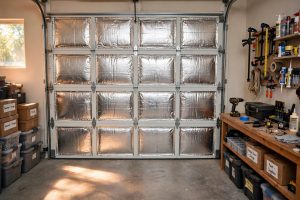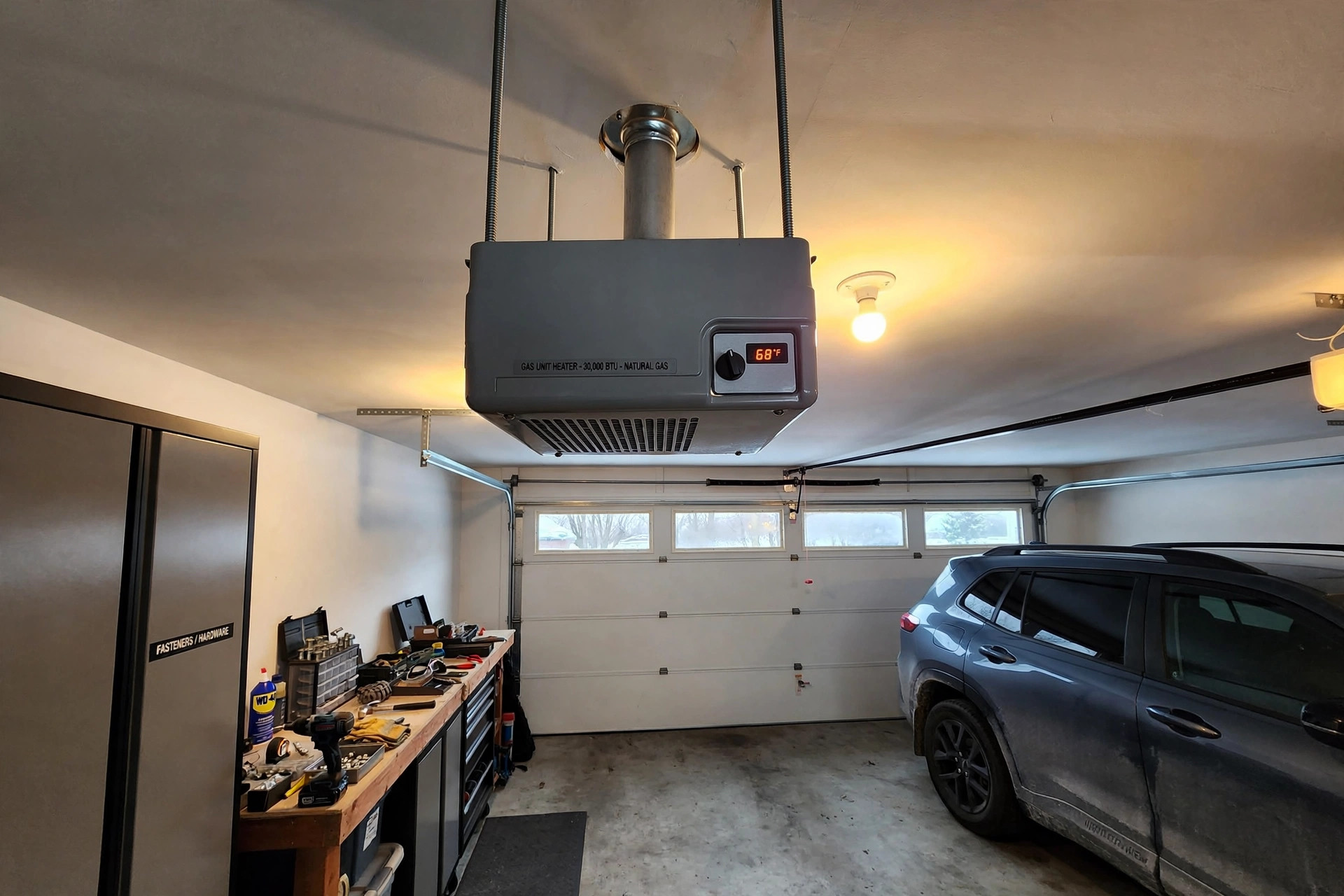

A cold garage is a wasted room. Tools rust. Cars turn over slowly on winter mornings. Hands go numb at the workbench. Many homeowners in the northern states look for a gas unit heater, and modine hot dawg heater reviews for garage use are among the first they read. The Hot Dawg is a ceiling-mounted gas-fired heater built to warm garages and workshops. It hangs high out of the way and pushes warm air down across the floor. This guide pulls together what buyers report, what to check before you buy, and how to keep the unit safe for years.
Why a Ceiling Unit Heater Makes Sense in a Garage
A garage is not a bedroom. It has a big door, thin walls, and often no insulation. A portable space heater cannot do much in that setting. It heats the air right around it and then the cold creeps back. A ceiling unit heater works on a bigger scale. It moves a large volume of air through a hot heat exchanger and throws it down in a wide pattern. The result is a room that reaches working temperature in minutes, not hours.
The Hot Dawg is popular because it solves the floor problem. Garages are parking space first. Floor-standing heaters steal that space and sit in the way of cars and tools. A unit that hangs from the ceiling leaves the floor clear. It also stays clear of water, snow melt, and the fumes that sink low in a garage. Reviewers praise this point again and again. They like that the heater does not eat up square footage.
A second reason for the strong interest is fuel. Gas is cheap heat in most of the country. Where natural gas or propane is already piped to the home, a gas unit heater costs far less to run than electric resistance heat. Many owners say their garage now costs a few dollars a week to keep warm, where an electric heater cost them far more. That said, electric models suit some buyers better, and honest comparisons of electric garage heater 240v reviews help people decide which fuel fits their shop.
How to Read Reviews With Care: Modine Hot Dawg Heater Reviews for Garage
Online reviews are useful, but they need a filter. A heater that earns five stars in Georgia may earn two stars in Minnesota, because the cold is not the same. Always check the climate of the reviewer. A one-car garage in a mild zone is easy to heat. A three-bay shop in a cold zone needs a bigger unit and better insulation.
Watch for the word “sizing.” Most bad reviews trace back to a heater that is too small for the space. A few trace back to poor installation: bad venting, a gas line too small, or a thermostat in the wrong spot. The heater itself usually works fine. When you read modine hot dawg heater reviews for garage installations, look for patterns, not single complaints. If ten buyers in cold states say the same unit keeps a two-car garage warm, that tells you more than one angry post about a lemon.
Also note the date. Modine has made the Hot Dawg line for many years. Older reviews may describe older controls. The core design is much the same, but thermostats and vent parts change over time.
What to Look For When You Choose
Size and BTU Output
Size comes first. The Hot Dawg line comes in four main sizes: the HD30 at 30,000 BTU, the HD45 at 45,000 BTU, the HD60 at 60,000 BTU, and the HD75 at 75,000 BTU. BTU is a measure of heat output. A common rule of thumb for a garage is 30,000 BTU per car bay, but that rule bends with climate and insulation.
An insulated two-car garage in a moderate zone often does well with the HD45. The same garage in a harsh northern zone may need the HD60. An uninsulated shop may need the largest unit plus added insulation. When in doubt, measure the garage, note the wall and ceiling insulation, and talk with a heating contractor. A unit that is too small runs all day and never gets warm. A unit that is too large costs more up front and cycles on and off, which is less efficient.
Venting Type
Hot Dawg heaters come in two vent styles. Standard models vent through the wall or roof with a draft hood. Separated combustion models pull their burn air from outside through a sealed pipe, and push exhaust out through a second pipe. In a garage, separated combustion is worth the extra cost for many buyers. Garages hold dust, paint fumes, and exhaust fumes. A standard burner pulls that air in and burns it. A separated combustion unit keeps the flame sealed from the room air, which is cleaner and safer. Reviews favor the separated combustion versions for attached garages in particular.
Thermostat and Controls
A good thermostat makes or breaks the experience. A cheap thermostat in the wrong spot reads the wrong temperature. Mount it on an interior wall, at working height, away from the heater’s own hot air stream and away from the big door. Many owners use a simple line-voltage or low-voltage thermostat made for unit heaters. Programmable models let the garage stay cool at night and warm up before you arrive. Smart thermostats can do the same with more control, though a simple unit works fine for most shops.
Gas Supply
Check your fuel before you buy. The Hot Dawg burns natural gas or propane, and the model must match your supply. The gas line must be large enough for the burner. A 75,000 BTU unit needs more gas flow than a small furnace. A licensed plumber or gas fitter should size the line. This is not a do-it-yourself gas job for most homeowners. The cost of the gas line often surprises buyers, so get that quote before you order the heater.
Types and Options in the Hot Dawg Line
The four base sizes cover most garages. Each size comes in standard vent and separated combustion versions, and in natural gas or propane versions. That gives buyers a clear menu.
– HD30 (30,000 BTU): Fits a one-car garage or a small workshop in a mild to moderate zone. A popular pick for attached single garages. – HD45 (45,000 BTU): The most common choice for a two-car garage. Reviewers call it the sweet spot for insulated two-bay spaces. – HD60 (60,000 BTU): Suits a large two-car garage, a three-car garage, or a small shop in a cold zone. – HD75 (75,000 BTU): Built for big shops and very cold regions. Needs a stout gas line and good venting.
Some buyers also weigh the Hot Dawg against other unit heaters on the market. Big furnace makers such as Carrier, Trane, Lennox, Goodman, and Rheem all sell heating equipment, though their main focus is whole-home systems rather than garage unit heaters. Reading the best garage heater for winter reviews gives a wider view of the options before you settle on one model.
Modine sells through HVAC distributors and online dealers. Warranty terms usually run a few years on parts, with longer coverage on the heat exchanger. Keep the serial number and proof of purchase. Most warranties require professional installation, which is another reason to hire a contractor.
Cost and Price: What Buyers Pay
Prices move with the market, so treat these as ballpark figures drawn from recent buyer reports. The heater itself often costs a few hundred dollars for the smaller units and climbs toward a thousand or more for the largest. Separated combustion versions cost more than standard vent versions. Propane versions cost about the same as natural gas versions.
Installation is the bigger bill. A gas line run, wall or roof venting, electrical wiring, and a thermostat can cost as much as the heater or more. Buyers report total installed costs from under a thousand dollars for a simple job to several thousand for a complex one. Getting a clear number on gas garage heater installation cost before you buy saves the shock later.
Running cost depends on gas prices and how warm you keep the space. Many owners heat the garage to 50 or 55 degrees and bump it to 65 when they work in it. At those settings, a well-sized unit sips fuel. Owners in cold zones say the weekly cost in deep winter is modest compared with electric heat. The U.S. Department of Energy publishes guides on efficient heating practices, and ENERGY STAR offers plain tips on keeping heating bills down. Insulating the garage door and sealing air leaks cut the bill more than any heater choice.
Care and Upkeep Through the Years
A gas unit heater is simple, but it is not maintenance free. Buyers who skip care get shorter life and dirtier burns. A short yearly routine keeps the unit safe and efficient.
Start each heating season with a look and a listen. Check the vent pipe for blockages, rust, or loose joints. Look for soot around the vent, which can signal a bad burn. Listen for new rattles or a blower that sounds labored. Vacuum dust off the unit and the blower wheel if you can reach it safely.
Once a year, or every other year, have a heating contractor service the unit. The tech checks the gas pressure, the flame color, the heat exchanger for cracks, and the safety switches. This visit is cheap insurance. A cracked heat exchanger can leak combustion gases into the room, so this check matters. The contractor also confirms the vent still drafts well.
Keep the area under the heater clear. Do not store paint cans, gasoline, or solvents beneath a gas burner. Keep cardboard and rags away. Review sites such as This Old House and Family Handyman publish seasonal maintenance checklists that cover unit heaters along with the rest of the home’s systems.
If the unit stops working, check the simple things first: the thermostat batteries, the breaker, and the gas valve position. A flashing light on the control board may give a code. Write it down before you call for service. Do not open the gas valve or adjust the burner yourself.
Safety Rules That Matter in a Garage
A garage heater burns fuel in a space that holds cars, chemicals, and dust. Respect that fact.
First, install a carbon monoxide detector in the garage and in the room next to it. Carbon monoxide has no color and no smell. A working detector is the only warning you get. Test it monthly and change batteries on schedule.
Second, keep flammables far from the unit. Gasoline, paint thinner, and spray cans must not live near a burner. Many garages double as storage, so this rule takes real effort. Give the heater its own clear zone.
Third, vent right. The exhaust must go outside with proper slope and clearance. Never vent into an attic or a crawl space. Separated combustion models make this easier, but the pipes still must follow the manual. A bad vent job is the most common cause of heater trouble in garages.
Fourth, use a licensed installer for gas and vent work. The savings from a do-it-yourself gas job are not worth the risk. A pro pulls the permit, sizes the pipe, and tests for leaks. Most local codes require permits for gas heaters, and insurance may not cover a fire from unpermitted work.
Frequently Asked Questions
What size Hot Dawg do I need for a two-car garage?
Most buyers choose the HD45 for an insulated two-car garage in a moderate zone. In a harsh northern zone, or with poor insulation, the HD60 is the safer pick. Measure the space, note the insulation, and check the local climate before you decide. An undersized heater is the top complaint in reviews.
Can I install a Modine Hot Dawg myself?
The heater can hang from the ceiling with basic tools, but the gas line, venting, and electrical work should go to licensed pros. Gas leaks and bad vents are real dangers. Most warranties also require professional installation. Get at least two quotes.
Does the Hot Dawg work with propane?
Yes. Modine offers propane versions of each size. Some units ship for natural gas and convert with a kit. Match the unit to your fuel at purchase, and have the gas line sized for the BTU rating.
How loud is it?
The Hot Dawg has a blower, so it makes noise like a small furnace. Most owners say it fades into the background of a shop. It is louder than a silent radiant tube, but much quieter than a torpedo heater. If noise matters, check reviews from owners with the same size unit.
How long does a Hot Dawg last?
With yearly service, owners report 15 to 20 years of life. Dusty shops and neglected vents shorten that span. A heat exchanger crack is the usual end of life, which is why the annual check matters.
Is it safe in an attached garage?
Yes, when installed to code, with separated combustion preferred. The sealed burner keeps garage air away from the flame. Keep a carbon monoxide detector in the garage and the house, and keep flammables clear of the unit.
Final Word
Modine Hot Dawg heater reviews for garage use stay strong for one reason: the heater does its job without fuss. It hangs from the ceiling, throws down real heat, and sips gas while it works. Pick the right size, pay for proper gas and vent work, and give it a yearly service. Do that, and the coldest corner of the house becomes a room you can use all winter.
References
Carrier. (n.d.). Heating and cooling systems. https://www.carrier.com ENERGY STAR. (n.d.). Energy efficient products. https://www.energystar.gov Family Handyman. (n.d.). DIY home repair and maintenance. https://www.familyhandyman.com Goodman. (n.d.). Heating and cooling equipment. https://www.goodmanmfg.com Lennox. (n.d.). Heating and cooling systems. https://www.lennox.com Rheem. (n.d.). Heating, cooling, and water heating. https://www.rheem.com This Old House. (n.d.). Home renovation guidance. https://www.thisoldhouse.com Trane. (n.d.). Heating and air conditioning. https://www.trane.com U.S. Department of Energy. (n.d.). Energy efficiency and renewable energy. https://www.energy.gov
Was this guide helpful?

About Michael Thompson
The My Garden US editorial team writes practical, in-depth home and garden guides for American homeowners — tested advice, no fluff.
You May Also Like

Infrared Wall Heater Reviews for Bedrooms: A Simple Buying Guide
April 4, 2026 0 views
Trane vs Carrier AC Comparison Reviews USA
August 26, 2026 0 views
Outdoor Furnace for Home Heating Reviews USA: A Plain Guide
July 23, 2026 0 views