
A gas vs electric pool heater cost comparison is the best first step before you buy. A pool heater is a large purchase. It also shapes your monthly bills for years. Gas heaters and electric heaters work in different ways. They cost different amounts to buy, to install, and to run. This guide walks through each cost in plain terms. You will see how purchase price, fuel use, service life, and upkeep add up over time. You will also learn which type suits different pools, climates, and swim habits.
Why the Right Heater Choice Matters
A pool that stays warm gets used more. Families swim longer into spring and fall. Guests enjoy the water. But heat is not free. Water loses heat to the air each night. It loses heat to evaporation too. A good heater replaces that lost heat fast enough to hold your set point.
The wrong heater costs you in two ways. A heater that is too small runs all day and still falls short. Bills climb while the water stays cool. A heater that is too big costs more to buy and short-cycles. It wears out sooner. A careful gas vs electric pool heater cost comparison helps you avoid both mistakes.
Heater choice also shapes your schedule. Gas heaters raise water temperature fast. That suits owners who heat on demand. Electric heat pumps warm water slowly and hold it steady. That suits owners who keep the pool warm all season. Your climate and your gas and power rates decide which path is cheaper.
How Gas Pool Heaters Work: Gas vs Electric Pool Heater Cost Comparison
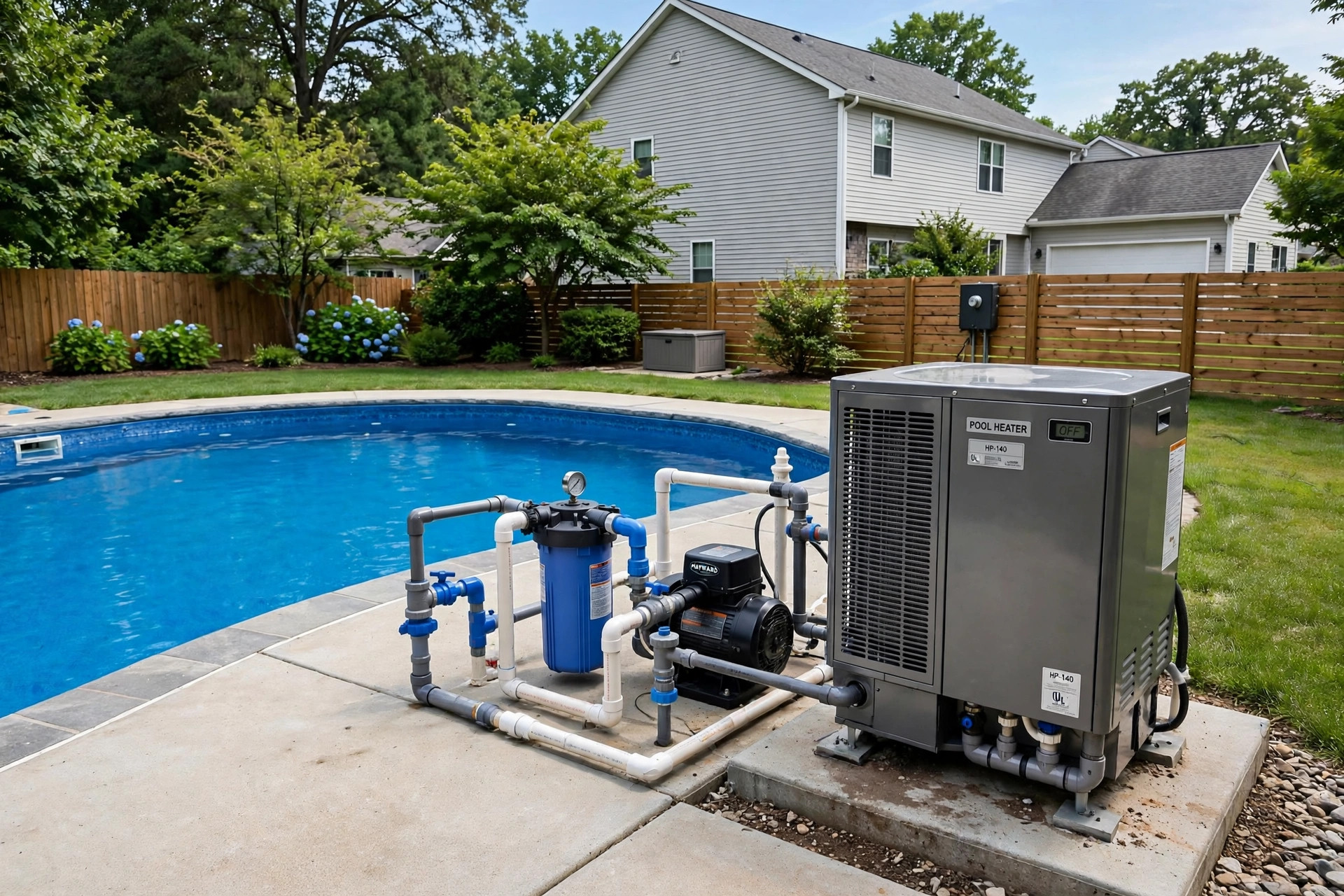
A gas pool heater burns natural gas or propane. The flame heats a copper or cupro-nickel heat exchanger. Pool water flows through the exchanger and picks up heat. The warmed water returns to the pool. This is a direct, powerful way to heat water.
Gas heaters shine at speed. A mid-size gas unit can raise pool temperature by one to two degrees per hour. For a cold pool on a Friday, that means warm water by Saturday. Gas heaters also work well in cool weather. They do not depend on the air temperature to make heat. That makes them a fit for cold climates and short seasons.
Gas heaters need a gas line. Homes with natural gas service hook up at lower fuel cost. Homes without service use propane tanks. Propane costs more per unit of heat. It also needs tank delivery and storage space.
How Electric Pool Heaters Work
Electric pool heating comes in two forms. The common form is the heat pump. A heat pump moves heat from the air into the pool water. It uses electricity to run a compressor and fan. It does not make heat from electricity directly. Because it moves heat instead of making it, it is very efficient. Many heat pumps give back four to six units of heat for each unit of electricity.
The other form is the electric resistance heater. It turns electricity straight into heat. It is cheap to buy but costly to run. Most owners of full-size pools choose heat pumps over resistance heaters.
Heat pumps work best in mild weather. They draw heat from warm air. When the air turns cold, output falls. In very cold weather, some units shut down. That limits their use in northern states during early spring or late fall.
Gas vs Electric Pool Heater Cost Comparison: Purchase Price
The unit price is the first line in any gas vs electric pool heater cost comparison. For a typical 20,000-gallon home pool, a gas heater in the 200,000 to 400,000 BTU range often costs between $1,500 and $3,500 for the unit alone. Larger units cost more.
An electric heat pump for the same pool often costs between $2,500 and $5,500 for the unit. Heat pumps carry more parts: compressor, fan, titanium exchanger, and controls. That raises the price tag. Electric resistance heaters are far cheaper to buy, often under $1,000, but the running cost makes them a poor fit for full-size pools.
Size your heater to your pool. Measure pool volume in gallons. Match the heater output to that volume and to your climate. A seller or installer can run the numbers. Do not guess at size. The right size is a key part of the cost picture.
Installation Cost
Installation can add as much as the heater itself. A gas heater needs a gas line, proper venting, and clearance from the house and pool. If your gas meter is far from the pool pad, running a new line costs real money. In many cases, gas heater installation runs $500 to $2,000 on top of the unit. Homes that need a new gas service or a propane tank setup pay more.
An electric heat pump needs a dedicated electrical circuit. Many units need 220 to 240 volts and a 50 to 60 amp breaker. If your panel has space, the work may cost $300 to $1,000. If you need a panel upgrade or a long wire run, the cost climbs. Heat pumps also need a solid pad and good air flow around the unit.
Get two or three quotes for the full job. Ask each bidder to break out the unit price and the install labor. That makes the gas vs electric pool heater cost comparison honest and clear.
Monthly Running Cost
Running cost is where the two types differ most. A gas heater costs more per hour to run. Gas prices move by region and season. As a rough guide, heating a typical pool with natural gas can cost $200 to $500 per month of regular use. Propane can cost two to three times as much as natural gas.
An electric heat pump costs less per hour in most markets. The same pool may cost $80 to $250 per month to heat with a heat pump. The spread depends on your power rate and the air temperature. In warm states with low power rates, a heat pump can cost very little to run.
The pattern of use matters too. Gas suits short bursts: heat for the weekend, then rest. Heat pumps suit steady use: hold the set point all season. A pool heater operating cost per month falls when you use a solar cover. A cover cuts heat loss at night. It is the cheapest way to lower any heater bill.
You can check appliance efficiency data through sources like the U.S. Department of Energy and look at ENERGY STAR guidance on efficient heating. Major heating makers such as Rheem, Lennox, Trane, Carrier, and Goodman publish spec sheets that show efficiency ratings. Home guides like This Old House and Family Handyman offer plain advice on heating costs and sizing.
Lifespan and Replacement Cost
A gas pool heater often lasts 5 to 10 years. Salt water, chemical swings, and burner wear take a toll. Regular service stretches the life. Neglect shortens it.
An electric heat pump often lasts 10 to 20 years. It has fewer parts under high heat. The titanium heat exchanger resists pool chemicals well. A longer life spreads the higher purchase price over more seasons. That is a real point in its favor in any long-term gas vs electric pool heater cost comparison.
When a heater fails, replacement cost is close to the first install. The pad, wiring, or gas line is already in place. That lowers the second-round bill. Still, a heater that lasts twice as long needs fewer replacements.
Care and Upkeep
Both heater types need care. Test pool water often. Keep pH and chlorine in range. Bad water chemistry corrodes exchangers and voids warranties. Clean the filter so water flows freely. A clogged filter makes the heater work harder.
For gas heaters, check the burner and vent each year. Spiders and leaves block burners. Clear the area around the unit. Have a tech inspect the gas line and heat exchanger before each season.
For heat pumps, keep the air coil clean. Hose off dust and pollen. Trim plants back so air flows. Check that the fan spins free. Listen for odd sounds from the compressor. A yearly check by a tech keeps small faults from growing.
Upkeep cost is modest for both. Budget a yearly service visit. That visit often costs less than one month of wasted fuel from a poorly tuned heater.
Safety Notes
Read the manual for your exact model. Gas heaters make carbon monoxide. Place the unit where exhaust flows away from the house and pool deck. Never block the vent. Have a tech check the gas line for leaks each year. If you smell gas, leave the area and call for help.
Electric heat pumps carry high voltage. Keep the disconnect switch within reach and labeled. Never open the cabinet with power on. Keep water away from wiring. Ground the unit as the manual shows.
Both types get hot on the outside. Keep children and pets clear of the unit. Store pool chemicals away from the heater. Fumes can corrode metal parts. If you heat a pool used by small children or older adults, set the water no higher than 104 degrees Fahrenheit for spas, and keep pool water at a comfortable swim setting.
Climate and Region: Which Wins Where
In the Sun Belt, the electric pool heat pump cost to run is often the lowest. Warm air feeds the heat pump. Power rates in many southern states are low. The heater runs long seasons at steady set points. Over ten years, the heat pump often wins on total cost.
In the North, gas often wins for short seasons. Owners heat for weekends and shut down in cool spells. A gas heater fires up fast and does the job. A heat pump in cold air works poorly or not at all.
In mild coastal states, the race is close. Run your own numbers with local gas and power rates. Multiply expected hours by fuel cost per hour. Add purchase and install. Divide by expected years of life. That simple math gives a fair gas vs electric pool heater cost comparison for your own home.
Related Heating Guides
If you are comparing costs across home heating gear, these guides may help: learn how best pellet stove for basement reviews usa break down stove prices, see what solar attic fan reviews for usa homes say about low running costs, and read best attic ventilation for hot climates usa for ways to cut cooling loads.
Frequently Asked Questions
Which is cheaper to buy: gas or electric pool heater? Gas heaters are usually cheaper to buy. A gas unit for a home pool often costs $1,500 to $3,500. A heat pump often costs $2,500 to $5,500. Install costs vary by home.
Which costs less to run each month? In most markets, an electric heat pump costs less per month to run. Gas costs more per hour but heats faster. The best pick depends on your fuel rates and how often you heat.
Does a heat pump work in cold weather? Heat pumps work best when air is above 50 degrees Fahrenheit. Below that, output falls fast. Many units shut off in cold air. Gas heaters work in any air temperature.
How long does each type last? Gas heaters often last 5 to 10 years. Heat pumps often last 10 to 20 years. Good water chemistry and yearly service help both reach the high end.
Can I switch from gas to electric later? Yes. The pad and plumbing stay. You will need an electrician to add the right circuit and breaker. You may also need to cap the gas line. An installer can quote the change.
Does a pool cover really lower heating cost? Yes. A solar cover cuts night heat loss. It can cut heating cost by half or more. It is the cheapest upgrade in any gas vs electric pool heater cost comparison.
Final Word
The gas vs electric pool heater cost comparison comes down to your rates, your climate, and your swim habits. Gas costs less to buy and heats fast. It suits short seasons and on-demand heating. Electric heat pumps cost more to buy but less to run. They suit long seasons and steady warmth. Add up purchase, install, fuel, and lifespan for your own home. Then choose the heater that fits your budget and your pool.
References
Carrier. (n.d.). Heating and cooling systems. https://www.carrier.com ENERGY STAR. (n.d.). Energy efficient products. https://www.energystar.gov Family Handyman. (n.d.). DIY home repair and maintenance. https://www.familyhandyman.com Goodman. (n.d.). Heating and cooling equipment. https://www.goodmanmfg.com Lennox. (n.d.). Heating and cooling systems. https://www.lennox.com Rheem. (n.d.). Heating, cooling, and water heating. https://www.rheem.com This Old House. (n.d.). Home renovation guidance. https://www.thisoldhouse.com Trane. (n.d.). Heating and air conditioning. https://www.trane.com U.S. Department of Energy. (n.d.). Energy efficiency and renewable energy. https://www.energy.gov
Was this guide helpful?

About Jennifer Lee
The My Garden US editorial team writes practical, in-depth home and garden guides for American homeowners — tested advice, no fluff.
You May Also Like
Mini Split for Garage Heating and Cooling: A Practical Guide for Homeowners
July 29, 2026 0 views
Best Attic Tent for Pull Down Stairs USA: A Practical Homeowner Guide
February 26, 2026 0 views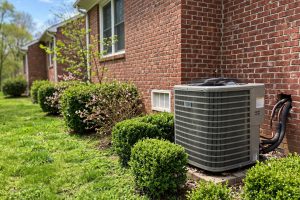
What Is the AC Tune Up Cost Near Me for Spring 2026?
April 19, 2026 0 views