
Many families in the country drink water from a private well. This water does not pass through a city treatment plant. That means the family is in charge of making it safe. UV water purifier for well water reviews can help a homeowner learn how these units work and which ones are worth the money. A UV purifier uses light to kill germs in water. It has no moving parts that wear out fast. It does not change the taste of the water. But it only works well when it is set up the right way and kept clean. This guide explains what matters, what to look for, and what to ask before you buy.
Why Well Water Needs Special Care
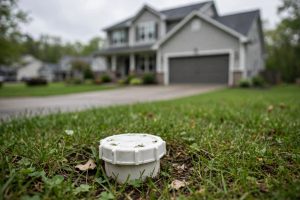
City water is tested by the utility company. Well water is not tested by anyone unless the owner does it. Rain and snow sink into the ground. On the way down, water can pick up bacteria, viruses, and other germs. A septic tank that leaks, a cracked well cap, or a flooded yard can all send germs into the well. A well that has been fine for years can turn bad after one heavy storm.
The federal drinking water rules set limits for city systems. Private wells are not covered by those rules. That is why rural families must test their own water. Public health guidance on well water urges owners to test at least once a year for bacteria and nitrates. A basic test is cheap. It tells you whether germs are in your water. Without a test, you are guessing.
UV purifiers are made to kill the germs that tests find. They are a good fit for well water because they handle bacteria and viruses without adding chemicals. They do not soften water. They do not remove iron or sulfur. They do one job, and they do it well when the water is clear enough for the light to reach through.
How UV Water Purifiers Work: Uv Water Purifier for Well Water Reviews
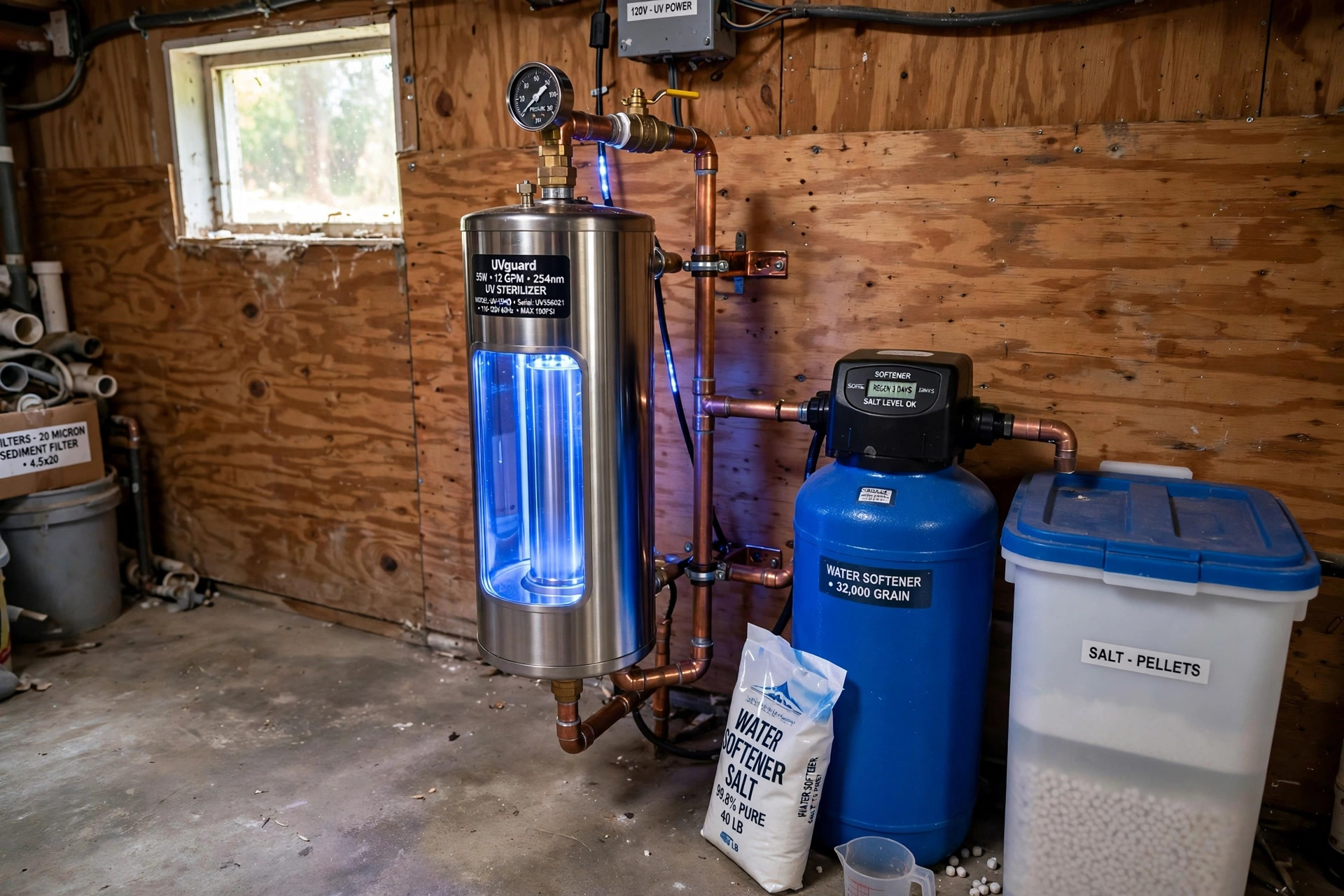
A UV purifier is a steel chamber with a special lamp inside. Water flows through the chamber. The lamp gives off ultraviolet light. This light breaks the DNA of bacteria and viruses. Once the DNA is broken, the germs cannot grow or make people sick. The water stays the same. It does not get a new taste or smell. No chemicals are added.
The dose of light is the key number. Dose is measured in millijoules per square centimeter. For most homes, 30 to 40 millijoules per square centimeter is enough to kill common bacteria and viruses. Some reviews say higher doses are better for stubborn germs. A low dose may not be enough. That is why the size of the lamp and the speed of the water matter. Water that flows too fast may not get a full dose.
The lamp is on all day as long as the unit has power. When you turn on a tap, water moves through the chamber and gets treated. When the tap is off, the lamp keeps running so it is ready. A sensor in better units checks the light level. If the lamp gets weak, the sensor can sound an alarm or shut off the water. These extras add cost, but they add safety too.
What to Look for When You Read UV Water Purifier for Well Water Reviews
Reviews tell you what other buyers think. Some reviews are honest. Some are not. The best way to read them is to look for patterns. If many buyers say the lamp burned out early, that is a warning. If many buyers say the unit was easy to install, that is a good sign. Here are the points that matter most.
Flow Rate
Flow rate is measured in gallons per minute. A small cabin may need only three gallons per minute. A large family home may need ten or more. If the flow rate is too low, showers will feel weak and two taps cannot run at once. Many negative reviews come from buyers who bought a unit that was too small for their house. Measure your needs first. Add up the taps that might run at the same time. Then pick a unit with a higher flow rate than that number.
Lamp Size and Dose
Bigger chambers and stronger lamps give a higher dose. Reviews often list the dose the unit is rated for. Look for 40 millijoules per square centimeter or more. Also check how long the lamp lasts. Most lamps are rated for about 9,000 hours, or one year of constant use. After that time, the light may still glow but the germ-killing power fades. Many buyers forget this. They think the unit is still working when the lamp is really spent.
Water Quality Needs
UV light cannot pass through cloudy water. If your well water is cloudy, muddy, or full of iron, a UV unit alone will not work. You will need a filter in front of it. A good sediment filter for well water takes out sand and rust so the UV light can reach the germs. Some buyers pair the UV unit with a whole well water filtration system that also handles iron and odor. Hard water is another problem. Lime scale can coat the glass sleeve around the lamp. A water softener for well water in front of the UV unit can stop that coating. Good reviews often mention that the buyer had their water tested first. That is the right way to do it.
Types and Options
UV purifiers for well water come in a few main styles.
Point of entry units. These are installed where the water pipe enters the house. They treat all the water in the home. This is the most common choice for well owners. They cost more, but they protect every tap.
Point of use units. These are small units placed under one sink. They treat only the water from that tap. They are a good choice for a cabin or for a family that only wants safe drinking water at one spot. Reviews of these units are often about easy installation.
Units with alarms and monitors. Some models have a small screen that shows lamp life and light level. Some can cut off water flow if the lamp fails. These features cost extra. For a family with small children or old parents, the extra cost may be worth it.
Units with built-in filters. A few products pair a UV lamp with a carbon or sediment filter in one box. This saves space. But the combined units can be harder to service. Many experienced owners prefer separate parts so they can change one piece at a time. Home improvement advice often favors simple setups that are easy to fix.
Cost and Price
A small under-sink UV unit may cost between one hundred and two hundred dollars. A whole-house unit for a family home often costs between three hundred and eight hundred dollars. Large units with monitors can cost more than one thousand dollars. The lamp is a running cost. A new lamp each year costs between forty and one hundred twenty dollars, depending on the model. Some buyers complain in reviews that they did not know about this yearly cost. Know it before you buy.
Installation cost is separate. If you hire a plumber, expect to pay between one hundred fifty and four hundred dollars. A handy owner can install a basic unit in a few hours with simple tools. DIY repair advice suggests shutting off the well pump and draining the pipes before starting. Big-box retailers like Home Depot and Lowe’s carry many models and list prices side by side, which makes shopping easier.
Do not forget the cost of pre-filters. If your water needs a sediment filter in front of the UV unit, that filter needs new cartridges every few months. Add that to your yearly budget. Cheap units with cheap parts can cost more over time than a solid unit with a long-life lamp.
Care and Upkeep
A UV purifier needs little care, but the care it needs is important. Mark these jobs on a calendar.
Change the lamp once a year. Even if it still lights up, change it. The germ-killing power drops with age. Write the install date on a small tag tied to the unit so you do not forget.
Clean the glass sleeve. The lamp sits inside a quartz sleeve. Minerals and slime can coat this sleeve and block the light. Some units have a wiper you can slide back and forth. Others need to be taken apart and wiped with a soft cloth and vinegar. Reviews that mention clear water often come from owners who clean the sleeve often.
Change pre-filters on time. A dirty pre-filter lets cloud pass through to the UV chamber. When the water is cloudy, germs can hide in the shadows of tiny particles and escape the light. Check the pre-filter every month or two at first. Once you learn how fast it gets dirty, set a schedule.
Test the water again. After you install the UV unit, test the water for bacteria within a few weeks. Then test once a year. A test proves the system is working. It is cheap insurance. Groundwater quality can change over time, so one old test is not enough.
Keep a spare lamp and sleeve on hand. If a lamp burns out on a holiday weekend, you will want the part in your garage, not on a delivery truck. Many positive reviews mention that the brand sells parts for years. Look for that before you buy.
Safety
UV light is safe for drinking water, but the lamp itself can hurt your eyes and skin. Never look directly at a lit UV lamp. Never touch a new lamp with bare hands, because skin oils can create hot spots on the glass. Use gloves or a soft cloth. Unplug the unit before you change the lamp or clean the sleeve. Keep the small view port covered. Let the unit cool down before you touch it, since the chamber gets warm during use.
Electrical safety matters too. The unit plugs into a standard outlet. Keep the plug and the outlet dry. Many owners plug the unit into a ground fault outlet near the well tank. If the power goes out often in your area, think about a backup. When the power is off, the lamp is off, and untreated water can flow to the taps. Some families add a whole-house valve or simply avoid drinking tap water during outages. Fixture and water system makers remind owners that any treatment device is only as safe as its power supply.
Children should not be allowed to open or play with the unit. Put it in a locked utility room if you can. The chamber holds water under pressure, so check fittings for leaks now and then. A small drip can turn into a big flood.
Frequently Asked Questions
Do UV purifiers work on well water? Yes, if the water is clear enough. UV light kills bacteria and viruses. It does not remove iron, sulfur, mud, or chemicals. If your well water is cloudy, add a filter in front of the UV unit. Independent certification can confirm a unit meets health standards.
How often should I change the UV lamp? Change it once every twelve months. The lamp may still glow after a year, but its germ-killing power will have faded. Many owners change the lamp on the same date each year, like the start of spring.
Will a UV purifier change the taste of my water? No. UV treatment adds nothing to the water and takes nothing out. The taste stays the same. If your water tastes bad because of iron or sulfur, you will need a different filter for that problem. Brand guides from water filtration companies explain which products handle taste and odor.
Can I install a UV purifier myself? Many owners do. You need basic plumbing skills and simple tools. You must shut off the well pump and drain the pipes first. If you are not sure, hire a plumber. A bad install can leak or let untreated water pass through.
Is UV better than chlorine for well water? Each has strong points. UV adds no chemicals and does not change taste. Chlorine kills germs too, but it needs careful dosing and leaves a taste. Some families use both: chlorine in a storage tank, then UV as a final guard. Your water test results should guide the choice.
What size UV unit does my house need? Match the flow rate to your house. Count the taps, showers, and washers that may run at the same time. Pick a unit rated for more gallons per minute than that total. When in doubt, go one size up. A unit that is too small is the most common complaint in negative reviews.
A Final Word
UV water purifier for well water reviews are a good starting point, but they are not the whole story. Test your water first. Know what is in it. Then pick a unit with a strong dose, a flow rate that fits your house, and parts you can buy for years. Install it the right way. Change the lamp each year. Clean the sleeve. Test the water again. These simple steps turn a good review into a safe glass of water for your family.
References
Aquasana. (n.d.). Water filtration systems. https://www.aquasana.com Centers for Disease Control and Prevention. (n.d.). Cleaning and disinfecting your home. https://www.cdc.gov Family Handyman. (n.d.). DIY home repair and maintenance. https://www.familyhandyman.com Lowe’s. (n.d.). Home improvement products. https://www.lowes.com Moen. (n.d.). Faucets and plumbing fixtures. https://www.moen.com NSF International. (n.d.). Product certification standards. https://www.nsf.org The Home Depot. (n.d.). Home improvement products. https://www.homedepot.com This Old House. (n.d.). Home renovation guidance. https://www.thisoldhouse.com U.S. Environmental Protection Agency. (n.d.). Protecting human health and the environment. https://www.epa.gov U.S. Geological Survey. (n.d.). Groundwater. https://www.usgs.gov
Was this guide helpful?

About Michael Thompson
The My Garden US editorial team writes practical, in-depth home and garden guides for American homeowners — tested advice, no fluff.
You May Also Like
Best Toilet Flapper Replacement Reviews USA: A Practical Buying Guide
January 26, 2026 0 views
Best Comfort Height Toilet Reviews 2026 USA: How to Choose the Right Model
January 19, 2026 0 views
Best 50 Gallon Gas Water Heater Reviews USA: A Complete Buying Guide
April 8, 2026 0 views