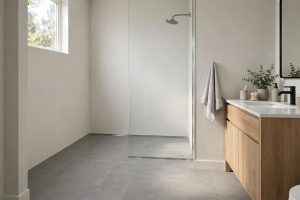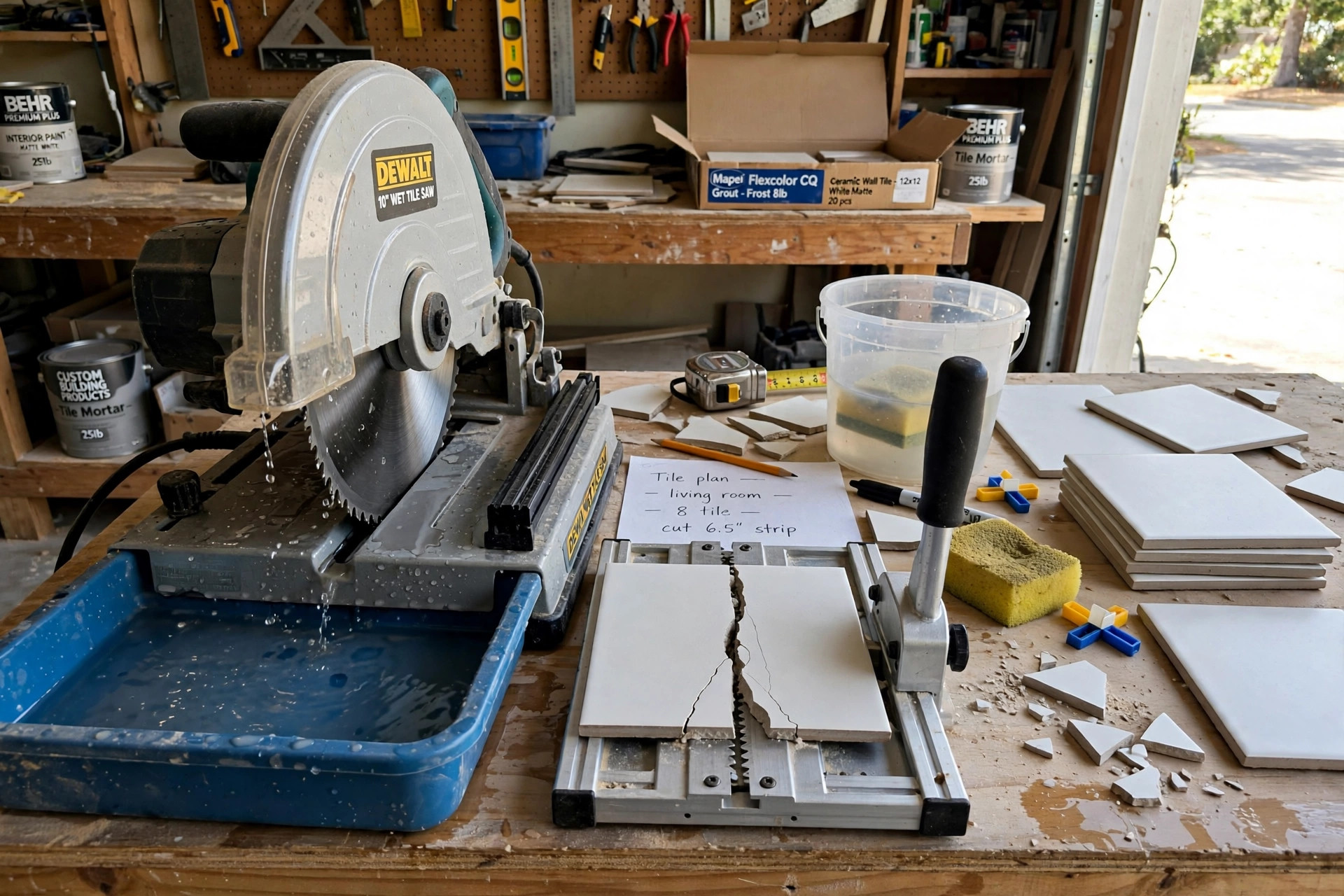

The question of wet saw vs snap cutter for tile usa comes up in nearly every first tile project. Both tools cut ceramic and porcelain tile. Both are sold in hardware stores across the country. Yet they work in very different ways. A wet saw uses a spinning diamond blade with water to keep it cool. A snap cutter uses a small wheel to score the glaze, then pressure to snap the tile along the line. This guide will walk you through each tool. It will show what each one does well and where it falls short. By the end, you will know which tool fits your job, your tile, and your budget.
Why the Right Cutter Matters
Tile work lives and dies by clean cuts. A straight, smooth edge makes grout lines look even. A rough or chipped edge draws the eye at once. The wrong tool can waste tile. Waste costs money, since tile is often bought in fixed boxes with only a few extra pieces.
Many homeowners start with a simple job. They may lay a small floor or set a kitchen backsplash tile. They soon learn that few tiles fit a room without being cut. Doorways, corners, and pipes all demand trimmed pieces. The right cutter turns this chore into steady progress. The wrong cutter turns it into broken tile and lost time.
How a Wet Saw Works: Wet Saw vs Snap Cutter for Tile Usa
A wet saw is an electric power tool. It has a diamond coated blade that spins fast. Below the blade sits a shallow tray of water. As the blade cuts, the water cools it and washes dust away. You lay the tile on a sliding tray and push it gently into the blade.
The wet saw can cut almost any tile. It handles ceramic, porcelain, glass, and stone. It makes straight cuts with ease. It can also make L cuts and corner notches. With care, it can cut gentle curves. Many flooring guides point out that hard porcelain is much easier to cut on a wet saw than by hand.
The water has one more benefit. It keeps dust down. Tile dust is fine and harsh. It can harm lungs over time. The wet tray holds most of it back. Still, a dust mask is wise.
How a Snap Cutter Works
A snap cutter is a hand tool. It has a flat bed, a guide rail, and a small carbide scoring wheel. You place the tile face up on the bed. You line up your mark with the guide. Then you push the wheel across the tile with firm, even pressure. This scores a line in the glaze. Finally, you press down on the breaker bar. The tile snaps cleanly along the scored line.
There is no electricity involved. There is no water and no mess. A snap cutter is light and easy to carry from room to room. A popular tile brand notes that snap cutters are ideal for quick straight cuts in ceramic and most porcelain.
The tool has limits. It only cuts straight lines. It cannot cut curves or notches. It also struggles with very hard or thick tile. Some dense porcelain will not snap cleanly.
Wet Saw vs Snap Cutter: Head to Head
Straight cuts
Both tools make straight cuts. The snap cutter is faster for simple cuts. You score, snap, and move on. The wet saw takes longer to set up and clean. But it cuts straighter over long pieces. On 24 inch tile, the wet saw holds a true line where a snap cutter may drift.
Curves and special cuts
Only the wet saw can do this work. Curved cuts, rounded corners, and pipe cutouts all need a power tool. A snap cutter cannot bend its cut. If your job has outlets or round plumbing lines, you will need a wet saw or a tile nipper at least.
Tile hardness
Soft ceramic cuts well on either tool. Medium porcelain works on both, but the wet saw gives cleaner results. Very hard porcelain and stone belong on the wet saw. Many home project guides warn that dense floor tile often chips on a snap cutter.
Speed and cleanup
The snap cutter wins on speed for simple jobs. There is no setup. You work and you are done. The wet saw needs setup, water changes, and cleanup. The slurry can splash. Still, for large jobs the wet saw keeps pace. Its cuts need less filing and sanding.
Cost
A basic snap cutter costs far less than a basic wet saw. A decent hand cutter may run thirty to sixty dollars. An entry level wet saw starts near one hundred dollars. Both can be rented by the day at large home centers, which is often the best choice for a single project.
Ease of use
The snap cutter is simple to learn. Most people get clean snaps after a few practice tiles. The wet saw takes more practice. You must feed the tile at a steady pace. You must keep your hands clear of the blade. The learning curve is real but not steep.
What to Look for When Choosing
Your tile type
Check what you are cutting. Glazed ceramic wall tile is soft and easy. Either tool will do. Porcelain floor tile is harder. A snap cutter can work if the tile is not too dense. Natural stone is the hardest. It needs the wet saw. A leading flooring maker advises matching the tool to the hardest tile in your plan.
Your cut list
Count the cuts you will make. If every cut is straight, a snap cutter may be all you need. If you have outlets, curves, or corner notches, the wet saw earns its place. Draw a simple sketch of each row. Mark every cut. This plain step shows which tool fits.
Project size
Small jobs favor the snap cutter. A powder room floor or a short backsplash may take only a dozen cuts. Large jobs favor the wet saw. A whole house floor has hundreds of cuts. Speed and clean edges matter more there.
Your workspace
The wet saw needs space and power. It splashes water and slurry. Most people run it in a garage or outdoors. The snap cutter fits anywhere. It works on a tabletop. It makes no mess at all. Apartment dwellers often pick the snap cutter for this reason.
Your budget
Add up rent and buy options. If you will tile again in the future, buying may pay off. A major retailer sells both tools at many price points. For a one time job, rental keeps costs low.
Types and Options for Each Tool
Snap cutter sizes
Snap cutters come in lengths from 12 inches to 36 inches or more. The cutter must be longer than the diagonal of your largest tile. A 24 inch tile needs a cutter that can score its full diagonal, which is about 34 inches. Buy or rent one size up if you are unsure.
Wet saw sizes
Tabletop wet saws are light and cheap. They cut tile up to about 12 inches well. Sliding table saws are larger. They handle 24 inch tile with ease. Bridge saws are the largest and most costly. They suit pros who cut all day. Flooring retailer catalogs show the range in plain terms.
Blade choices for wet saws
The standard diamond blade cuts most tile. A continuous rim blade gives the smoothest edge. It works best on ceramic and glass. A turbo rim blade cuts faster and suits stone. A blade made for porcelain resists the heat of dense tile. Keep the blade true and clean. A worn blade chips edges.
Scoring wheel choices for snap cutters
Snap cutters use replaceable carbide wheels. A standard wheel suits ceramic. A finer wheel suits porcelain. Wheels dull with use. A dull wheel scores a weak line. Weak lines lead to bad breaks. Replace the wheel when snaps turn ragged.
Cost and Price Breakdown
Prices shift by brand and store, but ranges hold fairly steady across the USA.
A manual snap cutter for small tile runs about thirty to sixty dollars. A large cutter for 24 inch tile runs about eighty to one hundred fifty dollars. A pro grade snap cutter can reach three hundred dollars.
A basic tabletop wet saw runs about ninety to one hundred fifty dollars. A mid grade sliding table saw runs about two hundred to four hundred dollars. A pro bridge saw can top one thousand dollars.
Rental is common. A wet saw rents for about forty to sixty dollars per day at national home stores. A snap cutter rents for about twenty to thirty dollars per day, though many stores do not stock them for rent.
Do not forget blades and wheels. A good diamond blade costs thirty to eighty dollars. A spare scoring wheel costs ten to twenty dollars. These wear parts are part of the true price.
For many homeowners, the smart path is rent the wet saw and buy a small snap cutter. The pair covers every cut at a fair cost.
Care and Upkeep
Wet saw care
Change the water often. Dirty water feeds chips and dulls the blade. Let the blade dry between uses. Check the blade for cracks before each job. Keep the sliding tray clean so tile moves smooth. Store the saw dry to stop rust on the frame.
Snap cutter care
Wipe the bed after use. A gritty bed scratches tile glaze. Oil the rail now and then so the wheel slides true. Keep the scoring wheel covered when stored. A chipped wheel scores a broken line. Check the breaker bar pads. Worn pads can mark tile faces.
Blade and wheel life
Diamond blades last a long time with water and gentle feed. Forcing tile through the blade wears it fast. Scoring wheels last for hundreds of cuts in ceramic. In hard porcelain, they wear much faster. Keep spares on hand for big jobs.
Safety
Both tools demand respect. The wet saw has a spinning blade. Keep fingers clear of the cut path. Wear safety glasses. Wet tile is slick, so keep a firm grip. Unplug the saw when you change blades.
The snap cutter seems harmless, but broken tile has sharp edges. Wear gloves when handling fresh cuts. Safety glasses are wise here too. Scored tile can snap with force and send small shards flying.
Dust is a shared concern. Even with water, fine dust rises. A simple dust mask adds real protection. Work in a ventilated space when you can.
A classic home guide reminds readers to read the tool manual before the first cut. Every tool has its own quirks. Ten minutes with the manual saves hours of grief.
Frequently Asked Questions
Can a snap cutter cut porcelain tile?
It can cut many porcelain tiles, but not all. Thin wall porcelain and standard floor porcelain usually snap fine. Very dense, thick porcelain may crack or chip. Test on a spare piece first. If the break is ragged, switch to a wet saw.
Do I need both tools for a bathroom floor?
Many tilers keep both on hand. The snap cutter handles the many straight cuts fast. The wet saw handles the few tricky cuts around pipes and door jambs. If you must pick one, the wet saw covers more cases.
Is a wet saw worth buying for one job?
Often not. Rental costs far less than purchase for a single project. Rent a sliding table saw for the weekend. You get a better tool than you would buy for the same money. Buy only if you plan more tile work in the years ahead.
Why do my tiles chip on the snap cutter?
Three causes are common. The scoring wheel may be dull. Your score may be too light or uneven. Or the tile may be too hard for the tool. Try a new wheel and firmer, even pressure. If chips persist, move the cut to a wet saw. Light sanding with a rubbing stone can fix small chips.
Can I cut glass tile with a snap cutter?
It is not advised. Glass tile tends to shatter under the breaker bar. A wet saw with a glass rated blade gives far better results. Feed the tile slowly and let the blade do the work.
What size snap cutter do I need for 12×24 tile?
You need a cutter longer than the tile diagonal. A 12 by 24 tile has a diagonal near 27 inches. A 28 inch or larger cutter is the safe pick. When in doubt, go one size up. A cutter that is too short cannot score the full line.
A Short Final Word
The debate of wet saw vs snap cutter for tile usa has no single winner. The right tool follows the job. Soft tile and straight cuts favor the snap cutter. Hard tile, curves, and large jobs favor the wet saw. Many wise homeowners use both. Rent the saw. Buy a decent hand cutter. You will cut clean, waste less tile, and finish with work you can be proud of. And once the tile is set, the same care in tool choice pays off across the house, whether you are weighing oak flooring choices or picking flooring for kitchens with dogs.
References
Daltile. (n.d.). Ceramic and porcelain tile. https://www.daltile.com LL Flooring. (n.d.). Hardwood, vinyl, and tile flooring. https://www.llflooring.com Lowe’s. (n.d.). Home improvement products. https://www.lowes.com Mohawk Flooring. (n.d.). Flooring products. https://www.mohawkflooring.com Shaw Floors. (n.d.). Flooring products. https://www.shawfloors.com The Home Depot. (n.d.). Home improvement products. https://www.homedepot.com The Spruce. (n.d.). Home and garden advice. https://www.thespruce.com This Old House. (n.d.). Home renovation guidance. https://www.thisoldhouse.com
Was this guide helpful?

About Lisa Anderson
The My Garden US editorial team writes practical, in-depth home and garden guides for American homeowners — tested advice, no fluff.
You May Also Like

Vintage Style Area Rugs for Sale USA: A Plain Guide to Buying Them
January 26, 2026 0 views
Solid vs Engineered Bamboo Flooring USA: A Plain Guide for Homeowners
April 2, 2026 0 views
Best Carpet Pad for Concrete Slab USA: A Complete Buying Guide
March 19, 2026 0 views