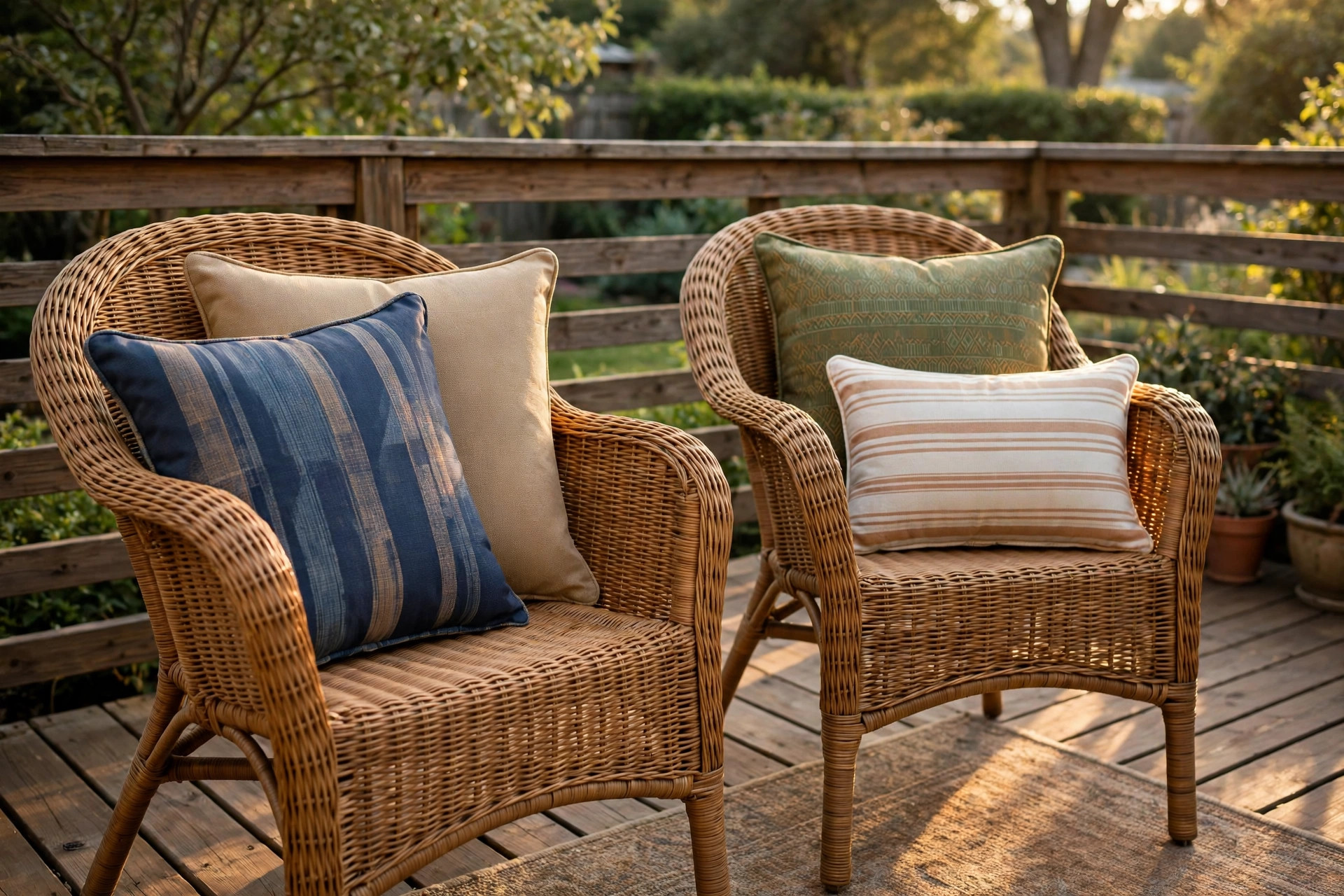

A patio becomes a second living room in warm weather. You set out chairs, a small table, and perhaps a grill. Yet something is often missing. The seats feel hard. The colors look plain. This is where waterproof outdoor throw pillows for patio furniture prove their worth. They add comfort in a minute. They add color in a minute. And because they are waterproof, they stay out in the rain without damage.
This guide explains what these pillows are, how to choose them, what they cost, and how to keep them in good shape. It is written in plain terms. You do not need special knowledge to follow it.
Why Waterproof Pillows Matter on a Patio
A patio lives outdoors. That is its nature. Sun falls on it all day. Rain falls on it without warning. Morning dew settles on every surface. Ordinary indoor pillows cannot survive these conditions. One hard rain can ruin them. Mold can grow inside within days.
Waterproof outdoor throw pillows for patio use are built for this life. Their covers shed water instead of soaking it up. Their fills resist mold and mildew. Their colors are made to stand up to the sun. You can leave them out during a passing storm and they will dry quickly once the sun returns.
There is also a simple comfort reason. A wooden bench or a metal chair feels hard after twenty minutes. A thick pillow changes that. Guests stay longer. Meals stretch into the evening. A patio that invites people to sit becomes a place the family actually uses.
What “Waterproof” Really Means: Waterproof Outdoor Throw Pillows for Patio
The word waterproof is used loosely on store tags. It helps to know the difference between water-resistant and truly waterproof.
Water-resistant fabric slows water down. Light rain beads on the surface and rolls off. A heavy downpour, however, will soak through after a while. Many patio pillows fall into this group. They are fine in light weather.
Truly waterproof fabric blocks water. It has a coating or a tight weave that water cannot pass through. Some covers use a vinyl-like layer on the inside. Others use solution-dyed acrylic, a fabric in which the color goes all the way through each fiber. These materials keep rain out even in a steady shower.
No pillow is waterproof forever. Coatings wear down. Seams can let water in. Sun weakens fibers over time. The honest claim is water resistance that lasts, plus quick drying. When you shop, read the label. Look for words like mold-resistant, mildew-resistant, and UV-stable. These tell you more than the word waterproof alone.
What to Look For When You Buy
Start with the fabric. The cover matters more than anything else. The best covers use solution-dyed acrylic or polyester with a water-repellent finish. These fabrics hold their color in the sun. They do not fade to a pale ghost of their first shade after one summer. Canvas-weight polyester is a good budget choice. It costs less and still handles rain well.
Next, check the fill. Cheap fills turn lumpy after a few weeks of rain and drying. Look for polyester fiberfill marked as quick-dry or for open-cell foam. Some pillows use recycled plastic fills that let water pass straight through. These dry in hours instead of days. Press the pillow in the store. It should spring back to its shape. If it stays flat where you pressed, the fill is poor.
Seams deserve attention too. Stitched seams are normal. Sealed or heat-welded seams are better, since stitch holes are small paths for water. At a minimum, the seams should be straight and tight, with no loose threads. A hidden zipper is a good sign. It keeps water from entering through the opening.
Size and thickness are practical matters. Most patio throw pillows measure 16 to 20 inches square. A 16-inch pillow suits a small bistro chair. An 18 or 20-inch pillow fits a deep lounge chair better. Thickness of four inches or more gives real comfort. Thin pillows look flat and offer little support.
Color is worth some thought. Bright colors lift a plain patio. But dark colors can grow hot in full sun. Very light colors show dirt sooner. Stripes and patterns hide soil better than solid colors. If your patio gets strong afternoon sun, consider fade-resistant fabric even if it costs a little more.
Weight is another small detail that matters. A pillow with some heft stays in place on a breezy day. Very light pillows blow off chairs at the first gust. If you cannot find the weight on the tag, pick the pillow up. A solid, dense feel is a good sign. You can also pair lighter pillows with chair ties or store them in a deck box when storms approach.
Types and Options
Throw pillows for the patio come in several shapes. The square is the common one. It works on almost any chair or bench. Lumbar pillows are long and low. They support the lower back on deep sofas and are excellent for reading. Round pillows add a soft look to a corner seat.
Some pillows are sold in sets of two or four. Sets cost less per pillow than single purchases. They also match by design, which saves you the work of pairing colors. If you like to mix patterns, buy singles and combine stripes with solids.
There are also pillows with ties. Small fabric ties at the corners let you fasten the pillow to a chair. This stops the wind from carrying them across the yard. On a windy porch, ties are worth their weight. If your patio sits in an open spot, ties are not a luxury. They are a need.
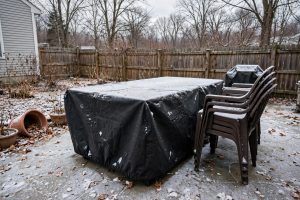
Related products can stretch your budget further. A set of heavy duty weatherproof patio furniture covers protects your chairs and sofas through the off season. Pairing those covers with waterproof pillows means your whole seating area stays ready for use.
Cost and Price
Prices vary widely. At large retailers such as IKEA and Wayfair, a basic waterproof throw pillow often sells for eight to fifteen dollars. Mid-range pillows with solution-dyed fabric run from fifteen to thirty dollars each. High-end brands with the best fade resistance can reach forty dollars or more per pillow.
Sets offer savings. A four-pack of decent quality often costs thirty to fifty dollars total. That brings the price per pillow down to a range most families find comfortable.
Watch for sales at the end of summer. Stores clear patio goods in August and September. You can often buy good pillows at half price. Buy one season ahead and store them dry through winter. The savings are real.
When you compare prices, read independent reviews before you decide. Consumer Reports tests outdoor products for durability and weather resistance. Its findings can help you avoid cheap pillows that fail after one season.
Do not judge by price alone. A six-dollar pillow that falls apart in two months costs more than a twenty-dollar pillow that lasts three years. Check the fabric weight, the stitching, and the return policy.
Care and Upkeep
Waterproof does not mean maintenance-free. A little care doubles the life of your pillows.
Shake them off after rain. Standing water in folds can seep through seams over time. Stand the pillows on edge for an hour so air reaches all sides. This simple habit prevents musty smells.
Clean them with mild soap and water. Mix a small amount of dish soap in a bucket of warm water. Scrub gently with a soft brush. Rinse with a hose. Let them dry fully in the sun. Avoid bleach. It weakens the fabric and fades the color.
For deeper guidance on washing outdoor fabrics, see this guide to how to clean outdoor furniture cushions. Many of the same steps apply to throw pillows.
Store pillows indoors during winter if you can. A dry garage shelf or a storage bench works well. Cold and ice do not help any fabric. If indoor storage is not possible, use a waterproof deck box. Keep the pillows off the ground so air can move around them.
Check the zippers once a season. A stuck zipper can tear the fabric if forced. A drop of candle wax on the teeth keeps them sliding smoothly.
Sun is the slowest form of wear. Even fade-resistant fabric loses some strength after years of full exposure. If you leave the patio unused for weeks in high summer, toss the pillows into a shaded storage box. This small step can add a full season to their life. Rotate them too. Swap the pillows on the sunny side with those in the shade each month so they wear evenly.
Safety
Patio pillows are safe products, but a few points deserve care.
Keep pillows away from open flame. Many outdoor fabrics burn if held to a flame. Do not place pillows near a fire pit or a grill. Sparks can land on them. A wind-resistant patio umbrella with a sturdy base also helps keep shade structures from tipping onto seating areas in gusts.
Check for small parts if children use the patio. Buttons and decorative ties can come loose on cheap pillows. Remove any loose decoration before small children play nearby.
Let wet pillows dry before stacking them in storage. Trapped moisture grows mold even in “mold-resistant” fills. The label means resistant, not immune.
Frequently Asked Questions
Can I leave waterproof outdoor throw pillows for patio use outside all the time?
Yes, in the warm season. That is what they are made for. They will handle sun and rain far better than indoor pillows. Still, bring them in during long storms or winter. Less exposure means longer life.
How long do these pillows last?
A good pillow lasts two to four seasons of regular outdoor use. Cheap pillows may last one season. Sun is the main enemy. Fade-resistant fabric lasts longest. Proper storage in winter adds at least one more season.
Are waterproof pillows comfortable to lean on?
Yes, if you choose the right fill. Quick-dry fiberfill and open-cell foam give firm support and bounce back after use. Thin, cheap fills feel flat. In the store, press the pillow and watch it recover. Slow recovery means poor fill.
Can I wash them in a machine?
Most can be spot-cleaned only. Some covers with zippers can go in the machine on a gentle cycle. Read the care tag first. Never put the fill in a dryer on high heat. Air drying is safest.
Do waterproof pillows get hot in the sun?
Dark colors do grow hot. Light and medium colors stay cooler. The fabric itself breathes better than vinyl covers did in past decades. If your patio faces west, choose lighter shades for comfort in the evening.
What size should I buy for a standard patio chair?
Sixteen to eighteen inches square works for most chairs. For a deep lounge chair or a bench, use eighteen to twenty inches, or add a lumbar pillow for back support.
A Final Word
Waterproof outdoor throw pillows for patio seating are one of the simplest upgrades a homeowner can make. They cost little. They need little care. They turn hard chairs into inviting seats and plain decks into colorful rooms.
Buy for fabric first, fill second, and looks third. Store them dry in winter. Wash them gently in summer. Follow these plain steps and your pillows will serve you for years of long evenings outdoors.
References
IKEA. (n.d.). Outdoor furniture and accessories. https://www.ikea.com Wayfair. (n.d.). Patio furniture and outdoor decor. https://www.wayfair.com Consumer Reports. (n.d.). Product reviews and ratings. https://www.consumerreports.org
Was this guide helpful?

About Lisa Anderson
The My Garden US editorial team writes practical, in-depth home and garden guides for American homeowners — tested advice, no fluff.
You May Also Like

A Guide to Choosing an Outdoor Bar Table Set for Four
January 17, 2026 0 views
The Best Adirondack Chair for Tall People: A Complete Buying Guide
September 14, 2026 0 views
Best Patio String Lights for Backyard Evenings: A Plain Guide
May 26, 2026 0 views