
Introduction
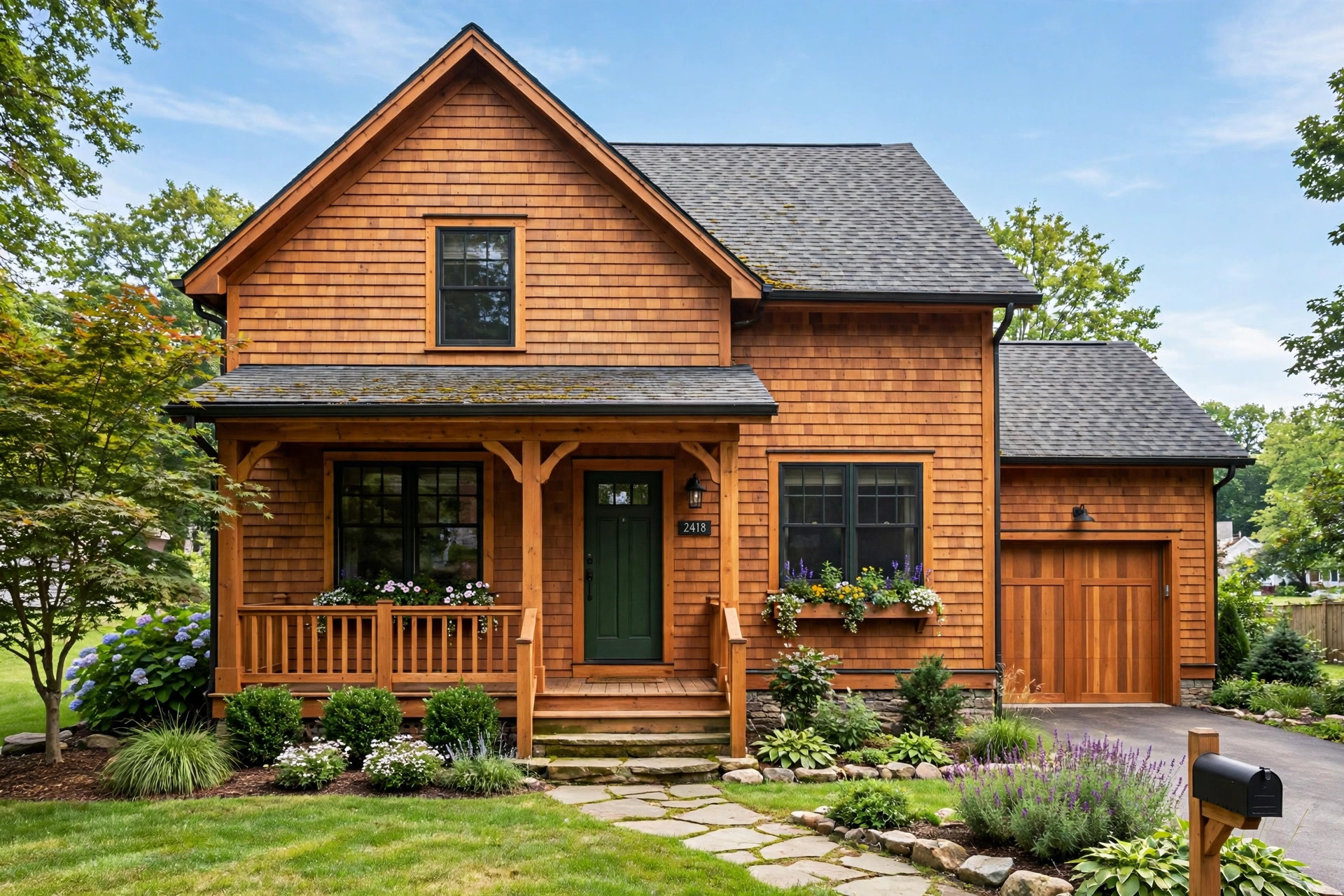
Cedar siding gives an American home warmth and character that few other materials can match. The right stain color protects the wood and sets the tone for the whole property. When homeowners search for cedar siding stain colors for usa homes, they want shades that look good in real daylight and last through hot summers and cold winters. This guide covers the most popular colors, how to choose among them, and what it costs to stain cedar siding in the United States.
Why Stain Color Matters for Cedar Siding: Cedar Siding Stain Colors for Usa Homes
Cedar is a strong and beautiful wood. Left bare, it turns silver-gray within a year or two. Many owners like that weathered look. Most prefer a stain that keeps the grain visible and adds color.
Stain does more than change appearance. It guards the wood against rain, sun, and mildew. Ultraviolet light breaks down wood fibers over time. A good exterior stain slows that damage. Darker stains block more ultraviolet light than clear ones. The color you pick affects how often you must recoat.
Color also affects curb appeal and resale value. A neat, well-kept cedar exterior can raise a home’s value in many markets. Paint and stain guides at HGTV show how exterior color shapes first impressions. Choose a color that fits the style of your house and the look of your street.
How to Choose the Right Stain Color
Choosing stain is part art and part science. Start with the fixed features of your house. Roof color, brick or stone trim, window frames, and the landscape all shape the final look. A brown roof pairs well with warm stain tones. A gray roof pairs well with cool gray or blue-gray stains.
Think about your climate and region. In the sunny South and West, light stains reflect heat and show less fading. In New England and the Pacific Northwest, deep reds and browns fit the older homes and tall trees. In the Midwest, neutral tones sit well with farmhouse and ranch styles.
Test before you commit. Buy small sample cans and brush the stain on a hidden board or a spare cedar plank. Look at it in morning light, at noon, and at dusk. Wood stain looks different in bright sun than in shade. Benjamin Moore offers advice on testing exterior colors before full application. A test board can save you from an expensive mistake.
Decide how much grain you want to show. Clear and light toners show almost all the natural grain. Semi-transparent stains add color but keep the texture visible. Solid stains cover the grain like paint. Clear finishes need recoating sooner. Solid stains last longer between coats.
Popular Cedar Siding Stain Colors for USA Homes
Natural and Warm Cedar Tones
The classic choice is a natural cedar tone. These warm honey and amber shades let the wood look like itself. They suit cabins, cottages, and craftsman homes. Natural cedar, cedar bark, and golden pine are among the best-selling tones at major retailers.
Reds and Rustic Browns
Red-toned stains recall the old barns and lodges of the American countryside. Shades like redwood, chestnut, and rustic cedar add depth and warmth. They hide dirt well and suit rural settings. In areas with strong sun, red stains can fade faster, so a quality product matters.
Grays and Weathered Looks
Gray stains have grown very popular in recent years. They give cedar the look of weathered driftwood while protecting the wood underneath. Light gray, slate, and driftwood tones suit modern farmhouses and coastal homes. The Spruce notes that gray exteriors pair well with white trim and black shutters for a crisp, current look.
Greens and Blues
For a home that stands out gently, green and blue stains work well. Sage green blends with lawns and trees. Deep navy and slate blue give a bold but classic look. These colors suit homes near water or woods. They also hide mildew stains better than light colors in damp climates.
Dark and Dramatic Shades
Espresso, dark walnut, and near-black stains give a modern edge to cedar siding. They work well on contemporary homes and barns. Dark stains absorb more heat, which can stress the wood in very hot climates. In milder regions they last well and need fewer coats over time.
Types of Exterior Stains for Cedar
Water-Based Stains
Water-based stains clean up with soap and water. They dry fast and have less odor. Newer formulas hold up well against sun and rain. They are a good choice for do-it-yourself projects.
Oil-Based Stains
Oil-based stains soak deep into cedar grain. Many pros still prefer them for cedar because the wood drinks them in. They dry slowly and need mineral spirits for cleanup. Check local rules, since some states limit oil-based products.
Solid, Semi-Transparent, and Clear
– Clear sealers show the full beauty of the wood but need reapplication every one to two years. – Semi-transparent stains are the most popular. They add color, show grain, and last three to five years. – Solid stains look like thin paint. They hide the grain but protect for five to seven years.
Lowe’s carries a wide range of exterior stain types with product guides that explain the difference. Reading the label helps you match the product to your siding.
Cost and Price of Staining Cedar Siding
Cost depends on the size of the home, the type of stain, and whether you hire a crew. A gallon of quality exterior stain for cedar runs from about twenty to sixty dollars in the United States. Most homes need eight to twenty gallons for full coverage, based on square footage and how many coats the job needs.
Hiring a professional adds labor. Staining a full house can cost from a few thousand dollars to well over five thousand, based on region and prep work. Old siding that needs washing, sanding, or repairs costs more. A single-story ranch is cheaper than a three-story colonial.
To plan your budget, it helps to look at tools that estimate exterior work. A deck staining cost calculator near me style tool gives a rough sense of per-square-foot pricing for wood staining jobs. For full exterior work, a best exterior house painting cost estimator usa style guide can help you compare stain against paint. Smaller jobs such as rails and boards are often priced like a fence staining service near me prices listing, which shows how pros charge for straightforward wood surfaces.
Doing the work yourself saves labor cost but takes time. A weekend warrior can stain a garage or a small addition. A full two-story home is a bigger task. Renting a sprayer speeds the job but takes practice to get even coats.
How to Apply Stain to Cedar Siding
Prepare the Surface
Clean the siding first. Use a garden hose and a mild cleaner, or rent a pressure washer and keep the pressure low. High pressure can gouge soft cedar. Let the wood dry for at least two days before staining.
Sand rough spots with medium-grit sandpaper. Drive in loose nails. Caulk gaps around windows and doors. Good prep is half the job. Bob Vila has step-by-step guides on prepping wood siding that cover each of these steps.
Apply the Stain
Work in the shade when you can. Direct sun dries stain too fast and leaves lap marks. Start at the top and work down so drips fall on unstained wood. Use a brush, roller, or sprayer. Back-brush sprayed areas with a brush for even coverage.
Apply thin coats. Two thin coats last longer than one thick coat. Keep a wet edge so each board looks even. Do not let stain pool in grooves or drip lines. This Old House recommends reading the can for the right temperature range, since stain applied in cold or hot weather may fail early.
Timing and Weather
Pick a dry week with temperatures between fifty and eighty degrees. Avoid rain for at least a day after application. Check the forecast. Humidity slows drying, so plan for extra time in muggy weather.
Care and Upkeep
Even the best stain wears down. Inspect your siding each spring. Look for gray patches, peeling, and mildew spots. Wash the siding yearly with a soft brush and a gentle cleaner. This small step adds years to the finish.
Recoat when water stops beading on the surface. Pour a cup of water on the siding. If it soaks in, it is time to restain. Most semi-transparent stains need a fresh coat every three to five years. South and west walls wear faster than shaded walls, so they may need attention sooner.
Trim bushes and trees away from the walls. Plants hold moisture against the wood and slow drying after rain. Keep sprinklers aimed away from the siding. Small habits protect your investment.
Keep leftover stain for touch-ups. Store the can in a cool, dry place. Stir it well before reuse. Touch up the worn spots each year and you can push the full recoat further out.
Safety Tips
Stain fumes are strong. Work outdoors in open air and wear a mask rated for organic vapors when spraying. Wear gloves and eye protection. Keep children and pets away from the work area until the stain dries fully.
Ladders are the biggest risk in exterior staining. Set the ladder on firm ground. Have someone hold it while you climb. Do not lean too far to either side. Consider hiring a pro for high gables and steep roofs.
Dispose of rags and cans safely. Oil-soaked rags can catch fire on their own. Spread used rags flat outdoors to dry, then bag them for trash. Never pour leftover stain down a drain. Take old cans to a local hazardous waste drop-off.
FAQ
How often should I stain cedar siding?
Most cedar siding needs fresh stain every three to five years for semi-transparent products. Clear sealers last one to two years. Solid stains can last five to seven years. South and west walls may need work sooner.
What is the most popular cedar siding stain color?
Natural cedar and warm honey tones remain the top sellers in the United States. Gray weathered tones have grown fast in recent years, especially for farmhouse and coastal styles. Redwood and chestnut stay strong in rustic settings.
Can I change from a dark stain to a light stain?
Yes, but it takes work. You must strip or sand off most of the old dark stain first. A solid light stain can cover a dark finish with two coats. A semi-transparent light stain will not cover dark color well.
Is stain or paint better for cedar siding?
Stain soaks into cedar and lets the wood move and breathe. It rarely peels. Paint sits on top and can trap moisture, but solid stain gives a painted look with better adhesion. Many cedar owners prefer semi-transparent stain for the natural look.
What brands sell cedar siding stain in the USA?
Major makers include Behr and Sherwin-Williams, sold through big retailers. Home Depot stocks a full line of exterior stains with color samples. Ask the paint desk for help matching a color to your siding.
Should I hire a pro or stain it myself?
A handy homeowner can stain a small home or a garage over a weekend. Big two-story homes with lots of trim are harder and riskier. Pros bring sprayers, ladders, and experience. Get two or three quotes before you decide.
A Final Word
The best cedar siding stain colors for USA homes are the ones that suit your house, your region, and your taste. Warm naturals flatter classic styles. Grays suit modern looks. Reds and browns honor the rustic past. Take time to test samples in real daylight. Prep the wood well. Pick a quality stain. Your cedar siding will reward you with beauty and protection for many years.
Related guides on this site include best exterior house painting cost estimator usa, interior house painters near me reviews, and kitchen cabinet refinishing service cost usa.
References
Behr. (n.d.). Paints, primers, and stains. https://www.behr.com Benjamin Moore. (n.d.). Paints and stains. https://www.benjaminmoore.com Bob Vila. (n.d.). Home improvement advice. https://www.bobvila.com Example. (n.d.). Home and garden information. https://example.com/deck-staining-cost-calculator-near-me Example. (n.d.). Home and garden information. https://example.com/best-exterior-house-painting-cost-estimator-usa Example. (n.d.). Home and garden information. https://example.com/fence-staining-service-near-me-prices HGTV. (n.d.). Home and garden ideas. https://www.hgtv.com Lowe’s. (n.d.). Home improvement products. https://www.lowes.com Sherwin-Williams. (n.d.). Paints and coatings. https://www.sherwin-williams.com The Home Depot. (n.d.). Home improvement products. https://www.homedepot.com The Spruce. (n.d.). Home and garden advice. https://www.thespruce.com This Old House. (n.d.). Home renovation guidance. https://www.thisoldhouse.com
Was this guide helpful?

About Jennifer Lee
The My Garden US editorial team writes practical, in-depth home and garden guides for American homeowners — tested advice, no fluff.
You May Also Like
Fence Staining Service Near Me: Prices and What They Cover
July 18, 2026 0 views
Best Dark Paint Colors for Bedrooms in the USA
January 14, 2026 0 views
Black Exterior House Paint Ideas USA: A Plain Guide to a Bold Look
June 10, 2026 0 views