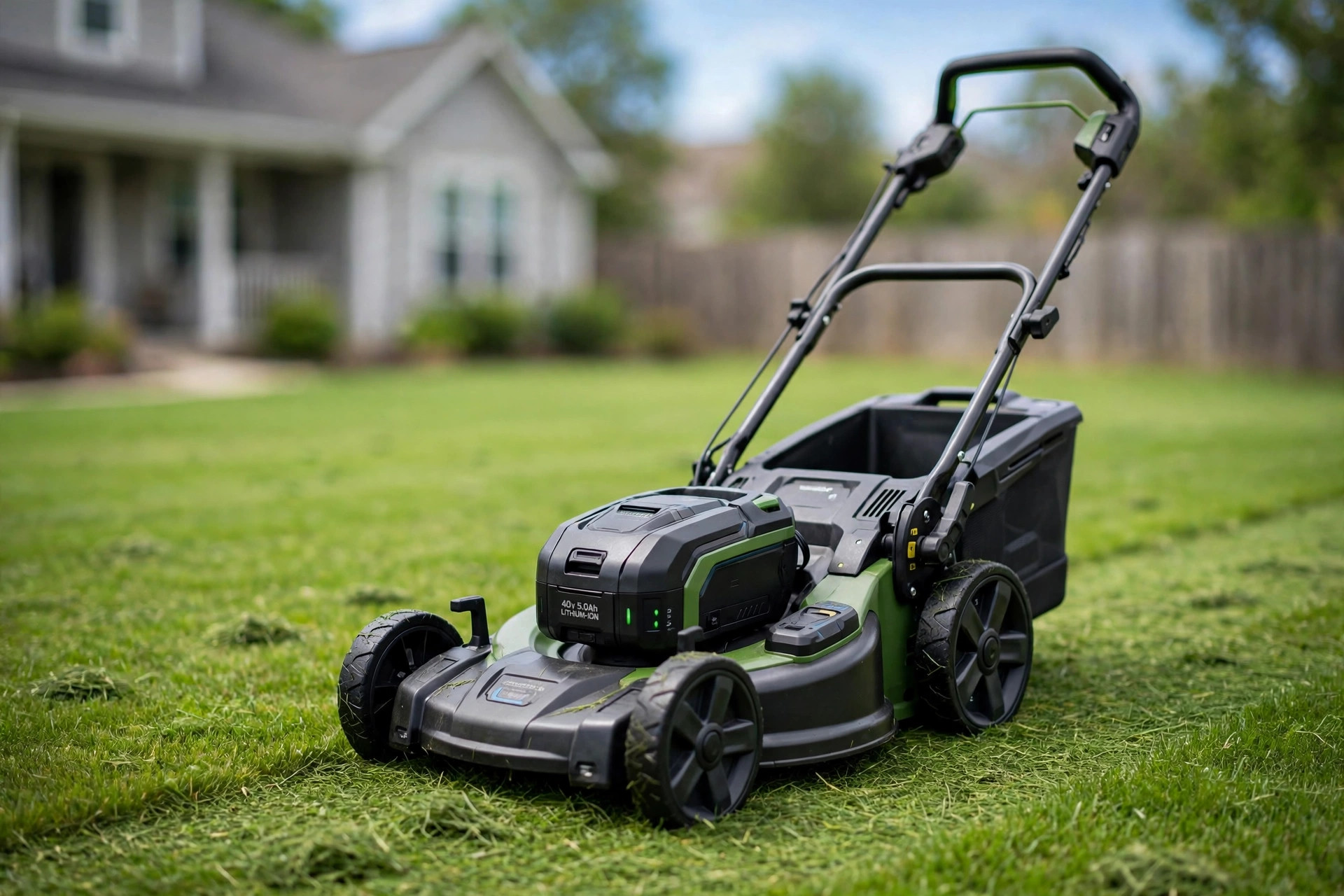

Mowing the lawn can become hard work as the years pass. A heavy gas mower is tough to start. The pull cord strains the shoulder. The fumes smell bad. Many older homeowners ask a simple question: what is the best electric lawn mower for seniors? The answer depends on the size of the yard, the strength of the person, and the budget. This guide explains what matters most. It covers light weight, simple start buttons, battery run time, and fair prices. It also gives safety tips for older adults who want to keep their lawns neat without pain or risk.
Why It Matters for Older Homeowners
A tidy lawn is more than pride. Many towns have rules about tall grass. Long grass can hide ticks and make a yard look neglected. Hiring a mowing service each week costs money, and many seniors would rather do the job themselves as long as it is safe.
Gas mowers are often too much for older adults. A gas mower can weigh 70 to 90 pounds. It needs a strong pull to start. It vibrates a lot. It must be filled with gasoline and oil. It needs yearly service. These chores strain backs, knees, and hands.
Electric mowers solve many of these problems. An electric push mower may weigh only 30 to 45 pounds. It starts with the push of a button. It runs quietly. It needs no gasoline, no oil, and no spark plug. A senior can mow for half an hour, stop, and rest. For many older adults, the move to electric power is the move that keeps them mowing their own lawn for years longer.
This choice also fits small and medium yards. Most battery mowers cut 400 to 800 square meters on one charge. That covers the yards of many American homes. For those with larger ground, a riding mower may be the right step up, as we note in our page on the best riding lawn mower for one acre lots.
What to Look for in an Electric Mower for Seniors: Best Electric Lawn Mower for Seniors
The best electric lawn mower for seniors is not the most powerful model. It is the easiest one to use with comfort and safety. The features below matter most.
Light weight. The mower should be under 45 pounds, and lighter is better. A light mower turns with little force. It is easy to lift over a curb. It is easy to store in a garage. Many corded models are the lightest of all, since they carry no battery pack.
Push-button start. Look for a simple lever or button. There should be no pull cord. The start should take one or two seconds. Older hands with arthritis do well with a wide bail bar that is easy to grip.
Self-propelled drive. A self-propelled mower has a small motor that drives the wheels. The user walks behind and guides it. This saves the back and the knees. Many senior buyers call this the single best feature. The drive often has a speed lever, so the pace can be set slow and steady.
Battery run time and extra battery. For a cordless model, check how many minutes the battery lasts. Most run 30 to 60 minutes. A good set includes two batteries, so one charges while the other works. A battery that charges in under an hour is a plus. Some families buy a spare pack to avoid waiting.
Cut width and height settings. A deck of 16 to 21 inches is common. A wider deck cuts more grass with each pass, but it is harder to push around trees and flower beds. A single lever that changes the cutting height is easier than four separate levers on the wheels.
Handlebar comfort. Tall handlebars that adjust to the right height prevent stooping. Foam grips are softer on the hands. A folding handle makes storage simple.
Grass catcher or mulching. A bag that catches the clippings keeps the yard clean. But a full bag is heavy to lift. Some seniors prefer mulching, which chops the grass fine and leaves it on the lawn as food for the soil. A model that does both gives a choice.
Noise level. Electric mowers are far quieter than gas models. Most run at about 60 to 70 decibels. That is close to normal talk. Low noise is a comfort for the user and the neighbors.
Types of Electric Mowers
There are three main types. Each suits a different kind of senior homeowner.
Corded electric mowers
A corded mower plugs into a household outlet with a long extension cord. These models are the lightest and often the cheapest. They run as long as the power is on, so there is no battery to fade. They work well for small, flat front yards where the outlet is close.
The drawback is the cord. The user must manage it to avoid cutting it. For yards with many trees, bushes, or corners, the cord can be a nuisance. Still, for a simple square lawn near the house, a corded model is a fine and simple tool.
Cordless battery mowers
Battery mowers are the most popular type today. They use a rechargeable lithium-ion pack, often 40 or 60 volts. There is no cord to manage. The user walks free. Modern packs charge in one to two hours.
Battery mowers fit small to medium yards. A single charge covers most lawns up to about a quarter of an acre. For larger lawns, a second battery extends the range. Brands sold by companies such as Toro and John Deere now offer battery lines with wide parts support. A senior who wants freedom of movement will likely prefer this type.
Self-propelled and robotic options
Self-propelled battery mowers are a step up in comfort. The wheels turn on their own. The senior simply walks behind. These cost more but save real effort, and many doctors say avoiding heavy pushing is wise for older backs.
Robotic mowers are another choice. They mow on their own on a set schedule. The owner sets a boundary wire or uses a wireless map. The robot trims a little each day. This removes the chore almost fully. But robots cost more, and they work best on open, simple lawns. Our guide to the robot lawn mower for half acre yards explains when a robot makes sense.
For seniors who only need light touch-up work around paths and edges, a top rated string trimmer for thick weeds can handle the small jobs that a mower misses.
Cost and Price Guide
Prices for electric mowers vary by type and brand. The figures below are typical in the United States in recent years.
Corded electric mowers are the least expensive. Most sell for 120 to 250 dollars. They are simple machines with few parts to wear out.
Cordless battery mowers cost more. A basic 40-volt push model sells for 250 to 450 dollars. A model with a larger battery, a wider deck, or self-propelled drive runs 450 to 700 dollars. Extra batteries cost 80 to 150 dollars each.
Self-propelled battery mowers sit at the top of the walk-behind range. Expect 500 to 800 dollars for a good unit. Robotic mowers start near 600 dollars and can pass 2,000 dollars for large yards.
Running costs are low. Electricity for a season of mowing often costs under 10 dollars. There is no gasoline and no oil. Blades need sharpening once a year, which a local shop can do for 15 to 30 dollars. Batteries slowly lose power after three to five years. A new pack is the main long-term cost.
A walk behind mower with grass catcher sale can lower the price of a first buy, and fall sales often bring the best deals.
Care and Upkeep
Electric mowers need far less care than gas models. But a few simple habits keep them safe and working well.
Clean the deck after each use. Grass that sticks to the underside can slow the blade and hold moisture. A stiff brush or a plastic scraper works well. Always remove the battery or unplug the cord before cleaning.
Sharpen or replace the blade once a year. A dull blade tears the grass instead of cutting it. Torn grass turns brown at the tips. Many hardware stores sharpen blades for a small fee.
Store batteries with care. Keep them in a cool, dry place. Do not leave a battery on the charger for weeks. Charge it after use and remove it when full. Most makers advise against storage in freezing garages over winter.
Check the wheels and handle bolts now and then. Vibration can loosen them. A quick turn with a wrench keeps everything firm.
Keep the mower dry. Do not wash it with a hose. Wipe it with a damp cloth. Store it under cover in a garage or shed.
Safety Tips for Senior Users
Safety comes first at any age, but older adults should take extra care on the lawn.
Mow in the cool hours. Early morning or late afternoon is best. Drink water before and during the work. Take breaks. If the chest feels tight or the head feels dizzy, stop at once and sit down.
Wear closed shoes with good grip. Safety glasses keep dust and chips out of the eyes. Hearing is less of a worry with electric models, but ear plugs still help on long sessions.
Do not mow wet grass. Wet slopes are slippery. Walk, do not run, on hills. Mow across the slope, not up and down, so the mower cannot roll back onto the feet.
Keep children and pets away while mowing. Stones can fly from under the deck. Clear the lawn of toys, branches, and hoses before starting.
Watch the cord on corded models. Keep it behind the body and over the shoulder. Stop if the cord is cut or frayed.
Know the limits. If the yard is large or the heat is strong, split the work across two days. There is no shame in asking a neighbor or a grandchild for help with the steep part.
Engine and parts guidance from Briggs & Stratton also notes that regular blade care and clear vents keep electric motors running cooler and longer.
Frequently Asked Questions
Are electric mowers strong enough for thick grass?
Yes, for normal lawns. Modern 40 and 60 volt mowers cut thick spring grass well if the blade is sharp. For very tall or wet grass, raise the cutting height and make a second pass. Do not force the mower. Let the blade do the work.
How long does the battery last on a cordless mower?
Most batteries run 30 to 60 minutes. A light 4-amp-hour pack may last 30 minutes. A larger 6 or 7.5-amp-hour pack can run 45 to 60 minutes. Two batteries double the time. Cold weather shortens run time a little.
Can a senior handle a self-propelled mower easily?
Yes. That is the point of the drive system. The wheels pull the mower forward. The user guides it with light hands. Many older buyers say a self-propelled model changed mowing from a chore to a pleasant walk.
Is a corded mower safe for an older person?
It is safe if the cord is managed well. Use a bright-colored outdoor cord. Keep it out from under the deck. Some seniors find the cord tiring to watch. If so, a battery model is the better pick.
Do electric mowers need winter storage care?
Yes, but it is simple. Clean the mower. Remove the battery. Store both in a dry place that does not freeze. Charge the battery to about half before long storage. Charge it again in spring before the first mow.
What size yard is too big for a battery mower?
Most battery push mowers suit lawns up to a quarter acre. With two batteries, some handle half an acre. For one acre or more, a riding mower or a robot is a better fit. The effort of walking a large yard may be too much for an older adult in any case.
Final Word
The best electric lawn mower for seniors is the one that fits the person, not just the yard. Light weight, a push-button start, and a comfortable handle matter more than top speed or extra power. A corded model suits a small flat lawn. A battery model suits most yards. A self-propelled drive or a robot suits those who want the least strain of all. With the right choice and a few safety habits, many older homeowners can care for their lawns with ease for years to come.
References
Toro. (n.d.). Lawn mowers and outdoor power equipment. https://www.toro.com Deere & Company. (n.d.). John Deere lawn care products. https://www.deere.com Briggs & Stratton. (n.d.). Engines and outdoor power products. https://www.briggsandstratton.com
Was this guide helpful?

About Lisa Anderson
The My Garden US editorial team writes practical, in-depth home and garden guides for American homeowners — tested advice, no fluff.
You May Also Like
Zoysia Sod Installation Cost Near Me: What Homeowners Pay and Why
September 2, 2026 0 views
How to Kill Nutsedge in Lawns: A Plain Guide for Homeowners
January 20, 2026 0 views
Solar Landscape Lights That Actually Work: A Practical Guide for Homeowners
March 31, 2026 0 views