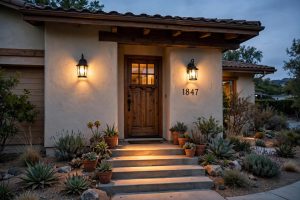

When people search for landscape spot lights for sale usa, they want more than a fixture. They want a yard that looks good after dark. A well placed spot light can turn a plain tree into a work of art. It can make a path feel safe. It can show off the front of a home. This guide walks through the whole process. It covers what these lights are, why they matter, how to choose them, what they cost, and how to keep them working for years.
Why Landscape Spot Lights Matter
A house does not sleep at night. People still come home after dark. Guests still walk up the drive. A dark yard can feel unwelcoming. It can also be unsafe. Good outdoor lighting solves both problems at once.
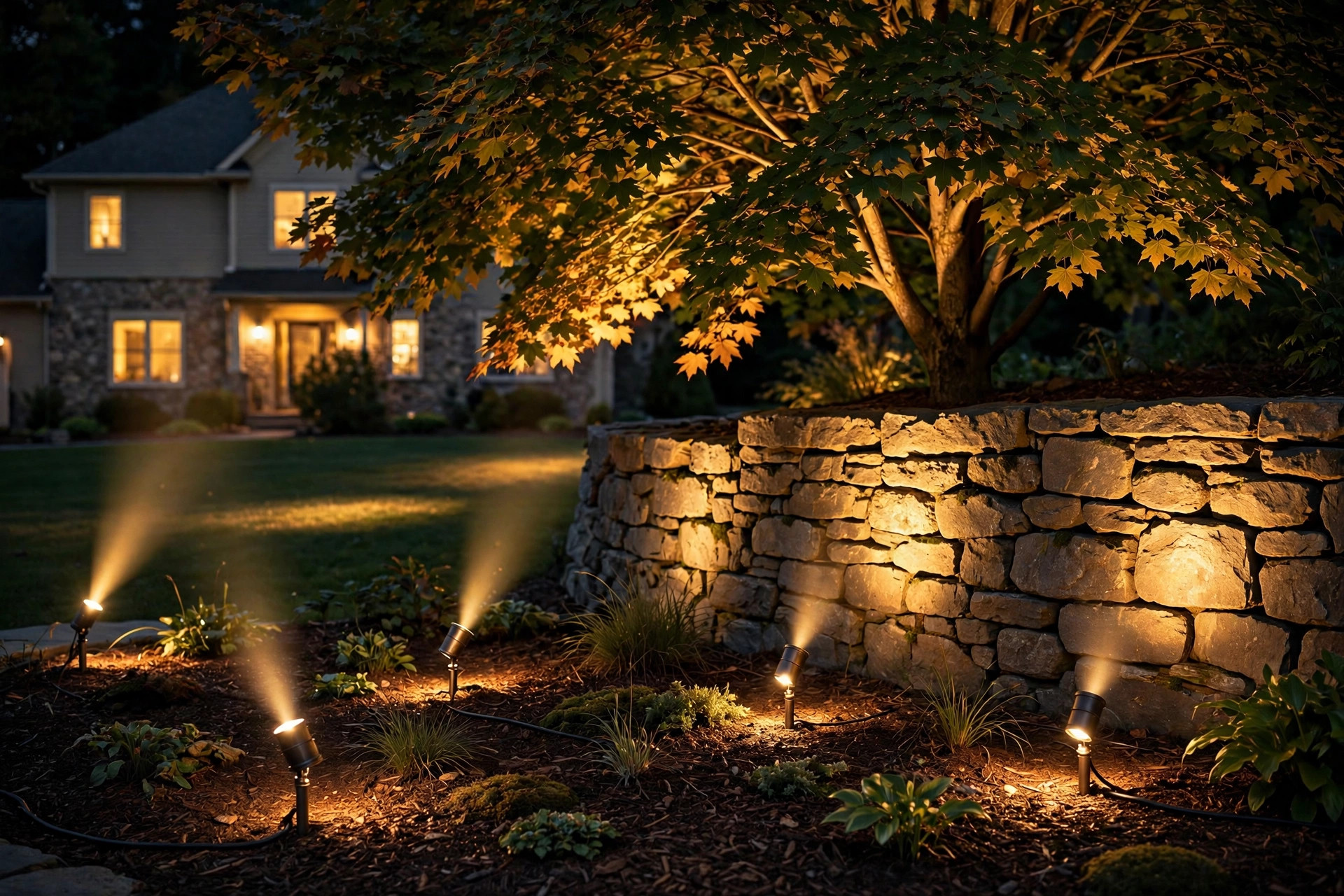
Landscape spot lights serve two main jobs. The first is beauty. A spot light points a narrow beam at one target. The target may be a tree, a statue, a fence, or a wall. The beam creates shape and shadow. It gives the yard depth that flat daylight never shows.
The second job is safety and security. A lighted yard is easier to walk through. Steps, curbs, and roots become visible. A lit property also deters break-ins. Thieves prefer dark corners. A yard with steady light offers fewer places to hide.
Spot lights are small and easy to place. They sit low to the ground. They stake into soil or mount on a base. They blend into the garden by day. At night they do their real work.
What to Look for When You Buy: Landscape Spot Lights for Sale Usa
Shopping for landscape spot lights for sale usa can feel confusing. Many models look the same in a photo. The details on the box matter more than the price tag. Here are the points that count.
Light Output
Light output is measured in lumens. For most yards, a spot light between 200 and 700 lumens is enough. A small bush needs less. A tall tree needs more. Do not chase the highest number. Too much light causes glare. It washes out the very shapes you want to see.
Color Temperature
Color temperature is measured in kelvin. A value around 2700K gives a warm glow. It looks like firelight. A value around 3000K is a bit whiter and cleaner. Values above 4000K look blue and cold. Most homeowners prefer 2700K to 3000K. Warm light suits wood, stone, and plants.
Power Source
There are three main kinds. Low voltage wired lights run on a transformer. The transformer plugs into a normal outlet and steps the power down. These systems are reliable and easy to expand. Solar lights charge by day and run by night. They cost nothing to operate. They are dimmer and may fade in winter. Battery lights sit in the middle. They are portable. They need fresh batteries or charging on a regular plan.
Build Quality
Outdoor lights live in rain, sun, snow, and soil. Look for metal housings such as cast brass or aluminum. Brass costs more but lasts far longer. Plastic housings are cheap. They crack in the cold and fade in the sun. Check the rating. A light rated for wet locations is safer than one rated for damp locations.
Adjustability
A good spot light aims in any direction. The head should tilt and turn. The stake should hold firm in the soil. Some models include lenses or shrouds. These parts cut glare and shape the beam. A light you cannot aim is a light you will hate.
Types of Landscape Spot Lights
Not every spot light is built the same. Knowing the types helps you shop with confidence.
Wired Low Voltage Spots
These are the classic choice for American yards. A transformer lowers house current to 12 volts. Cable runs just under the soil surface. Each light taps into the cable. The system is safe to touch. It is easy to add lights later. The Energy Star program lists efficient low voltage fixtures that use less power. When you read guides about outdoor wall lanterns, you will see the same wiring ideas at work on house walls.
Solar Spot Lights
Solar spots charge a small panel all day. At dusk they switch on by themselves. They need no wiring. You can place them anywhere the sun reaches. They work best in sunny states. In cloudy regions they may dim before midnight. They suit renters and quick projects. Reading a solar path lights guide will show how sun exposure controls solar performance.
Battery and Plug In Spots
Battery spots are portable and simple. Some use rechargeable packs. Others use standard batteries. They are handy for parties or test layouts. Plug in spots run on full house current with a cord. They are bright. The cord must be outdoor rated and placed with care.
Smart Spots
Smart spots connect to a home network. You can dim them from a phone. You can set timers. Some change color. They cost more up front. They pair well with smart bulbs inside the house for one control system.
How Many Lights Do You Need
Most homes need fewer lights than people think. A small yard may need only six to eight spots. A large yard may need twenty or more. Start with the key features. Light the front door area. Light one or two trees. Light the path. Light any dark corner near a window or gate.
Space the lights six to ten feet apart. Step back and look. Light should touch every key feature. Dark gaps are fine between features. Total coverage is not the goal. Contrast is the goal. Design guides at The Spruce walk through spacing in plain terms.
Cost and Price Guide
Landscape spot lights for sale usa cover a wide price range. A basic plastic solar spot may cost ten dollars. A single cast brass wired spot may cost one hundred dollars or more. Here is a rough breakdown.
Simple solar spots run ten to thirty dollars each. They are the cheapest way to start. Plastic low voltage spots run fifteen to forty dollars each. They last a few seasons. Metal low voltage spots run forty to one hundred dollars each. They last many years. Brass spots run eighty to two hundred dollars each. They are a long term investment.
The transformer adds to the cost of a wired system. A small transformer for a few lights may cost forty dollars. A large one for a big yard may cost two hundred dollars. Cable is cheap. It sells by the roll.
Installation cost matters too. Many homeowners install low voltage lights themselves. The work is simple. Dig a shallow trench. Lay the cable. Stake the lights. If you hire a pro, expect to pay by the hour. A small job may cost a few hundred dollars.
Energy costs are small. Modern LED spots use very little power. A set of ten LED spots may use less power than one old flood light. The U.S. Department of Energy explains how LED lighting cuts home energy use. Philips publishes data on LED life spans that show why LEDs win on cost over time.
Planning Your Layout
A good plan saves money and time. Walk the yard at night first. Carry a flashlight. Shine it at trees, walls, and paths. See what pleases the eye. Note where the dark spots are. Note where the power source will sit.
Sketch the yard on paper. Mark the transformer spot. Mark each light with a dot. Draw the cable path. Keep cable runs short. Place the transformer near the house outlet.
Buy a few extra lights if the budget allows. It is easier to leave one in the box than to order one more and wait. Test the layout before you bury the cable. Set the lights out at dusk. Power them up. Walk the street and look back. Adjust the aim until it looks right.
Installation Steps
Low voltage systems are friendly to first timers. Follow these steps in order.
First, mount the transformer near an outdoor outlet. Keep it off the ground. Plug it in and test it. Second, lay the cable along your planned path. Let it rest on the soil for now. Third, place each light. Push the stake into soft soil. If the ground is hard, soak it with water first. Fourth, connect each light to the cable with the supplied clips. These clips pierce the cable. No wire cutting is needed on most systems. Fifth, turn the system on at dusk. Aim each head. Tighten the aim knobs. Sixth, bury the cable two to three inches deep. Mulch or grass will hide it.
Give the system a week. Soil settles. Stakes shift. Walk out and check the aim again.
Care and Upkeep
Landscape spot lights are low care machines. A little attention each season keeps them bright.
Clean the lens. Dirt, pollen, and sprinkler spray cloud the glass. Wipe each lens with a damp cloth in spring and fall. Trim plants. Bushes grow over lights. A buried light lights the inside of a bush. Cut back growth around each fixture twice a year.
Check the stakes. Frost heaves them out of the soil. Push them back in each spring. Check cable connections. Corrosion can dim a light. Unplug the transformer before you touch any wire. Replace LED modules when they fail. Most last many years. Keep one spare on the shelf.
In cold regions, solar lights need winter care. Short days mean weak charging. Wipe snow off the panels. Some owners bring solar lights inside for the darkest months.
Safety Notes
Outdoor electricity deserves respect. Even low voltage systems need care.
Use only outdoor rated fixtures and cable. Keep transformers dry and above ground. Do not overload a transformer. Count the total watts of all lights. Stay below the transformer rating.
Keep hot fixtures away from dry mulch and leaves. LED lights run cooler than old halogen lights. Still, check the fixture after a full night of use. If it feels hot enough to burn, move it away from flammable material.
Aim lights away from windows. Bright beams in a bedroom window anger families. Aim lights down or at targets. Avoid shining light into the street. Drivers do not need glare in their eyes.
Call before you dig. Buried gas, water, and power lines cross many yards. The national call before you dig service helps you find them. One free call prevents a dangerous surprise.
Buying in the USA: Where to Look
When you search for landscape spot lights for sale usa, you will find sellers in many places. Big box stores carry a wide range. They let you see the fixture in hand. They also take returns with ease. Online retailers carry a larger selection. They often post customer reviews. Reviews reveal weak stakes and short cables before you buy.
Landscape supply yards sell pro grade fixtures. These cost more. They last longer. They are worth the money for a large project.
Compare the warranty. A one year warranty is common on cheap lights. A five or ten year warranty marks a serious product. Read the return policy before you order a full system. Buying a single test light first is smart.
Common Mistakes to Avoid
New buyers repeat the same errors. Avoid these and your project will look better.
The first mistake is buying lights that are too bright. A tree does not need a stadium beam. Start dim. You can always add. The second mistake is placing lights too close to the target. Move the light back a few feet. The beam will spread and soften.
The third mistake is lighting everything. Light the stars of the yard. Let the rest rest. The fourth mistake is mixing color temperatures. Warm and cool lights side by side look wrong. Pick one temperature and stay with it.
The fifth mistake is skipping the plan. A sketch on paper takes ten minutes. It saves hundreds of dollars.
Final Word
Landscape spot lights are one of the simplest upgrades a homeowner can make. They cost less than a weekend trip. They work every single night. They add beauty, safety, and value to the property.
Take time with the plan. Buy quality over quantity. Aim with care. Clean the lenses each year. Your yard will reward you. It will glow on summer evenings. It will stand out on winter nights. And when friends ask where you found your lights, you will know exactly what to tell them.
FAQ
How many lumens do I need for landscape spot lights?
Most yard features look best with 200 to 700 lumens per light. Small plants need the low end. Tall trees need the high end. More than 1000 lumens often causes glare in a home garden.
Are solar spot lights bright enough?
Solar spots are dimmer than wired spots. They suit paths, small beds, and accent corners. For tall trees or house walls, wired low voltage lights give a stronger and steadier beam.
Can I install low voltage spot lights myself?
Yes. Low voltage systems are made for homeowners. The cable connects with simple clips. No special tools are needed. Always unplug the transformer before you work on the wiring.
How long do LED landscape spot lights last?
Quality LED fixtures often last 25,000 to 50,000 hours. That is many years of nightly use. Cheap fixtures may fail sooner because the housing or driver breaks, not the LED itself.
Do landscape spot lights raise the electric bill much?
Very little. LED spots use a few watts each. A full yard of ten lights may use less power than one old porch flood light. Solar lights use no grid power at all.
What color light is best for a garden?
Most gardeners prefer warm white around 2700K to 3000K. Warm light flatters wood, stone, and green plants. Cool blue light looks harsh and unnatural in most yards.
For more background, see Lowe’s, Lamps Plus, and The Home Depot.
References
ENERGY STAR. (n.d.). Energy efficient products. https://www.energystar.gov Lamps Plus. (n.d.). Lighting and home decor. https://www.lampsplus.com Lowe’s. (n.d.). Home improvement products. https://www.lowes.com Lumens. (n.d.). Lighting and ceiling fans. https://www.lumens.com Philips. (n.d.). Lighting products. https://www.philips.com The Home Depot. (n.d.). Home improvement products. https://www.homedepot.com The Spruce. (n.d.). Home and garden advice. https://www.thespruce.com U.S. Department of Energy. (n.d.). Energy efficiency and renewable energy. https://www.energy.gov
Was this guide helpful?

About Sarah Mitchell
The My Garden US editorial team writes practical, in-depth home and garden guides for American homeowners — tested advice, no fluff.
You May Also Like
Solar Path Lights Deals Near Me: A Buyer’s Guide to Walkway Lighting
March 2, 2026 0 views
Dining Room Chandeliers American Homes Guide: Choosing the Right Light for Your Table
August 17, 2026 0 views
Bedroom Table Lamps Texas Homes USA: A Practical Guide
August 15, 2026 0 views