A flower bed should be a place of color and calm. But weeds often arrive first. They steal water, light, and food from the soil. They make a neat bed look tired in a few weeks. The best weed control for flower beds is not one single product. It is a plan. You stop weed seeds before they grow. You block the light they need. You pull or treat the few that break through. This guide walks through each step in plain terms.
Why Weed Control Matters in Flower Beds
Flowers grow close together. Their roots are shallow. Weeds grow fast and root deep. A crabgrass plant can drink more water in a day than the flowers around it. Weeds also hide bugs and disease. Aphids move from weeds to roses and daisies. Mold spreads from dead weed leaves to healthy stems.
A bed full of weeds costs you time too. Pulling weeds every week is hard work. It is worse in summer heat. Good weed control cuts that work down to a few minutes a month. Your flowers grow stronger because they keep the water and food in the soil for themselves.
The Weeds You Will Meet
Know your enemy. Annual weeds grow from seed each year. Crabgrass, purslane, and chickweed are common ones. Perennial weeds come back from roots. Dandelion, bindweed, and nutsedge belong here. Pulling the top off a perennial weed leaves the root alive. It grows back in days.
Prevention: Stop Weeds Before They Start: Best Weed Control for Flower Beds
The smartest weed control happens before a single weed shows. Seeds need light and bare soil to grow. Take those away and most weeds never start.
Use a Pre-Emergent Product
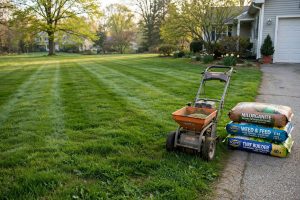
A pre-emergent herbicide stops weed seeds from growing. It forms a thin shield in the soil. Seeds sprout, touch the shield, and die. It does not harm plants that are already growing. Timing is the key. Most gardeners apply it in early spring, when soil warms to about 55 degrees. Some weeds sprout in fall, so a second light pass in autumn helps too. For a full look at timing, see this pre emergent weed killer application timing guide.
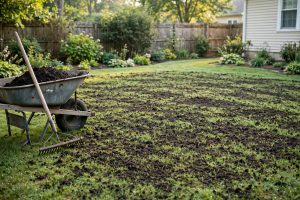
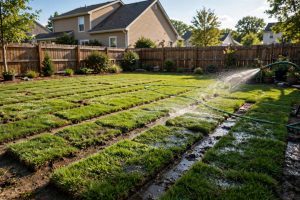
Water the product in lightly after spreading it. Do not dig the bed after. Digging breaks the shield and opens bare soil where seeds can grow.
Mulch Thick and Even
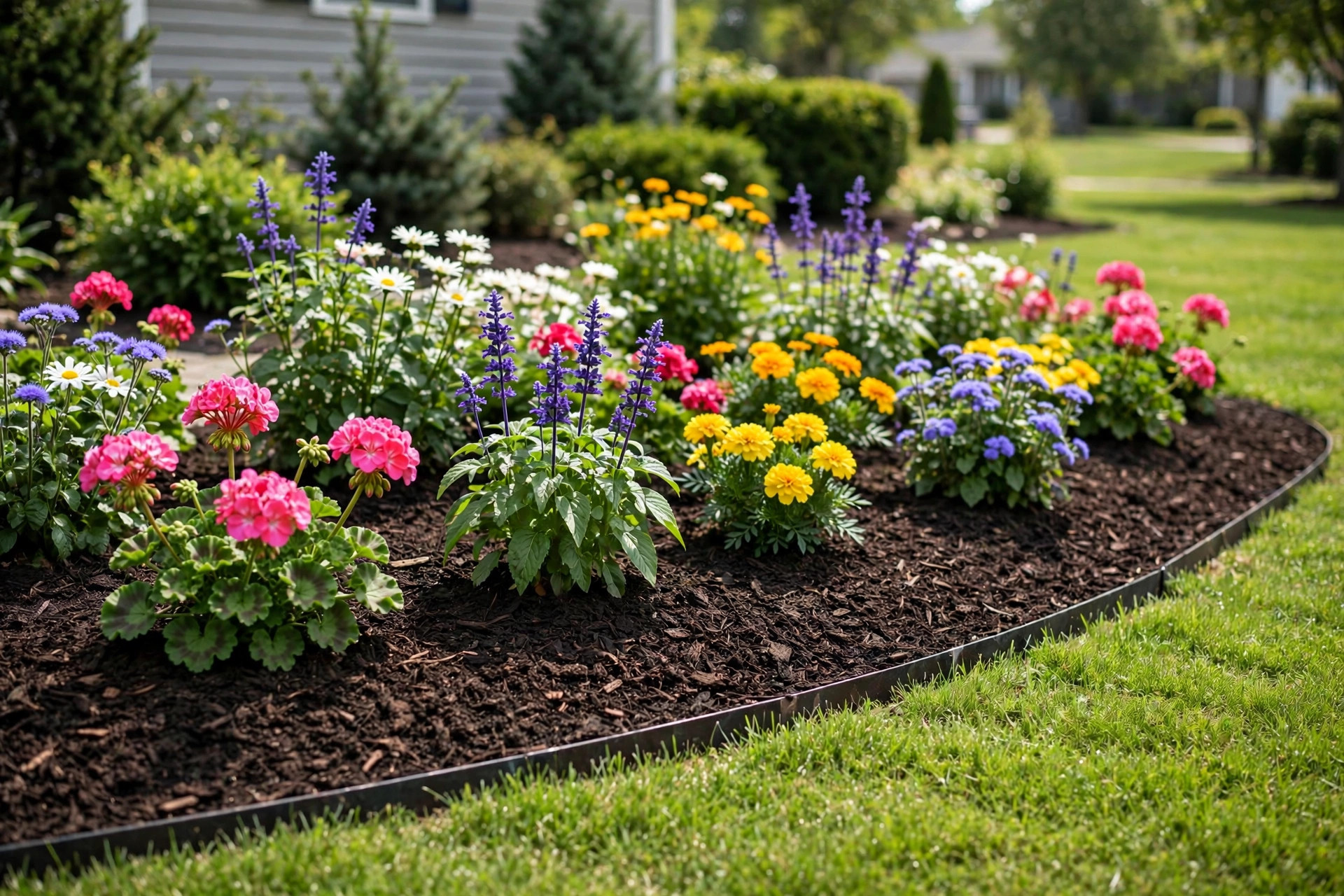
Mulch is the backbone of the best weed control for flower beds. It blocks light. It holds soil moisture. It feeds the soil as it breaks down. Spread mulch three to four inches deep. Keep it one or two inches away from flower stems so the stems do not rot.
Bark mulch and shredded wood last the longest. Straw and pine needles work well in vegetable areas. Stone mulch never rots, but it does not feed the soil. Read this best mulch for flower beds bulk delivery guide before you order, so you buy the right kind and the right amount.
Add more mulch each year. Mulch sinks and thins over time. A thin spot is an open door for weeds.
Lay a Weed Barrier the Right Way
Landscape fabric can help under mulch. It adds one more layer between seeds and light. Use a woven fabric, not thick plastic. Plastic traps water and heat. It can cook roots in summer.
Fabric works best in beds with few plants and wide gaps, such as shrub beds. In flower beds with many plants, fabric gets in the way. You cut holes for each plant, and weeds grow through the holes. For crowded flower beds, mulch alone is often better than fabric.
Removing Weeds by Hand
Even with good prevention, some weeds will appear. Pull them while they are small. Young weeds have short roots. They come out easy after rain or watering.
Hold the plant low, near the soil. Pull slow and steady. Do not jerk. Jerking breaks the stem and leaves the root. For taproot weeds like dandelions, push a small weeding tool under the root and lift. Get the whole root or the plant returns.
Weed after rain when you can. Wet soil lets go of roots. Never let weeds go to seed in the bed. One crabgrass plant can drop thousands of seeds. Those seeds wait in the soil for years.
Tools That Help
A hand weeder with a forked tip digs out taproots. A hoe with a sharp blade cuts young weeds just under the soil. Use it on dry days, in the morning, so cut weeds dry out and die by noon. A garden kneeler saves your knees in long beds.
Dealing with Stubborn Weeds
Some weeds fight back. Nutsedge grows from tiny bulbs in the soil. Pulling the top leaves the bulb. Use a product made for sedges, or dig out the bulb with a small trowel. Bindweed wraps around flower stems. Unwind it gently, then pull it at the base. Do not let it seed. Creeping charlie spreads by runners. Rake the runners up before you pull. For a bad patch, cover it with black plastic for a month in summer heat. The heat kills the weeds underneath. Then plant again.
Spray Products: What to Look For
Sprays save time on big beds. But flowers are sensitive. Many weed killers harm any plant they touch. Read the label before you buy.
Selective and Non-Selective Products
Non-selective products kill every plant they touch. Use them with great care near flowers. A small spray shield, even a piece of cardboard, keeps spray off good plants. Selective products kill only certain plants, such as broadleaf weeds or grasses. They leave flowers alone, but you must match the product to the weed.
Products Safe for Flower Beds
Look for products labeled for use in flower beds or ornamental beds. Grass killers that target only grasses are safe around broadleaf flowers. Some products use natural acids or oils. They burn weed leaves on contact. They work best on young weeds on hot, sunny days.
Pet and Child Safety
If pets or small children use the yard, choose carefully. Many gardeners want weed control that will not harm a dog or a curious child. Read labels for re-entry times. Some products are safe once dry. Others need a full day. See these pet safe lawn weed killer reviews for options other homeowners trust.
Store all products in a locked cabinet. Keep them in their original bottles. Never pour weed killer into a food or drink container.
Organic and Natural Options
Not every gardener wants to use chemicals. Natural methods work. They take more effort, but they are safe and cheap.
Boiling water kills weeds in path cracks and bed edges. Pour it slow and close to the plant. Vinegar with a high acid strength burns young weeds. Plain kitchen vinegar is weak. Garden vinegar is strong. Wear gloves and eye cover when you use it.
Corn gluten meal is a natural pre-emergent. It feeds the soil and blocks weed seeds. It needs thick, even spread and dry weather after use. Cover beds with newspaper or cardboard under mulch. The paper blocks light and rots away in a season. Wet it well so it stays flat. Do not use glossy paper. The inks can be harsh.
Clean Edges: The Forgotten Step
Weeds crawl in from the lawn. A clean edge stops them. Cut a sharp edge around the bed with a spade, six inches deep. This cuts the grass runners that creep into the bed. Plastic or metal edging also works. Bury it so only an inch shows above the soil. Rethink the edge each spring. Edges shift and sink over time.
Cost and Price of Weed Control
Weed control for a small bed costs little. A bag of mulch runs about four to eight dollars. A bottle of ready-to-use spray runs about ten to twenty dollars. Pre-emergent granules for a medium bed cost about fifteen to thirty dollars.
A large bed costs more. Bulk mulch delivery can run forty to eighty dollars per cubic yard, with a small delivery fee. Hiring a yard service to mulch and spray a large bed may cost one hundred fifty to three hundred dollars per visit.
The cheapest plan is also one of the best: mulch deep, weed by hand, and never let weeds seed. Your main cost is one weekend of work each spring.
Care and Upkeep Through the Year
Weed control is a year-round habit, not a one-time job.
In early spring, clean the bed. Cut back dead stems. Spread pre-emergent before weeds sprout. Add fresh mulch to keep the layer thick.
In late spring and summer, walk the bed once a week. Pull small weeds by hand. This takes ten minutes in a well-mulched bed. Water deeply and less often. Deep water feeds flower roots. Light daily water feeds shallow weed seeds.
In fall, pull weeds before they drop seed. Add a fresh thin layer of mulch to cover bare soil. A fall pre-emergent pass stops winter weeds.
In winter, rest. Plan next year. Order mulch early, before spring prices rise.
Safety Notes
Read every label. Wear gloves when you pull weeds and when you spray. Some weeds, like wild parsnip, burn skin in sunlight. Wash your hands and tools after work. Keep children and pets off treated areas until the label says it is safe.
Do not spray on windy days. Drift can carry spray onto flowers, vegetables, and a neighbor yard. Do not spray before heavy rain. Rain washes the product into ponds and streams. Never mix two products unless the label says you can.
Good tool makers and safety groups publish clear advice. The engine makers at Briggs & Stratton offer yard tool guidance, and Toro shares lawn and garden care tips. For safety rules on home products, check the Consumer Product Safety Commission.
Frequently Asked Questions
What is the best weed control for flower beds with roses?
Mulch deep and use a pre-emergent labeled for rose beds. Pull weeds by hand near the stems. Avoid non-selective sprays near roses, since drift can harm buds and leaves.
Can I use weed killer in a flower bed without killing flowers?
Yes, but you must choose the right product. Grass-only killers are safe around broadleaf flowers. Non-selective products will kill flowers too. Shield each flower with cardboard when you spray, and spray on a calm day.
How thick should mulch be to stop weeds?
Three to four inches is the sweet spot. Less than two inches lets light reach the soil, and weeds grow through it. More than five inches can hold too much water and rot stems.
Does landscape fabric really stop weeds?
It helps, but it is not perfect. Weeds grow in the mulch on top of the fabric. They also grow through the planting holes. Use fabric in simple beds with few plants, and use thick mulch in crowded flower beds.
When should I apply pre-emergent in flower beds?
Apply in early spring before weed seeds sprout. In warm areas, apply when soil reaches about 55 degrees. A second light application in fall stops winter weeds. Do not dig the bed after you apply it.
Are there weed killers safe for pets in flower beds?
Some products are labeled safe for pets once dry. Always read the label for the exact wait time. Keep pets off the bed until the spray is dry and the wait time has passed. Store all products where pets cannot reach them.
A Short Final Word
The best weed control for flower beds is simple. Stop seeds with pre-emergent. Block light with deep mulch. Cut clean edges. Pull the few weeds that appear while they are small. Do this each year, and your beds will stay bright with far less work. Your flowers will thank you with color all season long.
References
Briggs & Stratton. (n.d.). Outdoor power equipment and yard care. https://www.briggsandstratton.com Consumer Product Safety Commission. (n.d.). Home and garden product safety. https://www.cpsc.gov Toro. (n.d.). Lawn and garden care. https://www.toro.com
Was this guide helpful?

About Sarah Mitchell
The My Garden US editorial team writes practical, in-depth home and garden guides for American homeowners — tested advice, no fluff.