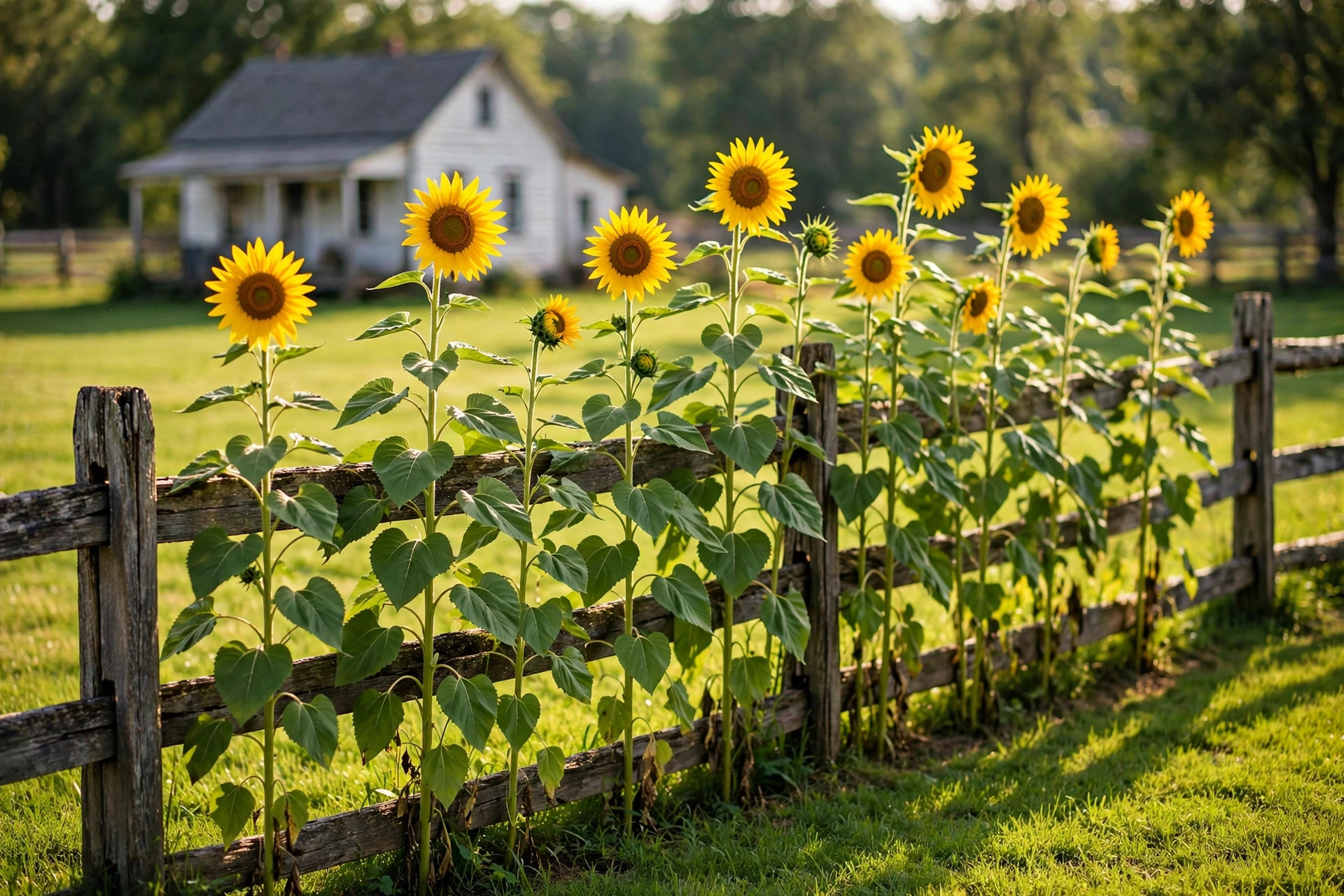
A good sunflower seed packs american homes guide begins with a simple truth. Few flowers give so much for so little. A paper packet that costs a few dollars can grow into a row of tall blooms that turn toward the sun all summer long. Children love them. Neighbors notice them. Birds visit them for weeks. This guide explains how to buy seed packs, choose the right types, plant them at the right time, and care for them through the season. It is written for ordinary American homes, from small city lots to wide country yards.
Table of Contents
Table of Contents
- Why Sunflowers Suit American Homes
- How to Choose the Right Seed Pack: Sunflower Seed Packs American Homes Guide
- Check the seed count and the weight
- Read the packet date and the variety name
- Look at the back of the pack
- Types and Varieties Worth Knowing
- Tall garden giants
- Dwarf and patio types
- Cut-flower and branching types
- Cost and Price of Sunflower Seed Packs
- Planting and Care Through the Season
- Soil and light
- When to plant
- Watering
- Support, thinning, and pests
- Safety Around Children, Pets, and Wildlife
- Frequently Asked Questions
- Can I plant sunflowers in a pot?
- How long do sunflowers bloom?
- Do I need to start seeds indoors?
- Will sunflowers come back next year?
- Can I eat the seeds from my garden?
- How many seeds are in one pack?
- A Final Word
- References
American hardware stores and garden centers stock sunflower packs from March through June. Mail-order seed houses ship even earlier, in late winter. Shoppers see the same racks in small towns and large cities alike, from the plains states to the coasts. Prices stay low everywhere. The main choice is variety, not price. Once the frost date passes, planting takes only an hour. This guide covers that whole process, step by step.
Why Sunflowers Suit American Homes
When it comes to sunflower seed packs american homes guide, getting the details right makes all the difference.

Many homeowners find that sunflower seed packs american homes guide is easier than they expected once they know the basics.
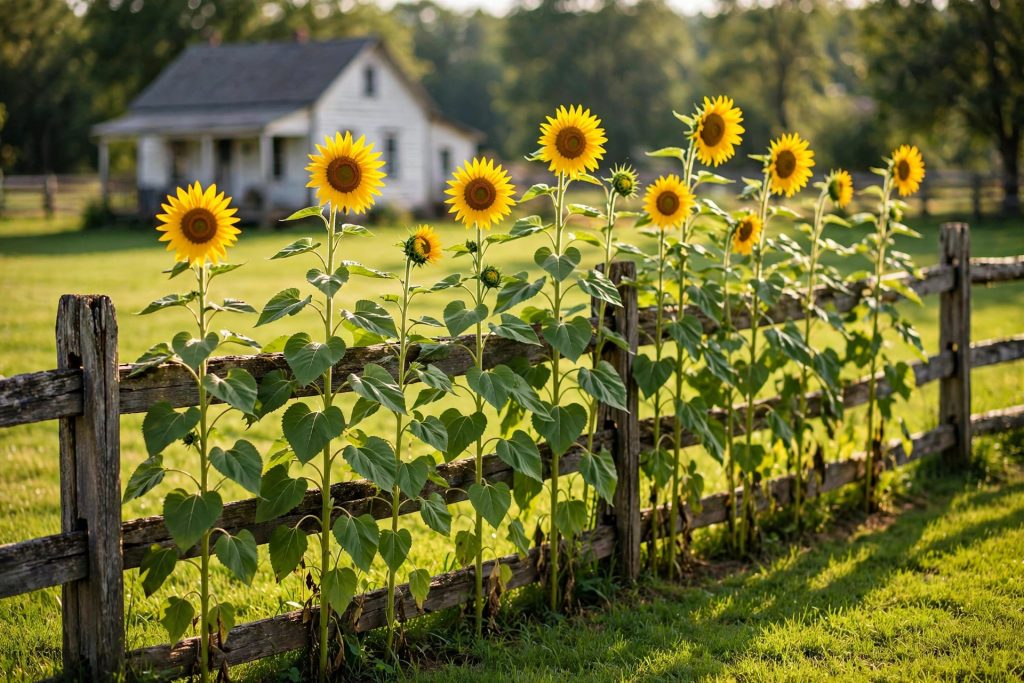
Sunflowers belong in American gardens. They grow in almost every state. They need full sun, and most homes have a sunny patch of soil. They grow fast, often two or three inches in a single week during the warm months. A child who plants a seed in May can stand next to a bloom by July. That fast reward makes sunflowers the first flower many families try.
They also serve more than one purpose. Tall types give shade to a porch in late summer. Short types fill pots on an apartment balcony. Cut-flower types fill a kitchen vase for a week. In autumn, the dried heads feed finches and chickadees. Few plants work this hard for this little money. The Spruce notes that sunflowers are among the easiest annuals for new gardeners, and its growing guides remain a helpful first stop (https://www.thespruce.com).
How to Choose the Right Seed Pack: Sunflower Seed Packs American Homes Guide
Many homeowners find that sunflower seed packs american homes guide is easier than they expected once they know the basics.
The key to sunflower seed packs american homes guide is choosing the right approach for your space and budget.
Seed packs look simple, but small differences matter. A careful buyer reads the packet before paying.
Check the seed count and the weight
Some packs hold fifty seeds. Others hold two hundred or more. A home gardener who wants a short row needs only one pack. A family that wants a fence line of thirty plants needs two or three. Compare the price to the seed count, not to the size of the packet. A large packet with few seeds is poor value.
Read the packet date and the variety name
Packets carry a packed-for date or a sell-by date. Seeds lose strength as they age. A pack from the current year sprouts best. Older packs still grow, but fewer seeds wake up. Also read the variety name. "Mammoth" means tall and large. "Teddy Bear" means short and fluffy. A buyer who wants border plants should not buy a mammoth type by mistake. Gardening Know How keeps plain guides that explain common variety names for beginners (https://www.gardeningknowhow.com).
Look at the back of the pack
The back lists planting depth, spacing, and days to bloom. Standard advice runs like this: plant one inch deep, twelve inches apart, after the last frost. Days to bloom run from sixty to ninety. These numbers help a gardener plan where the row will stand and when it will flower. If the back gives no planting depth, the pack may be old or poorly printed. Choose another.
Types and Varieties Worth Knowing
The key to sunflower seed packs american homes guide is choosing the right approach for your space and budget.
With a little planning, sunflower seed packs american homes guide can fit even a busy schedule.
Most American seed racks hold three broad groups. Each fits a different home.
Tall garden giants
These grow six to twelve feet high. They need strong sun and room for deep roots. They suit back fences and the rear of beds. Their heads are wide, and each one makes hundreds of seeds. Park Seed has long carried the classic tall types that built the sunflower's American image (https://www.parkseed.com). Homeowners with small children should keep the tallest types away from walkways, where a falling stalk could block a path.
Dwarf and patio types
These grow one to three feet high. They fit pots, planters, and the front of flower beds. They bloom at the same time as the giants but take far less room. They are the right pick for balconies, small yards, and rented homes. Many bloom without any support. White Flower Farm offers several compact varieties chosen for containers and tight spaces (https://www.whiteflowerfarm.com).
Cut-flower and branching types
These send up several stems from one plant. Each stem carries a bloom. They are bred for steady color and long vase life. A single plant can give a dozen cuts through the summer. Families who like fresh flowers on the table favor this group. Proven Winners lists several branching types in its trial notes for home growers (https://www.provenwinners.com).
Gardeners who enjoy planning beds often pair sunflowers with other packets from the same rack, such as the choices described in a wildflower seed mixes buying guide. Vegetable growers also plan seed orders by season, and many follow an heirloom vegetable seeds buying guide alongside their flower plans.
Cost and Price of Sunflower Seed Packs
With a little planning, sunflower seed packs american homes guide can fit even a busy schedule.
Before you start, it helps to understand how sunflower seed packs american homes guide works in real homes.
Sunflower seeds are cheap. A standard pack costs between one and six dollars. Most home gardeners spend less than ten dollars on all the seeds they need for a season. Larger packs, sold by seed houses in bulk, cost more but hold hundreds of seeds. A bulk pack suits a farm, a school garden, or a neighborhood project.
A few facts shape the price. Rare colors cost more than plain yellow. Hybrid types cost more than open-pollinated types. Large mail-order packs often give better value per seed than small rack packs at the store, but the mail order adds shipping and waiting time. Burpee, one of the oldest American seed houses, lists both rack packs and bulk sizes with clear per-seed pricing (https://www.burpee.com). Gurney's, another long-running house, often bundles flower packs for spring planting plans (https://www.gurneys.com). Shoppers comparing deals can read a sunflower seed packs for sale roundup before they order.
Shipping and timing also shape the real cost. A mail order placed in February arrives in time for spring and often earns free packets with large orders. A last-minute purchase at a store in June costs more per seed but saves shipping and waiting. For a single row, the store is simpler. For a long border or a school project, the mail order saves money. Keep a small notebook of what you planted and what it cost. The next year you will know exactly which packs earned their price.
Planting and Care Through the Season
Before you start, it helps to understand how sunflower seed packs american homes guide works in real homes.
A good plan for sunflower seed packs american homes guide saves time, money, and frustration.
Sunflowers forgive many mistakes, but a few simple steps bring far better blooms.
Soil and light
Plant in full sun, meaning six hours of direct light or more. Loosen the soil to the depth of a garden fork. Sunflowers tolerate poor soil, but they dislike standing water. If the yard holds puddles after rain, plant on a slight mound or pick a higher spot. Monrovia's planting notes remind growers that deep roots demand loose, well-drained soil (https://www.monrovia.com).
When to plant
Sow after the last spring frost. Soil near sixty degrees sprouts seeds well. In the South this may be March. In the North it may be May. The Old Farmer's Almanac keeps frost-date tables for every part of the country, and its planting calendar is a reliable guide (https://www.almanac.com). Seeds sown in cold wet soil may rot. A week of patience pays off.
Watering
Water new rows gently but deeply once or twice a week. Once plants stand knee high, their roots reach far, and they need less help. In very hot weeks, deep watering keeps heads large. Too much water is worse than too little. Yellow lower leaves often mean the soil stays wet. Let it dry between waterings.
Support, thinning, and pests
Thin crowded seedlings to the spacing on the packet. A row planted too thick gives thin stems and small heads. Tall types in windy spots may need a stake. Tie stems loosely with soft cloth. Common pests include aphids, cutworms, and head-clipping weevils. A strong spray of water removes most aphids. Cutworms fall to simple cardboard collars around young stems. The National Institute of Food and Agriculture funds research that helps extension offices advise home growers on pest control (https://www.nifa.usda.gov).
Staking takes little effort. Push a six-foot stake six inches from the stem when the plant reaches two feet. Tie it with a figure-eight loop of soft cloth so the stem can sway. Check the ties every two weeks in windy areas. When the head grows heavy with seed, a second tie near the top keeps the neck from snapping. After harvest, pull the whole stalk and add it to the compost pile, where it breaks down slowly and feeds next year's bed.
Safety Around Children, Pets, and Wildlife
A good plan for sunflower seed packs american homes guide saves time, money, and frustration.
For most people, sunflower seed packs american homes guide comes down to a few smart choices.
Sunflowers are safe for most homes. The petals and leaves are not poisonous to people. Dogs and cats that chew leaves usually face no harm. Still, a few cautions matter.
First, seeds meant for planting may carry a coating that protects them in storage. Treated seeds often look dyed pink or blue. Do not let children eat treated seeds, and do not feed them to pets. Buy untreated packs when the house has small children.
Second, tall stalks fall in storms. Plant them where a falling stalk will not hit a car, a window, or a walkway.
Third, mature heads draw bees. Most gardeners welcome them, but a family member with a sting allergy should know that a sunflower row in full bloom brings pollinators close. Place the row at the back of the yard if that is a concern.
Frequently Asked Questions
For most people, sunflower seed packs american homes guide comes down to a few smart choices.
If you are new to sunflower seed packs american homes guide, start with the simplest option and build from there.
Can I plant sunflowers in a pot?
Yes. Dwarf types grow well in pots of at least five gallons. Use a light potting mix and water often. Pots dry fast in summer sun. Place the pot where it gets six hours of sun or more.
How long do sunflowers bloom?
One head blooms for about a week. A branching plant keeps opening new heads for a month or more. A row of several types, planted a week apart, can give color from July into September.
Do I need to start seeds indoors?
No. Sunflowers hate root damage, and transplanting often harms them. Sow them where they will grow. Direct sowing works in almost every American climate.
Will sunflowers come back next year?
They may self-seed. Birds knock seeds from dried heads, and some sprout in spring. But the new plants land where they fall, not where a gardener wants them. Most growers treat sunflowers as annuals and plant fresh packs each spring.
Can I eat the seeds from my garden?
Yes, from open-pollinated or standard types. Let the head dry on the stem until the back turns yellow-brown. Rub the seeds loose and dry them fully before storage. Do not eat seeds from treated packs or from hybrid types marked as ornamental only.
How many seeds are in one pack?
A common pack holds fifty to two hundred seeds. Bulk packs hold far more. The count is printed on the front or the side of the pack. Count your planned row, add a few extra for poor sprouting, and buy accordingly.
A Final Word
If you are new to sunflower seed packs american homes guide, start with the simplest option and build from there.
When it comes to sunflower seed packs american homes guide, getting the details right makes all the difference.
A packet of sunflower seeds is one of the cheapest ways to change a home. It asks for sun, water, and a little patience. It gives back tall color, cut flowers, and seeds for the birds. Buy a fresh pack, read the back, sow after the frost, and thin the row. By midsummer the yard will stand taller and brighter. For many American families, that first row is the start of a garden habit that lasts for years.
References
When it comes to sunflower seed packs american homes guide, getting the details right makes all the difference.
Many homeowners find that sunflower seed packs american homes guide is easier than they expected once they know the basics.
Burpee. (n.d.). Seeds, plants, and gardening supplies. https://www.burpee.com Gardening Know How. (n.d.). Gardening guides and plant care. https://www.gardeningknowhow.com Monrovia. (n.d.). Plants for home gardens. https://www.monrovia.com National Institute of Food and Agriculture. (n.d.). Agricultural research and extension. https://www.nifa.usda.gov Park Seed. (n.d.). Seeds, plants, and gardening supplies. https://www.parkseed.com Proven Winners. (n.d.). Plants and gardening inspiration. https://www.provenwinners.com The Old Farmer's Almanac. (n.d.). Gardening calendars and advice. https://www.almanac.com The Spruce. (n.d.). Home and garden advice. https://www.thespruce.com
The key to sunflower seed packs american homes guide is choosing the right approach for your space and budget.
With a little planning, sunflower seed packs american homes guide can fit even a busy schedule.
Many homeowners find that sunflower seed packs american homes guide is easier than they expected once they know the basics.
The key to sunflower seed packs american homes guide is choosing the right approach for your space and budget.
With a little planning, sunflower seed packs american homes guide can fit even a busy schedule.
Before you start, it helps to understand how sunflower seed packs american homes guide works in real homes.
Was this guide helpful?

About David Wilson
The My Garden US editorial team writes practical, in-depth home and garden guides for American homeowners — tested advice, no fluff.
You May Also Like
Snake Plants Indoor Reviews Buying Guide USA: How to Choose a Healthy Plant
September 4, 2026 20 views
How to Grow Longevity Spinach: USA Care Guide
October 17, 2026 21 views
How to Grow Ranunculus: Tissue-Paper Blooms
November 10, 2026 9 views