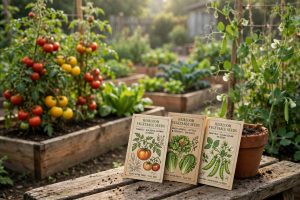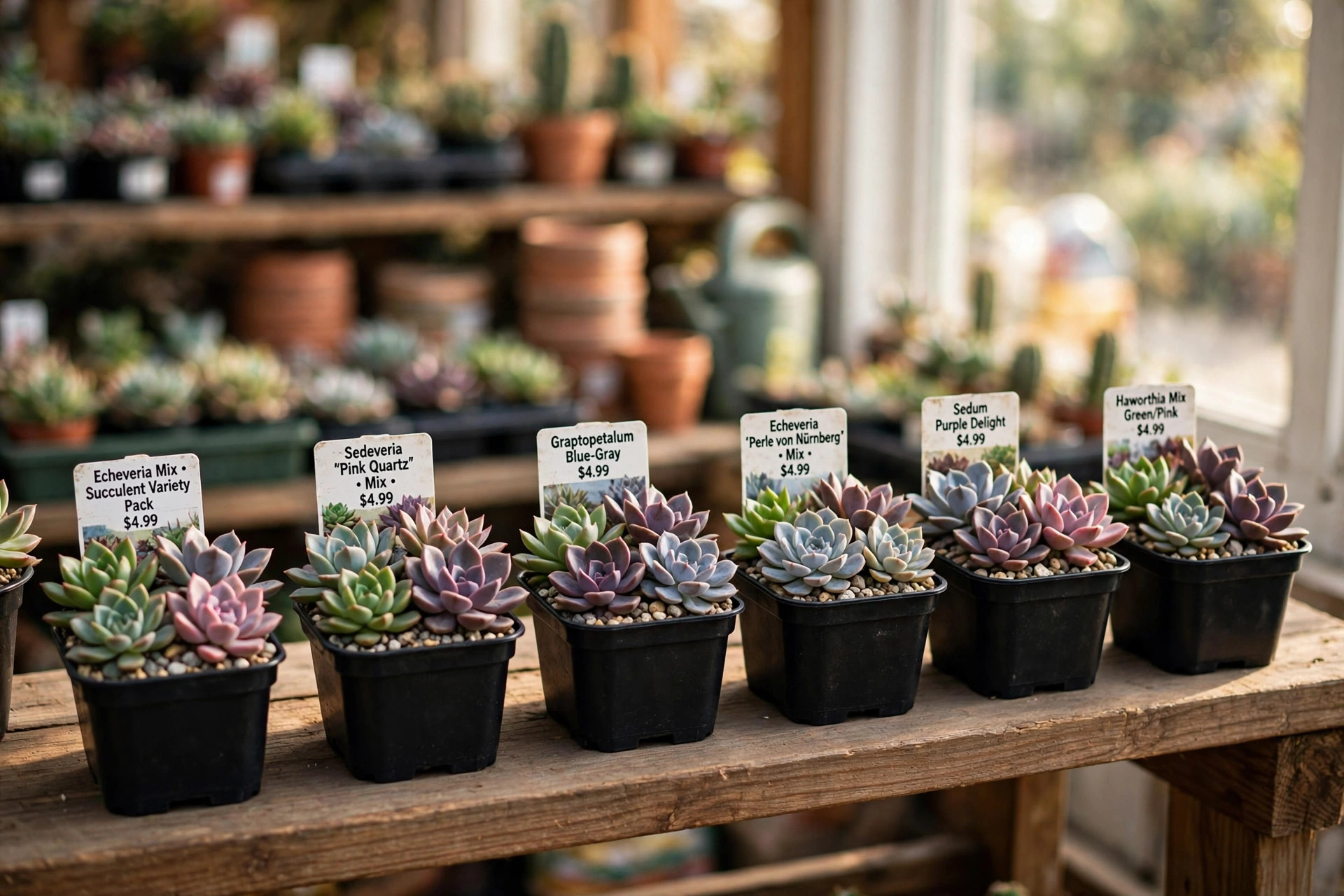

Many gardeners in the USA ask where to buy succulent variety packs. A variety pack is a set of several different succulents sold together. Most packs hold four to twenty four small plants. They cost less than buying each plant on its own. This guide covers the main places to buy succulent variety packs in the USA. It also explains how to pick a good pack and how to care for the plants after the purchase.
Why Succulent Variety Packs Matter
Succulents store water in thick leaves. They need little water. They do well in dry rooms. They also do well on bright window sills. A variety pack gives a buyer many species at once. The buyer can try different shapes and colors without spending much.
A pack also works well for gifts. It works well for wedding table displays. It works well for office desks. New growers get a full starter set in one box. They can learn which types they like best.
Packs sold in the USA come in two forms. Some hold live rooted plants. Some hold cuttings that need rooting. Rooted plants grow faster. Cuttings cost less. Both types ship by mail and both sell in stores.
Where to Buy Succulent Variety Packs in the USA: Succulent Variety Packs Where to Buy Usa
Local Garden Centers and Nurseries
The local garden center is the best place to see plants before you buy them. The buyer can look at each leaf. The buyer can check for pests. The buyer can ask staff questions. Most garden centers carry variety packs in the indoor plant section.
Spring is the best time to shop. Stores fill their shelves with fresh stock in March and April. Fall brings a smaller second wave. During winter the choice is thin in cold states.
When buying in person, lift each small pot. The plant should sit firm in the soil. The leaves should feel full and firm. Loose leaves and soft stems signal trouble. Soil should look dry on top. Wet soil in the store means the staff overwater. Staff at good nurseries can say when the pack arrived. New stock does better than old stock.
Big Box Home Improvement Stores
Large stores like Home Depot and Lowe’s sell succulent packs year round. Prices are low. The stock moves fast. Buyers should shop early in the week. That is when new shipments arrive.
The care in big stores is not always good. Plants may sit under dim lights. They may get too much water. Look for packs with bright color and tight rosettes. A stretched plant with wide gaps between leaves got too little light. It may never grow back to a compact shape.
Many buyers like to compare prices online first. The Home Depot website shows which packs are in stock at nearby stores. Calling ahead saves a trip.
Online Plant Retailers
Online sellers ship packs in boxes with padding. Many specialize only in succulents. They know how to pack plants so they arrive safe. They also list the exact species in each pack.
One well known seller is Monrovia, which supplies garden centers across the country. Another is Proven Winners, a network of growers known for tested varieties. Both brands appear in retail stores as well as online.
Shops like Burpee carry seed and plant stock for home gardeners. Park Seed and Gurneys also serve mail order buyers across the USA. These firms ship plants in season and give care sheets with each order.
A buyer should read the shipping terms before ordering. Cold weather can kill plants in transit. Good sellers hold shipments during freezes. Some add heat packs for a small fee. Plants should arrive within five days of shipment. Longer trips raise the risk of damage.
Garden Clubs and Plant Swaps
Many towns have garden clubs. Members swap cuttings and young plants. A buyer can get a free starter pack this way. Clubs meet in libraries and community halls. Local extension offices can point to nearby groups. The National Institute of Food and Agriculture funds extension programs that list local gardening clubs.
Plant swaps also happen online. Forum members trade by mail. The plants cost only the price of postage. The risk is higher than with a store. There is no warranty. Photos from the seller help.
Craft Stores and Gift Shops
Craft stores carry small packs for gifts and decor. The plants are often in cute pots. They cost more than plain nursery stock. They save time when the goal is a ready gift. Gift shops near garden districts also carry them.
How to Choose a Good Succulent Variety Pack
Check the Species List
A good pack names each species on the label. Vague labels that say “assorted” hide weak plants. Named species let the buyer check care needs. Plants with similar needs grow best together.
Common species in USA packs include echeveria, haworthia, sedum, crassula, and aloe. Echeveria makes tight rosettes. Haworthia does well in low light. Sedum spreads fast. Crassula grows woody stems. Aloe handles dry rooms well.
Avoid packs with many painted plants. Some sellers spray bright dye on succulents. The dye blocks light from the leaves. It weakens the plant. A pack with natural colors is the safer buy.
Look at Root Health
Roots matter more than leaves. A healthy root is white or light tan. It holds the soil in a firm ball. Dark mushy roots mean rot. Rot spreads from one plant to the rest of the pack.
In stores, the buyer can check this by looking under the pot. Roots should not poke far out of the holes. A few white tips are fine. A thick mat of roots means the plant is root bound. Root bound plants still grow. They just need repotting soon.
Match Plants to Your Light
Different succulents need different light. Echeveria wants full sun. Haworthia wants bright shade. A mixed pack in one pot forces a compromise. The buyer should know which types sit where at home.
A south facing window suits most types. An east window works for haworthia and gasteria. A north window is too dim for most succulents. Grow lights fix dim rooms. A basic LED panel costs little and runs cheap.
The Spruce publishes plain guides on houseplant light needs. Gardening Know How also posts care sheets for common species. The Old Farmer’s Almanac lists frost dates and sun notes by region. These free pages help a buyer match plants to a home.
Types of Succulent Packs Sold in the USA
Rosette Packs
Rosette packs hold echeveria and similar round forms. They look neat in bowls. They need strong light. Without it they stretch tall. Most rosette packs hold six to twelve plants.
Trailing Packs
Trailing packs hold sedum and string of pearls types. They hang over the pot edge. They suit hanging baskets and high shelves. They grow fast and fill a pot in one season.
Mini Packs
Mini packs hold two inch pots. Each plant is tiny. They fit dollhouse gardens and terrariums. They cost the least per plant. They grow slow. A mini pack is a good gift for children.
Cuttings Packs
Cuttings packs hold unrooted pieces. The buyer lays them on soil. They root in two to four weeks. Cuttings packs ship well. They cost half the price of rooted packs. The buyer must be patient.
Wedding and Event Packs
Some sellers sell bulk packs for weddings. These hold fifty to two hundred plants. Each plant sits in a tiny pot. They decorate tables and serve as party favors. Orders need six to eight weeks of lead time.
Cost and Price
Prices vary by pack size and source. A four pack at a big store costs about four to eight dollars. A twelve pack costs about twelve to twenty dollars. Specialty nursery packs cost more. A twelve pack from a grower may cost twenty five to forty dollars.
Shipping adds to online orders. Most sellers charge eight to fifteen dollars for shipping. Some give free shipping over a set amount. Heat packs add two to five dollars each.
Buying in bulk saves money. A case of one hundred mini plants can cost under one dollar per plant. Event planners use this option. Garden clubs also buy in bulk to split the cost.
Gardeners on a budget should watch for sales. Stores clear plants at the end of summer. Packs may drop to half price. The plants are still alive. They just need a new pot and good light.
Readers who grow other plants may also like our guide to heirloom vegetable seeds, our notes on organic herb seeds, and our look at wildflower seed mixes.
Care and Upkeep After Buying
Potting
Most packs come in thin plastic pots. Move the plants to clay or ceramic pots within a month. Clay pots dry fast. Fast drying suits succulents. Use a cactus soil mix. It drains well. Regular potting soil holds too much water.
Leave space between plants. Crowded leaves trap moisture. Moisture invites rot. One inch of space around each plant is enough.
Watering
Water deep but rare. Soak the soil until water runs from the drain hole. Then wait until the soil is fully dry. In summer this may mean once a week. In winter once a month is enough.
The soak and dry method beats small sips. Small sips leave deep roots dry. Deep roots need water too. A moisture meter takes the guesswork out of the task. The White Flower Farm site posts clear notes on watering potted plants.
Light and Temperature
Most succulents want four to six hours of bright light. They grow best between sixty and eighty degrees. They rest in winter. Winter rest needs less water and cooler air.
Frost kills most succulents. Bring outdoor packs inside before the first frost. Tender types die at thirty two degrees. Hardy sedum types can stay out longer.
Feeding
Succulents need little food. Feed once in spring with half strength cactus fertilizer. Skip feeding in fall and winter. Too much food makes weak growth. Weak growth invites pests.
Safety
Succulents are mostly safe. A few types can harm pets. Euphorbia sap burns skin and eyes. Wear gloves when handling euphorbia. Keep it away from children.
Some succulents are toxic to cats and dogs. Jade plant upsets pet stomachs. Aloe latex harms cats. Check each species in the pack. Keep toxic types on high shelves.
Dusty leaves can hold spider mites. A weekly look under the leaves catches them early. Wash mites off with a strong spray of water. Isolated plants stop the spread.
FAQ
What is the best time of year to buy succulent variety packs in the USA?
Spring is the best time. Stores stock fresh packs from March through May. The weather is mild. Plants ship safely. Fall is the second best time. Winter shipping risks freeze damage.
How much do succulent variety packs cost?
Small four packs cost four to eight dollars in stores. Twelve packs cost twelve to twenty dollars. Specialty packs cost up to forty dollars. Online orders add shipping of eight to fifteen dollars.
Do succulent variety packs come with labels?
Good packs name each species. Cheap packs may only say “assorted succulents.” Buyers who want to learn should pick named packs. A named label helps with care research.
Can I keep a variety pack together in one pot?
Yes, if the species share needs. Echeveria and sedum grow well together in sun. Haworthia prefers shade and should sit apart. Check each label before potting them together.
How long do mail order succulents take to arrive?
Most sellers ship in two to five days. Plants should not spend more than a week in a box. Order from sellers in your region when possible. Shorter trips mean less stress on the plants.
Where can I find bulk packs for events?
Specialty growers sell bulk packs of fifty to two hundred plants. Order six to eight weeks ahead. Prices drop to under one dollar per plant at high counts. Ask about uniform sizing so table displays look even.
A Short Final Word
Succulent variety packs give a buyer many plants for little money. Local nurseries let the buyer inspect each plant. Big stores give low prices. Online growers give the widest choice. Pick packs with named species and firm leaves. Give them bright light and rare deep water. They will grow for years with little work.
References
Burpee. (n.d.). Seeds, plants, and gardening supplies. https://www.burpee.com Gardening Know How. (n.d.). Gardening guides and plant care. https://www.gardeningknowhow.com Gurney’s Seed & Nursery Co. (n.d.). Seeds, plants, and garden supplies. https://www.gurneys.com Monrovia. (n.d.). Plants for home gardens. https://www.monrovia.com National Institute of Food and Agriculture. (n.d.). Agricultural research and extension. https://www.nifa.usda.gov Park Seed. (n.d.). Seeds, plants, and gardening supplies. https://www.parkseed.com Proven Winners. (n.d.). Plants and gardening inspiration. https://www.provenwinners.com The Home Depot. (n.d.). Home improvement products. https://www.homedepot.com The Old Farmer’s Almanac. (n.d.). Gardening calendars and advice. https://www.almanac.com The Spruce. (n.d.). Home and garden advice. https://www.thespruce.com White Flower Farm. (n.d.). Plants, bulbs, and garden supplies. https://www.whiteflowerfarm.com
Was this guide helpful?

About Robert Taylor
The My Garden US editorial team writes practical, in-depth home and garden guides for American homeowners — tested advice, no fluff.
You May Also Like
Succulent Variety Packs Deals Near Me: A Full Buying Guide
June 2, 2026 0 views
How to Grow Sunflowers: Tall Blooms Made Easy
October 6, 2026 15 views
Seed Starting Trays USA Online Deals: A Complete Buying Guide
July 15, 2026 0 views