
---
Table of Contents
Table of Contents
Bedtime does not have to be a battle. Babies and toddlers sleep best when the day ends the same calm way every night. A gentle wind-down routine tells your child's body and mind that sleep is coming. It lowers the energy of the evening step by step, so that by the time you lay your little one down, they are already halfway to dreamland. This article explains bedtime wind down ideas for nursery in simple terms.
The American Academy of Pediatrics recommends a predictable nighttime ritual. Their Brush, Book, Bed program boils it down to three steps: brush teeth, read a book, and get to bed at a regular time. Simple, repeatable, and calm. The ideas below build on that foundation with gentle wind-down touches you can mix and match for your nursery.
Bedtime Wind Down Ideas for Nursery: Why Wind Down Matters
When it comes to bedtime wind down ideas for nursery, getting the details right makes all the difference.

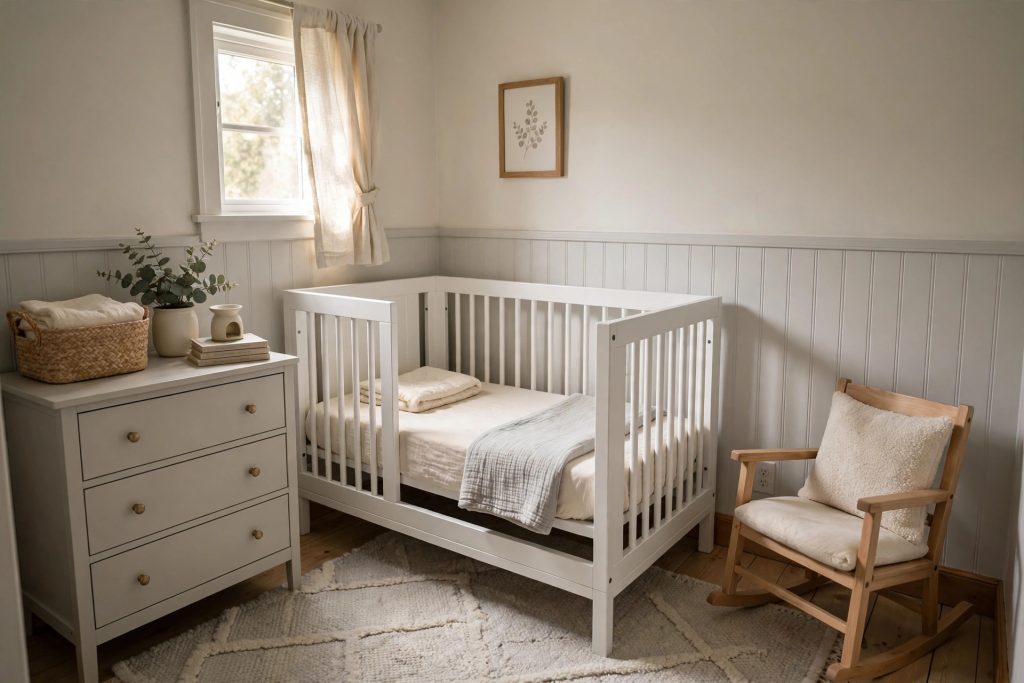

Many homeowners find that bedtime wind down ideas for nursery is easier than they expected once they know the basics.
Young children cannot flip a switch from play to sleep. Their bodies need time to slow down. Active play, bright light, and noise keep the brain alert. A wind-down routine reverses that: dimmer light, quieter sounds, and slower activities signal that the day is ending.
HealthyChildren.org's bedtime tips advise setting up a quiet routine before bed, like reading a story, playing soft music, or giving a bath, and keeping it consistent every night. Consistency is the real magic. When a child knows what comes next, they feel safe, and safe children fall asleep faster. HealthyChildren.org's guide to positive toddler experiences adds that predictable rituals, like bath, brushing teeth, and reading with a parent, help toddlers wind down and feel secure.
Start Dimming the House Early
Many homeowners find that bedtime wind down ideas for nursery is easier than they expected once they know the basics.
The key to bedtime wind down ideas for nursery is choosing the right approach for your space and budget.
Begin the wind down about an hour before bed. Turn off the bright overhead lights and switch to lamps. Close the curtains. Turn off the television and put noisy toys away. The whole house should feel like it is powering down.
In the nursery, keep lighting warm and low. A small dimmable lamp or a soft night light is enough. HealthyChildren.org's sleep and health guide recommends a consistent routine at the same time each night, and light is one of the strongest sleep cues. Our affordable nursery room darkening shades and best kids room blackout curtains guides help you control light for better sleep.
The Warm Bath
The key to bedtime wind down ideas for nursery is choosing the right approach for your space and budget.
With a little planning, bedtime wind down ideas for nursery can fit even a busy schedule.
A warm bath is the classic wind-down opener. The warm water relaxes muscles, and the drop in body temperature afterward naturally makes a child sleepy. Keep the bath calm: low light, quiet voices, gentle play. This is not the time for wild splashing.
Follow the bath with a slow lotion massage. A few minutes of gentle touch calms the nervous system and gives you quiet connection time. Keep a soft towel and pajamas warm and ready so the transition out of the tub stays cozy.
Brush, Book, Bed
With a little planning, bedtime wind down ideas for nursery can fit even a busy schedule.
Before you start, it helps to understand how bedtime wind down ideas for nursery works in real homes.
After the bath, move into the AAP's simple ritual:
1. Brush. Help your child brush their teeth. For little ones, an adult should do the real brushing. The last thing to touch the teeth before bed should be the toothbrush. 2. Book. Read one or two favorite books in the nursery chair. Keep your voice slow and soft. Let the child turn pages and point at pictures. Our best nursery chair for tall parents guide covers comfortable seating for long reading sessions. 3. Bed. Lay your child down drowsy but awake, at the same time each night.
The Brush, Book, Bed page notes that this ritual also protects teeth and builds healthy habits that last. Two birds, one calm routine.
Soothing Sounds
Before you start, it helps to understand how bedtime wind down ideas for nursery works in real homes.
A good plan for bedtime wind down ideas for nursery saves time, money, and frustration.
Sound shapes the nursery's mood. Good options for wind down:
- White noise or soft shushing masks household sounds that might wake a light sleeper.
- Gentle lullabies sung by you beat any recording. Your voice is the most soothing sound your child knows.
- Quiet nature sounds like rain or soft waves work for some families.
- Silence is fine too. Not every nursery needs background sound.
Keep the volume low, about as loud as a soft shower. Place the sound machine away from the crib, not right next to your child's head. And skip the television. HealthyChildren.org's screen time guidance warns that screens crowd out calm activities and harm sleep quality. No screens in the wind-down hour.
Take your time with bedtime wind down ideas for nursery and the result will last.
Gentle Touch and Rocking
A good plan for bedtime wind down ideas for nursery saves time, money, and frustration.
Rocking, swaying, and patting are ancient sleep tools because they work. The rhythmic motion mimics the womb and calms the nervous system. Rock in the nursery chair, sway while holding your baby, or pat a steady rhythm on their back in the crib.
Keep the motion slow and boring. Exciting bouncing wakes babies up. Think slow dance, not playground. As your child grows, you can fade the rocking and let them settle with just your hand on their chest or a favorite lovey nearby. A soft nursery rug for tummy time and play also gives you a cozy spot for floor-level wind-down play before the crib.
The Power of a Lovey
For most people, bedtime wind down ideas for nursery comes down to a few smart choices.
A small blanket or soft toy can become a powerful sleep cue. Let your child take one favorite safe object to bed. It gives comfort when they stir between sleep cycles. HealthyChildren.org's bedtime battle tips say it is fine for toddlers to sleep with a teddy bear or special blanket, as long as it has no choking hazards like buttons or loose ribbons.
Introduce the lovey during calm awake times first, so it picks up good associations. Keep a backup identical lovey if you can. Lost loveys cause real bedtime emergencies.
Simple Rituals That Signal Sleep
If you are new to bedtime wind down ideas for nursery, start with the simplest option and build from there.
Small repeated actions become powerful cues:
- The goodnight tour. Walk around the nursery saying goodnight to the lamp, the books, the window. Toddlers love this.
- Three deep breaths. Breathe slowly together, smelling the flowers and blowing out the candle.
- The gratitude whisper. Name one good thing about the day in a whisper.
- The same phrase. End every night with the same words, like "Sleep tight, I love you." Repetition is the point.
These rituals take two minutes and pay off for years. They give the child a sense of completion, a clear ending to the day, and a comforting bridge into sleep.
Set the Nursery for Sleep
When it comes to bedtime wind down ideas for nursery, getting the details right makes all the difference.
The room itself should support the routine:
- Dark. Blackout shades or darkening curtains block streetlights and early sun.
- Cool. A slightly cool room sleeps better than a warm one. Dress the baby in breathable layers instead of overheating the room.
- Quiet. Soft furnishings absorb sound. Rugs, curtains, and upholstered pieces all help.
- Safe. The UGA Extension childproofing checklist reminds parents to keep nurseries clear of hazards and alarms working. A calm room is also a safe room.
Keep the crib clear for safe sleep: firm mattress, fitted sheet, nothing else for infants. As your child grows into toddlerhood, add the lovey per pediatric guidance. Safe Kids Worldwide's fall prevention guide for babies also recommends securing furniture and keeping the sleep area free of hazards, since nighttime wandering starts earlier than most parents expect.
When Wind Down Is Not Working
Some nights the routine fails. The baby cries, the toddler stalls, the schedule slips. Stay calm and stay consistent. Do not introduce exciting new activities to "fix" a bad night; that teaches stalling. Check the basics: Is the child overtired? Undertired? Hungry? Uncomfortable? Teething?
If bedtime battles last for weeks, talk to your pediatrician. Sleep problems sometimes have medical roots, like reflux or breathing issues. Most of the time, though, the answer is boring and wonderful: same time, same steps, same calm, every night.
A Sample 45-Minute Wind Down
Here is one way to put it all together:
- 45 minutes before bed: Dim the house lights. Tidy toys together.
- 30 minutes before: Warm bath with calm play.
- 20 minutes before: Pajamas, lotion massage, brush teeth.
- 15 minutes before: Move to the nursery. Low lamp on, curtains closed.
- 10 minutes before: Read two books in the chair. Sing one lullaby.
- Bedtime: Lovey in hand, same goodnight phrase, lights low, out you go.
Adjust the timing to your family. The order matters more than the minutes. Same steps, same order, same calm, every single night. That is the whole secret, and it works because your child learns to trust the rhythm. That is all it takes to handle bedtime wind down ideas for nursery with confidence.
References
- HealthyChildren.org. (n.d.). Brush, book, bed: How to structure your child's nighttime routine. https://healthychildren.org/English/healthy-living/oral-health/Pages/Brush-Book-Bed.aspx
- HealthyChildren.org. (n.d.). Toddler won't go to sleep? 7 tips to help end bedtime battles. https://www.healthychildren.org/English/healthy-living/sleep/Pages/bedtime-trouble.aspx
- HealthyChildren.org. (n.d.). Creating positive experiences for toddlers and preschool-age children. https://www.healthychildren.org/English/healthy-living/emotional-wellness/Building-Resilience/Pages/Creating-Positive-Experiences-for-Toddlers-&-Preschool-Age-Children.aspx
- HealthyChildren.org. (n.d.). Sleep and health: Why rest matters for your child and your whole family. https://www.healthychildren.org/English/healthy-living/sleep/Pages/Sleep-and-Mental-Health.aspx
- HealthyChildren.org. (n.d.). Kids and screen time: 5 C's questions for toddlers and preschoolers. https://www.healthychildren.org/English/family-life/Media/Pages/kids-and-screen-time-5-cs-questions-for-toddlers-and-preschoolers.aspx?form=HealthyChildren&utm_source=openai
- HealthyChildren.org. (n.d.). Why it's important to take care of baby teeth. https://www.healthychildren.org/English/ages-stages/baby/teething-tooth-care/Pages/How-to-Prevent-Tooth-Decay-in-Your-Baby.aspx
- University of Georgia Extension. (n.d.). Childproofing your home: A room-by-room safety checklist. https://fieldreport.caes.uga.edu/publications/C1049/childproofing-your-home-safety-checklist/
- Safe Kids Worldwide. (n.d.). Fall prevention for babies. https://www.safekids.org/content/fall-prevention-babies
Was this guide helpful?

About My Garden US
The My Garden US editorial team writes practical, in-depth home and garden guides for American homeowners — tested advice, no fluff.
You May Also Like

Nursery Glider Recliner for Small Apartment: A Complete Guide
September 4, 2026 7 views
Crib Rail Guard Fabric for Chewing Protection: A Plain Guide for Parents
September 22, 2026 5 views
Best Kids Desk with Hutch for Homework: What to Know Before You Buy
June 7, 2026 2 views