---
Table of Contents
Table of Contents
Two kids, one room. It can be the sweetest arrangement in the house, or it can be a daily battle over space, stuff, and noise. The difference usually comes down to organization. When you organize a shared kids bedroom with clear zones, fair storage, and a layout that fits both children, siblings stop fighting the room and start enjoying it. This article explains how to organize a shared kids bedroom in simple terms.
The goal is not a showroom. The goal is a room where each child has a place to sleep, a place for their things, and a little corner that feels like theirs. Here is how to get there.
Organize a Shared Kids Bedroom: Start With the Bed Layout
When it comes to organize a shared kids bedroom, getting the details right makes all the difference.
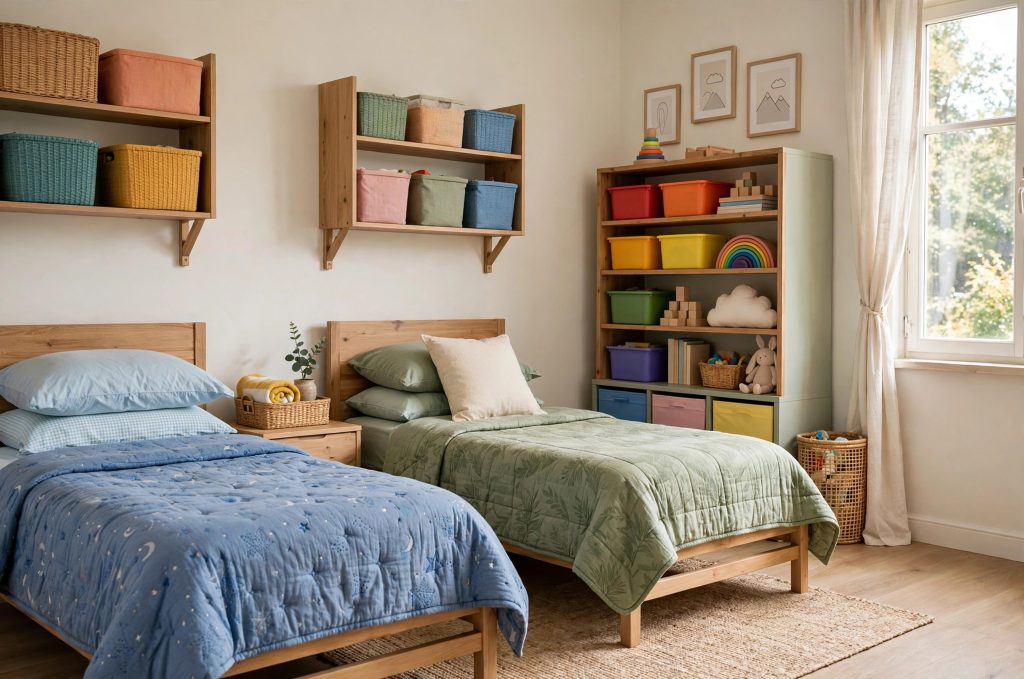
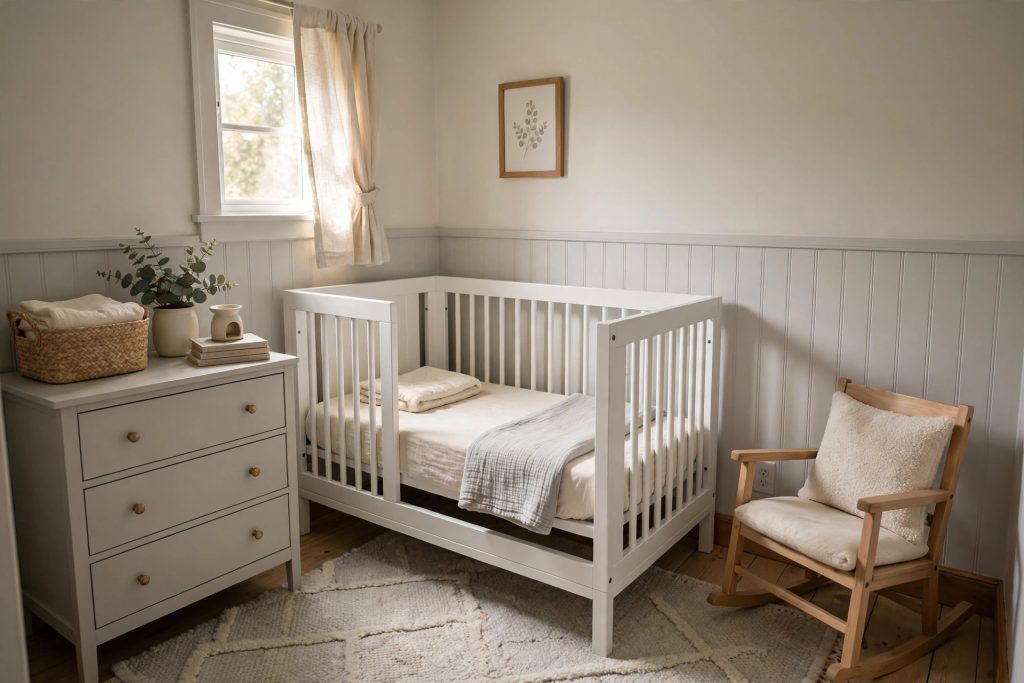
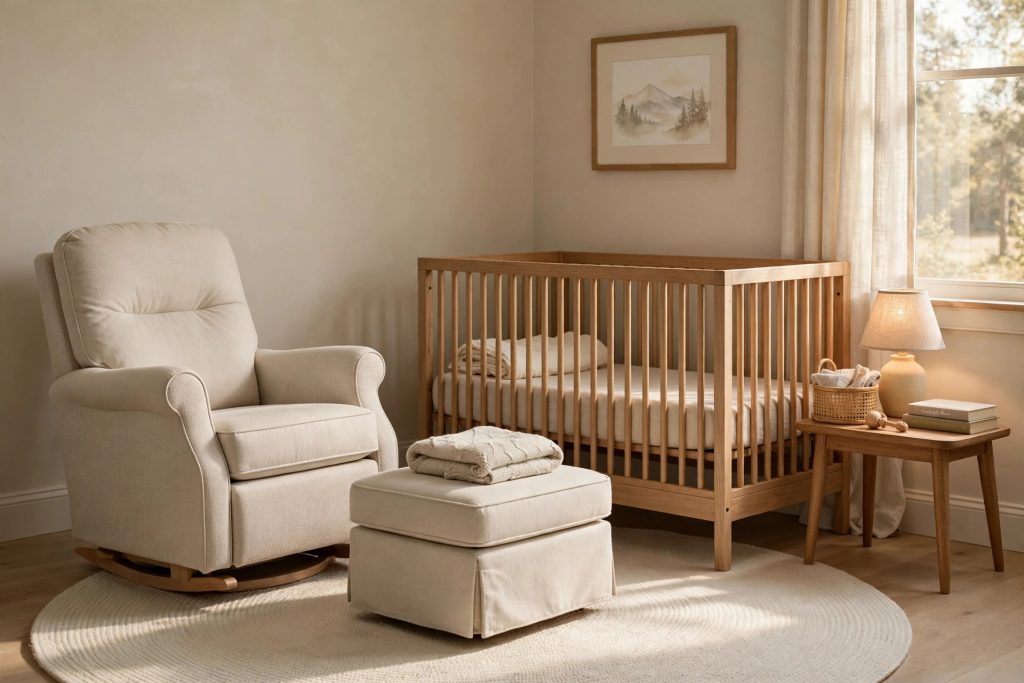
Many homeowners find that organize a shared kids bedroom is easier than they expected once they know the basics.
Beds eat the most floor space, so place them first. The right layout depends on the room shape and the kids' ages.
- Bunk beds save the most space in square rooms. They free the floor for play and leave wall space for storage. Keep the top bunk for the older child, usually age six or older, and make sure both sides have guardrails.
- L-shaped or corner twins work well when the kids need more separation. Each child gets a distinct zone, and the corner between the beds becomes shared floor space.
- Parallel twins with a divider suit long, narrow rooms. A low bookcase or curtain between the beds gives each child a sense of privacy without building walls.
- Trundle beds are smart for rooms that double as play space. The second bed slides away by day. Our kids bunk bed with trundle for sleepovers guide covers options that work for siblings and guests alike.
Whichever layout you choose, leave clear walking paths. A room that is hard to move through feels smaller and gets messier faster. The HAR shared bedroom guide recommends mirror symmetry in the layout, so each child's area looks and feels equal even when the square footage is not perfectly split.
Give Each Child Their Own Zone
Many homeowners find that organize a shared kids bedroom is easier than they expected once they know the basics.
The key to organize a shared kids bedroom is choosing the right approach for your space and budget.
Fairness is the secret ingredient of a peaceful shared room. Each child should have:
- Their own bed and bedding they picked.
- Their own storage: a set of drawers, a shelf section, or a labeled bin.
- Their own display space: a corkboard, a wall shelf, or a picture ledge for treasures.
- Their own light: a small bedside lamp or clip-on reading light.
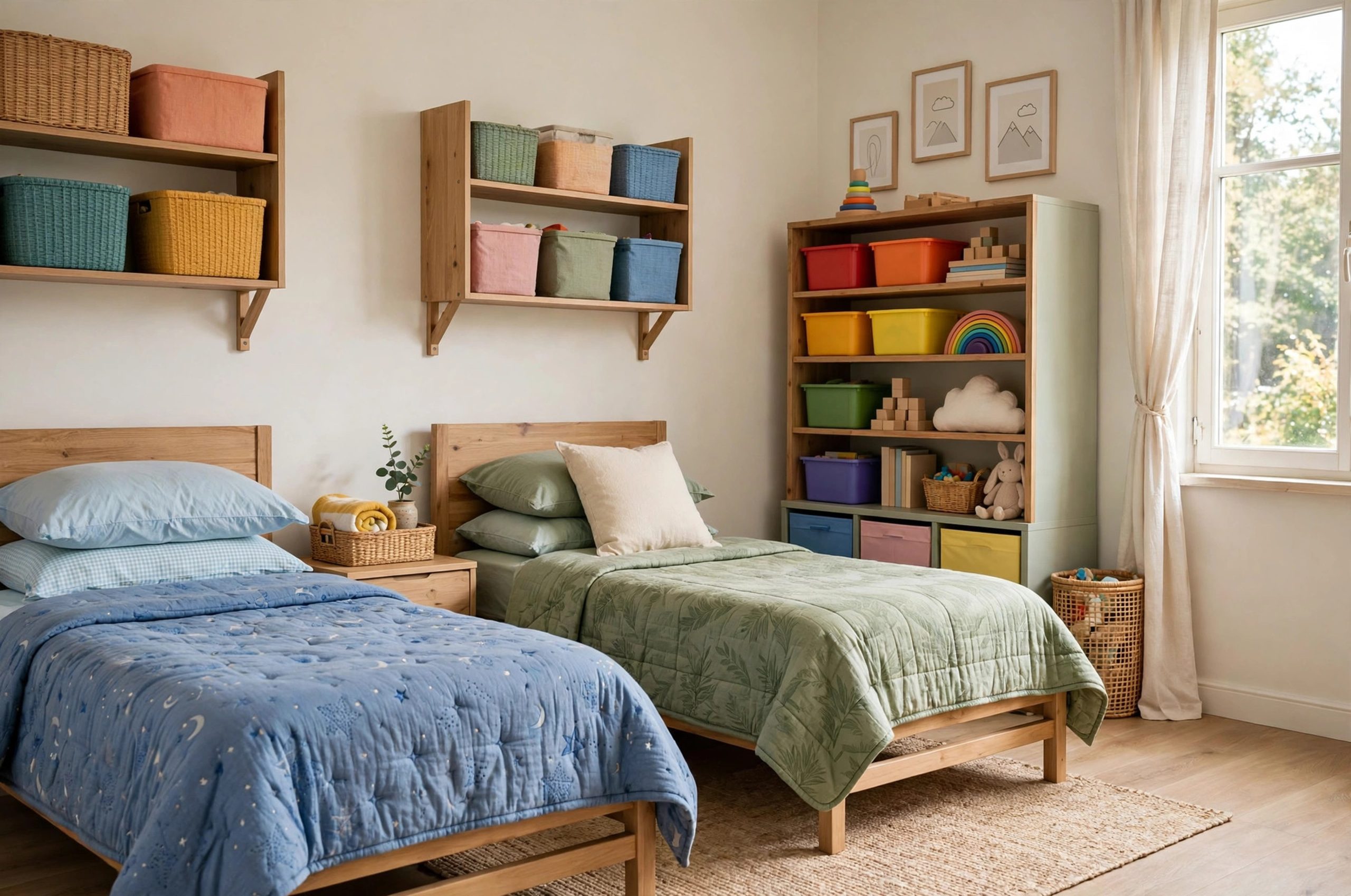
Color coding makes ownership obvious. Give each child a color for their bins, hooks, and labels. Extra Space Storage's shared room ideas suggest neutral wall colors with each child's personality showing in bedding, decals, and accessories. That way the room looks calm as a whole while each side feels personal.
A simple curtain or canopy around one bed can create a private nook for reading or quiet time. Our toddler reading nook canopy tent works as a cozy retreat in a shared room too.
Storage That Fits Two Kids' Worth of Stuff
The key to organize a shared kids bedroom is choosing the right approach for your space and budget.
With a little planning, organize a shared kids bedroom can fit even a busy schedule.
Shared rooms hold double the belongings, so storage has to work twice as hard. Think vertical and hidden:
- Under-bed drawers or bins turn dead space into clothing or toy storage.
- Tall narrow bookcases use wall height without eating floor space. Anchor them to the wall. Our kids bookshelf corner unit for small bedrooms fits tight corners.
- Over-the-door organizers hold shoes, small toys, and craft supplies.
- Closet double rods double hanging space. Add a hanging fabric organizer for folded items.
- Labeled bins assign each child their own containers for daily items like backpacks and shoes. The BlogPro small kids bedroom guide recommends labeling personal bins so kids know where things belong, which cuts cleanup battles in half.
Keep the most-used items at kid height and the rarely used items up high. If children cannot reach their own storage, they cannot be expected to use it. And keep toy storage near the play zone so cleanup is a short trip, not a trek across the room.
Handle Different Schedules and Habits
With a little planning, organize a shared kids bedroom can fit even a busy schedule.
Before you start, it helps to understand how organize a shared kids bedroom works in real homes.
Siblings rarely run on the same clock. One reads late, one sleeps early. One is neat, one is not. Plan for the differences:
- Sleep: Individual reading lights let one child read while the other sleeps. A small white-noise machine or a soft rug under the beds dampens sound. Keep bedtime routines consistent for both, since routine matters more than any divider.
- Homework: If both kids need study space, even a wall-mounted fold-down desk or a small corner setup per child helps. Personal clipboards or mini corkboards mark each workspace as theirs.
- Mess tolerance: Agree on shared rules. The floor stays clear, beds get made, and each child owns their zone. A weekly ten-minute tidy-up together keeps small messes from becoming big ones. The Cubby shared kids room ideas from real parents show that dedicating the bedroom to sleep and dressing, while keeping most toys in a play area, makes sharing far easier.
Safety in a Shared Room
Before you start, it helps to understand how organize a shared kids bedroom works in real homes.
A good plan for organize a shared kids bedroom saves time, money, and frustration.
Two kids mean twice the climbing, jumping, and roughhousing. Anchor every tall piece of furniture to the wall: dressers, bookcases, and the bunk bed itself. The Anchor It! campaign and Safe Kids Worldwide both stress that tip-over accidents happen in seconds and are preventable with straps or brackets.
Check the bunk bed hardware regularly, keep guardrails snug on the top bunk, and make sure the ladder is secure. The UGA Extension childproofing checklist is a good room-by-room reference. If the room is tight, a kids dresser made for shared sibling rooms with divided drawers can replace two separate dressers.
Decorate Together, Not Against Each Other
A good plan for organize a shared kids bedroom saves time, money, and frustration.
Let each child choose their own bedding, wall art, and one accent color. Keep the big surfaces neutral so the room does not feel chaotic. Removable wall decals are perfect for shared rooms because tastes change and decals peel off clean. A shared theme, like outer space or animals, can unite the room while each side keeps its own colors.
Involve both kids in the setup. When children help plan their zones, they respect them more. Let them pick their bins, hang their own art, and arrange their shelves. A room they helped build is a room they will help keep tidy. Take a photo of the finished room together so everyone remembers the plan you agreed on, and celebrate the fresh start with a fun family activity.
When Siblings Have a Big Age Gap
For most people, organize a shared kids bedroom comes down to a few smart choices.
Sharing gets trickier when one child is a toddler and the other is in grade school. The older child needs homework space and later bedtimes. The younger one needs naps and safe, reachable toys. A few adjustments help:
- Stagger the zones. Give the older child the desk corner and the younger child the play corner. Physical distance between zones cuts friction.
- Protect the small one's sleep. A white-noise machine near the toddler's bed masks the older sibling's reading or homework sounds.
- Keep small toys separate. Tiny pieces are choking hazards for toddlers and prized collections for older kids. Give the older child a lidded bin or a high shelf for sets with small parts.
- Respect different bedtimes. The older child's clip-on reading light and a curtain around the younger child's bed let both wind down on their own schedules.
The same fairness rules apply. Each child gets equal storage, equal display space, and a say in how their side looks. Age gaps just mean the zones look different.
A Simple Weekend Plan
If you are new to organize a shared kids bedroom, start with the simplest option and build from there.
You can reorganize a shared bedroom in one weekend:
1. Saturday morning: Pull everything out. Sort into keep, donate, and trash with both kids. 2. Saturday afternoon: Place the beds, then the big storage pieces. Anchor everything tall to the wall. 3. Sunday morning: Set up each child's zone with their bins, labels, and personal touches. 4. Sunday afternoon: Agree on the shared rules together and do the first tidy-up as a team.
The Singapore home renovation guide to shared bedrooms makes the same point: flexible, clearly zoned rooms reduce conflict far better than any single piece of furniture. Start simple, keep it fair, and adjust as the kids grow. Revisit the layout each season, since kids' needs shift fast. A quick family check-in about what is working and what is not keeps the room peaceful for the long haul. That is all it takes to organize a shared kids bedroom with confidence.
References
When it comes to organize a shared kids bedroom, getting the details right makes all the difference.
- HAR.com. (n.d.). Shared bedrooms for siblings: Storage and layout hacks. https://www.har.com/ri/4360/shared-bedroom-hacks-for-siblings
- BlogPro. (n.d.). Adding storage to a small kids bedroom: A complete guide. http://blogpro.co.uk/adding-storage-to-a-small-kids-bedroom/
- Singapore HDB Renovation. (n.d.). Shared bedrooms for siblings: Expert design tips to create harmony at home. https://singaporehdbrenovation.com/shared-bedrooms-for-siblings-expert-design-tips-to-create-harmony-at-home/
- Cubby. (n.d.). 14 creative shared kids' room ideas and solutions from parents. https://www.cubbyathome.com/design-ideas-for-shared-kids-rooms-80003500
- Extra Space Storage. (n.d.). 16 shared room ideas for your kids bedroom. https://www.extraspace.com/blog/home-organization/baby-toddler-shared-room-ideas/
- U.S. Consumer Product Safety Commission. (n.d.). Anchor It! Secure your TVs and furniture. http://www.anchorit.gov/
- Safe Kids Worldwide. (n.d.). TV and furniture tip-over prevention tips. https://www.safekids.org/tip/tv-and-furniture-tip-over-prevention-tips
- University of Georgia Extension. (n.d.). Childproofing your home: A room-by-room safety checklist. https://fieldreport.caes.uga.edu/publications/C1049/childproofing-your-home-safety-checklist/
Was this guide helpful?

About My Garden US
The My Garden US editorial team writes practical, in-depth home and garden guides for American homeowners — tested advice, no fluff.
You May Also Like
Crib Sheet Saver for Quick Diaper Changes: A Parent Guide
June 29, 2026 18 views
Toddler Pillow for First Bed Transition: How to Pick One That Is Safe
March 23, 2026 18 views
Nursery Rocker With Lumbar Support Pillow: A Parent's Complete Guide
April 25, 2026 19 views