Most dwarf mondo grass ground cover reviews agree on the same point. This is not a fast plant. It is a steady plant. Homeowners buy it for the spots where lawn grass dies. Deep shade. Dry soil under trees. Narrow strips between a walk and a fence. In those hard places, dwarf mondo grass spreads into a dark green carpet and stays green all year.
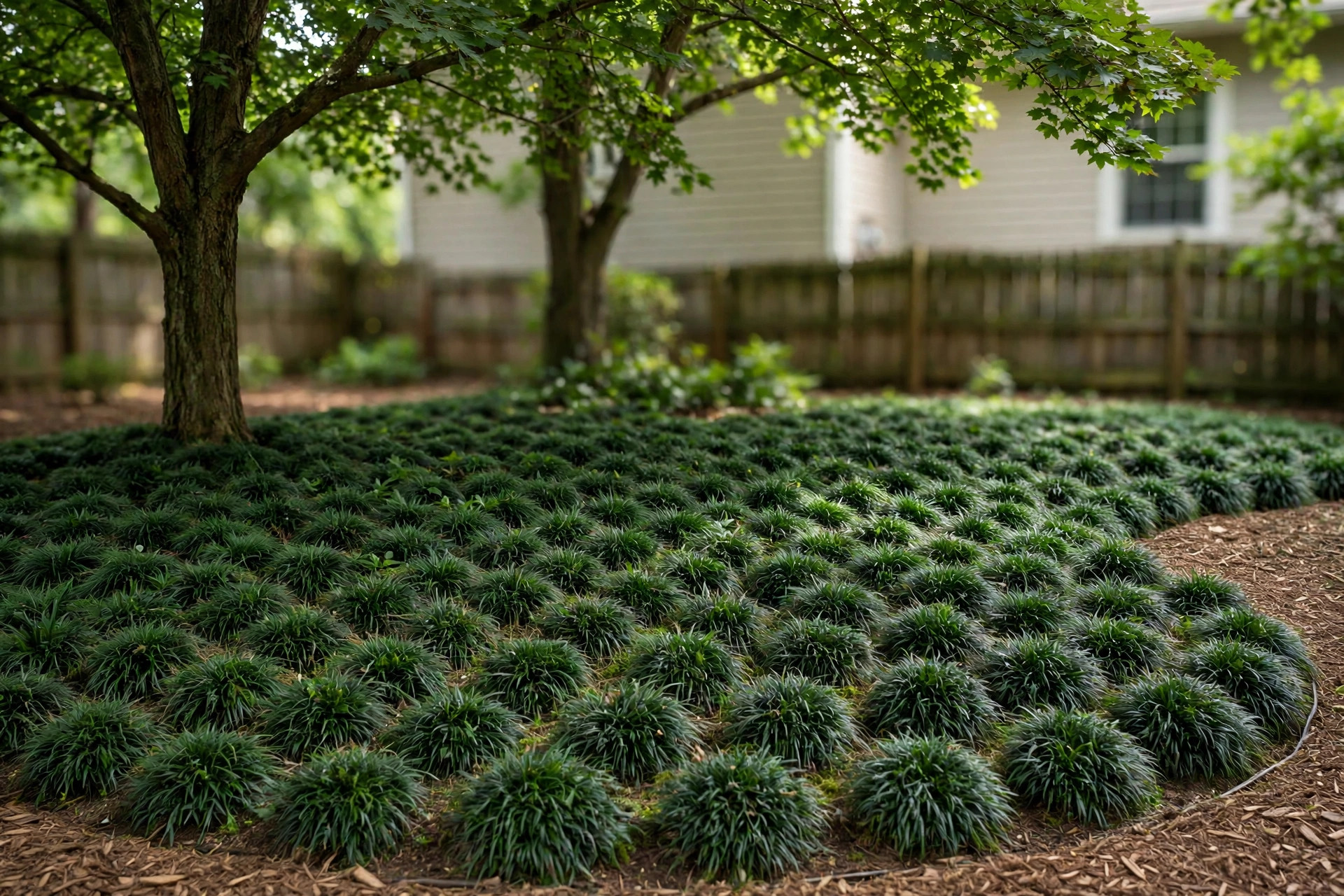
Dwarf mondo grass is a low grass-like plant from Asia. It grows only three to four inches tall. It sends up short blades that bend and curve. From a distance, a bed of it looks like a soft lawn that never needs mowing. Up close, each clump looks like a small fountain of dark green leaves. In late spring it can send up tiny white or pale purple flowers on short stems. By fall, some plants make small blue-black berries.
Buyers praise it for shade tolerance and low care. They complain about the same things again and again. It grows slowly. Weeds can move in while the bed fills out. Prices add up when you need many plants. This guide walks through what the reviews say, what to look for when you buy, how much it costs, and how to keep it healthy for years.
Why Dwarf Mondo Grass Matters for Shady Yards
Every yard has a trouble spot. The north side of the house. The ground under a big oak. The strip between the driveway and the fence. Lawn grass needs sun. Without six hours of light, turf grass thins out and bare soil shows through. Mulch is one answer, but mulch must be renewed and it blows away. Dwarf mondo grass is the living answer.
Reviews from homeowners in the South tell the same story. A shady corner stayed bare for years. Nothing would grow there. Then they planted dwarf mondo grass in a grid, mulched between the clumps, and waited. By the second year, the clumps had doubled. By the third year, the bed had closed into one carpet. That slow but sure pattern is why the plant keeps selling.
The plant also holds soil on gentle slopes. Its roots form a tight mat. Rain does not wash the bed away the way it washes bare mulch. It does not need mowing, so it suits steep banks where a mower cannot go. And it stays green through winter in mild zones, which matters to people tired of brown winter lawns.
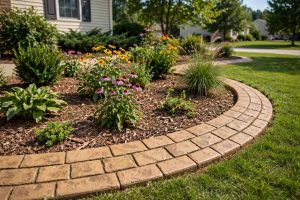
Landscape designers use it as a border plant too. A neat row along a path or a patio edge gives a clean, formal look. Because it is evergreen, the edge looks finished in January as well as in July. Dwarf mondo grass also works under mailboxes, around lamp posts, and in the narrow bed between a house wall and a walkway.
What to Look for When You Buy: Dwarf Mondo Grass Ground Cover Reviews
Online dwarf mondo grass ground cover reviews rate sellers more than the plant itself. The plant is hardy. The weak link is usually shipping or poor roots. Here is what experienced buyers check before they order.
Healthy Roots and Full Containers
Look for plants sold in quart or gallon pots with dense, white roots. Bare root divisions should be firm and moist, not dry or mushy. Many reviewers say the best plants arrive with soil that is damp but not soaking. If the box smells sour, the plants sat too long in the dark. Send them back.
Count the clumps, not the pots. A one-gallon pot may hold several divisions. A quart pot may hold one small clump. Compare the price per clump, not per pot. Buyers who plan to cover a large bed often buy flats of small cell packs. The per-plant price drops, but the wait for a full carpet grows longer.
Where the Plants Were Grown
Plants grown in the same climate zone as your yard adjust faster. A Florida-grown plant shipped to Oregon will survive, but it may sit still for a whole season before it grows. Many top-rated sellers list the nursery state. If you garden in the Southeast, buy from the Southeast. If you garden in the Pacific Northwest, buy from that region when you can.
Plant Size on Arrival
Reviews are mixed on the best size to buy. Small cell packs are cheap. Buyers love the price but warn that a 200-cell flat takes three years to close. One-gallon plants cost more, but a bed planted with gallons can look full in two years. Most reviewers settle on quart pots as the middle path. They cost less than gallons and grow faster than plugs.
For advice on the soil side of planting, see /landscaping-fabric-under-mulch-pros-cons/ before you set your grid. Fabric under the bed can cut weeding time during the slow first year.
Types and Close Options
Not every plant sold as mondo grass is the same. Reviews show that buyers sometimes get the wrong plant by accident. Know the names before you order.
Dwarf mondo grass (Ophiopogon japonicus ‘Nana’) is the subject of this guide. It stays under four inches. It is the shortest and neatest of the group. It is the right pick for ground cover and borders.
Regular mondo grass (Ophiopogon japonicus) looks much the same but grows six to ten inches tall. It is tougher in foot traffic and cheaper per plant. Some reviewers buy it for large areas and accept the taller look. It is also sold under the name monkey grass.
Black mondo grass (Ophiopogon planiscapus ‘Nigrescens’) has near-black leaves. It is a showpiece, not a ground cover. Reviewers love the look but note that it grows even more slowly and costs more. It also burns in hot sun.
Liriope (Liriope muscari) is a cousin often confused with mondo grass. It grows taller, with wider blades, and makes bold purple flower spikes. It spreads faster and costs less. Many buyers who want quick coverage choose liriope instead. It does not have the fine, lawn-like texture of dwarf mondo grass.
A common complaint is mixed flats. A buyer orders dwarf mondo grass and finds a few tall mondo plants in the box. The tall ones stand out within a year. Good sellers guarantee the dwarf variety. Read the listing twice. Look for the words dwarf and ‘Nana’ before you pay.
If shade is your main problem and you also want turf grass options, read /tall-fescue-seed-for-shade-reviews/ for a grass seed that handles low light.
Cost and Price
Dwarf mondo grass is not cheap, and reviewers are blunt about the math. A small bed costs little. A large yard costs real money.
Typical retail prices in the United States run like this. Cell packs of 18 to 72 small plugs cost about 40 to 90 dollars per flat, which works out to under two dollars per plant. Quart pots cost three to six dollars each in garden centers. One-gallon pots cost seven to twelve dollars each.
Spacing drives the total. For ground cover, growers advise planting on six-inch centers. That means four plants per square foot. A 100-square-foot bed needs 400 plants. In quart pots at four dollars each, that is 1,600 dollars. In a 50-cell flat at 70 dollars, the same bed needs eight flats, or 560 dollars, plus patience.
Reviewers suggest two ways to cut the bill. First, divide your own plants. After three years, a clump can be split into three or four parts with a sharp spade. Many gardeners plant a small starter bed, then divide it free of charge in year three. Second, watch for end-of-season sales at local nurseries. Mondo grass sells slowly, so stores often mark it down in late summer.
Shipping adds to the bill for online orders. A flat of plugs is heavy, and freight can add 20 to 40 dollars. Do the math on the landed price per plant before you compare sellers.
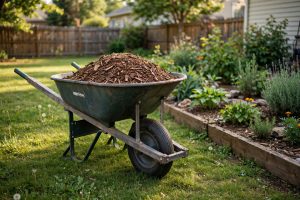
Mulch for the first year adds to the bill. A two-inch layer of shredded bark between young clumps keeps weeds down and holds moisture. To compare bulk mulch prices, see /best-mulch-for-flower-beds-bulk-delivery/.
Care and Upkeep
Dwarf mondo grass asks little, but it asks for the right things. Follow these steps and most reviews say the plant thrives.
Planting. Dig each hole a bit wider than the root ball. Set the crown level with the soil surface, not buried. Water each plant well at planting time. Space plants six inches apart for ground cover, or eight to twelve inches apart for a border that will fill in over more years.
Water. Keep the soil moist for the first month. After that, water deeply once a week during dry spells in the first year. Once established, dwarf mondo grass handles short dry periods. It does not like soggy soil. In heavy clay, plant a little high and mix compost into the planting holes.
Light. Part shade to full shade is ideal. It also grows in morning sun with afternoon shade. Full hot afternoon sun in the deep South can scorch the leaf tips. In zones 7 through 10 it is evergreen. In zone 6 it may brown in a hard winter but grows back from the roots in spring.
Feeding. A light feeding of balanced slow-release fertilizer in early spring is enough. Too much nitrogen makes the blades long and floppy.
Mowing back. In late winter, before new growth starts, you can cut the bed back to two inches with shears or a mower on a high setting. This removes browned winter blades and pest eggs. The new spring growth comes in clean and even. Many long-time growers call this the single best yearly task.
Weeds. Weeds are the biggest problem in year one. The bed is open, and weed seeds love open soil. Hand pull weeds while they are small. A light mulch layer helps. Do not use pre-emergent herbicides on a new planting unless the label allows it for ornamental grasses. After the bed closes, weeds have almost no room, and this chore fades away.
Pests and disease. Snails and slugs chew the blades in damp shade. Beer traps or iron phosphate bait control them. Crown rot can strike in wet, poorly drained soil. The fix is better drainage, not chemicals. Deer usually leave mondo grass alone, which reviewers in deer country count as a major plus.
For yard gear that helps with yearly bed care, see the homeowner lines at Toro and John Deere, plus product testing notes at Consumer Reports.
Safety for Pets and Children
Many buyers ask whether dwarf mondo grass is safe around dogs and children. The plant is not listed as toxic by the main poison control sources. The berries are the only part that gives pause. They are small and hard, and they are not meant to be eaten. Dogs that chew large amounts of any ornamental plant can get an upset stomach.
Reviewers with dogs report that pets mostly ignore the plant. Cats show little interest too. Still, keep an eye on young puppies that chew everything in the yard.
For children, the plant is safe to touch. Teach small children not to eat the berries, as you would with any garden plant.
The plant does not produce pollen that bothers most allergy sufferers. Its flowers are small and insect-pollinated. Reviewers with grass allergies report no trouble working around it.
Frequently Asked Questions
How fast does dwarf mondo grass spread? Slowly. Expect each clump to widen by one to two inches per year. A bed planted on six-inch centers usually closes in two to three years. Rich soil and steady water speed it up. Poor soil and deep dry shade slow it down.
Can dwarf mondo grass grow in full sun? It can, but it looks its best with some shade. In the North, full sun is fine if the soil stays moist. In the hot South, full afternoon sun burns the leaf tips and the color turns yellow-green instead of deep green. Morning sun with afternoon shade is the sweet spot.
Is dwarf mondo grass the same as monkey grass? Monkey grass is the common name for regular mondo grass and for liriope. Dwarf mondo grass is the short form of true mondo grass. They are related but not the same. Dwarf stays under four inches. Regular mondo grass and liriope grow much taller.
How many plants do I need per square foot? Plant four per square foot on six-inch centers for ground cover that fills in two to three years.
Will it survive winter in zone 6? Usually yes, with mulch. The tops may brown, but the roots survive and new growth appears in spring. In zones 7 and warmer, it stays green through winter.
Can I walk on dwarf mondo grass? Light, occasional foot traffic is fine. A path used every day will wear a trail. For a walkway edge, set stepping stones and let the mondo grass fill around them. Do not use it as a lawn substitute in a play yard.
Final Word
Dwarf mondo grass ground cover reviews tell a plain story. It is slow. It is not cheap. It needs weeding in the first year. But for the shady, hard spots where nothing else grows, few plants do the job better. Plant it right, mulch it, give it two or three years, and you get a dark green carpet that needs no mowing and stays green through winter. Buyers who knew the timeline going in are the happiest reviewers of all.
References
Deere & Company. (n.d.). Lawn care and landscaping equipment. https://www.deere.com Toro. (n.d.). Yard and lawn care products. https://www.toro.com Consumer Reports. (n.d.). Product reviews and ratings. https://www.consumerreports.org
Was this guide helpful?

About Robert Taylor
The My Garden US editorial team writes practical, in-depth home and garden guides for American homeowners — tested advice, no fluff.