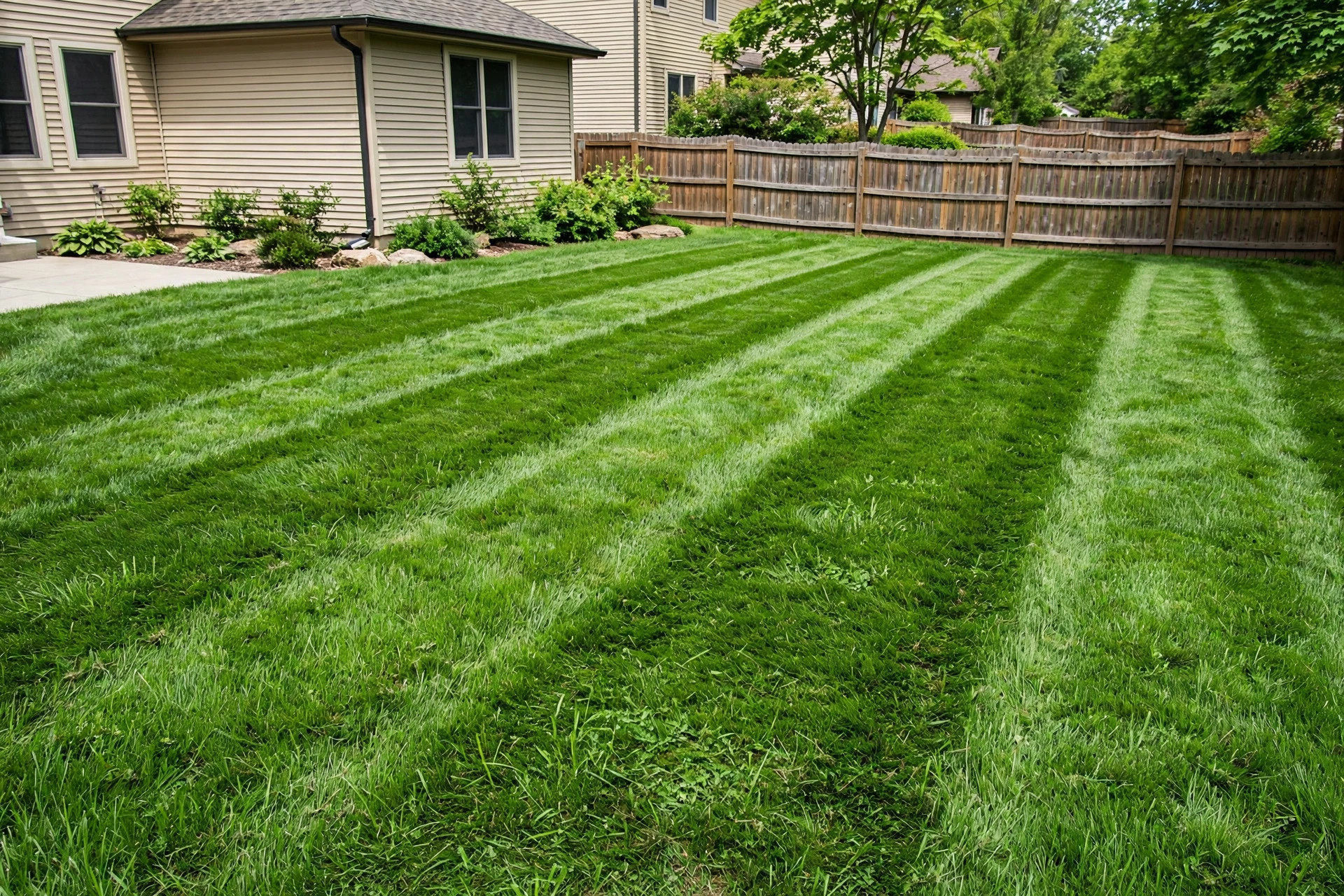

Learning how to maintain zoysia grass lawn the right way can give you one of the finest yards on your street. Zoysia grass is a warm-season turf that forms a thick, soft carpet. It stands up well to heat, foot traffic, and dry spells. Many homeowners choose it because it needs less water than some other grasses once it is established. The work is not hard, but it must be steady. This guide walks through each step in plain terms so you can keep your zoysia lawn thick, green, and healthy through every season.
Why Zoysia Grass Is Worth the Effort
Zoysia grass grows slowly but fills in with a dense mat that crowds out many weeds. Its blades are fine and soft underfoot. The color is a rich medium green in the growing season. It handles the hot summers of the South and the lower Midwest better than cool-season grasses like fescue.
The grass does go brown and dormant in cold weather. This is normal. It greens up again when spring warmth returns. Homeowners who want a lawn that looks neat with modest water use often pick zoysia for this reason. It also recovers well from wear caused by children and pets, though heavy play areas may need extra seed or plugs.
Before you commit to a care plan, make sure your lawn is truly zoysia. Zoysia blades are stiff and narrow, and the grass spreads by both above-ground runners and below-ground roots. If you are unsure, take a small sample to a local garden center. Starting with the right identification saves you from following the wrong advice for warm-season lawn care.
How to Mow a Zoysia Lawn: How to Maintain Zoysia Grass Lawn
Mowing is the most frequent job in zoysia grass maintenance. The correct zoysia grass mowing height is between 1 and 2 inches. Many lawn experts prefer 1.5 inches for home lawns. Mowing short keeps the grass dense and discourages thatch.
Follow the one-third rule. Never cut off more than one-third of the blade height at one time. If your grass reaches 3 inches, cut it to 2 inches, then cut again a few days later to bring it down to the target height. Cutting too much at once shocks the grass and leaves yellow tips.
Keep your mower blade sharp. A dull blade tears the stiff zoysia blades instead of cutting them clean. Torn blades turn brown at the tips and give the lawn a ragged look. Sharpen the blade at least twice a year. A reel mower works very well on zoysia at low heights, but a sharp rotary mower is fine for most yards. For more on mower care, see guidance from Toro on keeping blades sharp and machines safe.
Mow often enough that you follow the one-third rule without stress. In the peak of summer, that may mean mowing once or twice a week. Leave the clippings on the lawn when they are short. They break down fast and return nutrients to the soil.
Mowing Tips for Thick Turf
Zoysia grows so dense that a weak mower may struggle. Use a mower with enough power and do not push it too fast. If the mower leaves stragglers, slow down or mow a second time in a different direction. Bag the clippings only when they are long or clumped. Heavy clumps smother the grass below.
How to Water Zoysia Grass
The right zoysia lawn watering schedule saves water and keeps roots deep. Zoysia is drought tolerant once it is established, but it still needs water to stay green. Give the lawn about 1 inch of water per week during the growing season, counting rainfall.
Water deeply and not too often. One long soaking is better than several light sprinkles. Deep watering trains roots to grow down into the soil. Shallow watering keeps roots near the surface, where they dry out fast. Water in the early morning so the blades dry before night. Wet grass at night invites disease.
Use a rain gauge or a simple tuna can to measure how much water your sprinklers put down. Place the can on the lawn and run the sprinklers until it holds 1 inch. Note the time. That is your weekly target.
During long dry spells, zoysia may turn a gray-green color or lose its bounce when you walk on it. These are signs it needs water soon. Established zoysia can survive drought by going dormant, but dormancy looks brown and takes weeks to recover from.
New sod or new plugs need much more water. Keep the soil damp for the first two to three weeks so roots can knit into the ground. Then slowly stretch the time between waterings. If you are planning to add sprinklers, a look at Briggs & Stratton resources on outdoor power equipment can help you understand the tools for the job.
Feeding Your Zoysia Lawn
Zoysia grass needs less fertilizer than many other lawns, but it still needs feeding. The best fertilizer for zoysia grass is a slow-release product with a balanced ratio, such as 3-1-2 of nitrogen, phosphorus, and potassium. Apply the main feeding in late spring, after the grass has fully greened up.
A common mistake is to fertilize too early. Feeding zoysia before it is growing strongly pushes weak, pale growth that pests and disease attack. Wait until you have mowed the green lawn at least twice in spring. Then apply fertilizer at the rate shown on the bag. More is not better. Too much nitrogen makes the grass grow too fast, builds thatch, and invites brown patch disease.
A soil test is the smartest first step. Your local cooperative extension can test a soil sample for a small fee. The test tells you the pH and nutrient levels, so you only add what the lawn truly needs. Zoysia prefers a soil pH between 5.8 and 7.0. If the pH is too low, lime can raise it. If it is too high, sulfur can lower it.
Many homeowners feed once more in midsummer, around July. Do not fertilize after early fall. Late feeding keeps the grass soft and green when it should be hardening off for winter. Tender growth is easily damaged by early frost.
Weed Control and Pest Care
A thick zoysia lawn is its own best weed defense. Most weeds cannot push through a dense mat. Still, bare spots and thin areas invite crabgrass, dandelions, and clover. The smart move is to keep the lawn thick with correct mowing and feeding.
For zoysia grass weed control, apply a pre-emergent herbicide in early spring before crabgrass seeds sprout. Timing matters more than brand. Soil temperatures near 55 degrees signal the right window. Read more about the timing in a good pre-emergent weed killer application timing guide. A second application may be needed in late summer for fall weeds.
Spot-treat broadleaf weeds with a post-emergent product labeled safe for zoysia. Always read the label. Some products made for other grasses can injure zoysia. Spray on a calm day so the spray does not drift onto flower beds. Keep pets and children off the lawn until the product dries, as the label directs.
Watch for pests such as grubs and chinch bugs. Grubs chew roots and cause brown patches that lift up like a loose rug. Chinch bugs suck sap from blades and leave yellow patches in hot weather. Treat only when you confirm the pest is present. Watering the lawn before applying grub control helps the product reach the soil.
Aeration and Dethatching
Zoysia grows so thick that it can develop thatch, a spongy layer of dead stems between the green blades and the soil. A little thatch is fine. More than half an inch blocks water and fertilizer. Check by cutting a small wedge of turf and measuring the brown layer.
Aeration helps too. Core aeration pulls small plugs of soil out of the lawn, letting air, water, and nutrients reach the roots. Aerate zoysia in late spring or early summer when it is growing fast. For timing by region, see a guide on the best time to aerate lawn in the midwest. Rent an aerator for a day or hire a lawn service. Water the lawn the day before so the tines can sink in.
Dethatch only when needed. A vertical mower or power rake can rip out excess thatch. This is rough work and leaves the lawn looking torn for a few weeks. Zoysia recovers fast in warm weather, so do it in early summer. Rake up the debris and water well after.
Cost and Price of Zoysia Lawn Care
Maintaining zoysia yourself is modest in cost. A year of basic supplies for an average yard often runs between 100 and 300 dollars. That covers fertilizer, a pre-emergent herbicide, and perhaps grub control. A sharp mower blade and a rain gauge are small one-time costs.
Hiring a lawn care company costs more. Full-service programs for a quarter-acre lot often run 50 to 80 dollars per visit, with 6 to 8 visits per season. Aeration as a stand-alone service often costs 100 to 200 dollars. Dethatching can cost about the same.
Sod installation is the biggest expense if you are starting fresh. Zoysia sod often costs 0.50 to 1.50 dollars per square foot installed, depending on your region and the variety. Plugs are cheaper but take a full season or more to fill in. Seed exists for some varieties, but germination is slow and uneven, so sod or plugs are the common choice.
Seasonal Care Calendar
Spring comes first. When the grass greens up, mow at a slightly lower height for the first cut to remove dead winter blades. Bag those clippings. Then raise the mower to your normal height. Apply pre-emergent herbicide and wait to fertilize until the lawn is fully green.
Summer is the growing season. Mow at 1 to 1.5 inches and water 1 inch per week. Feed once in late spring or early summer. Watch for brown patch disease in hot, humid weather. It shows as brown rings in the lawn. Avoid watering at night and do not over-fertilize, which are the two main causes.
Fall is time to prepare. Keep mowing until growth stops. Do not fertilize late. Remove fallen leaves so they do not smother the grass. This is a good time to plant plugs in thin areas so they root before winter.
Winter means dormancy in most of the country. The grass will turn straw brown. That is normal. Stay off frozen lawns to avoid damage. There is little to do until spring. Some homeowners overseed with ryegrass for winter color, but this adds work and competes with the zoysia in spring, so many skip it.
Safety Around the Lawn
Read every product label before you use it. Herbicides, insecticides, and fertilizers are safe when used as directed, but they demand respect. Wear gloves and long sleeves when spreading granular products. Keep the bags away from children and pets.
Store all lawn chemicals in a locked shed or high shelf, in their original containers. Never pour leftovers down a drain or near a stream. Sweep up granules that land on driveways so rain does not wash them into storm drains.
Let sprays dry fully before you allow children or pets back on the grass. The label gives the safe waiting time. If someone in the house has chemical sensitivities, consider organic options such as corn gluten meal for weed prevention and compost topdressing for feeding. For equipment safety tips, John Deere publishes helpful guides on mower operation and upkeep.
FAQ
How fast does zoysia grass spread? Zoysia is a slow grower. Plugs planted on 12-inch centers can take a full growing season or more to fill in. Sod gives instant cover but costs more. Patience is part of the deal.
Can zoysia grass grow in shade? Zoysia tolerates light shade better than bermuda grass, but it still needs at least 6 to 8 hours of direct sun for best results. In deep shade, consider a shade-tolerant ground cover instead.
Why is my zoysia lawn brown in winter? Zoysia goes dormant when temperatures drop. The brown color is natural and not a sign of death. It will green up again when daytime temperatures stay above 70 degrees in spring.
How short can I mow zoysia grass? Most home lawns do best at 1 to 2 inches. Some fine-bladed varieties can be kept under 1 inch with a reel mower. Never scalp the lawn down to the soil in one cutting.
Does zoysia grass need a lot of water? No. Established zoysia is one of the more drought-tolerant lawn grasses. About 1 inch per week keeps it green. It can survive longer dry spells by going dormant, then recover with rain.
Is zoysia grass good for dogs? Yes, zoysia handles pet traffic well and recovers from wear better than many grasses. Rinse urine spots with water to prevent burn marks, and keep the lawn thick so worn areas fill in.
A Final Word
Knowing how to maintain zoysia grass lawn comes down to a few steady habits. Mow short and often with a sharp blade. Water deeply once a week. Feed lightly in late spring. Keep weeds out with a pre-emergent in early spring. Aerate when the soil gets tight. Do these things year after year, and your zoysia lawn will reward you with a dense, soft, green carpet that makes the whole yard look better.
References
Briggs & Stratton. (n.d.). Outdoor power equipment and engines. https://www.briggsandstratton.com Deere & Company. (n.d.). Lawn care and grounds maintenance equipment. https://www.deere.com Toro. (n.d.). Lawn mowers and yard tools. https://www.toro.com
Was this guide helpful?

About Robert Taylor
The My Garden US editorial team writes practical, in-depth home and garden guides for American homeowners — tested advice, no fluff.
You May Also Like
Best Moss Killer for Shaded Lawns: What Works and How to Use It
March 26, 2026 0 views
How to Choose the Best Outdoor Storage Shed for Mowers
July 7, 2026 0 views
Best Compost Topdressing for Lawns Reviews
August 17, 2026 0 views