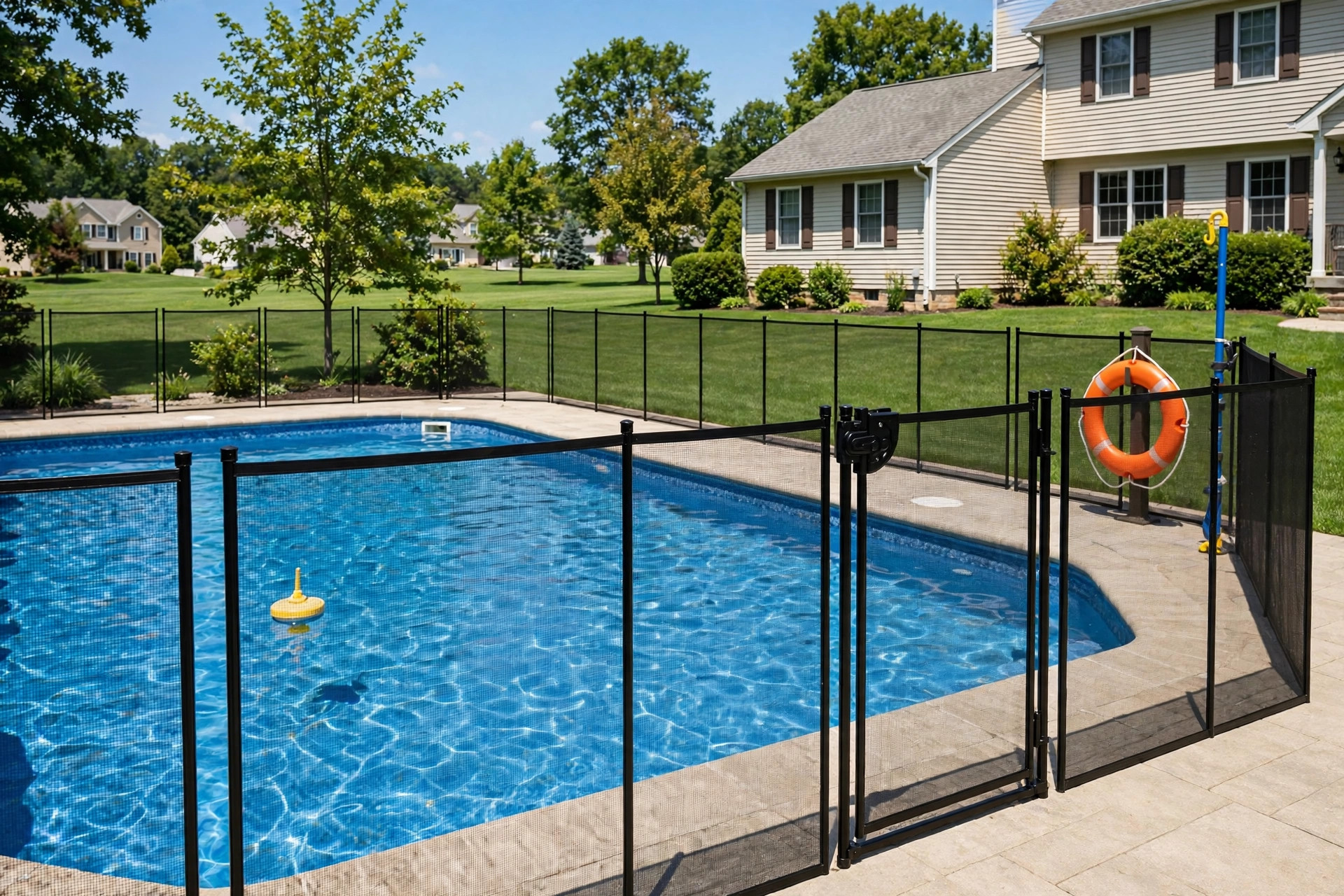
Every parent who buys a pool asks the same question. How do I keep my children safe in the water? The answer is not one product. It is a set of features that work together. The best pool for kids safety features starts with a strong fence and ends with clear family rules. This guide walks through each feature in plain language. It covers what to buy, what to look for, and what it costs. By the end, you will know how to choose a pool that gives your family joy without fear.
Why Safety Features Matter
A swimming pool is one of the most loved parts of a home. Children spend long summer days in the water. They laugh. They play. They learn to swim. But water also carries real risk. Drowning is a leading cause of injury death for young children in the United States. Most of these accidents happen at home. They happen fast and in silence.
The good news is that most pool accidents can be prevented. A fence, an alarm, and a cover form layers of protection. The U.S. Consumer Product Safety Commission teaches that no single device can take the place of watchful adults. But each layer cuts the risk further. Parents who take safety features seriously sleep better at night. Their children enjoy the pool with less danger.
Safety features also raise the value of the home. Buyers with young families look for pools that already have fences and alarms. A safe pool is easier to insure in many states. In short, the best pool for kids safety features protects your children and your investment at the same time.
What to Look for in a Safe Pool: Best Pool for Kids Safety Features
When you shop for the best pool for kids safety features, look at the safety gear before you look at the tile color. A beautiful pool without a fence is a danger. A plain pool with a full set of safety features is a gift to the family. Here are the features that matter most.
Fences and Barriers
A fence is the single most important safety feature. It should stand at least four feet high. It should surround all four sides of the pool. The fence between the house and the pool matters most. Many accidents happen when a child slips out of a back door and walks straight to the water.
The gate should close and latch by itself. The latch should sit high enough that a small child cannot reach it. Removable mesh fences are a common choice. They cost less than metal fences and can come down when children grow older. Pool safety guides from home retailers show many fence styles that meet local codes. Check your town rules before you buy. Some areas demand specific fence heights and gate types.
Pool Alarms
An alarm adds a second layer of protection. A pool alarm floats on the water or mounts on the gate. It sounds a loud siren when it senses a wave or a door opening. A sleeping child can fall in without a sound. The alarm breaks that silence.
Look for an alarm that meets current safety standards. It should be loud enough to hear inside the house. Test it each month, the same way you test a smoke alarm. A dead battery turns a good alarm into a useless box. Many parents pair a surface alarm with a door alarm on every door that leads to the pool area.
Safety Covers
A safety cover stretches tight over the water and holds weight. Unlike a thin solar cover, a true safety cover can support a child who walks onto it. Independent testing groups stress that a cover must meet the ASTM safety standard to count as a safety cover. Ask the seller for the standard by name.
Covers come in mesh and solid types. Mesh lets rain drain through. Solid keeps leaves and dirt out but needs a pump to remove standing water. For families with small children, the cover is most useful in the off season. It is not a fence. Never trust a cover alone while the pool is open for the season.
Drains and Suction Outlets
Old pool drains caused harm when a child’s hair or body blocked them. New rules fixed much of this risk. The best pool for kids safety features will have anti-entrapment drain covers. These domed covers spread the suction so a body cannot seal against them. The Virginia Graeme Baker Pool and Spa Safety Act made these covers federal law for public pools. Many home pools now carry them as well.
Ask your pool builder if the drains meet the current standard. Check that there are at least two drains so the suction splits between them. Look at the covers each spring. Cracked or missing covers need replacement at once. Pool supply specialists sell certified drain covers for older pools that need an upgrade.
Types of Pools and Their Safety Options
Every pool type can be made safer. The features stay the same. The way you apply them changes a little.
Above Ground Pools
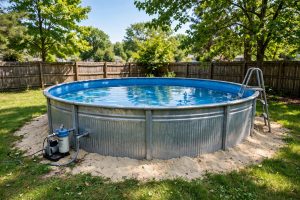
Above ground pools sit high off the ground. The wall itself acts as a barrier. But children climb ladders and stacked boxes. Remove the ladder when the pool is not in use. Lock it away or flip it up. Add a fence around the base if local rules call for one.
Look for models with a locking ladder or a lift-up step. Many families choose a round above ground pool for a first family pool. It costs less than an in ground pool. With a fence, an alarm, and a locked ladder, it can serve a young family well for years.
In Ground Pools
In ground pools are open at ground level. They need the full set of barriers. A four-sided fence is a must. Add a door alarm on the house doors. Add a pool alarm on the water. A safety cover helps in winter months.
In ground pools offer more room for safety extras. You can add a wide shallow shelf where small children can sit. You can add steps with a handrail instead of a bare ladder. These design choices make the pool easier for young swimmers to enter and leave.
Spas and Hot Tubs
Spas and hot tubs are deep and hot. Young children should never use them without an adult. The best safety feature is a locking hard cover. Spa makers and hot tub makers sell locking covers that strap down tight. A fence around the spa adds more protection.
Set the water temperature low enough for safety. Health experts warn that hot water harms small children faster than adults. Keep the cover locked at all times when the spa is not in use. A spa left open is as dangerous as a small pool.
Cost and Price of Safety Features
Safety does not have to cost a fortune. A basic set of features runs less than many people think. Here are rough prices in United States dollars.
A removable mesh fence costs about 15 to 25 dollars per foot installed. A typical pool needs 100 to 200 feet. A self-closing gate adds a few hundred dollars more. A pool surface alarm costs 100 to 250 dollars. Door alarms cost 20 to 50 dollars each. A safety cover for an average pool costs 1,000 to 2,500 dollars installed.
Anti-entrapment drain covers cost 30 to 100 dollars each. A pool cover that handles leaves in autumn costs extra but saves hours of cleaning. A heater built for cold climates and a robotic cleaner made for vinyl liners add comfort but are not safety items.
Plan the safety gear into the first budget. Do not buy the pool now and the fence later. The gap between the two is when accidents happen. Many home improvement stores bundle fences, alarms, and covers at a lower price.
Care and Upkeep
Safety gear only works when it is kept in good shape. Make a simple checklist and walk it each month.
Check the fence for gaps and loose panels. Push on the gate to test the self-closing spring. Lift the latch to see if a small child could reach it. Test the pool alarm by making a wave. Test the door alarms by opening the doors. Change batteries at the start of each season.
Look at the safety cover for tears. Check that the straps and anchors hold tight. Look at the drain covers for cracks. Keep the water clear enough to see the bottom. Pool care education sites offer free guides for weekly pool care.
Keep life-saving gear near the pool. A reaching pole and a life ring should hang on the fence. Learn CPR. Many local Red Cross chapters teach classes in an evening. In an emergency, quick action matters more than any device.
Safety Rules for the Whole Family
Devices help. Rules help more. Write the rules down and teach every child.
First, no one swims alone. Second, no one enters the pool area without an adult. Third, no running on the deck. Fourth, no diving in the shallow end. Fifth, toys stay out of the pool after swimming so children do not reach in for them.
Appoint a water watcher at every swim. This adult watches the water and nothing else. No phone. No book. No conversation. Trade the job every 20 minutes so the watcher stays sharp. Home and garden guides remind families that most accidents happen when adults think someone else is watching.
Teach children to swim as early as you can. Lessons do not make a child drown-proof. But they build skill and respect for the water. Keep the lessons going each year.
Frequently Asked Questions
What is the most important safety feature for a pool with kids?
The fence comes first. A four-sided fence with a self-closing, self-latching gate keeps children out of the pool area. Add alarms and covers as extra layers. No single device is enough on its own.
Are pool alarms worth the money?
Yes. A good pool alarm costs less than 250 dollars. It sounds a siren when the water moves or a gate opens. Test it each month. Change the battery each season. An alarm is a strong second layer behind the fence.
Can a safety cover replace a fence?
No. A safety cover protects the pool when it is closed for the season. During swim season, the cover is off and the water is open. You need a fence and alarms for the months the family swims.
What drain covers are safe for children?
Use anti-entrapment drain covers that meet the federal standard. They have a domed shape that stops a body from sealing against the drain. Pools should have at least two drains to split the suction. Replace cracked covers at once.
At what age can children use a hot tub?
Health experts say young children should stay out of hot tubs. If older children use a spa, an adult must be in the water with them. Keep the water temperature low and the time short. Lock the cover when the spa is not in use.
How do I child-proof an above ground pool?
Remove or lock the ladder when no adult is present. Add a fence if your town calls for one. Add a pool alarm on the water. Keep the area around the pool clear of boxes and chairs that a child could climb.
Final Word
The best pool for kids safety features is not the most costly pool. It is the pool with a strong fence, working alarms, a true safety cover, and safe drains. Add clear family rules and a water watcher at every swim. Pool supply retailers carry the gear you need in one place. Build the layers now, and your family can enjoy the water for years with peace of mind.
References
Bullfrog Spas. (n.d.). Hot tubs and spas. https://www.bullfrogspas.com Consumer Reports. (n.d.). Product reviews and ratings. https://www.consumerreports.org Hot Spring Spas. (n.d.). Hot tubs and spas. https://www.hotspring.com Leslie’s Pool Supplies. (n.d.). Pool supplies and equipment. https://www.lesliespool.com Lowe’s. (n.d.). Home improvement products. https://www.lowes.com Pool Warehouse. (n.d.). Pool equipment and supplies. https://www.poolwarehouse.com Swim University. (n.d.). Pool and hot tub care guides. https://www.swimuniversity.com The Home Depot. (n.d.). Home improvement products. https://www.homedepot.com The Spruce. (n.d.). Home and garden advice. https://www.thespruce.com U.S. Consumer Product Safety Commission. (n.d.). Product safety information. https://www.cpsc.gov
Was this guide helpful?

About Emily Rodriguez
The My Garden US editorial team writes practical, in-depth home and garden guides for American homeowners — tested advice, no fluff.