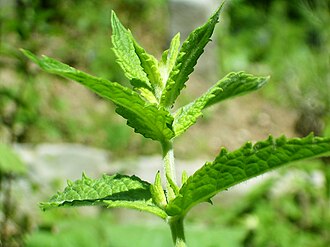

Photo: Wikimedia Commons
Mint is the easiest herb to grow and the hardest to control — a blessing that becomes a takeover if you plant it carelessly. Grown in a pot or behind a buried barrier, it is a fountain of fresh flavor for teas, salads, and summer drinks. Respect its vigor and it will serve you for years.
Few garden projects pay back faster than a herb patch. Fresh herbs transform ordinary cooking, cost almost nothing to grow, and most are far easier than vegetables — fewer pests, less feeding, and many shrug off drought. Whether you grow in a bed, a raised planter, or pots on a sunny step, the steps below will carry this herb from planting to a steady supply of fresh leaves.
Mint roots so eagerly from cuttings and divisions that seed is rarely worth it, and seedlings often taste weak. Start from a nursery transplant, a rooted cutting, or a divided clump in rich, moisture-holding soil, in full sun to part shade. Decide on containment first: use its own large pot, or sink a bottomless bucket 12 inches deep around it in the bed.
At a Glance
- Plant: Mint (Mentha spicata)
- Type: Herb
- Sun: Full sun to part shade
- Soil: Moist, rich soil
- Water: Loves moisture
- Spacing: 18 inches
- Planting depth: Plant about a quarter inch deep
- Time to maturity: 60 to 90 days
- USDA zones: 3–11
Getting Started: Picking the Right Variety
Start with the end in mind: how you plan to use the herb decides what to plant. Heavy kitchen use calls for the most vigorous, productive type you can find, while a single ornamental-edible plant can be a prettier, slower variety. Check whether the herb is perennial in your zone — perennials are a one-time planting, while tender types get replanted each spring or overwintered indoors. Buy from a reputable nursery rather than a discount rack; healthy roots at planting time predict everything that follows.
Botanically this is Mentha spicata, and how you start it shapes the whole season. Move transplants into the garden about one week after your last spring frost. Buy healthy, stocky starts — leggy, root-bound plants never fully recover. Gardenia.net offers clear, gardener-written growing guides for this plant.
When and How to Plant
Get the timing right and half the battle is won. Everything below is tied to your last spring frost and first fall frost, so it works whether you garden in the North or the South. Move transplants into the garden about one week after your last spring frost.
Plant about a quarter inch deep. Space plants about 18 inches apart. From sowing to harvest takes roughly 60 to 90 days. Firm the soil gently around seeds or roots and water everything in well — that first watering settles soil against the roots and starts growth off right.
To pin down the right week for your zip code, check your USDA zone planting dates on our planting calendar. It lists indoor sowing, transplanting, and direct sowing windows for hundreds of plants by zone, so you can plan the whole season in one sitting. For pest and disease identification, Clemson’s Home and Garden Information Center is one of the best free resources available. Clemson Cooperative Extension has solid fact sheets on planting and care.
Soil and Sun
Mint wants full sun to part shade. Give it the sunniest spot you can, though it tolerates some afternoon shade — in hot regions that shade is a blessing.
For soil, give it moist, rich soil. Drainage matters more than fertility for most herbs. If your ground stays wet after rain, build a raised bed or grow in containers with a gritty potting mix. A light top-dressing of compost in spring is plenty of food for the year. Gravel mulch around Mediterranean herbs keeps their crowns dry and reflects warmth up into the plant.
Zone-wise, it is at home in USDA zones 3 through 11. If you are at the warm edge of that range, afternoon shade and deep mulch help; at the cold edge, a sheltered microclimate near a south-facing wall can make the difference. UF/IFAS Gardening Solutions covers growing basics that apply well beyond Florida. You can confirm the native range and growing conditions in the USDA PLANTS Database.
Watering and Feeding
Plan your watering around this: loves moisture. This is not a plant to let dry out. Mulch heavily and check soil moisture often in hot weather.
When it comes to feeding herbs, restraint is a virtue. A single light feeding in spring covers nearly everything; container herbs may want a half-strength liquid feed monthly through summer. Let pots dry slightly between waterings — most herbs would rather be a touch dry than soggy. Snip often; harvesting is the best fertilizer for bushy growth. The University of Minnesota Extension publishes detailed, research-based growing guides for home gardeners.
Care Through the Season
Mint loves water, so keep the soil consistently moist and mulch to hold it. Pinch the growing tips regularly to force bushy side growth, and shear the plant back by a third when it flowers to trigger fresh tender leaves. Watch for mint rust, orange spots on leaf undersides; remove affected leaves promptly.
A few grower tips specific to mint: Always grow mint in a pot or buried barrier – it will take over any bed within a season. With herbs, less is usually more — resist the urge to fuss, and let the plant’s natural toughness do the work.
Herbs thrive on attention, not pampering. Harvest a little every week and the plant responds with fresh growth; ignore it and it goes woody and sparse. Cut back perennial herbs by a third in midsummer if they get rangy — most bounce back with tender new leaves. In fall, pot up tender types before frost or take cuttings to root on a windowsill. The Missouri Botanical Garden plant profiles are excellent for checking mature size and culture.
Harvest
Harvest by cutting stems just above a leaf pair, and the plant branches into two new stems from that point. Use leaves fresh, since dried mint loses punch, or freeze chopped leaves in water in ice cube trays. Pro tip: keep different mint varieties in separate pots far apart, or their roots mingle and the flavors blur.
Fresh herbs are a daily luxury once the patch is going — snip what you need, when you need it. To put some by, dry leafy herbs quickly in a warm, dark, ventilated spot; slow drying in humidity turns them brown and musty. Freezing in oil or water preserves flavor better than drying for soft herbs. Label everything; dried herbs all look alike by winter. The USDA National Agricultural Library holds deep reference material on this plant’s cultivation and history.
A Season With Mint
A herb year runs itself if you keep the rhythm. Spring: clean up, divide, plant, and sow — most herbs want to be in the ground as early as frost allows. Summer: harvest weekly, which is also pruning; dry bundles hang in a dark, airy room while the flavor is at its peak. Fall: bring the tender ones inside, mulch the hardy ones, and sow a last round of cool-season annuals where winters are mild. Winter: tend the windowsill pots, use up the dried stores, and plan next year’s additions. Few garden routines are this simple or this rewarding.
Troubleshooting
Hardy nearly everywhere; dies back in winter and returns in spring. In practical terms, match the plant to your climate before you buy — fighting a plant’s nature is a losing game, while choosing one suited to your zone makes everything else easy.
Why no flavor? Herbs grown in too much shade or too much fertilizer taste weak — sun and lean soil concentrate the oils. Why brown leaf tips? Usually inconsistent watering or salt buildup in pots; flush containers occasionally. Why is it flowering? Most herbs bolt in heat or long days — pinch flowers to prolong leaf harvest, or let them bloom for the bees and harvest the seeds.
Do not aim for perfection in the first season. Get the plant in the ground at the right time, keep up with water and weeds, and you will learn more in one summer than from a shelf of books. The Old Farmer’s Almanac offers practical, beginner-friendly growing advice for this crop.
Keep Exploring
If you enjoyed this guide, keep going with our guide to growing aloe vera, our guide to growing bay laurel, our guide to growing summer savory — and check your USDA zone planting dates on our planting calendar to plan what goes in next.
References
Clemson University Cooperative Extension. (n.d.). Growing mint in home gardens. https://clemson.edu/extension/
U.S. Department of Agriculture. (n.d.). PLANTS database. https://plants.usda.gov/home
Clemson University Cooperative Extension. (n.d.). Home & garden information center. https://hgic.clemson.edu/
University of Florida IFAS Extension. (n.d.). Growing mint in home gardens. https://gardeningsolutions.ifas.ufl.edu/
Was this guide helpful?

About My Garden US
The My Garden US editorial team writes practical, in-depth home and garden guides for American homeowners — tested advice, no fluff.