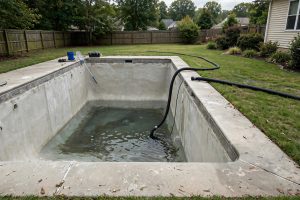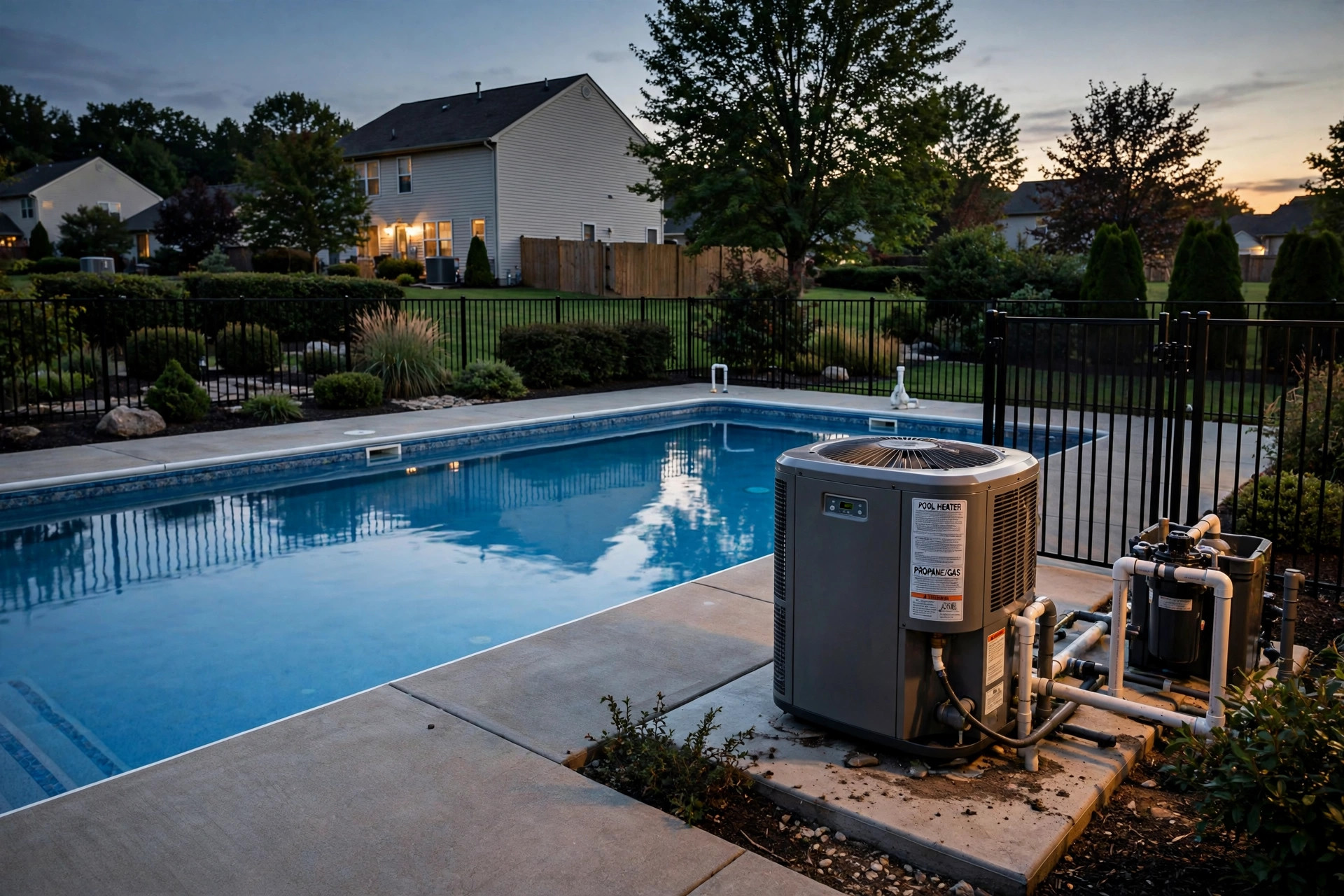

An inground pool heater installation cost is one of the first things pool owners ask about when the swim season runs short. Cold water ends the season early in many parts of the country. A heater adds weeks or months of use. But the total bill is not just the price of the heater. It includes labor, gas or electric lines, permits, and the pad under the unit. This guide walks through every part of the cost. It also explains the types of heaters, how to pick the right size, and what it costs to run one year after year.
Why an Inground Pool Heater Matters
An inground pool is a big investment. In many homes it sits idle for half the year. A heater changes that math. Water in the low seventies feels cold to most swimmers.
A heated pool gets used more often. Families swim after school in spring and well into fall. People with stiff joints use warm water for gentle exercise. In warm states a heater handles cool nights. In northern states it stretches a short season by two or three months.
Types of Inground Pool Heaters: Inground Pool Heater Installation Cost
There are three main types of heaters for inground pools. Each heats water in a different way. Each has a different price and running cost. The right choice depends on your climate, your fuel options, and how often you heat the pool. (If you own a raised pool instead, see our guide to a pool heater for above ground pools.)
Gas Pool Heaters
Gas heaters burn natural gas or propane. They heat water fast. A gas unit can raise pool temperature by several degrees in a few hours.
The heater itself costs more than a heat pump in many cases, and the installation can be complex. A gas line must reach the equipment pad. Some homes need a larger gas meter. Propane tanks may be needed where natural gas is not available.
Gas heaters work in any weather. They do not depend on the air temperature. For that reason many owners in cold states pick gas. Independent test labs rate models on efficiency and noise, which helps when you compare brands. The trade off is fuel cost. Gas is the most expensive way to heat a pool over a full season.
Electric Heat Pumps
Heat pumps move heat from the air into the pool water. They do not make heat by burning fuel. They use far less energy than gas heaters for the same warming effect.
A heat pump costs less to run than gas. It warms water more slowly, though. It also works best when the air is above fifty degrees. In warm and mild states a heat pump is often the best value. Energy efficiency guides explain how heat pumps move heat instead of making it.
The unit needs a proper electric circuit. Most large heat pumps need a 220 volt line. If your panel is far from the pool pad, wiring adds cost. Heat pumps also need good air flow around the unit, so they cannot sit in a tight corner.
Solar Pool Heaters
Solar heaters pump pool water through dark panels on a roof or rack. The sun warms the water before it returns to the pool. There is no fuel bill at all.
Solar has the lowest running cost. It also has limits. It needs a large panel area, often half the pool surface or more. It only works well on sunny days. It heats slowly and adds only a few degrees on cloudy days.
Installation means mounting panels and running pipe from the pool to the roof. Solar kits are sold by major home improvement retailers and pool specialists. The roof must be sound and must face the sun for much of the day. In the deep south, solar can carry most of the load. In the north, it works best as a helper to another heater.
How to Choose the Right Heater
Size matters. A heater too small will run all day and still leave the water cool. A heater too large costs more than you need and cycles on and off too often.
Heaters are rated in BTUs for gas and in BTU or kilowatts for heat pumps. For a typical home inground pool, gas units run from about 200,000 to 400,000 BTU. A pool pro can size the unit from your pool volume, your desired temperature rise, and your local climate.
Climate comes first in the choice. Cold states favor gas. Mild states favor heat pumps. Sunny states favor solar, alone or with a heat pump.
Fuel access comes second. If natural gas already reaches your home, a gas heater is simpler to install. If you heat with oil or have no gas line, a heat pump or propane may be the path. Check what your local dealer services well. Pool supply stores and online pool equipment dealers both list service networks by area. A brand with local parts and service is worth more than a brand that saves a few hundred dollars up front.
It also helps to read a guide to the best pool heater for inground pools before you buy. Comparing models side by side shows how efficiency, noise, and warranty differ.
Inground Pool Heater Installation Cost Breakdown
So what is the inground pool heater installation cost? For a full project, most homeowners pay between 2,500 and 6,000 dollars. A simple heat pump swap on an existing pad can run under 2,500 dollars. A large gas unit with a new gas line, new electric run, and permits can pass 7,000 dollars.
Here is how the total breaks down:
– The heater unit: 1,200 to 4,000 dollars, based on type and size. – Labor: 500 to 1,500 dollars for a standard install. – Gas line or electric run: 300 to 2,000 dollars, based on distance and trench work. – Permits and inspections: 50 to 400 dollars, based on the town. – Pad, piping, and parts: 150 to 600 dollars.
The unit is the biggest single line. A mid size gas heater often costs 2,000 to 3,500 dollars. A heat pump of the same class often costs 2,500 to 4,500 dollars. Solar systems vary widely, from 2,000 dollars for a small roof kit to 6,000 dollars or more for a large pool.
Prices also move with the market. Metal prices, shipping, and local labor rates shift year to year. Get at least three written quotes. Make sure each quote lists the heater model, the BTU rating, and every part of the install work.
Labor and Permit Costs
Labor is the part of the bill that varies most by town. A licensed pool contractor charges for the crew, the truck, and the time to tie the heater into your pump and filter system. Most installs take half a day to two days.
A gas line needs a licensed gas fitter in most states. Running gas pipe fifty feet from the house to the pool pad may cost 500 to 1,500 dollars. Trenching through concrete or stone adds more. An electric run for a heat pump needs an electrician. A long 220 volt run can cost 300 to 1,000 dollars.
Permits are a must in most cities and counties. The town may want a plan showing the heater, the gas or electric line, and the clearances from the house and lot lines. Fees are usually modest, but skipping a permit can bring a stop work order and a fine. A good contractor pulls the permit for you and books the inspection.
Running Costs Over Time
The install bill is only the start. Running costs decide the true price of heat.
Gas heaters cost the most to run. A 400,000 BTU gas heater can burn four therms of natural gas per hour at full output. At typical gas prices, that is 4 to 8 dollars per hour of run time. Heating a pool for a season can add hundreds to the gas bill each month.
Heat pumps cost far less per hour. A typical unit draws about 5 kilowatts. At average electric rates, that is under a dollar per hour. Over a season a heat pump may cost one third to one half what gas costs for the same heating.
Solar costs almost nothing to run. The pool pump does the work. A larger pump load may add a little to the electric bill, but the heat itself is free.
Wind is the hidden cost driver. An uncovered pool loses heat fast on a breezy night. A solar cover cuts heat loss by half or more. It also cuts evaporation, which saves water and chemicals. Buyers who skip the cover often pay double for heat.
For a full season, expect 500 to 2,000 dollars in fuel or power for gas, 300 to 900 dollars for a heat pump, and near zero for solar. Your climate, pool size, and cover use move these numbers.
Care and Upkeep
A pool heater needs little care, but it needs steady care. Clean the filter on schedule. A dirty filter slows water flow and makes the heater work hard. That raises costs and shortens the life of the unit.
Check water chemistry weekly. Low pH eats metal parts inside the heater. High pH leaves scale. Both cut efficiency. Keep chlorine, pH, and alkalinity in the safe range your heater manual lists. Step by step pool care guides show how to test and adjust each level.
For gas heaters, keep the burner area clear of leaves and nests. Look at the flame through the sight glass now and then. A yellow, lazy flame may mean a service call is due.
For heat pumps, keep the coil clean. Rinse dust and pollen off the coil with a garden hose. Keep plants trimmed back so air flows freely around the unit.
For solar, check the panels each spring. Look for cracked glazing or loose straps. Flush the panels before the season starts to clear winter debris.
Have a pro service the heater once a year. A yearly check finds small problems before they turn into big bills. Most service visits cost 100 to 250 dollars.
Safety Tips
Pool heaters burn fuel or move large electric loads. Treat them with care.
Keep children away from the equipment pad. Gas heaters get hot on the outside. Electric units have live parts inside. A simple fence or gate around the pad adds safety. Federal pool safety resources list the barriers and alarms every pool owner should know.
Install a carbon monoxide alarm in any indoor pool room. Gas heaters vent exhaust outside, but a blocked vent can push fumes indoors. An alarm is cheap insurance.
Never run a gas heater with the pump off. The heater needs water flow to carry heat away. Modern units have flow switches that shut them down, but do not test that safety feature on purpose.
Watch for gas smells. If you smell gas near the pad, shut the unit off at the valve, leave the area, and call your gas company. Do not try to find the leak yourself.
Follow the clearance rules in the manual. Heaters need space from walls, fences, and windows. Crowding the unit traps heat and exhaust. Your permit inspection will check these clearances.
Frequently Asked Questions
How long does installation take?
Most installs take one to two days. A simple swap of an old heater for a new one can take half a day. A full job with a new gas line, trench work, and permits can take three to five days from start to finish.
Can I install a pool heater myself?
A handy owner can handle some parts, like setting the pad or running PVC pipe. But gas lines and high voltage wiring need licensed pros in almost every state. Home repair guides can help you judge which tasks are safe to do yourself. Most towns also require a permit and an inspection. For safety and warranty reasons, most owners hire a contractor.
What size heater do I need for my inground pool?
For most home pools of 15,000 to 30,000 gallons, a 300,000 to 400,000 BTU gas heater or a 120,000 to 140,000 BTU heat pump is common. Your climate and how warm you want the water set the final size. A pool pro can run the numbers from your pool volume.
Is a heat pump or gas heater cheaper overall?
The heat pump usually wins on total cost over five to ten years. It costs more to install in some cases, but it costs far less to run. Gas wins when you need fast heat in cold weather or when you heat the pool only now and then.
Do I need a permit to install a pool heater?
In most towns, yes. Gas and electric work both need permits and inspections. Fees are usually 50 to 400 dollars. Your contractor should handle the paperwork.
Are there ways to heat a pool without a heater?
Yes. A solar cover is the cheapest first step. It can add several degrees and cut heat loss at night. Windbreaks, like a fence or hedge, also help. For more ideas, see our guide on how to heat pool without heater.
Final Word
The inground pool heater installation cost runs from about 2,500 to 6,000 dollars for most homes. The unit, the fuel hookup, and the labor set the price. Running costs then decide the long term value. Pick the heater type that fits your climate, size it right, and get three quotes. Do that and your pool will open earlier, close later, and get used the way you hoped when you bought the house. Many owners also add a hot tub or swim spa beside the pool for year round warm water.
References
Bullfrog Spas. (n.d.). Hot tubs and spas. https://www.bullfrogspas.com Consumer Reports. (n.d.). Product reviews and ratings. https://www.consumerreports.org Hot Spring Spas. (n.d.). Hot tubs and spas. https://www.hotspring.com Leslie’s Pool Supplies. (n.d.). Pool supplies and equipment. https://www.lesliespool.com Pool Warehouse. (n.d.). Pool equipment and supplies. https://www.poolwarehouse.com Swim University. (n.d.). Pool and hot tub care guides. https://www.swimuniversity.com The Home Depot. (n.d.). Home improvement products. https://www.homedepot.com The Spruce. (n.d.). Home and garden advice. https://www.thespruce.com U.S. Consumer Product Safety Commission. (n.d.). Product safety information. https://www.cpsc.gov U.S. Department of Energy. (n.d.). Energy efficiency and renewable energy. https://www.energy.gov
Was this guide helpful?

About Sarah Mitchell
The My Garden US editorial team writes practical, in-depth home and garden guides for American homeowners — tested advice, no fluff.
You May Also Like
The Best Pool Chemical Feeder for Chlorine: How to Choose the Right One
June 4, 2026 0 views
Salt Water Pool Filter Maintenance Tips: A Complete Guide for Clear Water
July 4, 2026 0 views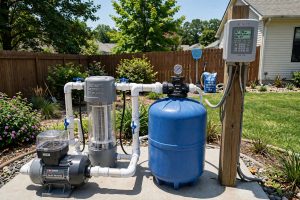
How to Install a Salt Water Chlorinator: A Step by Step Guide
April 7, 2026 0 views