
Pool owners learn fast that clear water is not an accident. One of the most important parts of water balance is total alkalinity. When it falls too low, the water turns rough on equipment and hard to manage. This guide explains how to raise pool alkalinity levels in simple steps. You will learn what alkalinity does, how to test it, what to add, how much to add, and how to keep it steady through the swim season.
Why Alkalinity Matters in Pool Water
Total alkalinity is a measure of the substances in water that hold the pH steady. Think of it as a cushion. When the cushion is thick, the pH stays calm. When the cushion wears thin, the pH swings up and down with every splash of rain, every dose of chlorine, and every crowd of swimmers.
The safe range for total alkalinity in most pools sits between 80 and 120 parts per million. Some pool guides accept 100 to 150 for certain plaster finishes, but 80 to 120 works well for the great majority of home pools. When the number drops below 80, the water loses its cushion. The pH then starts to bounce. Chlorine burns off faster. Metal parts rust and corrode. Plaster can etch and roughen. The water may sting the eyes more than it should.
Low pool alkalinity symptoms show up in small ways at first. The pH test keeps reading different numbers from one day to the next. You add chlorine, and it seems to vanish. The ladder rails look dull. The heater makes odd noises. None of these signs means ruin. They all point to the same simple fix: raise the alkalinity back into range and hold it there. That is why every guide on how to raise pool alkalinity levels starts with testing. You cannot fix a number you have not measured.
What Low Alkalinity Looks and Feels Like: How to Raise Pool Alkalinity Levels
Before you add anything, it helps to know the signs of low alkalinity. Water with weak alkalinity tends to be restless. The pH drifts downward and upward without clear cause. Green tints can appear even when chlorine seems present, because unstable pH weakens the sanitizer. Vinyl liners may wrinkle. Concrete and plaster surfaces may develop rough patches. In a hot tub, the same problem shows up faster because hot water is less forgiving; learning how to lower pool pH levels safely is the mirror skill every spa owner should pair with this one.
Rain is a common cause of falling alkalinity. Heavy storms dilute the water. So does topping off the pool with fresh water from a hose over many weeks. Acid-based cleaners lower it too. Even normal swimming pulls minerals out slowly. None of this is a fault. It is ordinary wear, and ordinary wear has an ordinary cure.
What to Use to Raise Pool Alkalinity
The standard product for raising alkalinity is sodium bicarbonate. You know it as baking soda. Pool stores sell it in bags labeled “alkalinity increaser,” and that product is the same chemical as the baking soda in your kitchen. The pool-store bag often costs more per pound, so many owners buy plain baking soda in bulk instead. Both do the same work in the water.
Baking soda is kind to pool water. It raises total alkalinity with only a small lift in pH. That is exactly what you want when the alkalinity is low but the pH is fine. Other products, such as soda ash, push the pH up hard. Soda ash is the right tool when both alkalinity and pH are low together, but the wrong one when only alkalinity needs help. For most cases of how to raise pool alkalinity levels, baking soda is the safe and simple answer.
You will need a few basic tools. A reliable test kit or test strips made for pools will do. A five-gallon bucket helps you dissolve the powder before it goes in. A pool brush helps spread it around. Some owners keep a notebook by the pump to record test numbers and doses. That small habit saves a lot of guessing later.
How to Raise Pool Alkalinity Levels Step by Step
Follow these steps in order. Do not rush them. Pool chemistry rewards patience.
Step 1: Test the water. Dip a strip or fill a test vial. Read total alkalinity first, then pH, then chlorine. Write the numbers down. You need the starting alkalinity and the size of your pool in gallons to find the dose. If you do not know your pool size, measure length, width, and average depth, then use a pool volume chart from a supply site such as Leslie’s Pool Supplies to work it out.
Step 2: Find the dose. The common rule is this: 1.5 pounds of baking soda raises the total alkalinity of 10,000 gallons of water by about 10 parts per million. So if your pool holds 20,000 gallons and your alkalinity reads 60, you need to raise it by about 40 to reach 100. That calls for roughly 12 pounds of baking soda. Round down, not up. It is far easier to add a second dose than to fix an overdose.
Step 3: Add it slowly. Pour the measured baking soda into a bucket of pool water and stir until it dissolves. Walk around the pool and pour the mixture in near the return jets, where moving water will carry it around. Keep the pump running. Never dump dry powder into the skimmer in one heap. A short guide to pool water basics explains why spreading chemicals with the circulation on keeps them from settling on the liner.
Step 4: Wait and retest. Let the pump run for at least six hours. Many owners wait a full day. Then test again. If the alkalinity now reads between 80 and 120, you are done. If it still reads low, repeat the dose with the new numbers. Two small doses beat one large guess every time.
Step 5: Check the pH. Baking soda lifts pH only a little, but check it anyway. If the pH now reads high, above 7.8, you may need a small acid adjustment. If it reads between 7.2 and 7.6, leave it alone. Your water is balanced.
That is the whole method. Owners who ask how much baking soda to raise pool alkalinity often expect a tricky answer. There is none. Measure, dose by the rule, add slowly, wait, and test again.
Types of Alkalinity Products and When Each Fits
The shelves hold a few options, and it helps to know which fits which case.
Baking soda (sodium bicarbonate). The workhorse. Raises alkalinity with slight effect on pH. Best when alkalinity is low and pH is normal.
Soda ash (sodium carbonate). Raises alkalinity and pushes pH up strongly. Best when both alkalinity and pH are low. Use with care, since overshoot is common.
Borax. Some owners use it to steady pH, but it is not a direct alkalinity raiser. It should not stand in for baking soda here.
Pre-measured pool-store increasers. These are baking soda in a pool-store bag. They work fine. They cost more. Read the label for dosing, since some brands pack it denser.
For a standard backyard pool with low alkalinity and a fair pH, baking soda is the answer nine times out of ten. Keep a box of soda ash on hand for the rare case where both numbers are low, and keep both away from chlorine products on the storage shelf.
Cost and Price of Raising Alkalinity
This is one of the cheapest jobs in pool care. A four-pound box of baking soda from a grocery store costs only a few dollars. A large bag from a warehouse club covers several doses for a normal home pool. Pool-store alkalinity increaser runs higher per pound, often twice the grocery price, for the same chemical.
Most single doses fall between five and twenty dollars. Test strips cost a little more up front but last a whole season. A liquid test kit costs more still, yet it pays for itself in accuracy. Compared with the cost of a corroded heater or an etched plaster surface, keeping alkalinity in range is almost free. Budget-minded owners often pair this job with other cheap upkeep, such as checking a best pool vacuum for leaves reviews guide before leaf season.
Care and Upkeep Through the Season
Raising the alkalinity is one day’s work. Keeping it there is the season’s work. Test the water at least once a week in summer, and twice a week when the pool gets heavy use. Write the numbers down. Patterns will show, and you will learn your pool’s habits.
Top off evaporation slowly rather than in great gulps of hose water. Backwash the filter on schedule, since a dirty filter slows circulation and slows the spread of anything you add. Keep chlorine steady, because wild chlorine swings tug at pH, and pH tugs back at alkalinity. The three work as a team.
At season’s end, close the pool with alkalinity in range. Winter water that starts balanced wakes up closer to balanced in spring. If you heat your pool through cold months, a best pool heater for cold climates guide can help you match your heater to your climate, since steady heat and steady chemistry go hand in hand. Owners in cold regions who run heaters through long seasons can find extra notes on equipment care from maker sites such as HotSpring and Bullfrog Spas.
Safety When Handling Pool Chemicals
Baking soda is mild, but pool chemistry still deserves respect. Keep every chemical in its original labeled container, stored dry and out of the sun. Never mix baking soda with chlorine products or acids in a bucket. Add chemicals to water, not water to dry chemicals, and keep your face back from the bucket while you stir.
Wear gloves and eye coverings when you handle pool chemicals of any kind. Wash your hands after. Store everything where children and pets cannot reach it. Federal pool safety guidance from the Consumer Product Safety Commission covers safe storage and handling around family pools, and it is worth a read for every new owner. If you ever splash a chemical in your eyes, rinse with clean water at once and call for help if pain lasts.
Swimmers should stay out of the pool while you are adding chemicals and for the waiting hours after. Six hours with the pump running is a sound rule.
Frequently Asked Questions
How fast does baking soda raise pool alkalinity? You will see the change in the water within hours, but the full effect needs circulation. Run the pump for six hours, then retest. Some owners wait overnight. The number you read after a full cycle of the pump is the true number.
Can I swim right after adding baking soda? No. Stay out until the chemical has mixed fully and you have retested. Six hours of pump time is the usual wait. The water is safe to swim in once alkalinity, pH, and chlorine all read in their normal ranges.
Will baking soda raise my pH too much? Baking soda lifts pH only a little. That is why it is the right tool for this job. If your pH was normal before, it should still be close to normal after. Soda ash is the product that pushes pH up hard, so do not swap them by mistake.
How is total alkalinity different from pH? Total alkalinity is the cushion that holds pH steady. The pH is the current reading of how acidic or basic the water is. You can think of alkalinity as the shock absorber and pH as the ride height. Fixing only the ride height without the shock absorber leaves the car bouncy. Retail guides to water balance often use this same car image, and it holds up well.
What if my alkalinity is too high instead? High alkalinity makes pH hard to lower and can cloud the water. The fix runs the other way: small, careful doses of muriatic acid or dry acid, added slowly, with retesting between doses. High alkalinity also scales up heater parts, which is one more reason to keep it in range.
Does rain lower pool alkalinity? Yes. Rainwater has almost no alkalinity, so a heavy storm dilutes your pool water and drags the number down. After a big storm, test before you swim. A small dose of baking soda often brings the water right back.
How often should I test alkalinity? Once a week in swim season is the floor. Test more often after storms, parties, or heavy topping off with hose water. Hot tubs need testing two or three times a week because small water volumes swing faster.
A Short Final Word
Learning how to raise pool alkalinity levels is one of the first real skills of pool ownership, and it stays useful every year after. Test the water. Dose with baking soda by the simple rule. Add it slowly with the pump running. Wait, retest, and adjust. Balanced water protects your equipment, stretches your chlorine, and feels better on the skin. For wider reading on pool care, trusted home and garden references such as The Spruce and the big-box project guides at The Home Depot keep large libraries of plain-language pool articles, while federal pool chemical safety pages from the EPA add the official word on safe handling.
References
Bullfrog Spas. (n.d.). Hot tubs and spas. https://www.bullfrogspas.com Hot Spring Spas. (n.d.). Hot tubs and spas. https://www.hotspring.com Leslie’s Pool Supplies. (n.d.). Pool supplies and equipment. https://www.lesliespool.com Pool Warehouse. (n.d.). Pool equipment and supplies. https://www.poolwarehouse.com Swim University. (n.d.). Pool and hot tub care guides. https://www.swimuniversity.com The Home Depot. (n.d.). Home improvement products. https://www.homedepot.com The Spruce. (n.d.). Home and garden advice. https://www.thespruce.com U.S. Consumer Product Safety Commission. (n.d.). Product safety information. https://www.cpsc.gov U.S. Environmental Protection Agency. (n.d.). Protecting human health and the environment. https://www.epa.gov
Was this guide helpful?

About James Carter
The My Garden US editorial team writes practical, in-depth home and garden guides for American homeowners — tested advice, no fluff.
You May Also Like
The Best Hot Tub Under 5000 Dollars: A Plain Guide for the Sensible Buyer
April 28, 2026 0 views
Hot Tub Jet Replacement Guide for Homeowners
January 23, 2026 0 views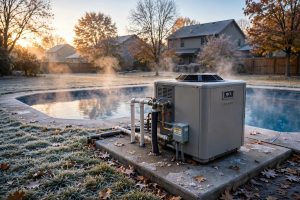
Best Pool Heater for Cold Climates: A Complete Buyer’s Guide
May 2, 2026 0 views