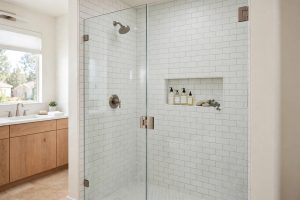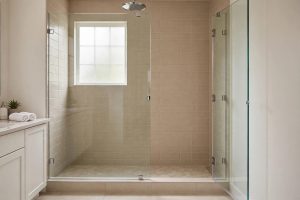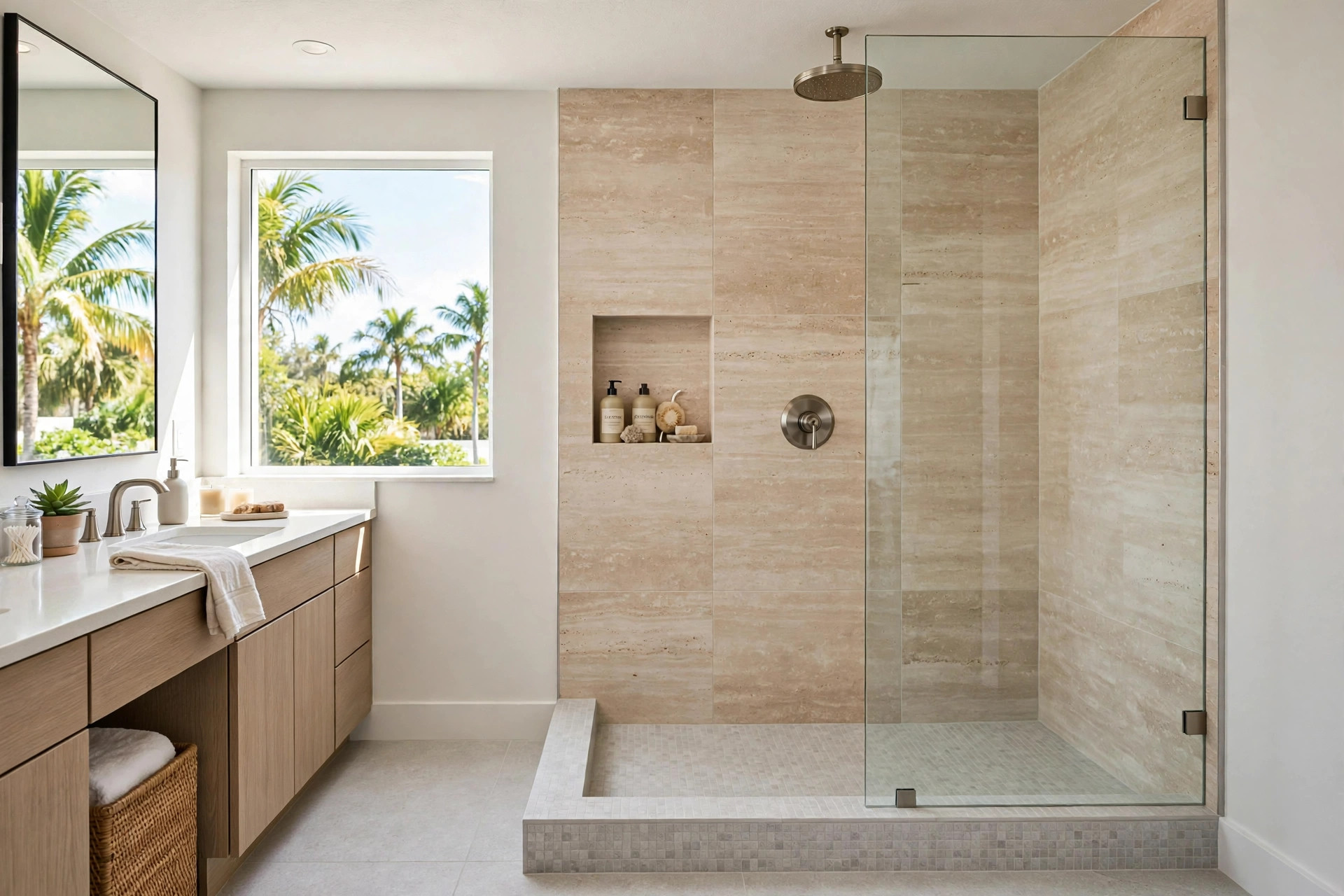
More and more homeowners across Florida are taking out their old tubs and putting in walk in shower kits. The reason is simple. Walk in showers are easy to step into, easy to clean, and they fit well with the warm, damp climate of the state. If you are shopping for walk in shower kits florida homes usa buyers trust, this guide will walk you through what matters, what to look for, what it costs, and how to keep your shower in good shape for years.
Why Walk In Shower Kits Make Sense for Florida Homes
Florida homes face special conditions. The air stays warm most of the year. Humidity is high. Mold and mildew grow fast in small, damp spaces. A walk in shower kit, which has no door frame corners and no tub walls, leaves fewer dark spots where mold can hide. The open design also lets air move more freely, which helps the walls dry between showers.
Many Florida homes are also built for older owners. The state has one of the largest senior populations in the country. A low or barrier-free threshold makes it safer to enter and exit. You do not have to lift your leg over a tall tub wall. For families with small children, a walk in shower is easy to use and quick to rinse down. For people who plan to age in place, a curbless walk in shower is one of the best changes they can make to a bathroom. Adding shower grab bars near the entry and the seat area makes the space safer for everyone in the home.
Home value is another point. Real estate agents in Florida report that updated bathrooms with modern showers sell faster than homes with old, stained tubs. A clean walk in shower looks bright and large. It makes a small bathroom feel bigger because the eye can travel across the whole floor.
What to Look for When Choosing a Kit: Walk in Shower Kits Florida Homes Usa
A walk in shower kit is not one single product. It is a set of parts that fit together. Most kits include a shower base or pan, wall panels, a drain, and sometimes a glass enclosure. Some kits include the shower valve and head. Others leave those parts for you to buy on your own.
The Shower Base
The base is the floor of the shower. It carries all the water to the drain. Most bases are made of acrylic, fiberglass, or solid surface material. In Florida, acrylic is a common pick because it resists the humidity and cleans with a soft cloth. Solid surface bases cost more but feel heavy and solid underfoot. Fiberglass bases cost less but can flex and may crack over time.
Pay close attention to the drain placement. The drain should sit where your home’s plumbing allows. Moving a drain means cutting into the slab or subfloor, which adds cost. Most Florida homes built on slabs have the drain in a fixed spot. Measure twice before you order.
Wall Panels
Wall panels come in tile-look acrylic, solid surface, and real tile backer kits. Acrylic panels install fast. You glue them to the wall and seal the seams. They have few grout lines, which means less mold. Real tile looks best, but grout needs regular sealing in Florida’s damp air. If you like tile, ask your installer about a full waterproofing membrane behind it. A built-in storage niche also helps: shower niche inserts give you a clean spot for soap and bottles without a rusting corner shelf.
Glass Enclosure
Many kits offer glass panels instead of a full door. A fixed glass panel keeps most of the water in while keeping the open feel of a walk in shower. If you want a door, frameless shower doors give a clean look and have fewer metal tracks where grime collects. Framed doors cost less but need more cleaning around the frame.
Valves, Heads, and Faucets
The valve controls the water temperature. Pick a pressure-balanced or thermostatic valve so the water does not turn scalding when a toilet flushes nearby. For the shower head, many Florida buyers pick a rain head or a handheld wand. A handheld wand on a slide bar makes cleaning the shower much easier, and it helps people who cannot stand under the spray for long.
Types and Options for Florida Bathrooms
Curbless Walk In Showers
A curbless shower has no step at the entry. The floor runs straight in from the bathroom floor. This is the easiest type to enter. It works best in new builds or full remodels, because the floor under it often needs to be lowered or sloped. In a slab home, the contractor must cut the slab to set the drain low enough. That work costs more but gives the most modern result.
Low Threshold Kits
Low threshold kits have a small curb, usually two to four inches high. This is the most common type sold as a kit. The curb holds water in while still being easy to step over. Most Florida homeowners pick this type because it installs without cutting the slab.
Neo-Angle and Corner Kits
Corner kits fit into a 90-degree corner of the bathroom. They use less floor space than full alcove kits. Neo-angle kits have a angled front corner. They work well in smaller Florida condos and apartments where every square foot counts.
One-Day Install Kits
Some brands sell kits meant to go up in a single day. They use large acrylic wall panels and a fitted base. A pro crew can pull out an old tub and set the new shower in one visit. These kits cost more per square foot than basic kits, but you save on labor days and you are without a shower for less time.
Cost and Price in Florida
Prices for walk in shower kits vary by size, material, and brand. A basic acrylic kit with a base, walls, and drain can run from about eight hundred to two thousand dollars for the kit alone. Mid-range kits with solid surface walls or better bases run from two thousand to four thousand dollars. High-end kits with custom glass, stone bases, and premium fixtures can reach five thousand dollars or more for materials alone.
Labor adds more. In Florida, a standard tub-to-shower swap by a licensed contractor often runs from three thousand to eight thousand dollars in total, including the kit. Curbless showers cost more because of the floor work. Glass doors add eight hundred to two thousand dollars on top, based on size and style.
Permits matter in Florida. Most cities and counties require a permit for plumbing changes. Your contractor should pull it. The permit usually costs under two hundred dollars and includes an inspection. Skipping the permit can cause trouble when you sell the home.
Prices shift by region. South Florida tends to run higher than the Panhandle. Getting three written bids is the safest path. Check that each bid lists the kit brand, the valve, the glass, the permit, and the disposal of the old tub.
Installation: What to Expect
Most walk in shower kit installs follow the same steps. First, the crew protects the floors and removes the old tub or shower. Then they check the framing and subfloor for rot or damage. Florida’s humidity can rot wood framing behind old showers, so this step matters. Next, they set the new base and level it. Then they hook up the drain and the water lines and pressure-test them. Wall panels or tile go up after that. The glass goes last, after the walls have cured.
A standard low threshold kit takes two to four days with one crew. One-day kits move faster but the cost per day is higher. A curbless shower can take a week or more because of the concrete and waterproofing work.
Waterproofing is the step you must not skip. In Florida, water behind a shower wall leads to mold in weeks. Good installers use a full waterproofing system on the walls and the floor joints. Ask your contractor to explain their waterproofing method before you sign. Reviewers on The Spruce and This Old House both stress that waterproofing matters more than the tile you see.
Care and Upkeep in a Humid Climate
A walk in shower is easy to keep clean if you follow a few habits. After each shower, use a squeegee on the glass and the walls. This takes one minute and stops hard water spots. Florida’s water is hard in many areas, so spots build fast. Run the bathroom fan for at least twenty minutes after each shower. If your fan is old or weak, replace it. A quiet, strong exhaust fan is one of the best buys for a Florida bathroom.
Once a week, spray the walls and base with a cleaner made for the material. Do not use harsh bleach on acrylic every week. It can dull the finish. Use a non-abrasive cleaner and a soft sponge. Check the caulk lines every few months. Florida’s heat and moisture wear caulk out faster than in dry states. When caulk pulls loose, cut it out and re-caulk before water gets behind the walls.
For tile showers, seal the grout once a year. For glass, a glass treatment product helps water bead off and cuts down on spots. Keep the drain clear with a hair catcher. A slow drain in a curbless shower can push water out onto the bathroom floor.
Safety Points to Plan For
Safety is a top reason people buy walk in shower kits. Plan for it from the start. Textured bases and anti-slip strips cut the risk of falls. A fold-down seat lets you sit while you shower. Place a grab bar near the entry and one near the seat or the controls. Bars must anchor into wall studs or solid backing, not just drywall. Your contractor should add blocking in the wall before the panels go up.
Set the water heater to 120 degrees. This stops scalding and saves energy. A thermostatic valve adds a second layer of safety by holding the temperature steady. For homes with seniors or small children, these small steps matter a great deal.
Many home improvement stores sell safety add-ons made for shower kits, including seats, bars, and handheld wands. Adding them during the install is far cheaper than adding them later.
FAQ
How much does a walk in shower kit cost in Florida? The kit alone runs about eight hundred to five thousand dollars based on size and material. A full install with labor runs about three thousand to eight thousand dollars for a standard tub-to-shower swap. Curbless installs cost more.
Can I install a walk in shower kit myself? A skilled DIY homeowner can install a basic acrylic kit. The hard parts are the drain hookup, the valve, and the waterproofing. In Florida, plumbing work often needs a permit and a licensed plumber. Many homeowners hire a pro for the plumbing and do the panels themselves.
Will a walk in shower leak onto my bathroom floor? A well-installed shower should not leak. The base, the waterproofing, and the glass or splash panel keep the water in. Curbless showers need a proper floor slope toward the drain. Ask your installer to test the slope before the walls go up.
How long does installation take? A basic kit takes two to four days. One-day kits can finish in a single visit with a full crew. Curbless showers take a week or more because of the floor work and waterproofing cure times.
Do walk in showers raise home value in Florida? They often do. Buyers like modern, easy-to-clean showers. Real estate guides on HGTV and Bob Vila note that bathroom updates rank among the top value projects. A dated tub, by contrast, can turn buyers away.
What is the best material for a humid climate? Acrylic and solid surface panels resist mold and need little upkeep. They have few seams. Real tile looks rich but needs yearly grout sealing. For the base, acrylic and solid surface both hold up well in Florida homes.
A Short Final Word
A walk in shower kit is a smart upgrade for a Florida home. It fits the climate, it fits older owners, and it fits the way buyers shop today. Pick a kit with a solid base, sealed walls, and a safe valve. Add a grab bar, a good fan, and a handheld wand. Hire a licensed pro, pull the permit, and insist on full waterproofing. Do that, and your shower will serve your home well for many years. For design ideas and product comparisons, browse the bathroom sections at Lowe’s, Kohler, and Moen.
References
Bob Vila. (n.d.). Home improvement advice. https://www.bobvila.com HGTV. (n.d.). Home and garden ideas. https://www.hgtv.com Kohler. (n.d.). Bathroom and kitchen fixtures. https://www.kohler.com Lowe’s. (n.d.). Home improvement products. https://www.lowes.com Moen. (n.d.). Faucets and plumbing fixtures. https://www.moen.com The Home Depot. (n.d.). Home improvement products. https://www.homedepot.com The Spruce. (n.d.). Home and garden advice. https://www.thespruce.com This Old House. (n.d.). Home renovation guidance. https://www.thisoldhouse.com
Was this guide helpful?

About Jennifer Lee
The My Garden US editorial team writes practical, in-depth home and garden guides for American homeowners — tested advice, no fluff.