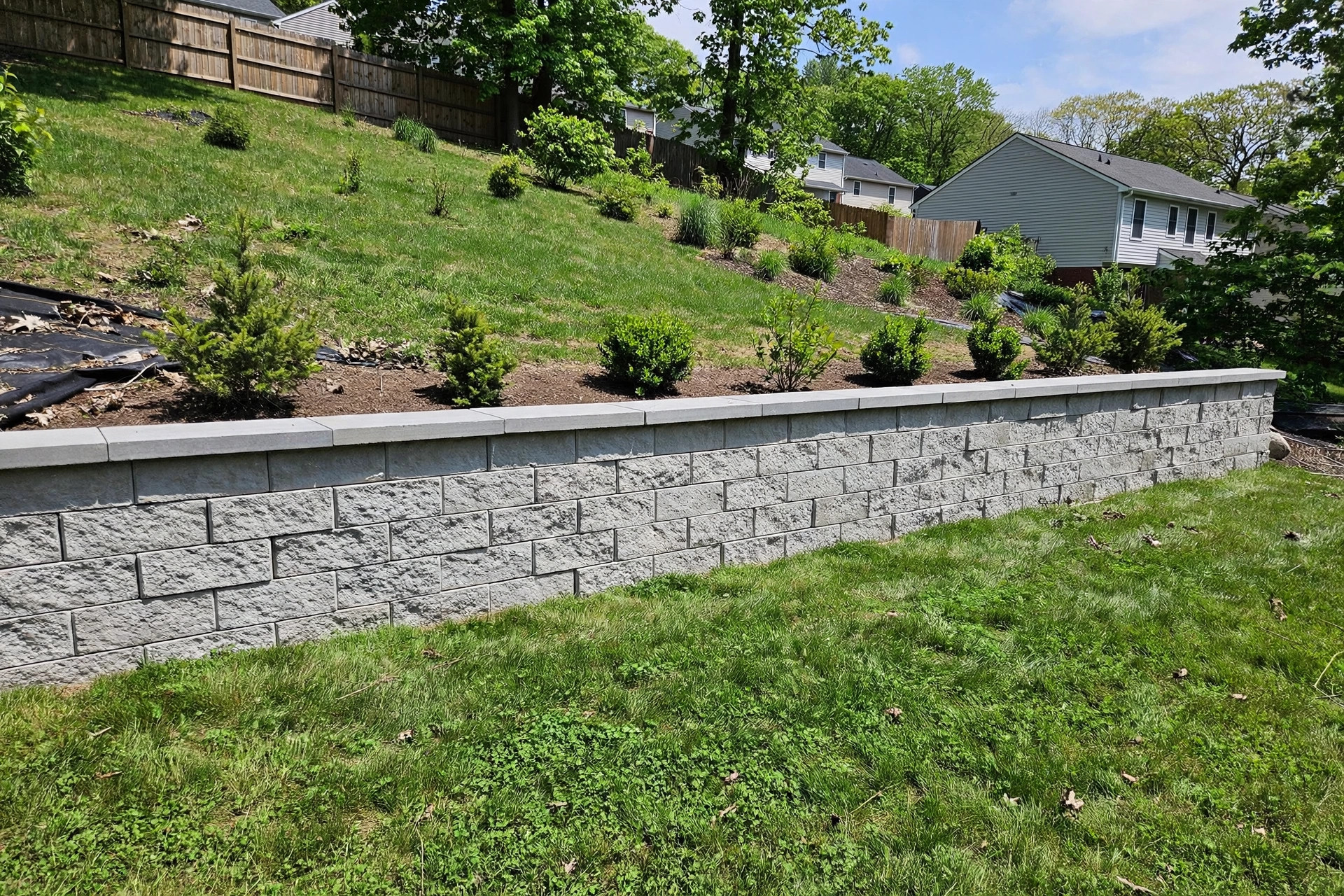

A search for top rated retaining wall builders near me is often the first step in a serious yard project. A retaining wall is more than a pile of stones. It holds soil in place, guards the home against water damage, and gives a yard new shape and use. When the work is done well, the wall stands for decades. When it is done badly, it can lean, crack, and fail within a few years. This guide explains why a good builder matters, what to look for, which wall types fit which yards, and what such work costs in the United States today.
Why a Good Builder Matters
A retaining wall fights the steady push of soil and water. Every day, rain adds weight behind the wall. Freeze and thaw cycles shift the ground. Tree roots search for gaps. A skilled builder plans for all of this before the first block is set.
The footing is the heart of the wall. It must sit below the frost line in cold states. It must rest on compacted gravel, not loose dirt. The builder sets the first course level, because every course above follows it. Small errors at the base become large errors at the top.
Drainage is the second key. Water trapped behind a wall builds pressure. That pressure is the most common cause of wall failure. A trained crew installs a drain tile at the base, backfills with gravel, and leaves weep holes where needed. These steps are hidden after the job, but they decide how long the wall will last.
Codes and permits form the third part. Many towns require a permit for walls over three or four feet. Some ask for an engineer seal on tall walls. A top rated builder knows the local rules and handles the paperwork. This keeps the homeowner out of trouble and keeps the sale of the home clean in the future.
How to Choose the Right Builder: Top Rated Retaining Wall Builders near Me
Start with reviews from real customers. Look at ratings on trusted review sites. Read both praise and complaints. A few bad reviews are normal, but a pattern of the same complaint is a warning sign.
Ask for local references. A builder who has worked in your town knows the soil and the climate. Clay soil in Texas acts different from sandy soil in Florida. A builder with local roots will choose the right footing depth and drain design for your ground.
Ask for photos of past work. A confident builder keeps a portfolio. Look at walls built three or five years ago, not just fresh jobs. Fresh walls always look good. Old walls show how the work holds up.
Check the license and insurance. The builder should carry general liability coverage and workers compensation. Ask to see proof. If a worker is hurt on your land and the firm has no coverage, the cost can fall on you.
Get three written bids. Each bid should list materials, wall length and height, footing depth, drain plan, and a time line. A bid that is far below the others may hide weak materials or missing steps. A clear, detailed bid is a sign of a careful firm.
Ask about the warranty. Good firms stand behind their walls for several years. Ask what the warranty covers and what it does not. Get it in writing before the work starts.
Types of Retaining Walls and Options
Concrete Block Walls
Segmental concrete block is the most common choice for home yards. The blocks lock together without mortar. They come in many colors and textures. A block wall can run four feet high without extra engineering in most places. The cost is moderate, and the look suits most homes. Guides on retaining wall basics from This Old House show how these systems fit together.
Natural Stone Walls
Natural stone gives a classic, high end look. Each wall is one of a kind. Skilled stone masons are harder to find, and their rates run higher. Stone walls can last a century when built right. They suit older homes and formal gardens. The Spruce covers garden design ideas that pair stone walls with plantings.
Timber Walls
Pressure treated timber walls cost the least up front. They are a good fit for low walls under three feet. The trade off is life span. Wood rots in wet ground, even treated wood. Most timber walls last ten to twenty years. A homeowner who plans to move soon may still find timber a smart buy.
Poured Concrete Walls
Poured concrete walls are the strongest option. Steel bars inside the concrete resist the push of soil. These walls work well for tall runs and heavy loads, such as a driveway above the wall. They cost more, and they need form work and curing time. A veneer of stone or brick can dress up the face.
Gabion Walls
Gabion walls are wire baskets filled with rock. They drain well on their own, which suits wet sites. The look is rustic and modern at once. They work for garden beds and mid height walls. The wire must be heavy gauge to resist rust.
Brick Walls
Brick walls match brick homes well. They need a sound footing and weep holes for drainage. Brick suits low garden walls and seat walls along patios. The work is slow and skilled, so the labor price runs high.
Cost and Price
Price depends on wall height, length, material, site access, and soil. As a broad guide for 2026, most home retaining walls in the United States cost between 15 and 50 dollars per square foot of wall face. A 50 foot long, 3 foot high block wall would run about 150 square feet, or roughly 2,250 to 7,500 dollars.
Small timber walls sit at the low end. They may cost 10 to 20 dollars per square foot. Natural stone sits at the high end, often 40 to 70 dollars per square foot or more. Poured concrete falls in the middle to upper range.
Site conditions move the price. A steep slope that needs grading adds labor. Poor access that blocks trucks adds cost. Removal of an old failed wall adds a day or more of work. Drainage upgrades, such as a French drain behind the wall, add material and labor.
Permits and engineering add to the bill. A building permit may cost a few hundred dollars. An engineer seal for a tall wall may cost several hundred more. These are not places to cut corners. Skipping them can force a tear down later.
Most builders ask for a deposit of 10 to 30 percent. Never pay the full price up front. Tie the last payment to a final walk through. Make sure the wall is level, the joints are tight, and the site is clean before you sign off.
Care and Upkeep
A well built wall needs little care, but it is not care free. Walk the wall once a year. Look for lean, bulge, or step cracks. Small shifts are normal in the first year as soil settles. Growing shifts are not.
Keep the top of the wall clear. Do not pile heavy loads right behind it. Do not park cars above a wall that was not built for that load. Roots from large trees can push through joints, so keep big trees a fair distance back.
Clean the weep holes if they clog. Leaves and mud can block them. A blocked weep hole traps water and builds pressure. A stiff brush or a short rod clears most clogs in minutes.
Check the drain outlet after heavy rain. Water should flow out freely. If the outlet sits dry during a storm, the drain tile may be crushed or clogged. Call the builder early, before damage grows.
Reseal cap stones as needed. The caps take the weather head on. A seal coat every few years keeps them sound. For cleaning and care tips, Family Handyman offers home maintenance guides that cover stone and block surfaces.
Safety
Retaining walls over four feet deserve care in planning. Tall walls hold back tons of soil. A failure can bury a path or crush a fence. Most codes require a guard or rail on walls with a drop on the far side. Ask the builder about this if children use the yard.
Do not build a tall wall yourself unless you have real skill. Gravity wall design has real math behind it. An under built tall wall can fail with no warning. For high walls, hire a builder who works with a licensed engineer.
Mind buried lines. Gas, water, and power lines run through yards. A builder should call the national dig line before digging. In most states the call is free, and it is the law. The mark out takes a few days, so plan the job with time to spare.
Keep the work zone safe during the build. Heavy blocks, steel bars, and moving trucks make a work site risky. Keep children and pets away until the crew leaves for the day.
Choosing Materials With Confidence
Match the wall to the home. A brick colonial looks right with brick or stone. A ranch home suits block or timber. A modern home pairs well with poured concrete or gabion. The wall should look like part of the house, not an after thought.
Think about drainage first and looks second. A lovely wall that holds water will fail. A plain wall that drains well will stand. A good builder will say this too. If a bidder skips the drain talk, look for another bidder.
Check local supply. Some stone types cost far more in regions where they must be trucked in. Local stone cuts the freight cost and suits the local style. Big box stores such as Home Depot and Lowe’s stock block systems, while stone yards carry local rock.
Ask about frost depth. In northern states the footing must go below the frost line, often 36 to 48 inches. In the south the footing can sit shallower. A top rated builder sizes the footing for your zone without being asked.
Consider the wall face area, not just the height. A long low wall can cost more than a short tall one. The square footage of the wall face drives the material count. Measure the run before you call for bids so each bidder prices the same job.
Working With Your Builder
Write a clear scope of work. It should state the wall length, height, material, footing depth, drain plan, backfill type, and clean up duties. It should state the start date and the end date. Both sides should sign it.
Stay in touch during the build. A quick daily check keeps small issues small. Ask questions when the work looks off. A good crew will explain what they are doing.
Do not change the plan mid job without a written change order. Extra work costs extra money. A change order keeps the price fair for both sides.
Hold back the final payment until the walk through. Walk the full wall. Look at the caps, the joints, and the grade behind it. Make sure downspouts direct water away from the wall. For ideas on the yard around the wall, Bob Vila has landscaping advice for finishing the project.
If the wall ties into other projects, plan the order. A paver walkway installation or a concrete driveway resurfacing near the wall should be timed so heavy trucks do not cross fresh work. Cracks in nearby slabs may also call for a look at foundation crack repair before wall work starts.
FAQ
How much does a retaining wall cost per foot? Most home walls cost 15 to 50 dollars per square foot of wall face. Timber runs less, stone runs more. Site access, permits, and drainage work move the number up or down.
How long does a retaining wall last? A well built block or concrete wall lasts 30 to 50 years or more. Natural stone can last a century. Timber walls last 10 to 20 years in wet ground.
Do I need a permit for a retaining wall? Many towns require a permit for walls over three or four feet. Some ask for an engineer seal on tall walls. Check with your local building office before you start.
Can I build a small retaining wall myself? Low garden walls under two feet are fair do it yourself projects for a handy homeowner. Anything taller, or any wall that holds back a slope above a path or structure, is best left to a pro.
What is the best material for a retaining wall? There is no single best choice. Block suits most budgets. Stone suits high end looks. Timber suits low cost low walls. Poured concrete suits tall heavy loads. Match the material to the height, the soil, and the home.
How do I find top rated retaining wall builders near me? Ask neighbors for names. Read reviews on trusted sites. Get three written bids. Check license and insurance. Pick the builder with a clear plan, local roots, and a written warranty, not just the lowest price.
A Final Word
A retaining wall is a long term part of the home. The builder you choose decides whether it is a quiet success or a costly regret. Take time with the search for top rated retaining wall builders near me. Read reviews, check references, and compare detailed bids. A careful builder, sound drainage, and the right material will give you a wall that holds strong for decades. Product and material guides from James Hardie and CertainTeed can help you weigh exterior material choices that sit beside the wall.
References
Bob Vila. (n.d.). Home improvement advice. https://www.bobvila.com CertainTeed. (n.d.). Building materials and exterior products. https://www.certainteed.com Family Handyman. (n.d.). DIY home repair and maintenance. https://www.familyhandyman.com James Hardie. (n.d.). Fiber cement siding and exterior products. https://www.jameshardie.com Lowe’s. (n.d.). Home improvement products. https://www.lowes.com The Home Depot. (n.d.). Home improvement products. https://www.homedepot.com The Spruce. (n.d.). Home and garden advice. https://www.thespruce.com This Old House. (n.d.). Home renovation guidance. https://www.thisoldhouse.com
Was this guide helpful?

About Robert Taylor
The My Garden US editorial team writes practical, in-depth home and garden guides for American homeowners — tested advice, no fluff.
You May Also Like
Best Paver Walkway Installation for Homeowners
July 10, 2026 0 views
Reliable Roof Replacement Contractors in California: A Homeowner’s Guide
September 25, 2026 0 views
Energy Efficient Sliding Patio Doors Buying Guide
April 30, 2026 0 views