
Introduction
This schlage vs kwikset smart lock comparison usa buyers keep asking for starts with a simple fact. Both brands make strong, well-known locks. Both sell smart locks across the United States. And both will keep your front door shut. But they do not work the same way. They cost different amounts. And they fit different homes better.
Schlage has been making locks for more than a century. Its smart locks, like the Schlage Encode Plus, tend to aim at buyers who want high-grade build and Apple Home Key support. Kwikset, its main rival, sells smart locks like the Halo and the Premis. Kwikset leans toward ease of use and lower prices. Its SmartKey system lets owners rekey their own locks in seconds.
If you are choosing between the two for a real front door in the United States, this article walks through the choice step by step. We look at build quality, keypad design, phone app control, battery life, installation, price, and safety. By the end, you will know which brand suits your home.
Why the Brand Choice Matters: Schlage vs Kwikset Smart Lock Comparison Usa
A lock is not like a lamp or a rug. It guards your home. The brand behind it decides how it is built, how long it lasts, and how it behaves when the power fails or the batteries die. Both Schlage and Kwikset meet national standards for door locks in the United States. But the details matter.
Schlage smart locks often carry a higher security rating on the deadbolt itself. They tend to use heavier metal parts. Kwikset locks are easier to install for a beginner. They also tend to cost less. The wrong choice is not a disaster. A good lock from either brand is far better than a cheap unknown lock. But the right choice saves money and worry over the years.
Think of it this way. A family that rents out a room needs different features than a retired couple in a quiet street. A landlord needs code access for many people. A busy parent needs a lock that opens fast for a child. Knowing what each brand does best helps you match the lock to your life.
What to Look for When You Compare
Before you pick a side, know what a smart lock should do. Use this checklist.
Locking Method
Most smart locks offer three ways in. A code typed on a keypad. A phone app. A physical key as backup. Some add fingerprint reading. Schlage offers Apple Home Key on certain models. This lets an iPhone or Apple Watch open the door with a tap. Kwikset models often work with Amazon Alexa and Google Assistant for voice control. Decide which method you will use most, then check which brand supports it best.
Build and Security Grade
Door locks in the United States are rated Grade 1, Grade 2, or Grade 3 by the builders hardware institute. Grade 1 is the strongest. Schlage smart deadbolts often reach Grade 1 on their top models. Kwikset smart locks usually land at Grade 2. For most homes, Grade 2 is enough. For a main entry door that faces the street, Grade 1 gives extra peace of mind.
Keypad Design
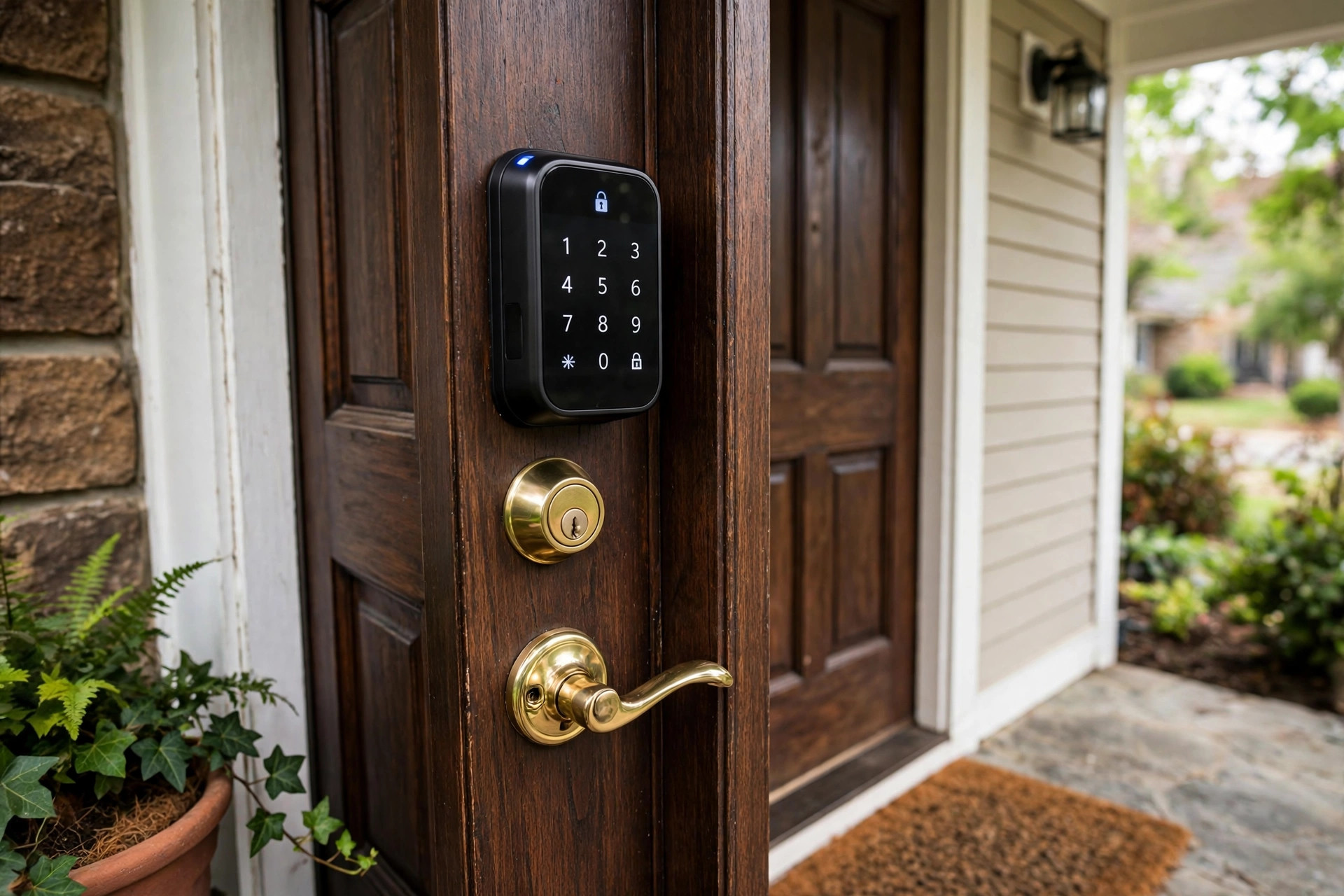
A keypad should be easy to read in the dark. Backlit numbers matter. Schlage uses a touch screen on models like the Encode. Kwikset uses physical buttons on the Halo line. Touch screens look clean and leave no worn buttons. Physical buttons work well with gloves. There is no perfect answer. Pick the style your household will use every day.
Phone App and Smart Home Links
Both brands offer free phone apps. The Schlage Home app and the Kwikset app both let you lock and unlock from anywhere. They both send alerts when someone opens the door. The difference lies in the platforms. Schlage leans into Apple HomeKit and Home Key. Kwikset leans into broad voice support with Alexa and Google. If your home already runs on one system, match the lock to it. This matters more than most buyers expect, because a lock that fights your system gets used less.
For a wider view of home protection, read our guide on how to secure smart home devices to keep the rest of your network safe too.
Battery Life
Smart locks run on standard AA batteries. Both brands promise about a year of life under normal use. Heavy use of remote unlocking drains batteries faster. Both brands warn you when power runs low, usually with a flashing light and a phone alert. Keep fresh batteries on hand. A smart lock that dies leaves you reaching for the physical key.
The Two Brands Side by Side
Schlage: The Heavy-Duty Choice
Schlage built its name on solid hardware. Its smart locks follow the same path. The Schlage Encode Plus is the flagship. It supports Apple Home Key, which means an iPhone opens the door with a single tap. It also works with Wi-Fi built in, so you need no extra hub for remote control.
The touch screen looks modern. It resists smudges and fingerprints. The deadbolt feels heavy and turns with a firm click. Installation takes about thirty minutes with a screwdriver. No wiring is needed. The lock fits standard door holes, which most American doors already have.
Schlage also sells the Schlage Encode, the older model without Home Key support. It costs less and still gives Wi-Fi and keypad entry. Both models store many user codes. That helps families, house cleaners, and dog walkers.
The trade-off is price. Schlage smart locks cost more than Kwikset. The app is solid but not fancy. And Home Key only helps if you own Apple devices.
Kwikset: The Easy and Affordable Choice
Kwikset made its name on locks anyone can install. Its smart locks keep that spirit. The Kwikset Halo Touch lets you open the door with a fingerprint. The Halo keypad model uses simple buttons. The Premis works with Apple HomeKit for Siri control.
The standout feature is SmartKey. With a small tool and the current key, you can rekey the lock yourself in under a minute. No locksmith needed. This is a real win for new homeowners who want old keys to stop working. It is also handy for landlords between tenants.
Kwikset locks cost less than Schlage at the same feature level. The apps are simple. The buttons are easy for children and older adults. Battery changes are quick.
The trade-off is build weight. Kwikset deadbolts usually carry a Grade 2 rating. They feel lighter than Schlage. The button keypads can wear over years of hard use. And voice control depends on the platform you pair it with.
Types and Options Worth Knowing
Both brands sell more than one kind of smart lock. Here are the main types you will meet in stores.
Keypad deadbolts. These replace your deadbolt. You type a code to enter. Both brands make them. This is the most common type for front doors.
Fingerprint locks. Kwikset leads here with the Halo Touch. Place a finger on the reader and the door opens. Schlage offers fingerprint on some newer models too.
Lever and handle sets. These combine a handle with a smart lock. They suit side doors and garage entries where a full deadbolt is not wanted.
Connected conversion kits. These keep your outside lock and add a motor inside. Neither brand pushes these as hard as third-party makers do. They suit renters who cannot change the outside hardware.
When you shop, check the box for the features that matter to you. A fingerprint reader means little if you want Apple Home Key. A Grade 1 deadbolt means little if you need thirty guest codes.
If you are building a wider smart setup, our roundup of the best smart ceiling fan with Alexa shows how voice control can reach every room.
Cost and Price in the United States
Price is where Kwikset wins most often. A Kwikset Halo keypad lock often sells for well under two hundred dollars. The Halo Touch with fingerprint costs more but still sits below the Schlage flagship. The Schlage Encode Plus often sells above three hundred dollars at major retailers.
Look past the sticker price. Check what you get. Built-in Wi-Fi matters because it avoids a separate hub purchase. Some older models need a hub that costs fifty dollars or more. Both brands include the hub-free Wi-Fi on current flagship models.
Installation is usually free if you do it yourself. Both locks install with a screwdriver in under an hour. A locksmith will charge for a visit if you hire one. Most buyers never need one.
Think about the door too. If your door has an odd backset or a thick slab, you may need an adapter kit. Check the door measurements before you order. Returns are easy at most large stores, but measuring first saves a trip.
For shoppers watching every dollar, long range driveway alarm reviews can help you compare another layer of home security on a budget.
Care and Upkeep
A smart lock needs little care. Wipe the keypad with a soft dry cloth. Do not use harsh cleaners on a touch screen. They can damage the coating. Check the strike plate screws once a year. Doors shift with seasons, and a loose strike plate makes any lock feel weak.
Change the batteries once a year even if the app says they are fine. Use good alkaline batteries. Avoid mixing old and new batteries in the same lock. Keep the physical backup key somewhere safe but not hidden on the property. A lockbox in the garage works well.
Update the lock firmware when the app prompts you. Updates fix bugs and close security gaps. Both brands push updates through their apps. The process takes a few minutes and the lock stays usable.
If the keypad stops responding, remove the batteries for ten seconds and reinstall them. This resets most glitches. If a code stops working, delete it in the app and add it again. These two steps solve most problems owners report.
Safety
Smart locks add safety features that old locks lack. Auto-lock is the best one. It locks the door behind you after a set time. No more wondering if you locked up. Both brands offer it. Turn it on.
Use a unique code for each person. Do not share one code with the whole household. When a cleaner or guest leaves, delete their code. This takes seconds in the app and keeps a clear record of who entered.
Watch for tamper alerts. Both brands can send a phone alert if someone enters wrong codes many times. This feature works only if the lock has Wi-Fi or a hub link. Keep that link active.
No lock stops every break-in. A smart lock is one layer. Good lighting, solid doors, and strong frames matter just as much. The United States Consumer Product Safety Commission publishes general home safety guidance that every homeowner should read, and security firms like ADT explain how locks fit into a full protection plan.
Keep the physical key as backup. Electronics can fail. Storms knock out Wi-Fi. A key in your wallet costs nothing and never needs charging.
FAQ
Which is better, Schlage or Kwikset?
Neither is better for everyone. Schlage wins on build strength and Apple Home Key support. Kwikset wins on price, easy install, and the SmartKey rekey system. Match the brand to your needs, not to a ranking.
Do I need Wi-Fi for a smart lock?
Not always. The keypad and fingerprint work without Wi-Fi. Wi-Fi adds remote locking, phone alerts, and voice control. Both brands build Wi-Fi into current flagship models. Tech reviewers at PCMag and CNET test these remote features in depth.
Can a smart lock be hacked?
Any connected device carries some risk. Strong brands reduce it with encrypted signals and firmware updates. Use a strong app password. Turn on two-step sign-in if the app offers it. Keep the lock updated. These steps cut the risk to a very low level.
Will a smart lock fit my door?
Most American doors use a standard hole size that both brands fit. Measure the backset, the distance from the door edge to the hole center. Standard sizes are two and three-eighths inches or two and three-quarters inches. Check door thickness too. Retailers like Ring and home improvement guides show how to measure in minutes, and news outlets such as The Verge cover new lock releases with fit details.
How long do the batteries last?
About a year with normal use. Heavy remote use shortens that. Both brands warn you before the power dies. Change batteries yearly to stay safe.
Can I still use a regular key?
Yes. Both brands include a physical key. It opens the deadbolt like a normal lock. Keep it as backup for dead batteries or network outages. For questions about product safety standards, the CPSC is the federal source.
A Short Final Word
This schlage vs kwikset smart lock comparison usa guide ends where it began. Both brands make locks worth buying. Schlage gives you heavier hardware and the best Apple support. Kwikset gives you lower prices, simple setup, and the handy SmartKey system.
Pick Schlage if your front door faces the street and you want the strongest deadbolt with Home Key. Pick Kwikset if you want a good lock at a fair price that the whole family can use from day one. Either way, turn on auto-lock, give each person a code, and change the batteries once a year. Independent testing from Consumer Reports and setup advice from SimpliSafe can help you confirm your choice, and Google Store lists compatible smart home gear if you build around Google Assistant.
References
ADT. (n.d.). Home security and automation. https://www.adt.com CNET. (n.d.). Technology news and reviews. https://www.cnet.com Consumer Reports. (n.d.). Product reviews and ratings. https://www.consumerreports.org Google Store. (n.d.). Smart home devices. https://store.google.com PCMag. (n.d.). Technology product reviews. https://www.pcmag.com Ring. (n.d.). Smart home security devices. https://www.ring.com SimpliSafe. (n.d.). Home security systems. https://www.simplisafe.com The Verge. (n.d.). Technology news and reviews. https://www.theverge.com U.S. Consumer Product Safety Commission. (n.d.). Product safety information. https://www.cpsc.gov
Was this guide helpful?

About Michael Thompson
The My Garden US editorial team writes practical, in-depth home and garden guides for American homeowners — tested advice, no fluff.
You May Also Like
Best Home Battery Backup System Reviews USA: A Complete Buyers Guide
June 16, 2026 0 views
Lorex vs Swann Security System Comparison USA: Which Brand Protects Your Home Best
April 1, 2026 0 views
Home Assistant vs SmartThings Comparison USA: Which Smart Home Platform Wins
April 30, 2026 0 views