
A shower should be simple. You turn the handle, the water warms, and you step in. But in many homes in the USA, the water does not stay steady. A toilet flushes. A dishwasher starts. The shower turns cold, then hot, in a single moment. This is why many people study the thermostatic shower valve pros cons usa buyers discuss before a bathroom remodel. A thermostatic shower valve holds the water at one set temperature. It reacts fast when pressure changes. It makes the shower safer and more pleasant. This guide explains how it works, what it costs, and where it falls short, in plain words.
Why Steady Water Temperature Matters
Shower temperature swings are not just a nuisance. They can be a danger. Hot water from a home water heater often sits at 120 to 140 degrees. Skin can burn in seconds at the top of that range. Children and older people face the greatest risk. They move slower. Their skin is thinner. A sudden burst of hot water can hurt them before they step away.
Temperature swings also waste water and time. Many people wait at the tub edge, hand under the stream, while the mix settles. They adjust the handle again and again. Over a year, those wasted minutes add up to real gallons down the drain. A valve that holds the temperature saves water and keeps the morning routine calm.
Most older American showers use a pressure-balancing valve. That design guards against scalds in a simple way. When the cold pressure drops, it cuts the hot flow to match. The water stays safe, but it turns cold when someone uses water elsewhere. Many homeowners accept this as normal. They have never felt a shower that stays warm through a flush. Once they do, they rarely want to go back.
How a Thermostatic Shower Valve Works: Thermostatic Shower Valve Pros Cons Usa
Inside a thermostatic valve sits a small element made of wax or a metal spring. This element grows and shrinks as the water temperature changes. When hot water rises too high, the element expands and closes the hot inlet a little. When the mix cools, it opens the hot side again. All of this happens in less than a second.
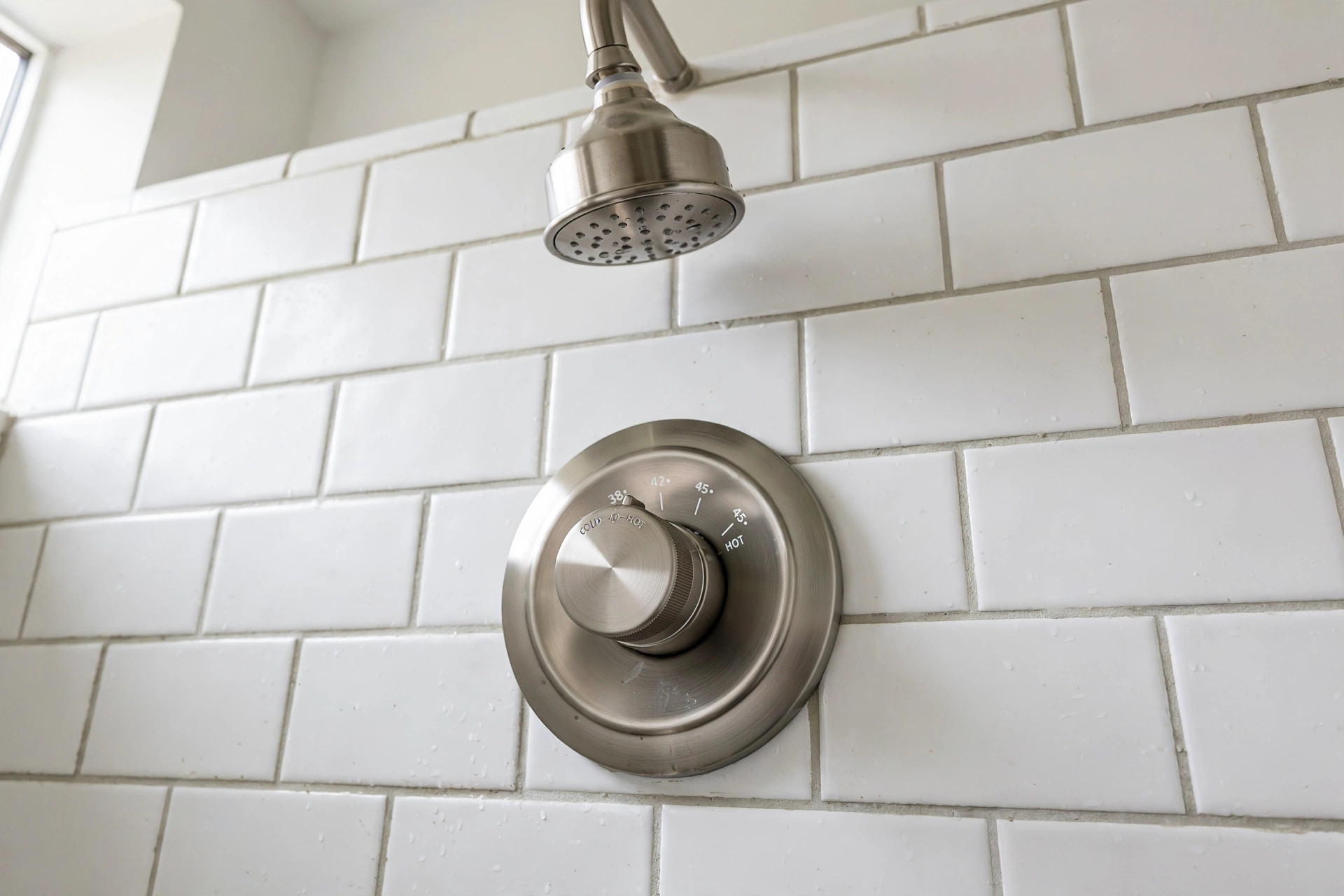
You set the temperature once, with a dial marked in degrees. After that, you only turn the flow on and off. The valve does the mixing for you. It keeps the blend exact even when the pressure on one side drops. This is the core of the thermostatic shower valve vs pressure balance valve debate. The pressure valve protects you. The thermostatic valve protects you and keeps you comfortable.
Many models also carry a built-in safety stop. It blocks the dial from passing about 100 to 104 degrees unless you press a button. This gives parents and caregivers real control. The U.S. Environmental Protection Agency notes that safe hot water habits protect children and cut energy waste, and a set-and-forget valve supports both goals (https://www.epa.gov).
The Pros of a Thermostatic Shower Valve
Exact temperature control. The main benefit is clear. You pick 100 degrees, and the shower stays at 100 degrees. No drift. No surprises. This matters most in homes with thin pipes, old plumbing, or several bathrooms in use at once.
Strong scald protection. The valve reacts to temperature, not just pressure. If the cold water fails, it shuts down or cuts back the flow at once. That is a higher level of safety than many basic valves offer. Families with small children or aging parents value this most.
Comfort during busy mornings. When two showers run at the same time, or a washing machine fills, the shower does not punish you. The temperature holds. Couples and large families notice this change on the first day.
Less water wasted. You do not stand and test the stream. You turn it on, wait a few seconds for hot water to arrive, and step in. Over time, this trims water and energy bills a little. It is a small gain, but it is real.
Two handles, separate jobs. Many thermostatic trims use one handle for temperature and one for flow. This layout is easy to learn. Guests and children can use it without a lesson.
Works well with modern fixtures. A steady mix pairs well with rain shower heads and body sprays. If you plan to add a rain shower head for low water pressure, stable temperature makes the wide, gentle spray feel even better. Major shower makers such as Kohler and Delta build thermostatic trims to match their full fixture lines (https://www.kohler.com, Www.deltafaucet.com).
The Cons of a Thermostatic Shower Valve
Higher purchase price. A thermostatic valve body and trim often cost two to four times more than a basic pressure-balance set. The price gap grows with brand name and finish. For a budget remodel, this can be the deciding factor.
Higher installation cost. Most thermostatic valves need a larger opening in the wall and exact depth for the body. The hot and cold lines must feed the valve evenly. Plumbers charge more for this work. Retrofits in tiled walls add labor hours fast.
Not ideal for very low flow. In homes with weak water pressure, some thermostatic valves respond slower. The element needs enough flow to sense change. If your pressure is marginal, fix that first before you buy.
Cartridge wear and service. The wax element and moving parts wear with time. Hard water speeds the process. In areas with heavy minerals, the cartridge may need service or replacement years sooner than a simpler valve. Filter makers such as Aquasana note that hard water shortens the life of many plumbing parts, and shower valves are no exception (https://www.aquasana.com).
Slower hot water arrival. A thermostatic valve does not make hot water arrive faster. You still wait for the line to warm. Some buyers expect more than the valve can give and feel let down.
Fewer repair parts at local stores. Big-box shelves stock more parts for common pressure valves. A thermostatic cartridge may need an order from the maker or a plumbing supply house. That can mean days without a full shower. Retailers such as Home Depot and Lowe’s carry popular lines, but special finishes often ship from a warehouse (https://www.homedepot.com, Lowe’s).
What to Look For When You Choose One
Start with your plumbing. Know your water pressure and the state of your hot and cold lines. A plumber can test both in a few minutes. If your home has copper lines in good shape and steady pressure, a thermostatic valve will shine. If the pipes are old or the pressure swings on its own, solve that first.
Look for a clear temperature scale on the dial. Numbers are better than vague dots. A safety stop at 100 degrees or a little above is standard on good models. Check that the trim you like fits the valve body you buy. Bodies and trims from different makers almost never mix.
Think about flow rate. Shower heads sold in the USA are limited by law to 2.5 gallons per minute, and many are lower. Match the valve to the fixtures you plan to use. A valve built for high flow can feel sluggish with a water-saving head.
Check the warranty and the cartridge design. A cartridge that swaps out in minutes will save you money later.
Types and Options
Concealed thermostatic valves hide the body inside the wall. You see only a trim plate and one or two handles. This is the most common style in American remodels. It looks clean and fits any tile.
Exposed thermostatic valves mount on the wall surface, often as a bar with two knobs. They suit renters and quick upgrades because they need no work inside the wall.
Thermostatic with volume control adds separate on-off knobs for each outlet. You can run the main head, the hand shower, or both. These cost more but suit large walk-in showers.
Pair your choice with the right head. Reviews of high pressure shower head models can help you match flow to your plumbing before you commit to a valve.
Cost and Price
The valve body and trim together often run from about $150 to over $600 in the USA. Basic models from store brands sit at the low end. Designer lines from names like Kohler or Delta sit at the high end. Special finishes add to the price.
Installation is the bigger bill. A plumber may charge $300 to $800 for a new installation in open walls. A retrofit behind finished tile can run higher, because the wall must be opened and closed again. If new supply lines or pressure work is needed, the total can pass $1,500.
It helps to get two or three quotes. Ask what is included: valve, trim, tile work, and permit. A licensed plumber will know the local rules.
A basic pressure-balance valve can cost half as much to buy and to install. The thermostatic valve is a comfort and safety upgrade, not a repair. If your current valve works fine, the money buys luxury.
For a broader view of what valve work runs in your area, see our notes on shower valve replacement cost. Home guides such as This Old House and Family Handyman also walk through typical bathroom plumbing budgets in plain terms (https://www.thisoldhouse.com, Family Handyman).
Care and Upkeep
A thermostatic valve asks for little, but it rewards steady care. Wipe the trim with a soft cloth and mild soap. Harsh cleaners can dull the finish. Never use steel wool or strong acids on the plate or handles.
Once a year, run the dial from full cold to full hot a few times. This keeps the wax element and seals moving.
If the temperature starts to drift, the cartridge may need cleaning or replacement. Moen, for example, has long been known for serviceable cartridge designs that plumbers can change with basic tools (https://www.moen.com). Mineral scale is the usual cause. In hard-water towns, a whole-home softener or a shower filter can stretch the years between services. Most cartridges pull out after you shut the water and remove the trim. Keep the model number of your valve in a safe place. It makes ordering parts easy.
Watch for leaks at the trim plate. A small drip behind the plate can rot wood and feed mold. Fix a leak at once.
Safety Notes
Set your water heater to 120 degrees. This is the level most safety experts advise for homes. It is hot enough for dishes and baths. It is cool enough to cut scald risk. A thermostatic valve adds a second layer of protection, but it does not replace a sane heater setting.
Teach children to turn the shower on and wait. Show them the safety stop button. Tell them never to force the dial past the stop. These are small lessons that prevent real harm.
Have the valve checked if the temperature feels wrong. Do not assume the dial is true forever. Wear and scale can shift the calibration. A plumber can test the outlet with a thermometer and reset the limit if needed.
If your home has very old pipes, ask a plumber about lead or sediment. Clean supply lines matter for health. Test kits and local water reports tell you where you stand.
Frequently Asked Questions
How long does a thermostatic shower valve last? Most last 15 to 25 years with normal care. The wax element and seals wear first. Hard water shortens the span. Softened or filtered water lengthens it. When the temperature drifts or the dial stiffens, the cartridge is due for service.
Is a thermostatic valve worth it for a small bathroom? It can be, if comfort and safety matter to you. The price is the same in a small bath as in a large one. The gain in steady temperature is just as real. For a rental or a quick flip, the simpler valve is often the wiser spend.
Can I install a thermostatic valve myself? A skilled DIYer can do it in new construction or with open walls. You must sweat or press pipe joints, set the valve at the right depth, and keep hot and cold feeds correct. Mistakes leak inside walls. If you have any doubt, hire a licensed plumber. The cost of a flood beats the cost of the labor.
Does it work with a tankless water heater? Yes, in most cases. Tankless heaters hold their own outlet temperature well. The thermostatic valve then fine-tunes the mix at the shower. Be sure the heater is sized for your peak use. An undersized heater will still leave you cold.
Thermostatic or pressure-balance: which should I pick? Pick pressure-balance for low cost and simple repair. Pick thermostatic for exact temperature, strong scald protection, and comfort when other fixtures run. Large families and homes with busy mornings gain the most from the thermostatic choice.
A Final Word
A thermostatic shower valve is one of the quiet upgrades in a bathroom. It does not show off. It simply keeps the water where you set it, day after day. The pros are comfort, safety, and calm mornings. The cons are price, install cost, and upkeep. Weigh them with your budget and your household in mind. If you choose one, buy a known brand and hire a good plumber. The shower will take care of the rest.
References
Aquasana. (n.d.). Water filtration systems. https://www.aquasana.com Delta Faucet. (n.d.). Kitchen and bathroom faucets. https://www.deltafaucet.com Family Handyman. (n.d.). DIY home repair and maintenance. https://www.familyhandyman.com Lowe’s. (n.d.). Home improvement products. https://www.lowes.com Moen. (n.d.). Faucets and plumbing fixtures. https://www.moen.com The Home Depot. (n.d.). Home improvement products. https://www.homedepot.com This Old House. (n.d.). Home renovation guidance. https://www.thisoldhouse.com U.S. Environmental Protection Agency. (n.d.). Protecting human health and the environment. https://www.epa.gov Www. (n.d.). Home and garden information. https://www
Was this guide helpful?

About Emily Rodriguez
The My Garden US editorial team writes practical, in-depth home and garden guides for American homeowners — tested advice, no fluff.
You May Also Like
Best Carbon Filter for Chlorine Removal USA: A Complete Home Guide
September 30, 2026 0 views
Pot Filler Faucet Pros and Cons: A Review for American Homeowners
September 9, 2026 0 views
The Best Soaking Tub for a Small Bathroom: A USA Buyer Guide
October 5, 2026 1 views