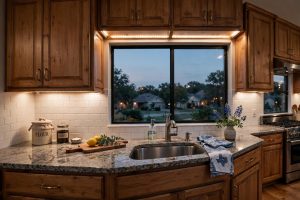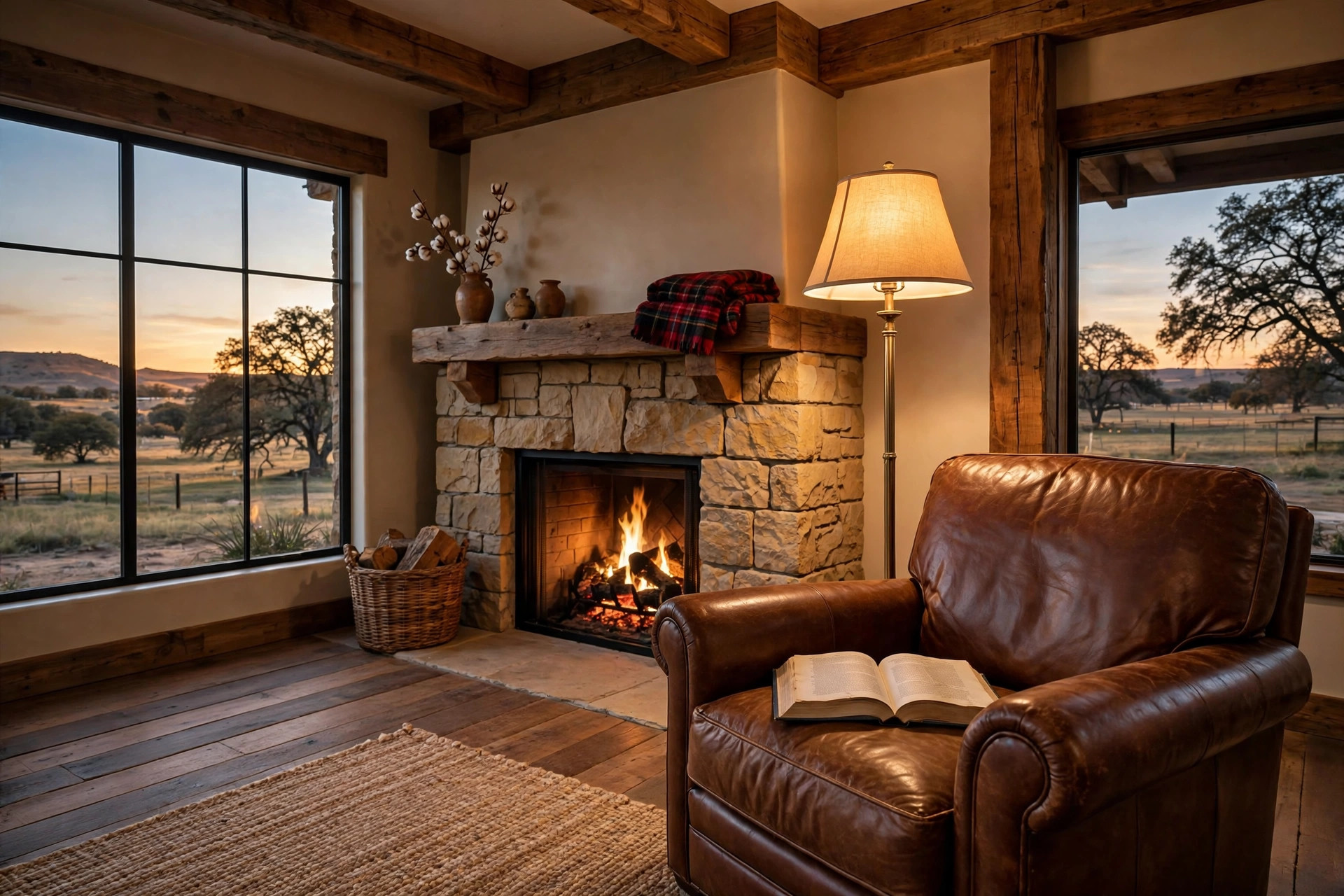

Reading floor lamps Texas homes USA owners choose today can make a quiet corner feel like a library. Many Texans read in the evening after long, bright days. A good lamp gives steady light on the page. It cuts eye strain. It lets the rest of the room stay calm and dark. This guide explains how to pick the right lamp for a Texas home. It covers types, prices, care, and safety. It also answers common questions.
Why Good Reading Light Matters
Poor light tires the eyes. When light is weak, the eyes work harder to read print. When light is harsh, it causes glare on the page or the screen. A reading floor lamp solves both problems. It stands beside the chair. It sends light down at the book or tablet. The rest of the room keeps its mood.
In Texas, homes often have tall ceilings and big windows. Daytime brings strong sun. Night brings real darkness. A floor lamp bridges the two. It gives a steady pool of light where it is needed. Older readers gain most of all. Aging eyes need two to three times more light than young eyes. A lamp with the right brightness helps a reader of any age sit longer and read more.
Good light also protects posture. When light is poor, readers bend close to the page. That strains the neck and back. When the lamp head sits just above shoulder level, the reader can sit back in the chair. The light falls on the book. The body stays relaxed. That is the mark of a lamp chosen well.
What to Look for in a Reading Floor Lamp: Reading Floor Lamps Texas Homes Usa
Brightness
For reading, look for about 450 to 800 lumens aimed at the page. Lumens measure light output. A 450-lumen lamp suits a bedtime reader who likes soft light. A 700 to 800-lumen lamp suits small print, pattern work, or tired eyes. Many lamps now use LED bulbs. An LED bulb gives the same light as an old 60-watt bulb while using only about 8 to 12 watts. Guides to efficient bulbs on Energy Star explain how to read the label.
A dimmer is a wise extra. With a dimmer, the reader can raise light for fine print and lower it for a novel. Foot pedals and touch controls make dimming easy from the chair.
Color Temperature
Color temperature is measured in Kelvin, or K. Low numbers look warm and amber. High numbers look cool and blue-white. For reading, 2700K to 3500K works best for most people. Warm light feels calm at night. It does not fight the sleep cycle as much as cool light. Many Texas homes have warm wood tones and leather. Warm light matches those rooms. For detailed tasks like maps or sewing, 4000K gives a crisper look. Pick one or choose a lamp with adjustable color. Lighting makers such as Philips offer clear charts on color temperature.
Shade and Head Design
The shade shapes the light. An opaque metal shade aims light down at the page. That gives the strongest reading pool. A fabric drum shade spreads light in all directions. That gives softer, room-filling light. Many readers prefer the aimed type for the main job. They add a small ambient lamp for the room glow.
The head should sit 40 to 48 inches from the floor. That places it just above the shoulder of a seated reader. An adjustable head or a swing arm helps. The reader can move light left or right. That avoids shadows from the hand. It also helps two readers share one chair, since the head turns to each side.
Size and Stability
A floor lamp for reading should have a heavy base. Texas homes with children or pets need that. A wide base or a weighted base keeps the lamp upright if brushed. The pole should feel firm, not wobbly. A lamp between 55 and 65 inches tall suits most reading chairs. Side tables in Texas ranches often sit low. A tall lamp clears the chair back and the table alike.
Types of Reading Floor Lamps
Arc Floor Lamps
An arc lamp curves over the chair. The light hangs above the reader like a moon. Arc lamps suit big Texas living rooms with open plans. They reach far without moving the base. They look modern. They cost more than simple pole lamps. They need ceiling room, since the arc rises high.
Pharmacy and Task Lamps
The pharmacy lamp is a classic. It has a slim pole and a small adjustable head. It grew popular with bankers and clerks long ago. Today it fits beside any chair. The head tilts up and down. The price is often modest. It is one of the best values in reading light. Many models now use LED heads with touch dimmers.
Swing-Arm and Gooseneck Lamps
A swing-arm lamp bends at the joint. A gooseneck lamp bends along its whole neck. Both let the reader place light exactly where wanted. These suit readers who move between a book, a tablet, and a crossword. They also suit crafters. The flexible neck costs a bit more, but the control is worth it.
Torchiere Lamps with a Reading Light
A torchiere sends light up to the ceiling. Some models add a small reading light on the pole. That gives two lights in one. The upward light softens the room. The small head lights the page. This type suits readers who want both mood and task light from one purchase. Retailers such as Lamps Plus and Lumens show many two-in-one models.
Reading Floor Lamps and Texas Homes
Texas homes have their own character. Many have tall ceilings, wide rooms, and bold sun. A floor lamp must earn its place in such rooms. In a ranch-style living room, a bronze or oil-rubbed bronze lamp fits the wood and leather. In a modern Austin apartment, a slim black arc lamp fits better. In a farmhouse outside Waco, a distressed wood base lamp fits the style.
Heat matters too. Old halogen torchiere bulbs ran very hot. That was a worry in a Texas summer. LED lamps run cool. They add almost no heat to the room. They also sip power, which helps when the air conditioner runs all day. The U.S. Department of Energy notes that LED lighting uses far less energy than older bulbs. That matters in a state where summer electric bills run high.
Bright windows create glare. A reader near a west-facing window may face sun on the page in late afternoon. Place the reading chair and lamp away from direct window glare. Or use the lamp in the evening, when the sun is gone and the room is the reader’s own. Home improvement guides at The Spruce suggest testing lamp placement at the actual hour of reading before fixing the spot.
For shoppers who want more general advice on this lamp type, our reading floor lamps buying guide covers the basics for any American home. Bedside readers may also like our bedroom table lamps buying guide, since many of the same rules apply. And readers who want phone control over brightness and color can pair a lamp with smart bulbs, as explained in our WiFi smart bulbs buying guide.
Cost and Price
Prices run wide. A basic pharmacy-style LED floor lamp costs about 40 to 80 dollars. A mid-range swing-arm lamp costs about 80 to 180 dollars. A designer arc lamp costs about 200 to 600 dollars or more. Home centers such as The Home Depot and Lowe’s carry lamps at every price point. Furniture stores such as Wayfair offer a wide online range.
Do not judge by price alone. Check the lumen rating, the dimmer, and the build. A 60-dollar lamp with a good dimmer beats a 150-dollar lamp without one. Check the warranty. One to three years is normal. Read the return policy too. A lamp looks different in the living room than in the store. A fair return window lets the buyer test it in real light.
LED lamps cost little to run. A 10-watt LED used four hours a night uses about 15 kilowatt-hours a year. At Texas rates, that is only a few dollars a year. The bulb may last 15,000 to 25,000 hours. That is many years of nightly reading. So the real cost is the lamp itself, not the power.
Care and Upkeep
A reading floor lamp needs little care. Dust the shade each month with a soft cloth. A dusty shade cuts light and can smell warm when the lamp runs. For fabric shades, use a lint roller or a soft brush. For metal shades, a damp cloth works. Dry the metal fully to avoid spots.
Check the cord once a year. Look for cracks or fraying near the plug and the base. A damaged cord is a fire risk. Replace the cord or the lamp if the cord is worn. Keep the cord behind the chair leg or along the wall. That keeps feet from catching it.
If the lamp uses a replaceable bulb, keep a spare on hand. Note the base type and the wattage limit before buying spares. LED bulbs do not burn out like old bulbs. They fade slowly over years. When pages look dimmer than before, it may be time for a new bulb.
Clean the base and pole with a soft cloth. Avoid harsh cleaners on bronze or painted finishes. For glass parts, use a glass cleaner and a soft cloth. A clean lamp throws cleaner light. It also lasts longer, since dust and heat are poor partners.
Safety
Floor lamps are safe when chosen and used with care. Pick a lamp with a stable, weighted base. Place it where feet will not trip on the cord. Keep the shade at least a foot from curtains, books, and paper stacks. LED lamps run cool, but old-style bulbs do not. If the lamp takes an old halogen or incandescent bulb, never exceed the wattage on the label. Over-wattage is a leading cause of lamp fires.
Plug the lamp into a wall outlet, not a long chain of extension cords. If an extension cord is needed, use a short, heavy one rated for the load. Turn the lamp off when leaving the house for a long time. A timer or smart plug can do this by habit. Keep lamps away from water, such as near an open patio door in rain. If the lamp tips and the bulb breaks, unplug it before touching glass.
Homes with small children need extra care. A curious child may pull the cord. Anchor the cord along the wall with cord clips. Choose a lamp with no sharp edges at child height. A tip-over test helps: press the top of the lamp gently. If it rocks, move it to a safer spot or pick a heavier model.
Frequently Asked Questions
How bright should a reading floor lamp be?
Aim for 450 to 800 lumens at the page. Start near 500 for novels and large print. Go toward 800 for small print, bills, or craft work. A dimmer lets one lamp serve both ends.
What color light is best for reading at night?
Warm light between 2700K and 3000K is best for most night readers. It feels restful. It causes less glare on tired eyes. For daytime detail work, 3500K to 4000K looks crisper.
Where should the lamp stand beside the chair?
Place the base about 6 to 12 inches behind or beside the chair arm, on the side of the reading hand. The head should sit just above shoulder height. The light should fall on the page, not in the reader’s eyes.
Are LED reading lamps better than halogen?
Yes. LED lamps run cool, use far less power, and last many years. Halogen bulbs run hot and burn out fast. LED is the safer and cheaper choice over time.
Can one lamp serve both reading and room mood?
Yes. A torchiere with a reading arm gives both. So does an arc lamp with a dimmer. Turn the reading head up for mood light and down for the book.
How long do LED floor lamps last?
The LED head or bulb often lasts 15,000 to 25,000 hours. At four hours a night, that is 10 to 17 years. The lamp body can last even longer with basic care.
A Final Word
A reading floor lamp is a small purchase with a large return. It gives the reader light where it counts. It keeps the room calm. It suits Texas homes from ranch houses to city apartments. Pick the right brightness, a warm color, and a steady base. Add a dimmer if the budget allows. Test the lamp in the real chair at the real hour. Then sit back and read. The right lamp fades into the evening, and only the story remains.
References
ENERGY STAR. (n.d.). Energy efficient products. https://www.energystar.gov Lamps Plus. (n.d.). Lighting and home decor. https://www.lampsplus.com Lowe’s. (n.d.). Home improvement products. https://www.lowes.com Lumens. (n.d.). Lighting and ceiling fans. https://www.lumens.com Philips. (n.d.). Lighting products. https://www.philips.com The Home Depot. (n.d.). Home improvement products. https://www.homedepot.com The Spruce. (n.d.). Home and garden advice. https://www.thespruce.com U.S. Department of Energy. (n.d.). Energy efficiency and renewable energy. https://www.energy.gov Wayfair. (n.d.). Furniture and home goods. https://www.wayfair.com
Was this guide helpful?

About David Wilson
The My Garden US editorial team writes practical, in-depth home and garden guides for American homeowners — tested advice, no fluff.
You May Also Like
Reading Floor Lamps Deals Near Me: A Practical Guide for Shoppers
April 22, 2026 0 views
WiFi Smart Bulbs Buying Guide USA: How to Choose the Right Bulb
January 27, 2026 0 views
Kitchen Track Lighting Deals Near Me: How to Find, Compare, and Choose the Right Fit
September 2, 2026 0 views