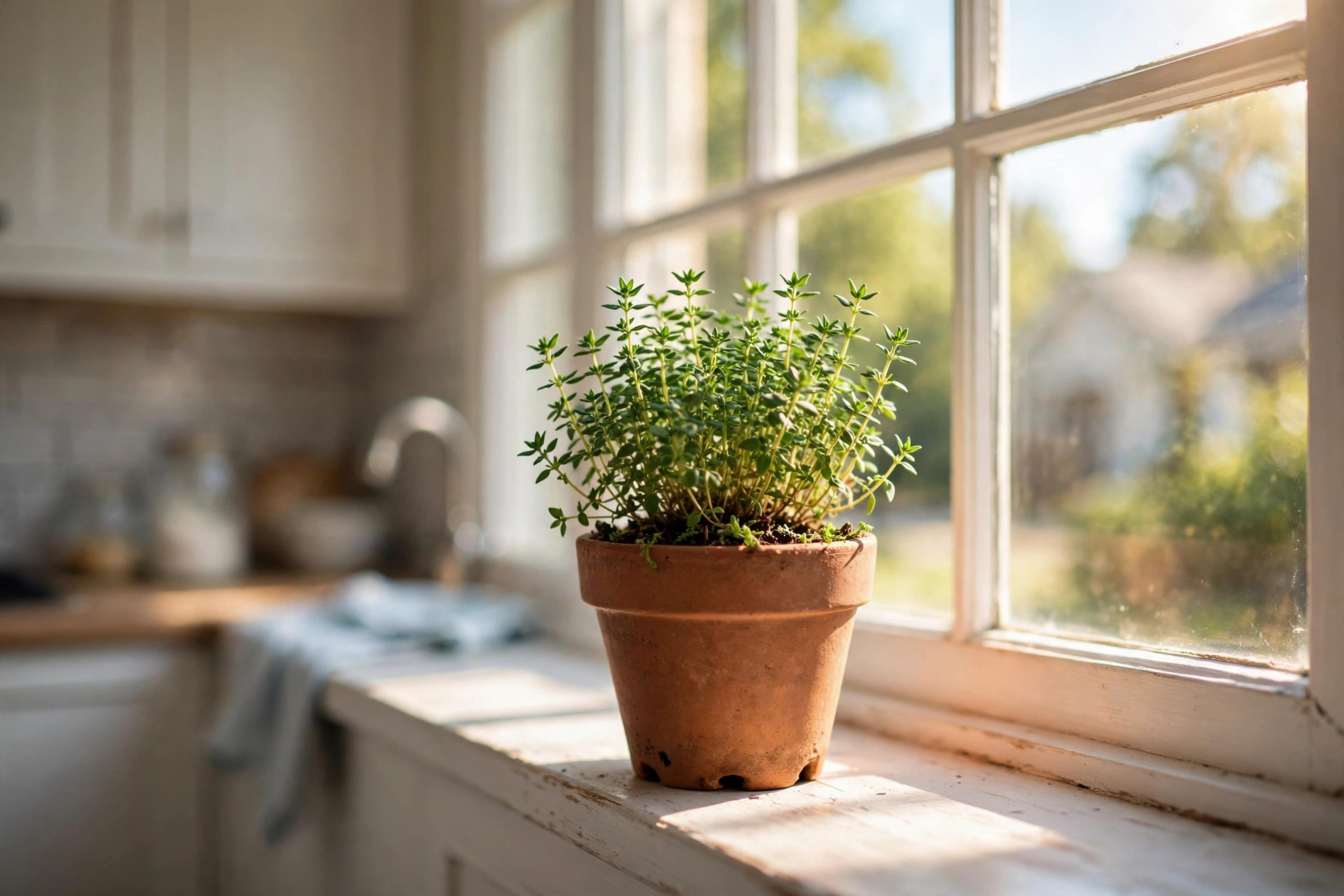

Learning how to grow thyme indoors in pots is one of the simplest garden projects a home cook can take on. Thyme is a small, sturdy herb that asks for little and gives back a great deal. A pot of thyme on a windowsill can supply fresh leaves for soups, roasts, and teas through every season. You do not need a yard or much space. A pot, a bag of soil, a sunny window, and a small amount of daily care are enough to keep thyme alive and growing for years.
Why It Matters
Fresh herbs change the taste of plain food. Dried thyme from the store loses much of its scent within months. A living plant keeps its full flavor at your fingertips. Snipping a few sprigs into a pot of soup takes only seconds, and the taste is brighter than anything from a jar.
Growing thyme indoors in pots also makes sense for anyone with a short outdoor season. In cold states, outdoor herbs die back in winter. An indoor pot moves past that problem entirely. The plant stays green while snow falls outside the window. This is the same reason many gardeners keep a small indoor herb shelf all year round.
There is also the matter of cost. A small bunch of fresh thyme at the store can cost two or three dollars. A single well-grown pot can yield many times that in a year. Guides from Bob Vila on indoor herb gardening note that a few dollars of soil and seed can replace many dollars of store herbs.
Finally, indoor thyme is a calm and steady plant. It does not grow fast or take over the house. It sits quietly on the sill and asks only for light and an occasional drink of water. For people new to growing things, it is a kind teacher.
What You Need: How to Grow Thyme Indoors Pots
The Pot
The pot matters more than most people think. Thyme hates wet roots. Choose a pot with drainage holes in the bottom. Without holes, water collects and the roots rot. A clay or terra cotta pot is ideal because the walls breathe and let extra moisture escape. Plastic pots work too, but you must water with more care.
Size counts as well. A pot six to eight inches wide is a good home for one thyme plant. It gives the roots room without holding too much soil. Too much soil stays wet too long. If you want several herbs together, use a wider planter and leave space between plants so air can move.
Good pots are easy to find. The garden centers at The Home Depot carry a wide range of clay and plastic pots with drainage holes in small sizes.
The Soil
Thyme grows wild in rocky, poor soil on sunny hills. It does not want rich, heavy soil. A light, fast-draining potting mix is best. Standard indoor potting mix works if you add a handful of coarse sand or perlite to it. This opens the mix up and lets water pass through quickly.
Never use soil dug from the yard. Yard soil is too dense for pots. It packs down, holds water, and often carries weed seeds and pests. Bagged potting mix made for containers is the safe choice.
The Plant
You have two ways to start: seed or a small plant. Seed is cheap but slow. Thyme seed can take two to four weeks to sprout, and young seedlings grow slowly for months. A small starter plant from a garden center gives you leaves to harvest within weeks. For most beginners, the starter plant is the wiser buy.
If you do start from seed, this guide to starting seeds indoors can walk you through the steps. Seed companies such as Burpee sell thyme seed with clear sowing instructions on the packet.
Light
Light is the single biggest factor in success. Thyme needs at least six hours of bright light each day. A south-facing window is best in most American homes. An east or west window can work if the light is strong. Turn the pot a quarter turn every few days so all sides get light and the plant grows evenly.
In winter, or in homes with poor windows, a simple grow light can fill the gap. Fluorescent or LED shop lights work well and cost little to run. Place the light six to twelve inches above the plant and run it twelve to fourteen hours a day. DIY guides at Family Handyman show how to hang a simple shop light over a shelf of herbs. Product testers at Consumer Reports review grow lights and can help you compare models before you buy.
Water
Thyme likes to dry out between waterings. This is where most beginners go wrong. They water every day out of habit, and the plant drowns. The rule is simple: stick a finger one inch into the soil. If it feels dry, water. If it feels damp, wait.
When you water, water fully. Let water run out of the drainage holes. Then empty the saucer under the pot so the plant never sits in standing water. A small watering can for indoor plants with a narrow spout gives you good control and keeps water off the leaves.
Types of Thyme to Grow Indoors
Common thyme is the classic cooking herb. Its small leaves carry the warm, earthy flavor used in French and Italian cooking. It grows in a neat, compact mound that suits pots well.
Lemon thyme adds a light citrus note. It is lovely in fish dishes and teas. Its leaves are brighter green, and some types have gold-edged leaves.
French thyme has narrower leaves and a milder taste. Creeping thyme spreads low and wide and is better for outdoor ground cover than for indoor pots.
All of these grow the same way indoors. Pick the flavor you like best. If you cook often with thyme, common thyme or English thyme is the safest choice. If you want something different, lemon thyme is a fine second pot.
Nurseries and catalogs such as Gardener’s Supply Company sell both plants and seeds of several thyme types with growing notes.
How to Plant
Start by filling your pot with potting mix. Leave about one inch of space between the soil surface and the rim of the pot. This space keeps water from spilling over the edge when you water.
Make a hole in the center as deep as the root ball of your starter plant. Set the plant in so the top of the root ball sits level with the soil surface. Planting too deep can rot the stem. Fill around the roots with mix and press gently. Do not pack the soil hard.
Water the pot well right after planting. Let the extra water drain out. Then set the pot in its sunny spot and leave it alone for a few days. The plant needs time to settle.
If you start from seed, follow a good seed-starting guide. In short: sow the tiny seeds on the surface of damp seed mix, press them in lightly, and keep them warm and moist until they sprout. Do not bury them deep, as thyme seed needs light to sprout.
Light and Water Through the Year
In spring and summer, a sunny window may be all you need. Watch the soil, water when dry, and turn the pot often. Outdoor air through an open window does thyme good, as long as the nights stay above fifty degrees.
In fall, bring the pot fully indoors before the first frost if it spent summer outside. Place it at your brightest window. Days grow short, and growth will slow. This is normal. Cut back on water in winter because the plant drinks less. Let the soil dry a bit deeper between waterings.
If the plant grows tall and thin with pale leaves, it is not getting enough light. This is called legginess. Move it closer to the window or add a grow light. If the leaves turn yellow and soft at the base, you are watering too much. Let the soil dry out fully and water less often.
Thyme comes from dry hillsides, so it handles dry winter air better than most herbs. You do not need to mist it; good air flow matters more.
Cost and Price
Growing thyme indoors in pots is a cheap hobby. A small starter plant costs about three to six dollars at most garden centers. A bag of potting mix costs four to eight dollars and will fill many pots. A basic clay pot costs two to five dollars. A small bag of perlite costs about five dollars.
A simple grow light setup costs fifteen to thirty dollars if your windows are poor. This is the only real expense beyond the basics, and it is a one-time cost.
Total start-up cost for one pot is usually under fifteen dollars with a sunny window. Yearly cost after that is almost nothing, and the pot pays for itself within a month or two.
Prices vary by region and store. The garden departments at Lowe’s list pots, soils, and small grow lights with current prices so you can plan your budget.
Care and Upkeep
Pruning and Harvesting
Harvest often. Regular snipping keeps the plant bushy and full. Use clean scissors or small pruners to cut stems just above a leaf pair. Never take more than one-third of the plant at once. The plant needs its leaves to make food.
Small garden scissors for harvesting herbs are the right tool for this job. Clean, sharp cuts heal faster than torn stems. Tool makers such as Fiskars and Corona Tools make small snips that fit easily in a kitchen drawer.
After harvest, strip the tiny leaves from the woody stems before cooking. The stems are tough and are best left out of food, though a whole sprig can flavor a stew and be lifted out before serving.
Feeding
Thyme is a light feeder. Too much fertilizer makes soft, weak growth with less flavor. Feed once a month in spring and summer with a half-strength liquid houseplant fertilizer. Do not feed in fall and winter when growth slows. Many growers feed only two or three times a year.
Repotting
A thyme plant can live in the same pot for two or three years. When the roots fill the pot and water runs straight through, it is time to repot. Move up one pot size only, to a pot one or two inches wider. Shake off the old mix gently, set the plant in fresh mix, and water well.
Older plants can grow woody and tired after three or four years. When a plant stops making fresh green growth, start a new one from a cutting or a fresh plant. Take cuttings in spring from soft new stems.
Safety
Thyme is safe to grow and eat in normal cooking amounts. It is a common food herb used for centuries. Still, a few notes are worth keeping.
Keep potting mix and fertilizer out of reach of small children. Bagged mixes sometimes contain perlite or fertilizer pellets that a child should not eat. Store bags in a closed cabinet.
If your skin itches after touching thyme, wear light gloves when pruning, and wash your hands after handling soil and plants before eating.
Pets are generally safe around thyme, but cats and dogs should not eat large amounts of any herb. Keep pots where curious pets cannot knock them over. A falling clay pot can break and make a mess, or injure a small animal.
If you use any pest spray on indoor plants, choose one labeled safe for food plants and follow the label exactly. Most indoor thyme never needs sprays at all. A strong rinse under the tap removes dust and most small insects.
Frequently Asked Questions
How much sun does indoor thyme need?
Thyme needs at least six hours of bright light daily, and a south-facing window is ideal. If your home lacks strong sun, use a grow light for twelve to fourteen hours a day.
How often should I water thyme in pots?
Water only when the top inch of soil feels dry, usually once or twice a week in summer and less in winter. Always let extra water drain out of the pot.
Why are my thyme leaves turning yellow?
Yellow leaves usually mean too much water or poor drainage. Check the drainage holes, empty the saucer, and let the soil dry out before watering again. Low light can also cause yellowing.
Can I grow thyme from grocery store cuttings?
It is possible but not reliable. Grocery thyme is often old, and the stems may not root. A fresh starter plant or seed gives much better results.
Should I bring outdoor thyme inside for winter?
Yes. Bring the pot indoors before the first hard frost, give it your brightest window, and cut back on water. A pot on the sill is the sure way to keep harvesting all winter.
How long does a potted thyme plant live?
With good care, an indoor thyme plant lives three to five years before the stems grow woody. Start a fresh plant from cuttings or seed every few years.
A Final Word
How to grow thyme indoors in pots comes down to a few simple habits: a pot that drains, light soil, strong light, and a light hand with water. The plant does the rest. Start with one pot on your sunniest sill. Harvest often and enjoy the flavor. Once you see how easy thyme is, you may find room for basil, chives, and more. Every cook deserves fresh herbs within reach, and a pot of thyme is the best place to begin.
References
Bob Vila. (n.d.). Home improvement advice. https://www.bobvila.com Burpee. (n.d.). Seeds, plants, and gardening supplies. https://www.burpee.com Consumer Reports. (n.d.). Product reviews and ratings. https://www.consumerreports.org Corona Tools. (n.d.). Garden and landscape tools. https://www.corona-tools.com Family Handyman. (n.d.). DIY home repair and maintenance. https://www.familyhandyman.com Fiskars. (n.d.). Garden and cutting tools. https://www.fiskars.com Gardener’s Supply Company. (n.d.). Gardening tools and supplies. https://www.gardeners.com Lowe’s. (n.d.). Home improvement products. https://www.lowes.com The Home Depot. (n.d.). Home improvement products. https://www.homedepot.com
Was this guide helpful?

About Michael Thompson
The My Garden US editorial team writes practical, in-depth home and garden guides for American homeowners — tested advice, no fluff.
You May Also Like
How to Test Soil Drainage at Home
August 25, 2026 0 views
Garden Tool Set for Beginners Reviews
January 13, 2026 0 views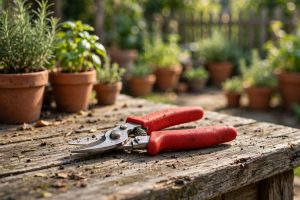
Best Garden Pruners for Small Hands: A Complete Buying Guide
August 3, 2026 0 views