---
Table of Contents
Table of Contents
- Slow Draining Bathroom Sink: Why Bathroom Sinks Drain Slowly
- Before You Start
- Method 1: Pull the Stopper and Clear the Hair
- Method 2: Use a Plunger
- Method 3: Baking Soda and Hot Water
- Method 4: A Drain Snake or Zip Tool
- Method 5: Clean the P-Trap
- When to Call a Plumber
- Keep It Draining Fast
- Frequently Asked Questions
- References
Water pooling around your ankles is a shower problem. Water pooling in the bathroom sink is a different annoyance. You brush your teeth and the basin fills up. It drains, but slowly, with a sad gurgle. A slow draining bathroom sink is almost always a hair clog, and you can fix it yourself in about fifteen minutes. This guide covers slow draining bathroom sink in plain steps.
This guide gives you five easy ways to unclog a slow draining bathroom sink, starting with the simplest. No harsh chemicals needed.
Slow Draining Bathroom Sink: Why Bathroom Sinks Drain Slowly
When it comes to slow draining bathroom sink, getting the details right makes all the difference.
When it comes to slow draining bathroom sink, getting the details right makes all the difference.
Many homeowners find that slow draining bathroom sink is easier than they expected once they know the basics.
Bathroom sink clogs are not like kitchen clogs. Kitchen drains clog with grease and food. Bathroom drains clog with hair and soap scum.
Every time you wash your hands, brush your teeth, or shave, hair goes down the drain. Soap mixes with the hair and forms a sticky mat. The mat catches on the stopper and the pivot rod inside the drain. Over time it builds into a plug that water can barely pass.
As Family Handyman explains, the problem is almost always hair and gummy soap scum caught on the stopper or pivot rod, and the fix usually takes only about fifteen minutes (https://www.familyhandyman.com/project/unclog-a-bathroom-sink-without-chemicals/).
Toothpaste, shaving cream, and thick lotions add to the buildup. If several people share the bathroom, clogs form faster.
Before You Start
Many homeowners find that slow draining bathroom sink is easier than they expected once they know the basics.
The key to slow draining bathroom sink is choosing the right approach for your space and budget.
Put on rubber gloves. Hair clogs are unpleasant. Lay an old towel on the floor under the sink in case of drips. Keep a small trash bag nearby for the gunk you pull out. You will want it close.
Do not reach for chemical drain cleaner first. The harsh chemicals can damage pipes, ruin finishes, and burn skin. They also often fail on hair clogs, leaving you with a sink full of caustic water. Try the methods below first.
Method 1: Pull the Stopper and Clear the Hair
The key to slow draining bathroom sink is choosing the right approach for your space and budget.
With a little planning, slow draining bathroom sink can fit even a busy schedule.
This fixes most slow drains. The clog is usually wrapped around the stopper itself.
Try lifting the stopper straight out. Some pop-up stoppers lift right out. If yours does, you will probably see the clog at once, a wet rope of hair and soap. Pull it off with your gloved fingers or tweezers and throw it away.
If the stopper will not lift out, it is held by the pivot rod underneath. Look under the sink at the back of the drain pipe. You will see a horizontal rod with a nut where it enters the pipe. Loosen the nut with pliers and slide the rod out. The stopper will lift free.
Clean the stopper and the rod. Reach into the drain with a bent wire or an old toothbrush and pull out what you can. Then put the stopper back, slide the rod through its slot in the stopper, and hand-tighten the nut. Run hot water to test. Family Handyman's step-by-step guide walks through this exact process with photos (https://www.familyhandyman.com/project/unclog-a-bathroom-sink-without-chemicals/).
Method 2: Use a Plunger
With a little planning, slow draining bathroom sink can fit even a busy schedule.
Before you start, it helps to understand how slow draining bathroom sink works in real homes.
A plunger works on sinks, not just toilets. Use a cup-style plunger, the simple kind with a flat bottom, not the flange kind made for toilets. And do not use the same plunger you use on the toilet.
Remove the stopper if you can. Fill the sink with an inch or two of water. If the sink has an overflow hole, plug it with a wet rag. This keeps the plunging pressure focused on the clog.
Place the plunger over the drain and pump up and down hard for twenty to thirty seconds. Pull the plunger away and see if the water drains. Repeat a few times. The push-pull action often breaks a hair clog loose. Family Handyman's chemical-free drain guide covers this technique along with other non-chemical methods (https://www.familyhandyman.com/article/how-to-unclog-drains-without-chemicals/).
Method 3: Baking Soda and Hot Water
Before you start, it helps to understand how slow draining bathroom sink works in real homes.
This mild method helps with soap scum buildup. It will not dissolve a solid hair plug, but it clears the greasy film that slows drains.
Boil a kettle of water. Pour half of it down the drain slowly. Then pour half a cup of baking soda down the drain, followed by half a cup of white vinegar. It will fizz. Cover the drain with a rag and wait fifteen minutes. Then pour the rest of the hot water down to flush.
Repeat if the drain is still slow. This method is safe for all pipes and septic systems. For enzyme-based options that are septic-safe, see our enzyme drain cleaner reviews.
Method 4: A Drain Snake or Zip Tool
A good plan for slow draining bathroom sink saves time, money, and frustration.
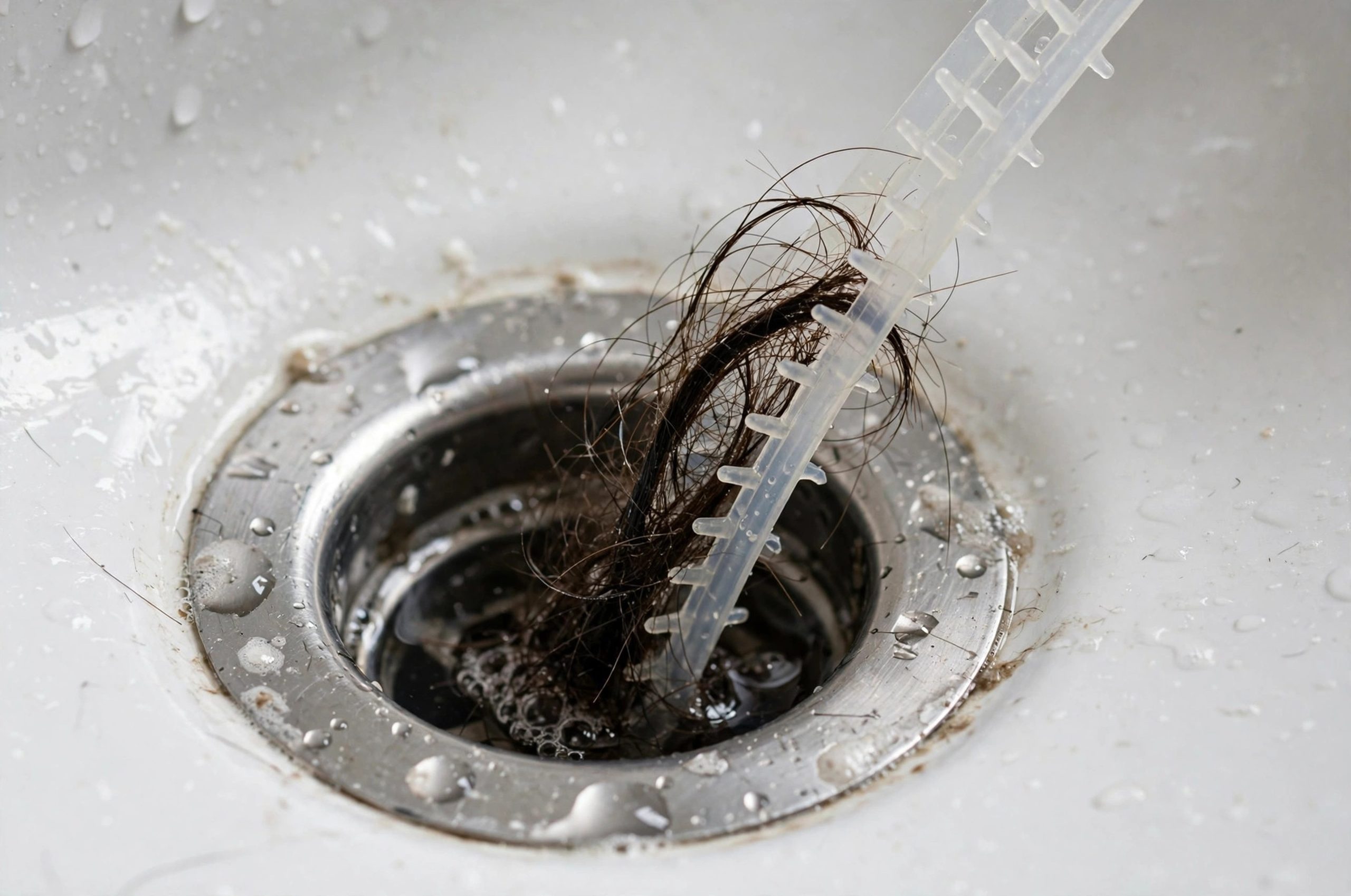
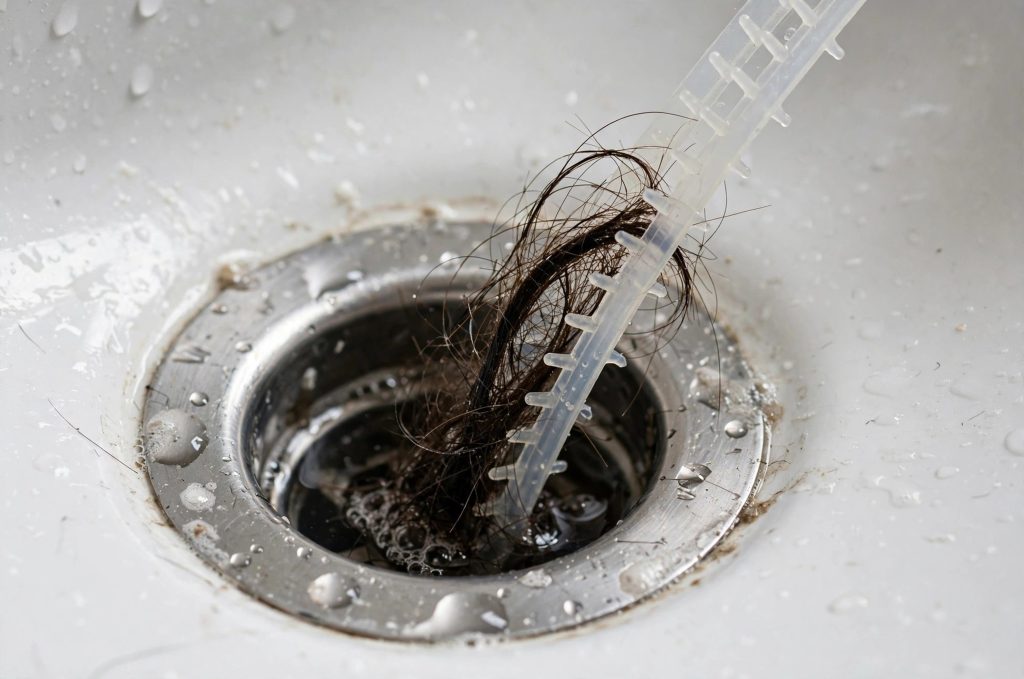
A plastic zip tool is a thin strip with barbs that costs a few dollars at any hardware store. Push it down the drain, twist it, and pull it back up. The barbs grab hair and pull it out. It is gross and it works.
For deeper clogs, a small hand-crank drain snake reaches further. Feed the cable down the drain while turning the handle. When you feel resistance, keep turning to bite into the clog, then pull back. Run hot water after to flush the loosened debris.
Family Handyman's clogged drain guide covers snaking technique and warns against being too rough with cable tools, which can damage pipes (https://www.familyhandyman.com/project/how-to-clear-clogged-drains/).
Method 5: Clean the P-Trap
For most people, slow draining bathroom sink comes down to a few smart choices.
If the drain is still slow after the methods above, the clog may be in the P-trap, the curved pipe under the sink. This is a bigger job but still DIY-friendly.
Place a bucket under the trap. Loosen the slip nuts on both ends of the curved pipe with channel-lock pliers. Water will spill out, so keep the bucket ready. Pull the trap off and dump it out. You will likely find the clog right there. Clean the trap with a bottle brush, check the washers, and put it back. Hand-tighten the nuts, then give them a quarter turn with pliers. Run water and check for leaks at both joints.
When to Call a Plumber
If you are new to slow draining bathroom sink, start with the simplest option and build from there.
Call a pro if:
- Multiple drains are slow at once, which points to a main line problem
- The sink backs up with water from elsewhere
- You smell sewage from the drain
- The clog returns within days after a full cleaning
- Water leaks from pipes under the sink that you cannot stop
A main line clog needs professional equipment. Do not keep pouring chemicals into a drain that will not clear. Our guide to garbage disposal clogs covers the kitchen side, and our drain cleaner buying guide compares products for tougher jobs.
Keep It Draining Fast
When it comes to slow draining bathroom sink, getting the details right makes all the difference.
Prevent the next clog with these habits:
- Use a drain screen. A cheap mesh screen over the drain catches hair before it goes down. Empty it weekly.
- Brush hair before washing up. Less loose hair means less drain hair.
- Run hot water after shaving. Hot water melts shaving cream before it sets in the pipe.
- Clean the stopper monthly. Pop it out, wipe off the buildup, and put it back. Thirty seconds of work.
- Skip the chemical cleaners for maintenance. They do not prevent clogs and they age your pipes.
If slow drains are a symptom of an old vanity and tired plumbing, it may be time for a refresh. Browse bathroom sink vanities or double sink vanities for an upgrade that makes the whole bathroom work better.
Frequently Asked Questions
Can I use chemical drain cleaner on a slow bathroom sink?
You can, but try the manual methods first. Chemical cleaners often fail on hair clogs, and they can damage older pipes and finishes. If you do use one, follow the label exactly, ventilate the room, and never mix it with another cleaner. For homes on septic systems, choose an enzyme-based cleaner that is labeled septic-safe.
Why does my sink drain slowly right after I cleaned it?
A partial clog may have moved deeper into the pipe instead of coming out. Run very hot water for a few minutes to flush loosened debris. If the drain is still slow, the clog may be past the trap in the wall pipe, which is where a drain snake earns its keep. Feed the snake past the trap and work it gently.
How do I keep the pop-up stopper from collecting hair?
Wipe the stopper every week or two. Lift it out, pull off the hair and soap film, and drop it back in. A mesh drain screen over the drain catches most hair before it reaches the stopper. This thirty-second habit prevents most slow drains. With these steps, slow draining bathroom sink stays simple and safe.
References
Family Handyman. (n.d.). Unclog a bathroom sink without chemicals (DIY). https://www.familyhandyman.com/project/unclog-a-bathroom-sink-without-chemicals/
Family Handyman. (n.d.). How to unclog a drain without harsh chemicals. https://www.familyhandyman.com/article/how-to-unclog-drains-without-chemicals/
Family Handyman. (n.d.). How to clear clogged drains. https://www.familyhandyman.com/project/how-to-clear-clogged-drains/
Family Handyman. (n.d.). How to fix a leaky faucet (DIY). https://www.familyhandyman.com/project/fix-a-leaking-faucet/
Bob Vila. (n.d.). How to fix a leaky faucet. https://www.bobvila.com/articles/how-to-fix-a-leaky-faucet/
U.S. Environmental Protection Agency, WaterSense. (n.d.). Fix a leak week. https://www.epa.gov/watersense/fix-leak-week
This Old House. (n.d.). Big help for small bathrooms: Maximizing space and style. https://www.thisoldhouse.com/bathrooms/big-help-for-small-bathrooms
Delta Faucet. (n.d.). How to fix a leaky faucet. https://www.deltafaucet.com/il/home-improvement-101/how-fix-leaky-faucet
Was this guide helpful?

About My Garden US
The My Garden US editorial team writes practical, in-depth home and garden guides for American homeowners — tested advice, no fluff.
You May Also Like

Bathtub Refinishing Kits Texas Homes USA: A Plain Guide to Restoring Worn Tubs
August 28, 2026 14 views
Brushed Nickel Faucets Texas Homes USA: A Full Buying Guide
September 2, 2026 17 views
Quiet Exhaust Fans: An American Homes Guide
July 14, 2026 20 views