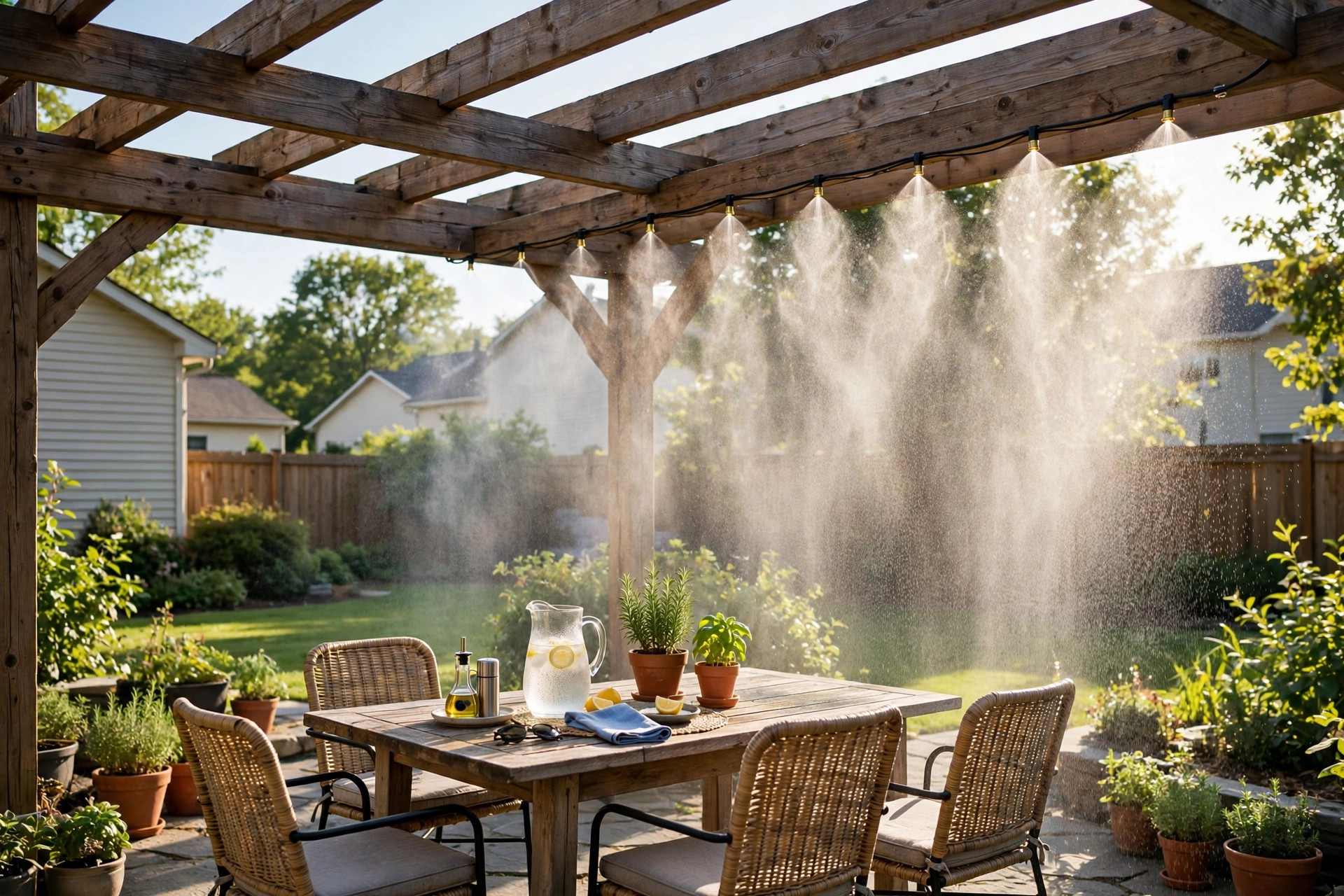

Why a Patio Misting System for Cooling Reviews Are Worth Reading
When the heat of summer arrives, the patio can become a place few want to sit. The chairs stay hot. The air feels still and heavy. A patio misting system for cooling reviews will tell you that a good misting system can change this picture. It can lower the temperature in a small outdoor area by ten to twenty degrees. That is often the difference between a patio that stands empty and one that gets used every evening.
Reading a patio misting system for cooling reviews is smart before you buy. These systems come in many forms. Some are simple kits that cost less than fifty dollars. Others are pump-driven units that cost several hundred. The reviews tell you which ones cool well, which ones drip, and which ones break after one season. They also tell you about water use, noise, and how hard the system is to set up.
Homeowners in warm states have used misters for years. Restaurants and cafes use them too. This article walks through the facts in plain terms. It covers why misting works, what to look for, the main types, what they cost, how to care for them, and the safety points that matter.
Why It Matters: Patio Misting System for Cooling Reviews
A patio is an extension of the home. Many families spend money on outdoor furniture and want to enjoy it. When the air is too hot, that money goes to waste. A misting system is one of the lowest-cost ways to make a patio usable in the heat. It uses far less water and far less energy than an air conditioner. A typical system runs on a garden hose or a small pump. It can run for hours on just a few gallons of water.
The science is simple. When water turns to vapor, it takes heat from the air. Fine mist droplets evaporate fast. As they do, the air cools. The cooling effect works best in dry heat. In humid places like Florida, the effect is smaller, because the air is already full of moisture. Even so, many people in humid regions still enjoy the light breeze and fine spray that a mister adds.
Comfort is not the only point. A cooler patio means less strain on fans and portable coolers. It can make evening meals more pleasant. It can help pets and plants too, since less heat stress is good for the dog resting nearby or the potted plants in the corner.
What to Look For
When you read a patio misting system for cooling reviews, certain points come up again and again. These are the ones that matter most.
Droplet Size
The best systems make a very fine mist. Fine droplets evaporate before they hit the ground. Coarse droplets do not evaporate. They fall as water and leave puddles. They can soak cushions and make the patio floor slippery. Look for systems that promise a fine or ultra-fine mist. Reviews often mention whether a system drips or stays dry.
Pressure
Misting systems come in two broad pressure groups. Low-pressure systems run on normal garden hose pressure. They are cheap and simple. High-pressure systems use a pump to raise the pressure, often to several hundred pounds per square inch. Higher pressure makes a finer mist and better cooling. If you live in a dry area and want the best cooling, a high-pressure system is worth the extra money.
Nozzle Count and Layout
A patio misting system for cooling reviews will often say how well the kit covers a space. A small kit with ten nozzles may cover a porch of eight by ten feet. A larger patio may need twenty or more nozzles. Look for kits that let you add nozzles or extend the tubing.
Materials
The tubing and fittings should stand up to sun and water. Stainless steel nozzles last longer than plastic ones. Brass fittings resist corrosion. In areas with hard water, mineral buildup can clog nozzles. Systems with removable, cleanable nozzles are easier to maintain. Reviews often praise kits that include a filter, since a filter keeps minerals and grit out of the nozzles.
Ease of Setup
Most low-pressure kits connect to a standard garden spigot. You cut the tubing, push in the fittings, and clip the line to a fence or pergola. The job takes under an hour for a small patio. High-pressure systems need a pump and an electrical outlet. They take more time and more care. Check the instructions in reviews before you buy, since some kits are known for unclear directions.
Types and Options
Low-Pressure Hose Kits
These are the most common type for home use. They attach to a garden hose and need no pump. They cost between twenty and eighty dollars. They work well enough in dry climates for small patios. Their weak point is droplet size. Because the pressure is low, the mist is coarser. Some water may reach the ground. They are a fair choice for a porch or a small seating area.
Mid-Pressure Pump Systems
These systems use a pump to raise the pressure above hose level, often to around one hundred to two hundred pounds per square inch. The mist is finer than a hose kit. Cooling is better. Prices run from about one hundred fifty to four hundred dollars. They are a good middle ground for homeowners who want strong cooling without a commercial price tag.
High-Pressure Pump Systems
Commercial cafes use high-pressure systems, often at around one thousand pounds per square inch. The mist is so fine it feels like a cool cloud. Almost no water reaches the ground. These systems cost five hundred dollars and up. They need a steady electrical supply and a good filter. For a large patio or a home in a very hot, dry region, they deliver the best results.
Misting Fans
A misting fan is a fan with a misting ring attached. It blows a cool, misty breeze. These are portable and need no fixed tubing. They suit renters or people who want to move the cooling around. The trade-off is that the fan must run to get the cooling effect, which uses more electricity than a silent line of nozzles.
DIY Patio Mister Kits
Some homeowners build their own systems from parts. An outdoor misting fan for patio use can also be part of a do-it-yourself plan. A DIY patio mister kit with tubing, nozzles, and clamps lets you shape the layout to your space. Reviews of kits often stress buying extra nozzles and a filter. The do-it-yourself route saves money but needs some care with leaks at the joints.
Cost and Price
Cost depends on type, size, and brand. Here are the ranges most buyers report.
– Low-pressure hose kits: twenty to eighty dollars. – Mid-pressure pump systems: one hundred fifty to four hundred dollars. – High-pressure pump systems: five hundred to over one thousand dollars. – Misting fans: eighty to three hundred dollars.
Running costs are low. Water use for a low-pressure system is about one gallon per hour per nozzle. A ten-nozzle system running for four hours uses about forty gallons. At most city water rates, that costs only a few cents. Pump systems use electricity for the pump. A small pump may use less than one hundred watts, about the same as a light bulb.
Maintenance costs are also small. Replacement nozzles cost a few dollars each. Filters need a new cartridge once or twice a season. A low pressure patio misting system is often the cheapest to run, but dripping can waste water. Compare kit price with local water rates before you decide.
Do not forget extras. You may need tubing clips, a timer, or a filter. A timer that shuts the system off is a good buy. It saves water when you forget. Some buyers add a shade sail or an umbrella over the misted area. In fact, many patio misting system for cooling reviews suggest pairing misting with shade, since shade plus mist cools far better than either one alone. If you are shopping for shade, check the best patio umbrella for wind reviews for options that stand up to breezes.
Care and Upkeep
A misting system is simple, but it needs regular care. Most problems come from neglect, not from bad design.
Clean the Nozzles
Mineral buildup is the number one cause of poor performance. Hard water leaves deposits inside nozzles. Once a month, soak the nozzles in vinegar for an hour and rinse them. Most owners keep a small jar of vinegar near the patio for this. If a nozzle stays clogged, replace it. They are cheap.
Check the Filter
If your system has a filter, check it at the start of the season and again halfway through. A dirty filter lowers pressure and makes the mist coarser. Change the cartridge when it looks brown or slimy. A clean filter protects the nozzles and the pump.
Inspect the Tubing
Sunlight and heat age plastic tubing over time. Once a season, walk the line and look for cracks, kinks, or loose fittings. Tighten any fitting that weeps water. Replace cracked sections before they burst. Stainless steel or copper tubing lasts longer than basic plastic, but it costs more.
Winterize
In regions where winter brings frost, drain the system before the first freeze. Water left in the tubing can freeze and split the line. Disconnect the kit from the spigot. Let it drain downhill. Store the pump indoors.
Protect Nearby Items
Mist adds moisture to the air, which can settle on cushions, pillows, and metal frames. Use covers on furniture when the system runs for long hours. See the weatherproof patio furniture covers heavy duty guide for cover options that hold up to sun and water. For pillows, waterproof outdoor throw pillows for patio options resist dampness and dry fast. Wipe down metal frames now and then to check for rust.
Safety
Misting systems are safe when used with care, but a few points deserve attention.
Slippery surfaces. Coarse mist can wet tile, concrete, or deck boards, which can be slippery for older adults and small children. Place nozzles so the spray stays over the seating area, not over walkways. If you see puddles, raise the line or switch to finer nozzles.
Water quality. Do not use water from a rain barrel or an untreated well without a filter. Standing water can hold bacteria. In rare cases, fine mist from dirty water can carry germs into the air. Always use clean municipal water or a good filter on well water. The EPA offers guidance on safe water practices for the home at epa.gov.
Electrical parts. Pumps and timers run on electricity. Keep them away from standing water. Use a ground-fault outlet for any outdoor electrical device. If a cord lies across the patio, route it along the edge where no one will trip.
Pets and plants. Most pets enjoy a light mist on hot days. But some dogs are startled by the spray. Let them get used to it slowly. Delicate plants can be harmed by constant mist, since too much moisture can bring mildew. Aim the nozzles away from flower beds if you notice leaf spots.
Frequently Asked Questions
How much cooler will a misting system make my patio?
Most buyers report a drop of ten to twenty degrees Fahrenheit in dry heat. In humid air, expect a smaller drop, often five to ten degrees. Shade makes the effect stronger. A shaded patio with a mister feels much cooler than a sunny patio with the same mister.
Do misting systems use a lot of water?
No. A typical home system uses about one gallon of water per hour per nozzle. A ten-nozzle system running for three hours uses about thirty gallons. That is less than one load of laundry. Timers help you avoid waste.
Will the mist soak my furniture and clothes?
A good high-pressure system makes mist so fine that almost none of it reaches your clothes. Sitting directly under a nozzle will get you wet. Most owners place the line at the edge of the seating area, not overhead, so the cooled air drifts in without soaking anyone.
Can I install it myself?
Yes, in most cases. Low-pressure kits are made for homeowners. They connect to a garden spigot with no tools beyond a pair of scissors and a wrench. Pump systems need an outlet and a flat spot for the pump. If you are not sure about the electrical part, ask an electrician. You can browse patio gear and accessories at IKEA and Wayfair to see how other outdoor products are set up.
How long do these systems last?
Plastic tubing and fittings usually last two to four seasons in full sun. Stainless steel nozzles can last much longer. Pumps for home systems often last three to five years with clean water and a good filter. Winter storage and regular cleaning add years to the life of any system.
Are misting systems worth it in humid climates?
The cooling effect is weaker in humid air, because evaporation slows down. Even so, many owners in humid states enjoy the fine spray and the breeze it creates. A misting fan may be a better pick for humid regions, since the fan adds air movement that helps sweat evaporate from the skin. Independent product tests at Consumer Reports can help you compare models before you buy.
Final Word
Start with your needs. For a small porch in a dry region, a simple hose kit may be enough. For a large patio in a hot, dry state, a pump system earns its price. Keep the nozzles clean, protect your furniture, and use a timer. With a little care, a misting system can turn the hottest weeks of summer into the best weeks of the year for your patio.
References
EPA. (n.d.). Home water safety. https://www.epa.gov IKEA. (n.d.). Outdoor furniture. https://www.ikea.com Wayfair. (n.d.). Outdoor furniture and patio. https://www.wayfair.com Consumer Reports. (n.d.). Product reviews and ratings. https://www.consumerreports.org
Was this guide helpful?

About Robert Taylor
The My Garden US editorial team writes practical, in-depth home and garden guides for American homeowners — tested advice, no fluff.
You May Also Like

Best Outdoor Furniture for Coastal Homes
June 4, 2026 0 views
Patio Umbrella for High Wind Areas: A Buyer’s Guide
January 6, 2026 0 views
Outdoor Grill Cart With Storage Reviews: What to Know Before You Buy
May 17, 2026 0 views