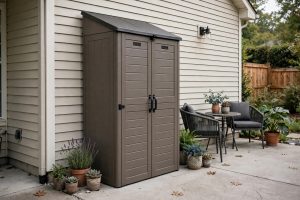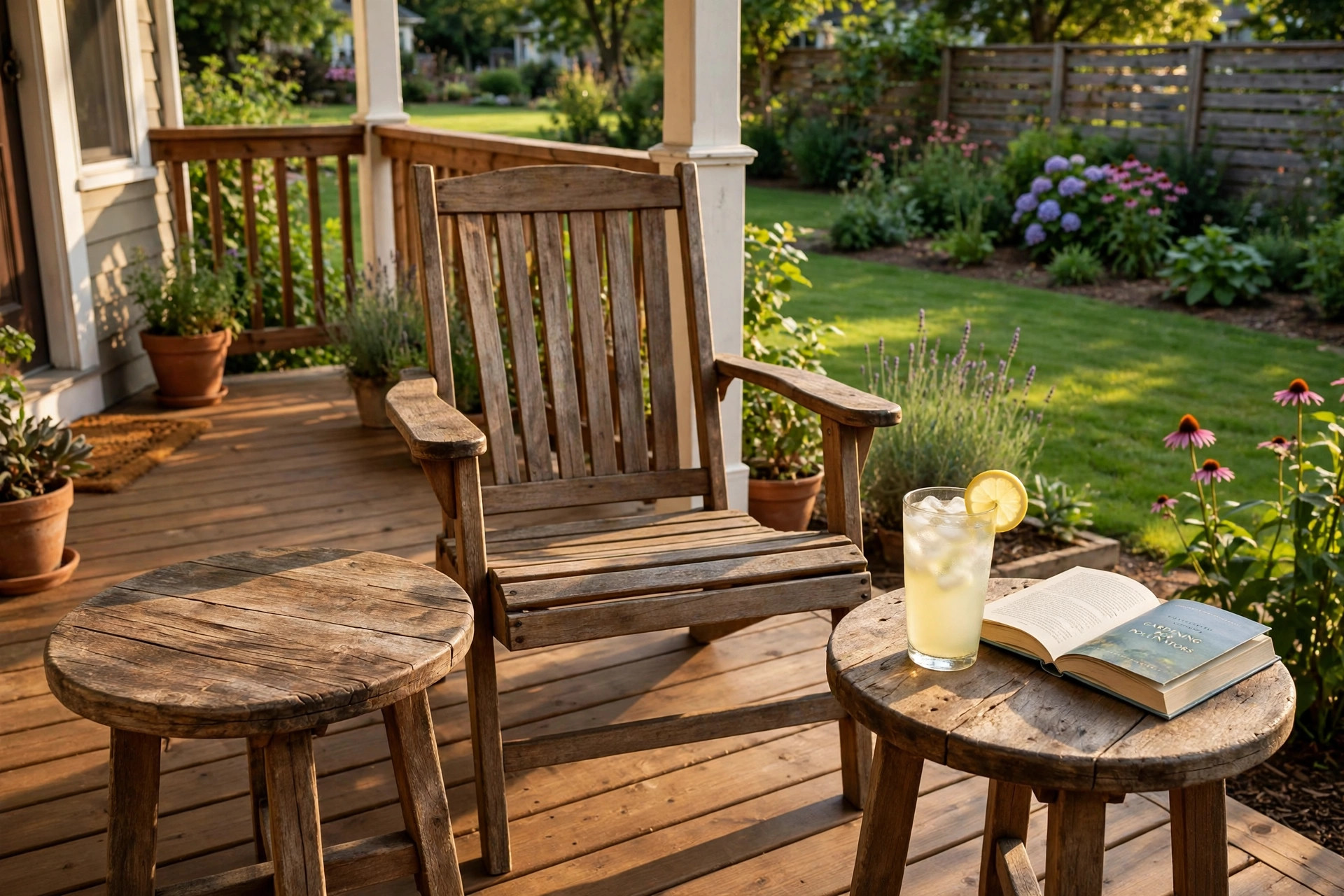

A small table by your chair makes a big difference. It holds your coffee. It holds your book. It holds the glass of lemonade on a warm July evening. An outdoor side tables set of two gives you two of these small tables at one price. You can place one on each side of a bench. You can place one by your chair and one by the grill. You can even split them up and use one on the porch and one on the deck.
This guide explains what to know before you buy. It covers why a set of two matters, what materials last, how to choose the right size, what prices to expect, how to care for your tables, and how to keep them safe. It is written in plain words for plain readers.
Why an Outdoor Side Tables Set of Two Makes Sense
Most patios have more than one seat. A single side table leaves one guest with nowhere to set a drink. Two tables fix that. You place one beside each chair, or one on each side of a sofa. The space looks balanced. It looks finished. Guests feel looked after.
A set of two also costs less than buying two tables one at a time. Stores sell them as a pair. The price per table drops. Shipping is simpler too. One box arrives. You unpack two tables.
There is another reason. People move these tables around. They carry one to the fire pit. They carry one next to the hammock. Having two means one can stay put while the other travels. It is a small comfort, but it matters on a fine evening.
What to Look For When You Choose: Outdoor Side Tables Set of Two
Material Comes First
The material decides how long your tables last. The American climate is hard on outdoor furniture. Rain, sun, snow, and wind all take their toll. Choose a material that can stand up to your local weather.
Aluminum is light and does not rust. You can lift it with one hand. It works well if you move tables often. It also does well near the coast, where salt air eats other metals. Many patio furniture retailers sell aluminum sets at fair prices.
Teak is the classic wood for outdoor use. It turns a soft gray over time. It can last twenty years or more. It costs more, and it needs oil now and then. Steel is strong and heavy. It stays put in the wind. But cheap steel can rust, so look for powder-coated finishes. Wicker made from synthetic resin is light and easy to clean. Real rattan fades in the sun.
Size and Height
A side table should stand close to the height of your chair arm. Most chair arms sit between 22 and 26 inches from the ground. A table in that range works well. Too tall and it looks odd. Too short and you must reach down too far.
Check the tabletop width. Eighteen to twenty-two inches is enough for a drink, a plate, and a book. If the table is smaller, it tips more easily. If it is larger, it starts to look like a coffee table.
Weight and Stability
Light tables blow over in strong wind. Heavy tables are hard to move. Aim for the middle. A table that weighs eight to twelve pounds is steady but still easy to carry. Look at the legs. Splayed legs resist tipping better than straight legs. A low center of gravity helps too.
Easy Cleaning
You will wipe these tables often. Pollen in spring. Dust in summer. Bird droppings all year. Smooth tops clean with one wipe. Slatted tops trap dirt between the slats. If you like slats for the look, be ready for more work.
Types of Outdoor Side Table Sets
Wood Sets
Wood sets bring warmth to a patio. Cedar and acacia cost less than teak. They still need oil or sealant once a year. Wood fits well with garden beds and outdoor dining sets. It feels natural next to plants.
Metal Sets
Metal sets last long with little care. Aluminum sets need almost no upkeep. Wrought iron looks classic but is very heavy. Steel sets sit in the middle. Look for tables with drain holes or open bases so rainwater does not pool.
Wicker and Rattan Sets
Synthetic wicker sets are popular now. They look like natural wicker but stand up to rain. They weigh little. They come in many colors. Real wicker is for covered porches only. It rots in the rain.
Plastic and Resin Sets
Resin sets are the cheapest option. They are light and easy to clean. Good ones last five to eight years. Cheap ones crack in the sun after two summers. If you buy resin, look for UV-stable marks on the label.
Nesting Sets
Some sets nest. One table slides under the other. This saves space in winter storage. It is a good pick if your patio is small. A small patio sofa guide can help you plan the whole layout.
Cost and Price: What to Expect
Prices for an outdoor side tables set of two run from about thirty dollars to three hundred dollars. The spread is wide. Here is what the price buys.
Under sixty dollars, you get basic resin or thin steel tables. They work fine for a season or two. They are a good pick if you are not sure what you want yet. From sixty to one hundred fifty dollars, you get solid aluminum, good resin wicker, or acacia wood. This is the sweet spot for most buyers. The tables last five to ten years with care.
From one hundred fifty to three hundred dollars, you get teak, heavy powder-coated steel, or top brands. These sets can last a decade or more. They often have better finishes and stronger joints. Check independent product reviews before you pay at the high end.
Watch for sales. Patio furniture goes on sale in late summer and early fall. Stores clear space for holiday stock. You can save thirty to fifty percent. A pair of porch swings bought in August can cost half the spring price.
Do not forget delivery costs. Some sets ship free. Some add twenty or thirty dollars. Heavy metal sets cost more to ship. If you buy in a store, bring a car with room. Two tables stack well, but boxes can be bulky.
How to Set Them Up
Most sets need some assembly. The box holds flat-packed parts, screws, and a small wrench. Set aside thirty minutes. Work on a soft surface like grass or a rug so you do not scratch the finish.
Read the steps once before you start. Lay out all parts. Count the screws. Tighten each screw by hand first, then tighten all of them at the end. This keeps the frame square. If the table wobbles, loosen the screws, set it on flat ground, press down, and tighten again.
Some sets come fully assembled. These cost more but save time. They also tend to be stronger, since the factory sets the joints right.
Care and Upkeep Through the Seasons
Spring
Wash the tables in spring. Use warm water and mild soap. Rinse well. Check the screws. Winter cold can loosen them. Tighten what needs it. Look for rust spots on metal. Sand small spots and touch up with matching paint.
Summer
Wipe tables weekly in summer. Sunscreen and drinks leave marks. Move tables out of harsh midday sun if you can. Covers help, but they trap heat. Good air flow matters more. If you have wood tables, check the oil. Hot sun dries wood fast.
Fall
Fall brings leaves and pollen. Cover the tables or bring them under a roof. If you leave them out, tip them on their sides so rain runs off. Clean the tops before you store them. Dirt left over winter becomes stains by spring.
Winter
In cold states, store tables inside if you can. A garage or shed works. Stack them with old blankets between them. If you must leave them out, use fitted covers. Make sure covers have vents. Trapped moisture causes mold and rust. Heavy snow can bend light aluminum, so brush snow off after storms.
Safety Around the Tables
Side tables are low and easy to trip over at night. Place them out of main walkways. If your patio has steps, keep tables away from the edge. In homes with small children, check for sharp corners. Many sets have rounded edges. Choose those.
Hot drinks and grills are a real risk. Keep side tables away from the grill. A stray spark can melt resin. A hot pan can scar wood. Teach children not to climb on the tables. Even sturdy tables tip under a child’s weight.
Glass tops need care. Tempered glass is strong, but it can still break if struck hard. Check for chips each spring. A chipped glass top can fail without warning. Replace it rather than risk it.
Wind is the biggest danger. A light table becomes a flying object in a storm. Bring light tables inside when storms come. If you live where wind is common, buy heavier sets or fill the bases with sand.
Pairing Your Tables With the Rest of the Patio
Two side tables work best as part of a plan. Place them beside seating, not in the middle of the patio. Leave at least three feet of walking space. Do not block doors.
Match the style to your other pieces. If you have a modern bar stool set, pick sleek metal tables. If you have rustic wood chairs, pick wood tables. The materials do not need to match exactly. They should feel like family.
Think about color. Dark tables hide dirt. Light tables look fresh but show stains. Neutral tones like black, brown, and gray fit most patios. Bright colors are fun but may clash with next year’s new cushions.
Where to Buy
You can buy an outdoor side tables set of two in many places. Big home stores carry them in spring and summer. Online shops carry them all year. Online prices are often lower, but you cannot touch the tables first. In a store, you can test the wobble. You can feel the finish. You can check the weight.
Buy from sellers with clear return rules. Thirty days is fair. Keep the box until you are sure. Measure your space before you order. A table that looks small online can feel big on a tight porch.
FAQ
What is the best material for outdoor side tables?
There is no single best material. It depends on your climate and your budget. Aluminum is the best all-round pick for most buyers. It does not rust. It is light. It needs little care. Teak is the best wood pick. It lasts decades. It costs more.
How tall should an outdoor side table be?
Match the table to your chair. Most outdoor chairs have arms at 22 to 26 inches. A table in that range works well. Measure your chair before you buy. A table two inches above or below the arm is fine.
Can I leave outdoor side tables out in winter?
It depends on the material and your climate. Teak and heavy steel can stay out in mild winters. In places with hard frost and snow, bring tables inside. At the least, cover them with vented covers. Water that freezes in joints can crack welds and split wood.
How do I clean resin wicker side tables?
Use a garden hose first. Knock off loose dirt. Then wash with warm water and mild dish soap. Use a soft brush for the weave. Rinse well. Let the tables dry in the sun. Never use bleach. It breaks down the resin.
Are sets of two really cheaper than buying singles?
Yes, in most cases. Stores price pairs below the cost of two singles. You also save on shipping. One delivery costs less than two. The saving is small, often ten to twenty percent, but it adds up with the convenience.
What size tabletop do I need?
Eighteen to twenty-two inches across is right for most uses. It holds a drink, a snack plate, and a book. If you only need a spot for a drink, fifteen inches works. For a lamp and a drink together, go wider.
A Short Final Word
An outdoor side tables set of two is a simple buy that pays back every day. You sit down. Your drink has a home. Your book has a home. The pair makes the patio feel whole. Pick a material that suits your weather. Pick a size that suits your chairs. Care for them through the seasons, and they will serve you for years.
References
Ikea. (n.d.). Outdoor furniture. https://www.ikea.com Wayfair. (n.d.). Patio and garden furniture. https://www.wayfair.com Consumer Reports. (n.d.). Product reviews and ratings. https://www.consumerreports.org
Was this guide helpful?

About Michael Thompson
The My Garden US editorial team writes practical, in-depth home and garden guides for American homeowners — tested advice, no fluff.
You May Also Like

Best Outdoor Floor Cushions for Kids
June 14, 2026 0 views
How to Clean Polywood Outdoor Furniture: A Simple Guide
February 5, 2026 0 views
The Best Outdoor Rocking Chair for Porch: A Buyer’s Guide
March 21, 2026 0 views