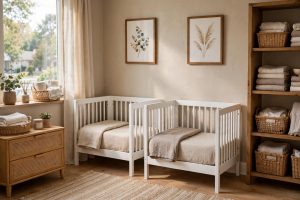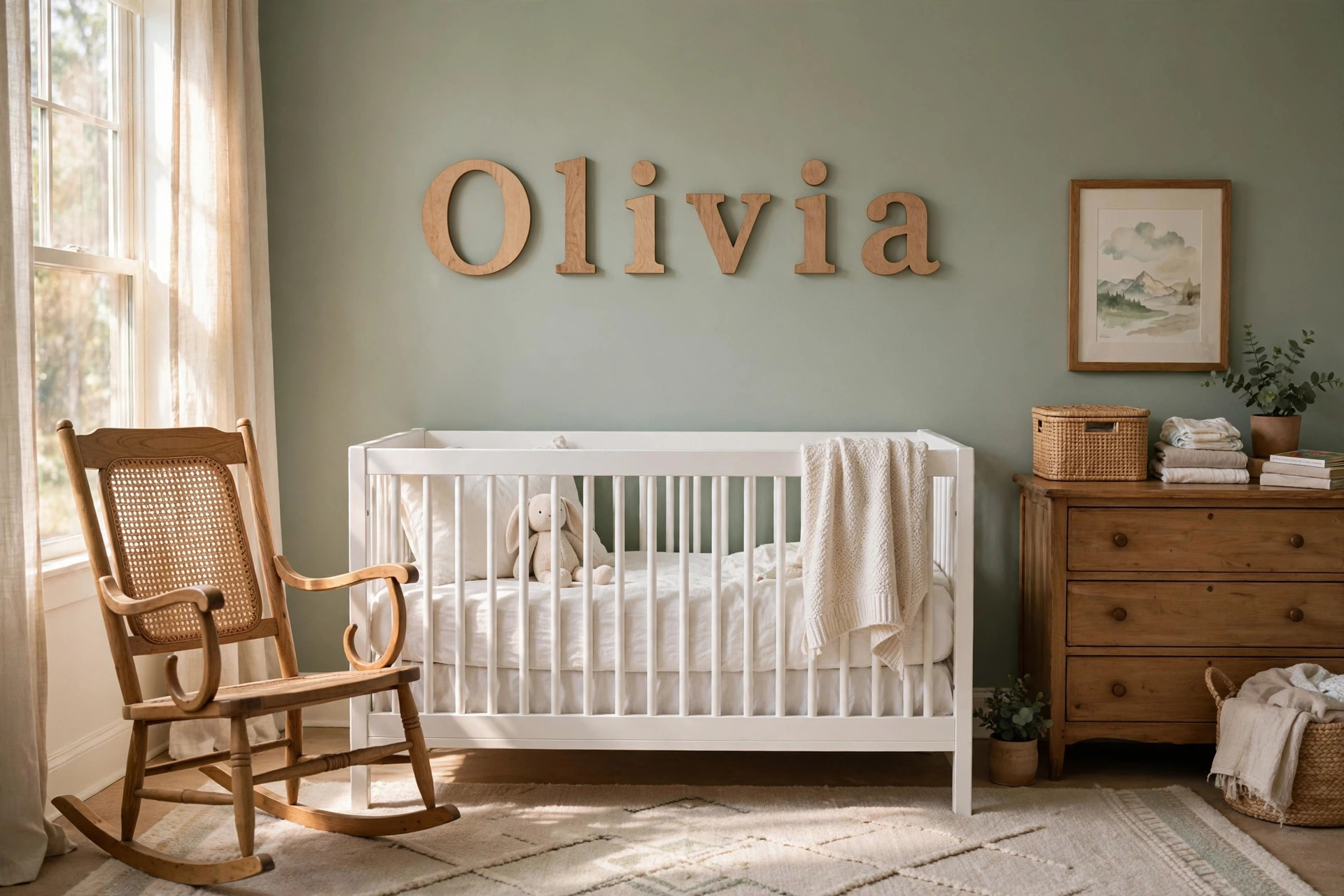

Decorating a nursery is one of the great joys of waiting for a child. Nursery wall letters personalized baby name displays have become one of the most loved touches in the modern nursery. A set of letters that spells out a child’s name turns a plain wall into the centerpiece of the room. It feels personal. It feels finished. And it gives the nursery a warmth that paint alone cannot give.
These letters come in many shapes, sizes, and materials. Some parents choose wood. Some choose felt. Some choose metal or acrylic. The name may hang above the crib or sit on a dresser. Wherever it goes, it makes the room feel like it belongs to the child who will live in it.
This guide walks you through the whole subject: why these letters matter, what to look for, the main types, the cost, the care, and the safety rules. By the end, you will be able to choose a set with full confidence.
Why Personalized Name Letters Matter in a Nursery
A nursery is more than a bedroom. It is the room where a family starts. A name on the wall marks that beginning. It tells the child, long before the child can read, that this room was made with love.
Names carry weight. Children respond to the sound of their own name very early. A name on the wall gives the space a focal point and ties the other decor together.
From a design point of view, a name display solves a common problem. Many parents find it hard to finish a nursery. The crib is in place. The walls are painted. Yet something feels missing. A personalized name display fills that gap and gives the wall purpose.
These letters also grow with the child. In the baby years, they sit above the crib. Later they may move to a bedroom wall. The letters become a keepsake that holds the memory of the nursery. And when grandparents visit, the name display introduces the child. It is a simple, proud statement.
What to Look for When You Choose Nursery Wall Letters: Nursery Wall Letters Personalized Baby Name
Size and Scale
The first choice is size. Letters come as small as three inches tall or as large as twelve inches or more. Small letters suit a dresser or a shelf. Large letters suit the wall above a crib.
Measure the wall first. A name with six letters at six inches each needs about three feet of wall, plus space between letters. Hold a tape measure on the wall before you buy. This simple step prevents most sizing mistakes. The letters should also match the room: tall letters can crowd a small nursery, and tiny letters can get lost in a large one.
Material and Finish
Wood is the most common choice. Wooden letters are sturdy, take paint well, and last for years. Pine, birch, and plywood are common. Solid wood costs more but lasts longer.
Felt letters are soft and light. They come in bright colors and give a cozy look. They are gentle to the touch and will not hurt if a child pulls them down.
Metal letters give a vintage or industrial feel. They are heavier and need strong mounting. They suit farmhouse or rustic themes.
Acrylic letters look modern. They come in clear, frosted, or colored styles, stay light, and wipe clean with ease. Fabric-covered letters match bedding sets and are soft and safe.
Color and Style
The color should fit the nursery. Neutral rooms often use white, gray, or natural wood letters. Bold rooms may use bright colors. Many parents match the letters to the bedding or the curtains.
The font matters too. Script fonts look elegant. Block fonts look clean and simple. Serif fonts look classic. Choose a font you will enjoy for years, and avoid fonts that are hard to read. The name should be easy for a growing child to sound out.
Mounting and Hanging
Check how the letters mount. Some have sawtooth hangers, some use adhesive strips, some have nail holes, and some stand on their own. Match the method to your walls. If you rent, choose letters that hang with removable strips. Also plan the height: letters above a crib must stay out of the baby’s reach.
Types of Nursery Wall Letters Personalized Baby Name Displays
Hanging Wooden Letters
These are the classic choice. Each letter hangs on its own hook or nail. You can space them evenly or hang them in a gentle curve. Wooden letters accept paint, stain, or paper. Many parents paint each letter a different color for a playful look.
Freestanding Shelf Letters
These letters have a flat base and stand on a dresser, shelf, or bookcase. They need no holes in the wall and are easy to move. They work well in rentals.
Felt or Fabric Name Banners
A banner spells the name across a string or ribbon. Felt letters hang from the string. These banners are light, soft, and easy to move from room to room. They fold flat for storage.
Framed Name Art
Some parents frame the name in a single large frame. This gives a finished, gallery look with one hook. Framed art pairs well with other nursery wall art sets for baby boy rooms and with peel and stick forest murals.
Lighted Letters
Marquee-style letters with small bulbs give a soft glow and work as a gentle night light. They pair well with a night light projector for the bedroom for a cozy evening feel. Keep cords far from the crib.
Vinyl Wall Decals
Vinyl letters stick flat to the wall. They cost less, need no hardware, and remove cleanly in most cases. They cannot be moved once placed, so measure twice before you stick them.
Cost and Price: What You Can Expect to Pay
Prices depend on material, size, and whether the letters are handmade or mass made.
Felt letters cost the least. A set for a short name may run between ten and twenty five dollars. Custom colors cost more.
Wooden letters fall in the middle. Simple unfinished wooden letters cost about two to five dollars per letter. A five-letter name may cost fifteen to thirty dollars. Hand-painted sets can cost fifty to one hundred dollars or more.
Metal and acrylic letters cost more, often forty to one hundred dollars a set. Framed name art ranges from thirty to over one hundred dollars. Lighted marquee letters run from fifty to one hundred fifty dollars.
Handmade letters from small shops cost more than factory letters. You pay for the craft and for custom choices. Many parents feel the extra cost is worth it for a keepsake.
Allow time and money for shipping. Custom letters often ship from small workshops. If the nursery must be ready by a due date, order early.
Retailers such as IKEA and Wayfair carry ready-made letters at many price points. Specialty shops such as Pottery Barn Kids offer premium nursery decor. Design sites like The Spruce and Apartment Therapy show style ideas for every budget.
Care and Upkeep
Nursery wall letters need little care. Dust wooden letters with a soft cloth. Do not soak them in water, which can warp wood and lift paint. A damp cloth is fine for a quick wipe; dry the letters right after.
Felt letters attract dust. A lint roller works well. Dab stains gently with a damp cloth. Do not rub hard, or the felt may pill.
Metal letters may rust if they get wet, so keep them dry. Acrylic letters scratch easily; clean them with a soft cloth and mild soap, and avoid harsh cleaners.
Check the mounting once or twice a year. Hooks loosen and adhesive strips weaken. A falling letter can chip or break. When the child starts to stand, check that letters above the crib are still out of reach. Move them up if needed.
Safety Rules for Nursery Wall Letters
Safety comes first in any nursery. Hang letters out of reach. A good rule is at least arm’s length above the crib rail when the mattress is at its highest. Babies pull and chew, so keep letters high.
Use safe mounting hardware. Heavy letters need wall anchors or studs. Test each letter with a gentle tug after you hang it. If it moves, fix it.
Choose non-toxic finishes. Babies put things in their mouths. Use paint and sealers made for children’s items, and look for labels that say non-toxic or child safe. Avoid lead paint and strong fumes. Let painted letters air out fully before hanging them.
Avoid small parts. Letters with glued-on beads, buttons, or gems can shed pieces. Small parts are a choking risk. Choose solid letters, or check that all decorations are fixed tight.
Watch cords. Lighted letters need power. Keep cords behind furniture and far from the crib. Battery lights remove this risk.
The Consumer Product Safety Commission offers clear nursery safety guides. HealthyChildren.org, run by pediatricians, gives trusted nursery safety advice. What to Expect covers nursery setup tips for new parents.
Design Ideas for Every Nursery Style
Match the letters to the room. Classic nurseries suit serif or script letters in white, cream, or soft gray, hung straight above the crib. Modern nurseries suit clean block letters in black, white, or natural wood.
Rustic or farmhouse rooms suit distressed wood or metal letters hung with a slight curve. Boho nurseries suit felt letters in warm colors with woven wall hangings. Storybook nurseries suit playful fonts with each letter painted a different soft color. Minimal nurseries suit small shelf letters or simple vinyl decals.
Design sites like HGTV offer photo galleries of nursery styles. Browsing them can spark ideas for your own room.
Where to Place the Name Letters
The most common spot is above the crib, centered, as the focal point of the room. A second good spot is above the dresser or changing table, which keeps letters far from the baby. A third choice is a feature wall with a gallery of small prints. A fourth is a shelf with freestanding letters, the easiest choice for renters. A fifth is the nursery door, where a small banner marks the room.
Common Mistakes to Avoid
Order early. Custom letters can take two to four weeks. Do not guess the size: cut paper to letter size and tape it to the wall to see the true scale. Think about which name the child will use for years before you order. Match the hardware to the weight of the letters. Always hang letters out of reach, test the mount, and use non-toxic paint. Hold paint swatches against the wall color so the letters fit the palette before you commit.
FAQ About Nursery Wall Letters Personalized Baby Name Displays
How high should I hang name letters above the crib?
Hang them out of reach of a standing child in the crib. For most cribs, the bottom of the letters should sit eighteen to twenty four inches above the top rail. When in doubt, go higher.
What is the best material for nursery wall letters?
Wood is the most popular: sturdy, easy to paint, and long lasting. Felt is the softest and lightest. Acrylic is the easiest to clean. The best material is the one that fits your style, your budget, and your safety needs.
Can I make the letters myself?
Yes. Buy unfinished wooden letters and paint them. Sand lightly, apply non-toxic primer, paint with child-safe paint, and seal with a non-toxic sealer. Let them dry fully before hanging.
How do I hang letters without damaging the walls?
Use removable adhesive strips rated for the weight of your letters. Clean the wall first and press the strips firm. Test one strip in a hidden spot first if you are unsure.
What if my baby’s name is long?
Use smaller letters, stack the name in two lines, or hang only the first name on the wall and frame the full name on the dresser. A long name can still look lovely with the right layout.
Do lighted letters work as a night light?
They can. Small marquee letters give a soft glow for feedings and diaper changes. But they should not be the only light. Pair them with a dimmable lamp or a night light projector for full coverage.
A Short Final Word
Nursery wall letters personalized baby name displays turn a room into a home for a new child. They are simple, personal, and they last far beyond the nursery years. Measure the wall, choose safe materials, and pick a style you love. When the letters go up, the nursery will feel complete.
References
American Academy of Pediatrics. (n.d.). HealthyChildren.org. https://www.healthychildren.org Apartment Therapy. (n.d.). Home design ideas and inspiration. https://www.apartmenttherapy.com HGTV. (n.d.). Home and garden ideas. https://www.hgtv.com IKEA. (n.d.). Home furnishings. https://www.ikea.com Pottery Barn Kids. (n.d.). Kids furniture and decor. https://www.potterybarnkids.com The Spruce. (n.d.). Home and garden advice. https://www.thespruce.com U.S. Consumer Product Safety Commission. (n.d.). Product safety information. https://www.cpsc.gov Wayfair. (n.d.). Furniture and home goods. https://www.wayfair.com What to Expect. (n.d.). Pregnancy and parenting guidance. https://www.whattoexpect.com
Was this guide helpful?

About Jennifer Lee
The My Garden US editorial team writes practical, in-depth home and garden guides for American homeowners — tested advice, no fluff.
You May Also Like
Best Kids Nightstand With Drawer for Bedroom
August 29, 2026 0 views
Kids Play Kitchen Set for Pretend Cooking: A Complete Buying Guide
April 25, 2026 0 views
Toddler Bed Rail for Convertible Crib Safety: A Parent’s Complete Guide
August 21, 2026 0 views