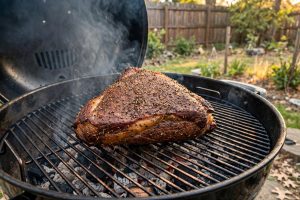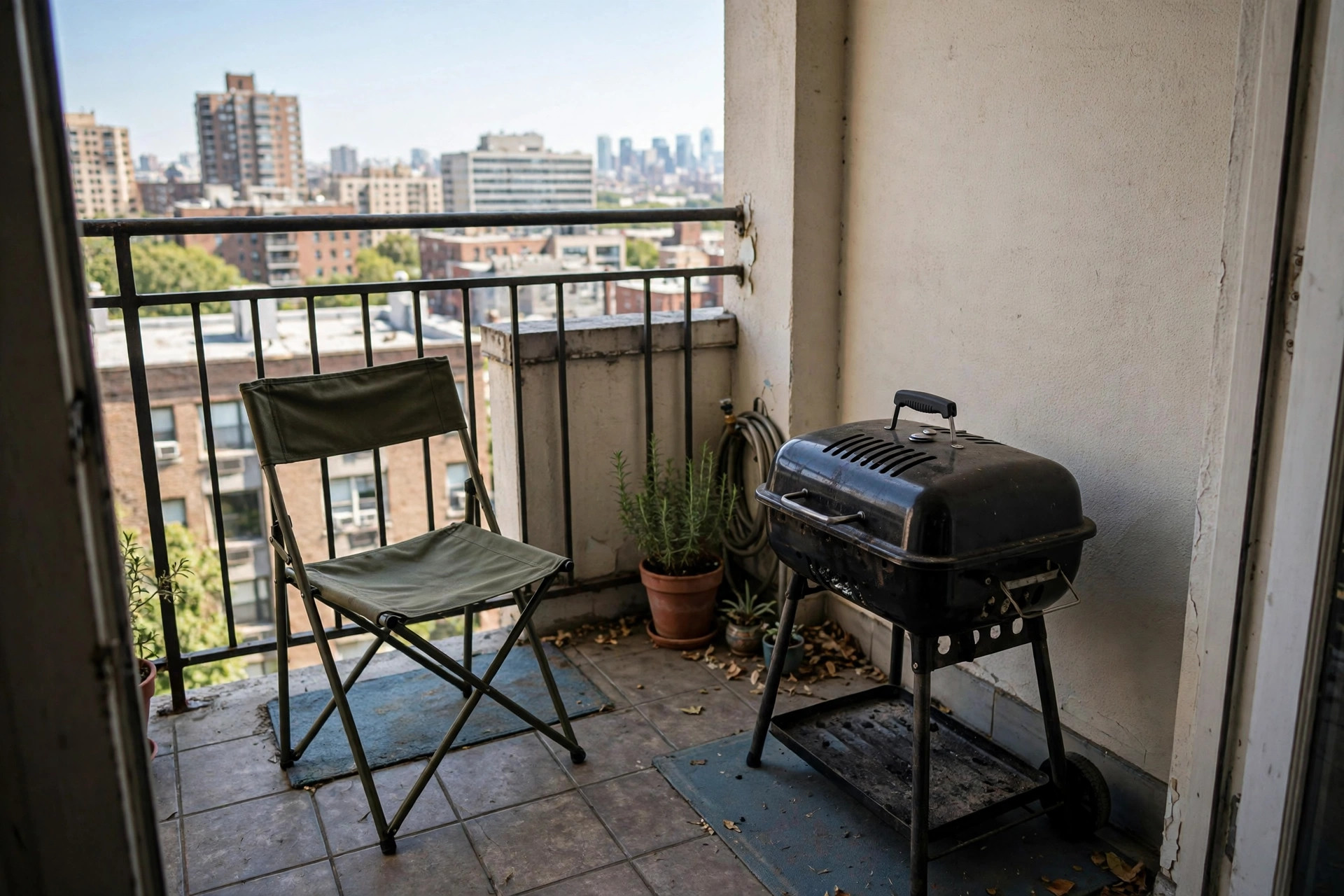

The best bbq for small balcony reviews help apartment dwellers pick a grill that fits a tiny outdoor space. Many people who live in apartments want to cook outside. They do not have a big yard. They have a small balcony, and they want to use it well. A good small grill can turn a plain balcony into a place for good meals and quiet evenings.
Reviews matter because not every grill works on a balcony. A grill that is fine in a yard may be too big, too smoky, or against the rules on a balcony. This guide looks at the main points the best bbq for small balcony reviews keep raising. It covers types of grills, safety rules, prices, and care. It also answers common questions.
Why a Small Balcony Grill Matters
A balcony is often the only outdoor space an apartment has. A small grill makes that space useful. You can cook burgers, chicken, fish, and vegetables with less mess in the kitchen. Cooking outside also keeps heat and smoke out of the home in warm months.
Small grills are built for tight spots. They weigh less. They take up less floor space. They still give enough cooking area for two to four people. For many buyers, that is enough. Reviews often note that a well made small grill cooks just as well as a large one. Size of the body does not decide the taste of the food.
There is also the matter of cost. A small grill costs less than a full size model. It uses less fuel. It needs less storage space in winter. These points show up again and again in the best bbq for small balcony reviews.
What to Look For When You Choose: Best Bbq for Small Balcony Reviews
Size and Shape
Measure your balcony first. Leave room to walk around the grill. Leave room for a small table and a chair if you can. Most balcony grills are between 100 and 200 square inches of cooking space. That is enough for a family meal. A round kettle style grill takes up more floor space than it seems. A small rectangular grill often fits better against a rail.
Fuel Type
Balcony grills run on three main fuels: electric, gas, and charcoal. Electric grills plug into an outlet. They make almost no smoke. They are allowed on many balconies where other grills are not. Gas grills use small propane tanks or a natural gas line. They heat fast and cook well. Charcoal gives the classic smoky taste, but it makes real smoke and live sparks. Many apartment rules ban charcoal. Check your rules before you buy.
Heat Control
Good heat control makes good food. Look for a grill with a clear dial or vent system. Electric models often have a simple knob. Gas models have one or two burners. Charcoal models use air vents. The Consumer Reports testing pages discuss how steady heat matters more than high heat.
Build Quality
A grill lives outside. It faces rain, sun, and wind. Stainless steel and coated steel last longer than thin painted metal. Check the legs and wheels. A wobbly grill is a danger on a high balcony. Read the Weber and Char-Broil product pages to see how makers describe their materials.
Types of Balcony BBQs
Electric Grills
Electric grills are the most common pick for balconies. They produce little smoke. They do not need a fuel tank. They heat with a coil under the grate. Many models have a lid that traps heat for even cooking. They are easy to clean. Their main limit is power. A standard outlet gives less heat than gas or charcoal. Still, for burgers, chicken, and vegetables, they do the job. Reviews often rate them high for apartment use.
Small Gas Grills
Small gas grills use a one pound propane tank or a small refillable tank. They heat in minutes. They reach high heat for searing steaks. Tabletop gas grills sit on a sturdy table. Stand up models have legs and fold for storage. Gas is banned on some balconies, so check first. Where it is allowed, many cooks prefer it. The Napoleon and Broil King sites show compact gas models made for small spaces.
Charcoal Grills
Small charcoal grills give the deepest smoke flavor. They are cheap. They are simple. A small kettle or a portable hibachi fits on many balconies. The problem is smoke and sparks. Smoke drifts into open windows and annoys neighbors. Sparks are a fire risk. Many leases and city codes forbid charcoal on balconies. If you want to learn the craft, read how to smoke ribs on charcoal grill for the basics, but keep it to a yard, not a balcony.
Pellet and Kamado Options
Pellet grills burn wood pellets and give real smoke with easy control. They are usually too large for a balcony, and small tabletop models are still new. Kamado cookers, like the ones from Big Green Egg, hold heat very well. They are heavy and costly. Most reviewers do not suggest them for a first balcony grill.
Cost and Price Ranges
Small balcony grills span a wide price range. A basic electric grill can cost between 60 and 120 dollars. A mid range model with better heat control runs 120 to 250 dollars. Small gas grills often fall between 100 and 300 dollars. High end compact gas models can pass 400 dollars.
Price is not the only cost. Gas needs propane tanks. Electric needs power, which shows on the bill. Charcoal needs bags of fuel and starter. Covers, brushes, and tools add more. Plan for 30 to 60 dollars in extras in the first year. The Home Depot grill section lists prices across many brands for easy comparison.
Reviews warn against the cheapest models. Very cheap grills rust fast. Their heat is uneven. Their parts break. A grill in the middle of the price range often lasts three to five years with care. That is a better value than replacing a cheap one each year.
Care and Upkeep
Care is simple but it must be regular. Brush the grate while it is still warm after each cook. Food comes off easy when warm. Wipe the outside with a damp cloth. Empty grease trays often. Grease build up is a fire risk, and it smells bad on a small balcony.
Cover the grill when not in use. A fitted cover keeps rain off the metal. It slows rust. Check the cover each spring for tears. Store the grill indoors in winter if you can. Cold and snow shorten the life of any grill.
For gas grills, check the hose and fittings each season. Look for cracks. Smell for leaks before you light it. For electric grills, keep the cord dry and check it for damage. For charcoal grills, empty ash after every use. Ash holds moisture and eats metal. Guides at The Spruce Eats give step by step cleaning methods.
Good care also protects the building. A clean grill smokes less. It drips less grease on the floor below. Neighbors notice. Building managers notice too. A well kept grill is less likely to draw complaints.
Safety on a Small Balcony
Safety comes first on a balcony. Fire spreads fast in apartment buildings. Many cities have clear rules about grills on balconies. Some ban all open flames. Some allow electric only. Some set a distance from walls and rails. Read your lease. Read your city code. Ask the building manager in writing if you are unsure.
Keep the grill away from the wall and the rail. Never leave a lit grill alone. Keep a small fire extinguisher near the balcony door. Keep children and pets away from the hot grill. Let the grill cool fully before you cover it or move it.
Smoke is the other issue. Even a legal grill can cause trouble if smoke pours into a neighbor’s window. Cook at times when windows are often closed. Use a lid to cut smoke. Trim fat from meat to reduce flare ups and smoke. The Consumer Reports grill safety guides give plain safety steps.
Wind matters on high balconies. Wind can blow a light grill over. It can blow heat onto a wall. Use a grill with a low center and solid legs. Place it where the building blocks the worst wind. Never grill in a strong storm.
What Reviews Agree On
Across many of the best bbq for small balcony reviews, the same points repeat. Electric grills win for ease and rule friendly use. Small gas grills win for heat and taste where they are allowed. Charcoal wins for flavor but loses on rules and smoke. Reviewers praise simple controls, solid legs, and easy cleaning. They complain about thin metal, weak heat, and wobbly stands.
Sites like AmazingRibs.com test how grills really cook, not just how they look in the store. Traeger shows what pellet cooking offers, even if it suits yards more than balconies. Reading several reviews side by side gives a fuller picture than any single review.
Getting More From Your Small Grill
A small grill can do more than burgers. Try fish in a basket. Try corn with the husk on. Try sliced peppers and onions. A grill pan holds small items that would fall through the grate. A cast iron plate gives a flat sear on a gas or electric grill.
Plan the meal so everything finishes together. Thin foods cook fast. Thick chicken takes time. Start the slow items first. Rest meat a few minutes before cutting. It stays juicy.
Good sauce and seasoning lift simple food. For pulled pork made on a larger smoker, see best bbq sauce for pulled pork. On a balcony grill, a simple dry rub of salt, pepper, and paprika works well on chicken and pork.
If you dream of a bigger rig one day, read best offset smoker under 500 dollars to see what a yard setup costs. For now, a small balcony grill teaches the same core skills: heat control, timing, and patience.
FAQ
Are grills allowed on apartment balconies?
It depends on your lease and your city. Many buildings ban charcoal and limit gas. Electric grills are allowed in more places. Always read your lease and ask the manager before you buy.
What is the best fuel for a small balcony grill?
Electric is the safest and most rule friendly choice. Gas gives better heat where it is allowed. Charcoal gives the best smoke flavor but is banned on many balconies. Pick the fuel your building allows.
How much cooking space do I need?
For two people, 100 to 150 square inches is enough. For a family of four, look for 150 to 200 square inches. More space sounds nice, but it also means a bigger body on a small balcony.
Can I use a small gas grill with a one pound tank?
Yes. Most tabletop gas grills take one pound tanks. They are easy to store. They last for several cooks. Check the tank for rust and date marks before use.
How do I keep smoke down?
Use a lid. Trim fat. Cook at steady medium heat instead of high heat. Avoid sugary sauces that burn and smoke. Clean the grate and grease tray often.
Do I need a cover?
Yes. A cover is cheap and it adds years to a grill’s life. Rain and sun break down metal and plastic. Cover the grill every time it cools down.
A Short Final Word
The best bbq for small balcony reviews point to a simple truth. The right grill is the one that fits your space, follows your rules, and gets used often. Measure first. Check the rules. Pick a fuel you can live with. Buy the best build you can afford. Care for it each time you cook. Do these things, and a small balcony can give big flavor for years.
References
AmazingRibs.com. (n.d.). Barbecue and grilling science. https://www.amazingribs.com Big Green Egg. (n.d.). Kamado grills and outdoor cooking. https://www.biggreenegg.com Broil King. (n.d.). Gas and charcoal grills. https://www.broilkingbbq.com Char-Broil. (n.d.). Gas and charcoal grills. https://www.charbroil.com Consumer Reports. (n.d.). Product reviews and ratings. https://www.consumerreports.org Napoleon. (n.d.). Fireplaces, grills, and heating products. https://www.napoleon.com The Home Depot. (n.d.). Home improvement products. https://www.homedepot.com The Spruce Eats. (n.d.). Recipes and cooking guides. https://www.thespruceeats.com Traeger. (n.d.). Wood pellet grills. https://www.traeger.com Weber. (n.d.). Grills and outdoor cooking. https://www.weber.com
Was this guide helpful?

About James Carter
The My Garden US editorial team writes practical, in-depth home and garden guides for American homeowners — tested advice, no fluff.
You May Also Like
The Best Portable Pellet Grill for Tailgating: A Plain Guide for Game Day
February 6, 2026 0 views
Best Electric Grill for Apartment Balcony: A Practical Guide
May 25, 2026 0 views
How to Season New Smoker Before Use
May 3, 2026 0 views