---
Table of Contents
Table of Contents
- How to Protect Hands While Handling Hot Coals: Why Hot Coals Are So Dangerous
- Choosing the Right Gloves
- Tools That Keep Hands Away From Heat
- Safe Habits Around Hot Coals
- Lighting Safely
- Cleanup Safety
- Storing Your Safety Gear
- What to Do If You Get Burned
- Frequently Asked Questions
- What kind of gloves should I use for handling hot coals?
- Can I touch hot coals with grilling gloves?
- How long do coals stay hot after grilling?
- Are leather welding gloves good for grilling?
- References
Charcoal grilling means handling fire. You will adjust vents, move grates, reposition coals, and lift hot lids. Every one of those moves puts your hands near heat that can burn in seconds. Knowing how to protect hands while handling hot coals is not about being timid. It is about staying in the game. A burned hand ruins the cookout and can take weeks to heal. This article explains how to protect hands while handling hot coals in simple terms.
This guide covers the right gloves, the right tools, and the habits that keep your hands safe around hot coals.
For grill gear generally, best BBQ gloves for handling hot meat and best grill gloves heat resistant reviews compare specific products. And charcoal grill for beginners guide covers fire basics for new charcoal cooks.
How to Protect Hands While Handling Hot Coals: Why Hot Coals Are So Dangerous
When it comes to how to protect hands while handling hot coals, getting the details right makes all the difference.
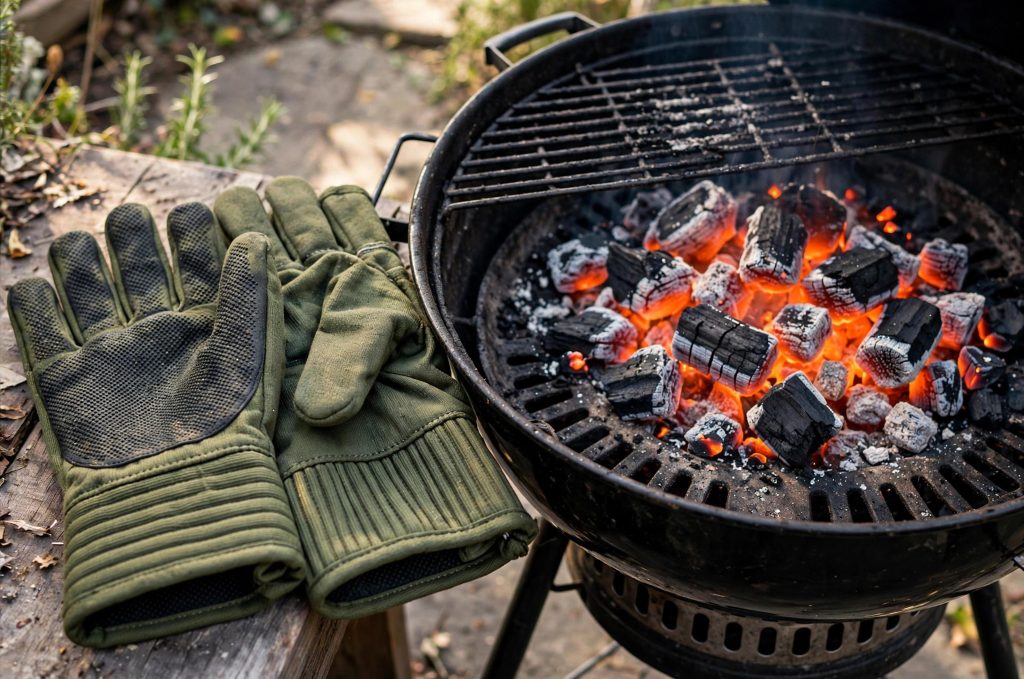
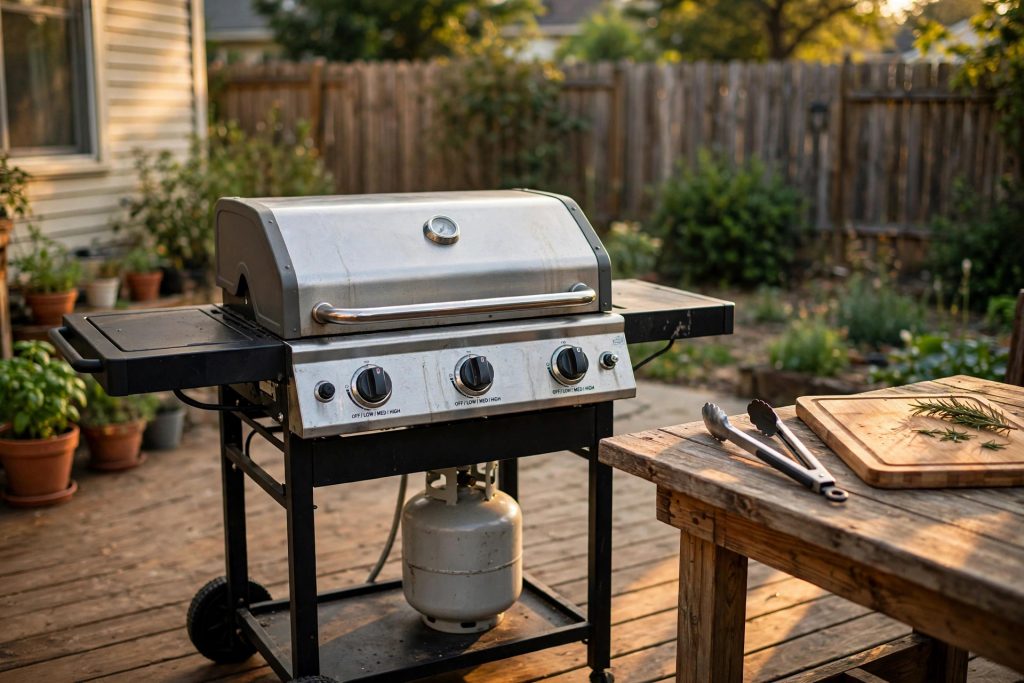
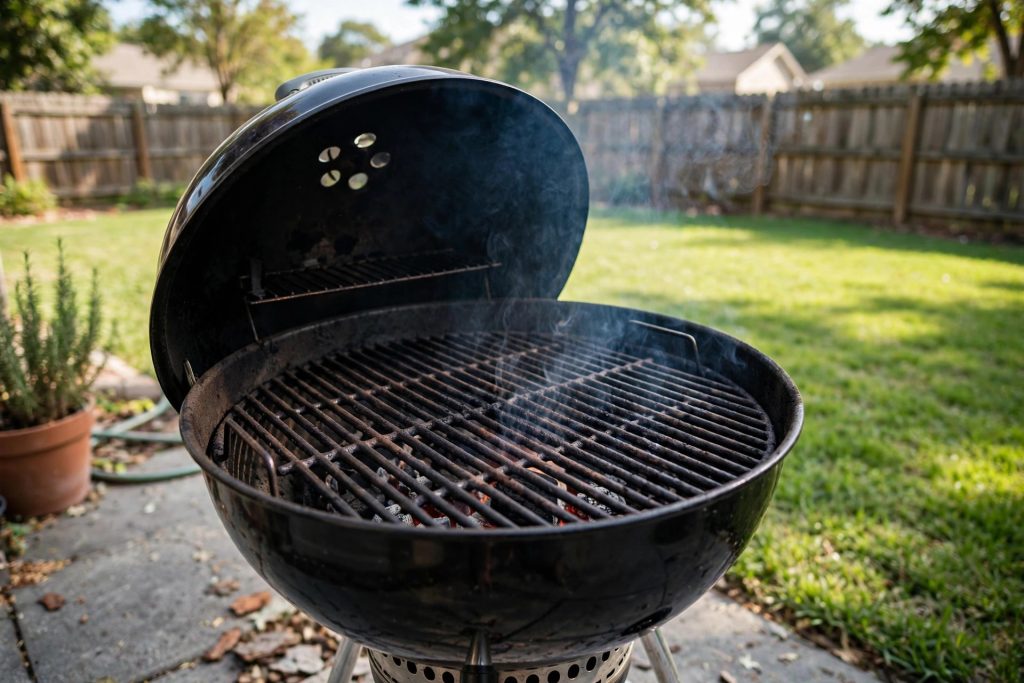
Many homeowners find that how to protect hands while handling hot coals is easier than they expected once they know the basics.
Charcoal burns far hotter than most people expect. A bed of lit coals can reach temperatures well above what kitchen ovens produce. The danger is not just the direct touch. Radiant heat from a pile of coals can burn skin held too close for too long, and a sudden flare-up can catch an unprotected hand before you react.
Coals also stay dangerous long after cooking ends. A coal buried in ash can hold enough heat to cause a serious burn hours later. The BBQ House charcoal safety guide stresses wearing heat-proof gloves even during cleanup, when the fire looks dead but is not.
Choosing the Right Gloves
Many homeowners find that how to protect hands while handling hot coals is easier than they expected once they know the basics.
The key to how to protect hands while handling hot coals is choosing the right approach for your space and budget.
Not all heat gloves are equal. Here is what matters:
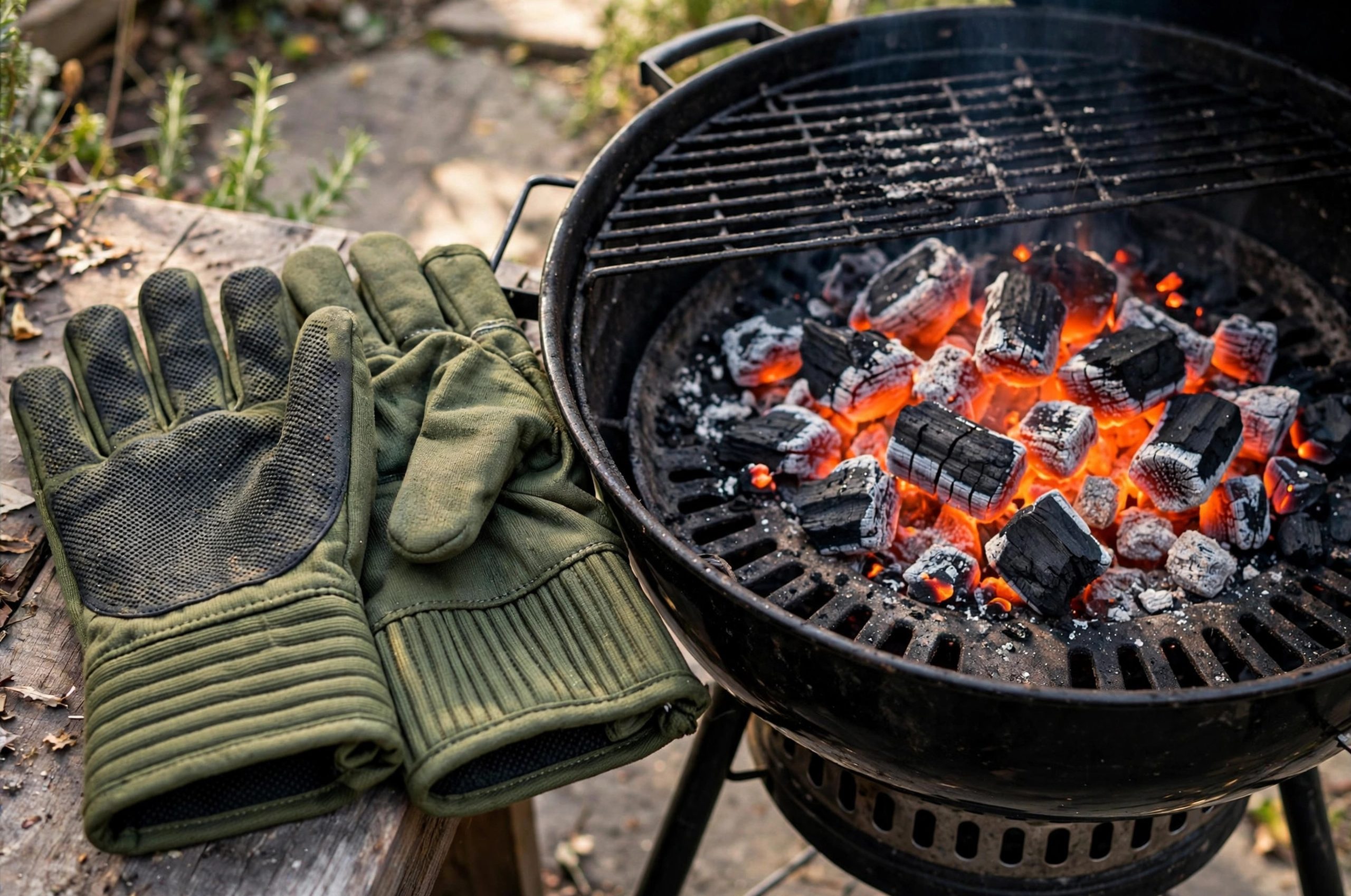
Heat rating. Look for gloves rated for the temperatures you will face. Good grilling gloves handle brief contact with very hot surfaces. Aramid fabric gloves (the same family of material used in fire gear) resist heat well and stay flexible. Leather welding-style gloves handle extreme heat but are stiffer.
Length. Short gloves leave your wrists and forearms exposed. When you reach over a hot grill or into a smoker, long cuffs that cover the forearm prevent the burns that short gloves miss. Extended cuffs are one of the most praised features in pitmaster reviews, like those collected at BBQ for Freedom.
Grip. Silicone grip patterns on the palms and fingers keep hot, greasy items from slipping. A dropped chimney of lit coals is far more dangerous than a slightly warm grip. Textured silicone is worth seeking out.
Fit and dexterity. Gloves you cannot work in are gloves you will not wear. Look for gloves with separate fingers rather than mitts when you need to handle tongs, adjust vents, or turn small items. Try them on if you can. A glove that fits well protects better because it does not slip or bunch.
What to avoid. Regular kitchen oven mitts are not enough for direct coal contact. They are made for brief oven use, not for grabbing hot metal over a fire. Thin cotton gloves offer almost no protection. And any glove with melted or damaged spots should be replaced. Damaged heat protection is worse than none, because it gives false confidence.
Tools That Keep Hands Away From Heat
The key to how to protect hands while handling hot coals is choosing the right approach for your space and budget.
With a little planning, how to protect hands while handling hot coals can fit even a busy schedule.
Gloves are the last line of defense. Tools are the first. The less your hands go near the coals, the safer you are.
Long tongs. Sixteen-inch tongs let you move coals, adjust the grate, and turn food without reaching over the fire. They are the single most-used safety tool in charcoal grilling.
A coal rake or ash tool. A long metal rake moves coals around, spreads them for even heat, or piles them for searing, all from a safe distance. The BBQ House guide lists long ash tools among the essential safe-handling gear.
A chimney starter with a heat shield. A good chimney has a handle set away from the heat and often a heat shield. Pour with the handle, keep your body to the side, and wear gloves anyway.
Long-handled brushes and spatulas. Every tool you use over a charcoal fire should have a long handle. Short tools force your hands into the heat zone.
Safe Habits Around Hot Coals
With a little planning, how to protect hands while handling hot coals can fit even a busy schedule.
Before you start, it helps to understand how how to protect hands while handling hot coals works in real homes.
Wear the gloves before you need them. Put gloves on before you open the grill, not after you feel the heat. Most burns happen in the unguarded seconds of an unplanned move.
Plan your moves. Before you lift the lid or reach in, know what you are going to do. Hesitation with your hand over hot coals is how burns happen. Decide, then move with purpose.
Keep water nearby. A bucket of water or a hose within reach handles small flare-ups and gives you a place to cool a minor burn fast. For a burn, cool running water is the right first response. Seek medical care for anything more than a small reddened area.
Never move lit coals by hand, even with gloves. Use tongs or a metal scoop. Gloves protect against brief contact and radiant heat, not against holding a burning coal.
Watch for flare-ups. Dripping fat can ignite suddenly. Keep your face and hands out of the direct path above the grill when flare-ups are likely, such as right after placing fatty meat on the fire.
Keep kids and pets back. Set a clear boundary around the grill, at least three feet, and enforce it. Children are drawn to fire and do not judge heat well.
Lighting Safely
Before you start, it helps to understand how how to protect hands while handling hot coals works in real homes.
A good plan for how to protect hands while handling hot coals saves time, money, and frustration.
How you light the coals sets the safety tone for the whole cook. Use a chimney starter with newspaper or natural fire starter cubes. Never use gasoline, kerosene, or other accelerants. If you use lighter fluid at all, apply it only to cold, unlit charcoal, stand back, and wait before lighting. Never add fluid to lit or hot coals.
Light the chimney on the grill grate or on a fire-safe surface, away from anything flammable. Let the coals ash over fully before pouring. A chimney of half-lit coals poured too early makes more smoke and unpredictable heat.
Cleanup Safety
A good plan for how to protect hands while handling hot coals saves time, money, and frustration.
For most people, how to protect hands while handling hot coals comes down to a few smart choices.
The cook is over, but the danger is not. Coals can stay hot enough to burn for many hours. Close the grill vents to starve the fire of oxygen and let the coals die completely. Do not dump ash until you are certain everything is cold. Stir the ash with a metal tool and check for any glowing embers first.
Wear your heat gloves during cleanup. Handles, grates, and ash tools hold heat longer than you think. Dump cold ash into a metal container, never a plastic bag or a paper sack. Store the metal ash can away from the house, the deck, and anything flammable until trash day.
Storing Your Safety Gear
For most people, how to protect hands while handling hot coals comes down to a few smart choices.
Keep your gloves, tongs, and coal tools together in one spot near the grill. Gear that is easy to grab gets used. Gear buried in the garage does not. A hook on the side of the grill or a small bin by the back door works well.
Inspect gloves regularly. Look for thin spots, melted areas, cracked silicone, or stitching coming apart. Replace gloves at the first sign of real wear. Heat protection degrades, and old gloves fail without warning.
Wash fabric gloves according to the maker's instructions. Grease-soaked gloves protect less well and can catch fire more easily. Clean gear is safe gear.
What to Do If You Get Burned
If you are new to how to protect hands while handling hot coals, start with the simplest option and build from there.
Even careful grillers get burned sometimes. For a minor burn: cool it under running water for several minutes, cover loosely with a clean bandage, and avoid popping any blisters. For larger burns, burns on the face or hands that blister heavily, or any burn that looks deep, seek medical care promptly. Do not put butter, oil, or ice directly on a burn.
Prevention beats treatment every time. Gloves on, tools long, moves planned.
Frequently Asked Questions
When it comes to how to protect hands while handling hot coals, getting the details right makes all the difference.
What kind of gloves should I use for handling hot coals?
Use heat-resistant grilling gloves made from aramid fabric or heavy leather, with long cuffs that cover your forearms and silicone grip on the palms. Regular oven mitts are not enough for direct coal work.
Can I touch hot coals with grilling gloves?
Brief contact is fine with good gloves, but do not hold burning coals. Use tongs or a metal scoop to move coals. Gloves are for protection against heat and slips, not for carrying fire.
How long do coals stay hot after grilling?
Coals can stay hot enough to burn for several hours, and buried embers can survive even longer. Always assume coals are hot until you have confirmed they are cold, and wear gloves during cleanup.
Are leather welding gloves good for grilling?
Heavy leather gloves handle extreme heat well and are a solid budget option, but they are stiffer than aramid fabric gloves and offer less dexterity. Either type beats regular oven mitts for coal work. That is all it takes to handle how to protect hands while handling hot coals with confidence.
References
Many homeowners find that how to protect hands while handling hot coals is easier than they expected once they know the basics.
- BBQ House. (n.d.). Extinguish charcoal after cooking: Safe BBQ tips & tools. https://bbqhouse.shop/projects/how-to-extinguish-charcoal/
- BBQ for Freedom. (n.d.). Ultra-grip fire safety mitts. https://shop.bbqforfreedom.com/products/bbq-grill-gloves-1472-f-heat-resistant-barbecue-gloves-oven-mitts-for-kitchen-bbq-grilling-and-outdoor-cooking-campfire-fireplace-accessories-1-pair-13-inch-long-oven-gloves-with-fingers-xl
- OZK Customs. (n.d.). Charcoal management tools. https://www.ozkcustoms.com/recreational-vans/charcoal-management-tools/
- The Kettle Guy. (n.d.). How to use a charcoal grill: Ultimate guide. https://www.thekettleguy.com/how-to-use-a-charcoal-grill-ultimate-guide/
- Tasting Table. (n.d.). Yes, you can (and should) reuse charcoal. https://www.tastingtable.com/2200976/can-you-reuse-charcoal/
- Briles Oil and Gas. (n.d.). Is my grill tank safe to transport? https://www.brilesoilandgas.com/grill-tank-transport-safety/
- Weber. (n.d.). 57cm kettle charcoal barbecue setup: Low and slow cooking (snake method). https://www.weber.com/AU/en/grill-skills/mastering-charcoal/weber-kettle/57cm-kettle-charcoal-barbecue-setup-low-and-slow-cooking/weber-1632207.html
- Livingetc. (n.d.). How can I make my gas grill last longer? https://www.livingetc.com/advice/extend-life-of-a-grill
- The Manual. (n.d.). How to winterize your grill and make it last. https://www.themanual.com/food-and-drink/how-to-winterize-your-grill/
Was this guide helpful?

About My Garden US
The My Garden US editorial team writes practical, in-depth home and garden guides for American homeowners — tested advice, no fluff.
You May Also Like
Best Grill Cover for Weber Kettle: A Simple Buying Guide
August 27, 2026 15 views
How to Grill Corn on the Cob in Husks
October 20, 2026 17 views
How to Winterize Gas Grill for Storage: A Complete Fall Guide
August 22, 2026 14 views