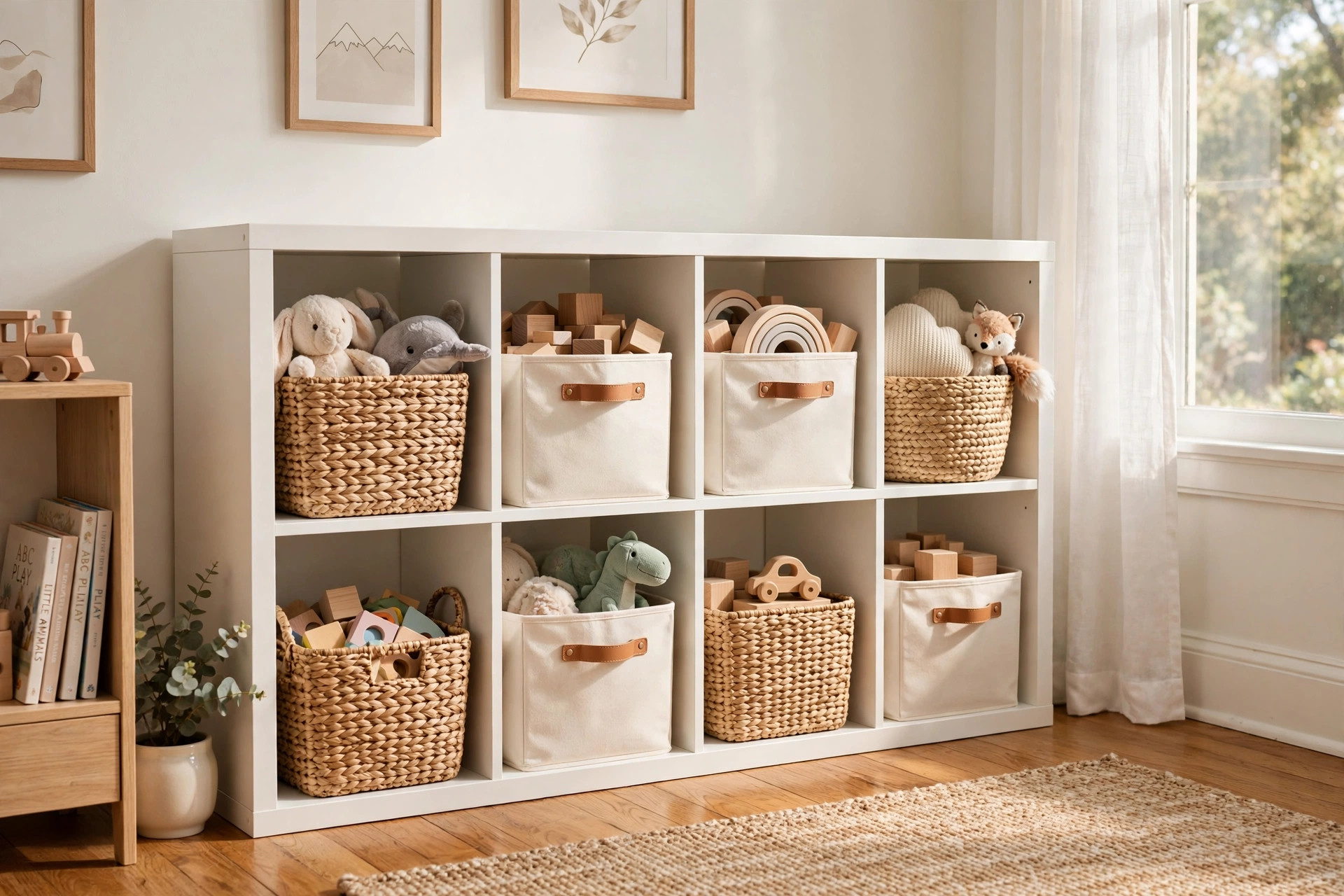

Toys bring joy to a home, but they also bring clutter. Blocks end up under the couch. Dolls pile up in the hall. Puzzle pieces hide in the strangest places. Luxury toy storage bins for american homes solve this problem with grace. They are not the thin plastic tubs sold at discount stores. They are well made bins that look good in a living room, a playroom, or a nursery. They keep toys out of sight while adding beauty to the room. This guide explains what makes a bin truly premium, what types exist, what they cost, how to care for them, and how to keep children safe. It is written for parents and grandparents who want order without giving up style.
Why Quality Toy Storage Matters
A neat room changes how a family feels. Children play better when they can find their toys. Parents rest easier when the floor is clear. Guests notice a tidy home. Good storage bins make cleanup a daily habit rather than a weekend chore. When bins look nice, they stay out in the open where children can reach them. That means toys go back where they belong.
Cheap bins break. The lids crack. The handles tear. The colors fade. Luxury toy storage bins for american homes are built to last for years. Strong stitching, thick canvas, real wood frames, and careful finishes set them apart. They hold heavy loads of blocks and books without sagging. They also match modern American interiors, from farmhouse to coastal to mid century styles. The extra cost pays for itself when one set of bins serves two or three children in a row.
Many families also use these bins beyond the playroom. They work in living rooms, dens, sunrooms, and even home offices that double as homework spaces. A premium bin blends into the room like furniture. It does not shout that it holds toys. Many guides on home order, such as those found on The Spruce, point out that storage which doubles as decor gets used more often than storage hidden away.
What to Look for When You Choose: Luxury Toy Storage Bins for American Homes
Materials and Build
The material decides how long a bin lasts and how it looks. Natural canvas and linen give a soft, calm look. Leather handles add a rich touch. Woven seagrass and rattan bring warmth. Solid wood frames with fabric liners feel like furniture. Acrylic and metal mesh offer a modern edge. Look for tight weaves, even seams, and firm corners. A good bin holds its shape when empty.
Size and Capacity
Toy bins come in many sizes. Small bins suit crayons and small cars. Medium bins hold dolls and action figures. Large bins swallow stuffed animals and building sets. Measure your shelf or cubby before you buy. Many American families use cube organizers with 11 or 13 inch openings, so bins made to fit those cubes are very handy. Deeper bins hold more but can hide small toys at the bottom.
Safety and Child Use
Bins meant for children should be light enough for small hands. They should have no sharp edges. Soft sided bins are safer than hard plastic for toddlers. Lids should lift off with ease or open with soft hinges that cannot pinch fingers. For more on toy safety rules in the United States, the Consumer Product Safety Commission offers plain guidance for parents.
Style and Finish
Luxury means the bin looks right in your home. Neutral tones like cream, gray, taupe, and natural wood fit most rooms. Some families prefer soft colors like sage green or dusty blue. Check that dyes and finishes are non toxic, since young children may mouth the edges of a bin. Retailers such as Pottery Barn Kids and IKEA show how premium toy storage can match real home decor.
Types of Luxury Toy Storage Bins
Woven and Rattan Bins
Hand woven bins made of seagrass, water hyacinth, or rattan are among the most popular luxury choices. They have a natural texture that warms up any room. They are sturdy and breathe well, which helps with damp toys. The weave should be tight and even. Loose strands can snag small fingers, so inspect each bin when it arrives. These bins suit living rooms and family rooms best.
Canvas and Fabric Bins
Heavy canvas bins with leather or rope handles are a classic. They come in many colors and patterns. They fold flat when not in use, which helps in small homes. Look for thick fabric, at least 12 ounce canvas, and reinforced corners. Some brands add a wire frame so the bin keeps its shape. Fabric bins are light, safe for toddlers, and easy to wash or wipe down.
Wood and Wood Frame Bins
Solid wood bins and crates give a furniture grade feel. Pine, oak, and acacia are common choices. They hold heavy toy collections without bending. Many have smooth sanded edges and rounded corners for safety. Wood bins can be stained or painted to match your decor. They are heavier than fabric bins, so place them where children do not need to lift them high.
Modular and Acrylic Bins
For a modern look, clear acrylic or metal frame bins show off tidy rows of toys. They suit playrooms with a clean, minimal style. Some systems stack or lock together so you can build a wall of storage. If you like the stacking idea, our guide to stackable toy storage bins for sale covers modular options in more depth. Independent testers like Consumer Reports often review storage systems for strength and ease of use.
Lidded Chests and Benches
Some families prefer a toy chest or a storage bench with a soft top. Children can sit on it, and toys hide inside. These pieces act as both seating and storage. A related idea is an ottoman with hidden space, and our article on where to buy ottoman storage benches in arizona shows how seating and storage can combine in one piece.
Cost and Price
Luxury toy storage bins cost more than basic plastic tubs, but the range is wide. A single premium fabric bin may cost between 25 and 60 dollars. Woven seagrass bins often run 40 to 90 dollars each. Solid wood bins and toy chests can cost 100 to 300 dollars or more. Sets of three or four matching bins are common and often give better value than buying one at a time.
Several factors set the price. Hand weaving costs more than machine sewing. Real leather handles cost more than rope. Solid hardwood costs more than pine. Brand name adds to the price, but so does real quality. Read reviews before you buy. Large retailers like Wayfair and Home Depot carry many brands at many price points, which makes comparison easy. Specialty shops like The Container Store focus on organization and often carry higher end lines.
Set a budget per room. A playroom may need six to ten bins. A living room may need only two or three that match the decor. Buying in stages is fine. Start with the bins you need most and add more later in the same style.
Care and Upkeep
Good care keeps luxury bins looking new for years. Dust woven bins with a soft brush each month. Wipe canvas bins with a damp cloth and mild soap. Never soak fabric bins, since water can weaken seams and cause mildew. Wood bins need only dusting and an occasional polish with a dry cloth. Keep bins out of direct sun, which fades colors over time.
Teach children to sort toys by type. One bin for blocks, one for dolls, one for art supplies. Labels help young readers. Picture labels work for toddlers who cannot read yet. A short monthly check keeps broken toys from piling up. Throw away or donate what no one plays with. Less stuff means less clutter.
If a bin will sit under a bed or in a damp basement, think about moisture. Our waterproof under bed storage containers buying guide explains how to protect stored toys from damp air. For daily playroom use, though, breathable fabric and woven bins are the better choice.
For step by step ideas on keeping any room tidy, Apartment Therapy and Family Handyman both publish plain, practical organization guides that families can follow.
Safety First
Safety matters more than style. Check that bins have no loose parts a child could swallow. Avoid bins with long cords or drawstrings near the neck area. Heavy lids on toy chests must have safety hinges that hold the lid open. A falling lid can hurt small fingers or heads.
Place large or heavy bins low so they cannot tip onto a child. Anchor tall storage units to the wall if a child might climb them. Keep bins with small parts, like beads or tiny building pieces, out of reach of children under three. Ventilation holes in lidded chests are a smart feature in case a child climbs inside.
Buy from sellers who follow American safety standards. Check for age labels and care tags. If a bin smells strongly of chemicals when unpacked, air it out for a day or two before letting children use it. When in doubt, choose simple designs with fewer moving parts.
Frequently Asked Questions
Are luxury toy storage bins worth the extra cost?
For most families, yes. Premium bins last longer, look better, and get used more often than cheap tubs. One set can serve several children. They also protect your home’s look, since they blend with your decor instead of clashing with it.
What size bin works best for a standard cube shelf?
Most cube organizers in American homes have openings of about 11 or 13 inches. Bins made for these cubes usually measure about 10 by 10 inches or 12 by 12 inches. Measure your own shelf first, since brands differ by half an inch or more.
How many bins does a playroom need?
Start with one bin per toy type. Most playrooms need six to ten bins. Sort toys into groups like blocks, dolls, cars, art supplies, puzzles, and dress up clothes. You can add more bins as the collection grows.
Can these bins work in a living room?
Yes. That is one of their main strengths. Choose bins in neutral colors with clean lines. They will look like decor, not toy storage. Woven and wood bins work best in living rooms.
How do I clean fabric toy bins?
Wipe them with a damp cloth and mild soap. Let them air dry fully. Do not put them in a washing machine unless the care tag says it is safe. Vacuum the inside now and then to catch dust and crumbs.
Where can I see premium options in person?
Large home stores and furniture shops often display toy storage on the sales floor. Seeing the size and feel in person helps you judge quality. Online photos can mislead on color and texture.
A Final Word
Luxury toy storage bins for american homes are a small change that brings big calm. They turn toy chaos into quiet order. They protect your floors, your decor, and your peace of mind. Choose strong materials, safe designs, and colors that suit your home. Sort toys by type, label each bin, and teach children where things go. In a short time, cleanup becomes quick and even pleasant. A tidy playroom is a gift to the whole family, and the right bins make it happen every single day.
References
Apartment Therapy. (n.d.). Home design ideas and inspiration. https://www.apartmenttherapy.com Consumer Reports. (n.d.). Product reviews and ratings. https://www.consumerreports.org Family Handyman. (n.d.). DIY home repair and maintenance. https://www.familyhandyman.com IKEA. (n.d.). Home furnishings. https://www.ikea.com Pottery Barn Kids. (n.d.). Kids furniture and decor. https://www.potterybarnkids.com The Container Store. (n.d.). Storage and organization products. https://www.containerstore.com The Home Depot. (n.d.). Home improvement products. https://www.homedepot.com The Spruce. (n.d.). Home and garden advice. https://www.thespruce.com U.S. Consumer Product Safety Commission. (n.d.). Product safety information. https://www.cpsc.gov Wayfair. (n.d.). Furniture and home goods. https://www.wayfair.com
Was this guide helpful?

About James Carter
The My Garden US editorial team writes practical, in-depth home and garden guides for American homeowners — tested advice, no fluff.
You May Also Like
Craft Room Storage Cabinets Reviews and Buying Guide
June 1, 2026 0 views
Top Rated Pantry Shelving Units for Sale: A Complete Buyer’s Guide
July 4, 2026 0 views
Corner Closet Organizers Reviews and Buying Guide
August 25, 2026 0 views