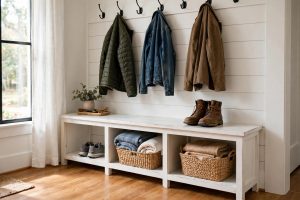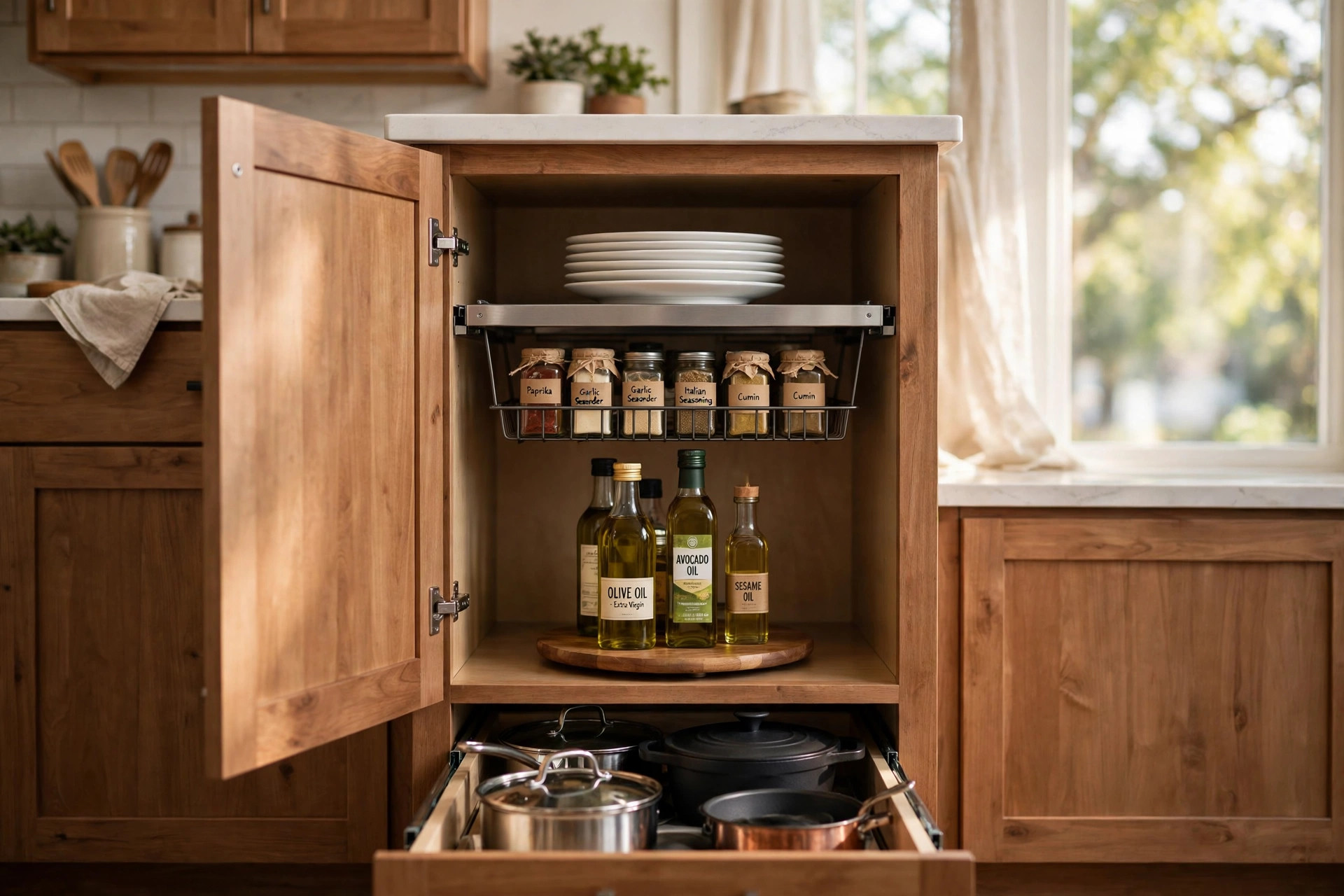

A tidy kitchen begins inside the cabinets. Behind most closed doors sits a mess. Plates stack too high. Pots nest in a heap. Small jars slide into dark corners and disappear. A kitchen cabinet organizers price comparison usa search shows that simple tools can fix this problem at a modest cost. This guide compares prices by type, material, and store. It also shows what to look for before you spend a dime. By the end you will know what each organizer should cost and where the best value lies.
Why a Price Comparison Matters
Kitchen organizers sell for five dollars at one store and forty at another. The two products can be nearly identical. Without a price check you may pay double for the same wire rack. A careful comparison protects your wallet. It also protects your kitchen.
Cheap organizers break fast. A thin plastic riser cracks under a stack of dinner plates. A flimsy pull-out tray bends under canned goods. You then buy a replacement and pay twice. A good comparison looks past the price tag. It weighs build quality, weight limits, and warranty terms.
Price comparison also helps you plan a whole kitchen. One cabinet may need only a fifteen dollar riser. Another may need a sixty dollar pull-out shelf. When you price each cabinet separately, the total stays honest. Many readers start this work while browsing the best kitchen cabinet organizers for American homes and then compare prices before they buy.
Online prices deserve a close look too. A product may list for twenty dollars with free shipping on one site and seventeen dollars with an eight dollar shipping fee on another. The true cost is the checkout total. Return policies matter as well. An organizer that does not fit is a wasted purchase unless the return is free and simple. Stores that take returns in person save you a trip to the post office.
How to Choose the Right Organizers: Kitchen Cabinet Organizers Price Comparison Usa
Measure Before You Buy
Pull out a tape measure. Write down the inside width, depth, and height of each cabinet. Note the door opening too. Many organizers fail because they are a quarter inch too wide. A shelf riser that does not clear the door is useless. Measure twice. Buy once.
Check the shelf pin holes. Adjustable shelves let you move the height. Fixed shelves limit your choices. Deep base cabinets waste space in the back. These are the best spots for pull-out trays. Corner cabinets with lazy Susans need round turntables that fit the shelf.
Know Your Cabinet Type
American kitchens use two main styles. Frameless cabinets, also called European style, have no front frame. They offer a wider opening. Face-frame cabinets have a wood frame around the front. The frame narrows the opening by an inch or more. Organizers sized for frameless boxes may not fit face-frame doors. Read the product box for the minimum door opening.
Door hinges matter as well. Soft-close hinges swing in a wide arc. An organizer mounted on the door must clear the hinge. Check the swing before you drill.
Match the Material to the Job
Plastic bins are light and cheap. They suit spices, packets, and lids. They can warp near heat, so keep them away from the oven cabinet. Coated wire steel is stronger. It holds pots, pans, and small appliances. Look for a thick coating with no sharp ends. Solid wood and bamboo cost more but look warm and last for years. Chrome plating shines but can chip in damp spots under the sink.
Weight ratings tell the truth. A riser rated for thirty pounds beats one rated for ten. Do not trust a photo alone. Read the spec sheet.
Types of Kitchen Cabinet Organizers and What They Cost
Shelf Risers and Under-Shelf Baskets
Shelf risers are small platforms that stack one shelf into two. They double the space for mugs, bowls, and canned goods. A basic metal riser costs eight to fifteen dollars. Bamboo models run fifteen to twenty five. Under-shelf baskets hook onto the shelf above and add a hanging layer. They sell for seven to eighteen dollars. These are the cheapest wins in the kitchen. One reader can fix three cabinets for under fifty dollars.
Pull-Out Trays and Roll-Out Shelves
Pull-out trays ride on metal slides. You pull the shelf toward you and see everything. They end the era of kneeling to reach the back of a base cabinet. Do-it-yourself kits cost twenty to eighty dollars per shelf. They screw into the cabinet floor. Heavy-duty versions with full-extension slides reach the top of that range. Custom-built roll-out shelves installed by a carpenter cost one hundred fifty to four hundred dollars each. The custom route fits odd sizes and carries a professional finish. The kit route suits renters and tight budgets. Kitchen planning guides from The Spruce show how to plan these upgrades room by room.
Lazy Susans and Turntables
A turntable spins so back items come forward. Round plastic models cost ten to eighteen dollars. Larger steel or wood versions run twenty to thirty five. Kidney-shaped models for corner cabinets cost twenty five to fifty. If your corner cabinet already has a built-in lazy Susan, a small add-on tier costs under fifteen dollars. Readers who want a deeper look can see our notes on rotating lazy Susan turntables for corner storage ideas.
Door-Mounted Racks, Lid Holders, and Pan Organizers
The inside of a cabinet door is free space. Narrow racks hold spices, wraps, and cutting boards. They cost seven to twenty dollars. Lid holders keep pot lids upright and sell for eight to eighteen. Vertical pan organizers slide under the sink or in a base cabinet for twelve to twenty five dollars. These small tools add up fast. Buy them after the big pieces are in place. DIY sizing tips from Family Handyman help you mount them without splitting the door.
Cost and Price Ranges: Where the Deals Are
The table below shows typical United States prices as of 2026. Prices move with sales, so treat these as ranges, not promises.
| Organizer type | Budget range | Mid range | Premium range | |—|—|—|—| | Shelf riser | $8–$12 | $13–$18 | $20–$30 | | Under-shelf basket | $7–$12 | $13–$18 | $19–$25 | | Pull-out tray kit | $20–$35 | $36–$55 | $60–$90 | | Lazy Susan turntable | $10–$15 | $16–$25 | $26–$40 | | Door-mounted rack | $7–$12 | $13–$18 | $20–$30 | | Pan or lid organizer | $8–$15 | $16–$22 | $25–$40 |
Big-box home stores carry the widest budget lines. Both The Home Depot and Lowe’s stock risers, trays, and turntables in store and online, which makes returns easy. Specialty storage retailers such as The Container Store charge more but offer stronger build quality and staff advice. IKEA sells simple, low-cost inserts that fit its own cabinet lines and many standard boxes. Online marketplaces like Wayfair and Amazon run frequent sales and carry hundreds of brands in one search.
A worked example helps. Picture a kitchen with eight cabinets. Two need only risers at twelve dollars each. Two deep base cabinets each get a forty five dollar pull-out kit. One corner cabinet gets a twenty dollar turntable. Two doors get fifteen dollar racks. That is twenty four plus ninety plus twenty plus thirty, or one hundred sixty four dollars. The same list at premium prices could reach three hundred. The comparison saves you over one hundred dollars for identical function.
Five rules keep the total low. First, buy multi-packs. A three-pack of risers often costs less per piece than three singles. Second, shop holiday weekends. Storage aisles join the big sales in January, July, and November. Third, compare the unit price, not the sticker. A forty dollar tray that lasts ten years beats a twenty dollar tray replaced twice. Fourth, start with the worst cabinet. One finished cabinet teaches you what you truly need. Fifth, keep receipts. Many stores accept returns for ninety days, so a wrong size is a small problem.
Small-space living blogs such as Apartment Therapy often feature renter-friendly organizers that need no tools. These ideas pair well with budget buys. For decorative storage in open areas, our guide to wicker storage baskets covers bins that look good on open shelves.
Care and Upkeep
Organizers need little care. Wipe plastic and coated wire with a damp cloth and mild soap. Dry them fully before you reload. Standing water rusts cheap steel in months. Wood and bamboo like a dry wipe and an occasional rub with mineral oil. Check screws twice a year. Slides loosen with daily use. A quick turn of a screwdriver keeps trays gliding.
Do not overload beyond the rating. A riser rated for twenty pounds will sag under forty. Distribute heavy pots low and light items high. Under the sink, choose rust-proof materials. Leaks happen. A plastic tray under the pipes catches drips and saves the cabinet floor.
Safety
Mounting hardware must bite into solid wood. Drywall screws and short nails pull out under weight. Use the screws that ship with the product. If a shelf feels wobbly, unload it at once and remount. Keep heavy items at waist height or lower. Lifting a cast iron pot from a high shelf strains backs and shoulders.
Under-sink organizers share space with cleaners. Store chemicals in a sealed bin away from food zones. Child locks belong on any cabinet that holds sharp tools or cleaners. Turntables spin freely, so keep little fingers clear of the edge. When in doubt, choose a simpler design with fewer moving parts.
Frequently Asked Questions
How much does it cost to organize an average kitchen? A ten-cabinet kitchen usually costs one hundred fifty to four hundred dollars in products. Three or four risers, two pull-out trays, a turntable, and a few door racks cover most needs. Custom carpentry can push the total past one thousand.
Are pull-out shelves worth the price? Yes, for deep base cabinets. They end lost items and sore knees. A forty dollar kit pays for itself in saved food and saved time. Measure first, because one wrong size wastes the savings.
What is the cheapest way to add cabinet space? Shelf risers and under-shelf baskets. For under fifty dollars you can double the usable space in three cabinets. They need no tools and fit almost any shelf.
Do organizers fit all cabinet brands? Most fit standard United States cabinet sizes. IKEA boxes use metric sizes and need IKEA inserts or careful measuring. Always check the minimum door opening on the package.
Plastic, wire, or wood: which lasts longest? Coated steel wire and solid wood last longest with normal use. Plastic works well for light items but can crack under heavy loads. Under the sink, plastic wins because it cannot rust.
Where should I start if my budget is tight? Start with the cabinet you open most. Fix it fully for under fifty dollars. Live with it for two weeks. Then copy what worked to the next cabinet. Step-by-step buying spreads the cost over months.
Final Word
A kitchen cabinet organizers price comparison usa check takes twenty minutes and saves real money. Measure your cabinets. Pick the right type for each space. Compare three stores before you buy. Spend a little more on the pieces that carry weight every day. Your cabinets will stay neat for years, and your budget will stay intact.
References
Amazon. (n.d.). Online shopping. https://www.amazon.com Apartment Therapy. (n.d.). Home design ideas and inspiration. https://www.apartmenttherapy.com Family Handyman. (n.d.). DIY home repair and maintenance. https://www.familyhandyman.com IKEA. (n.d.). Home furnishings. https://www.ikea.com Lowe’s. (n.d.). Home improvement products. https://www.lowes.com The Container Store. (n.d.). Storage and organization products. https://www.containerstore.com The Home Depot. (n.d.). Home improvement products. https://www.homedepot.com The Spruce. (n.d.). Home and garden advice. https://www.thespruce.com Wayfair. (n.d.). Furniture and home goods. https://www.wayfair.com
Was this guide helpful?

About Robert Taylor
The My Garden US editorial team writes practical, in-depth home and garden guides for American homeowners — tested advice, no fluff.
You May Also Like
Best Kitchen Cabinet Organizers for Texas Homes: A Plain Guide to Calm, Working Kitchens
April 3, 2026 0 views
Premium Over the Door Organizers for Cold Climates: A Practical Guide
March 1, 2026 0 views
Buy Mudroom Storage Benches Online in Arizona: A Plain Guide for Busy Homes
August 13, 2026 0 views