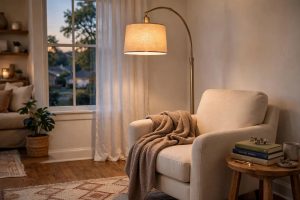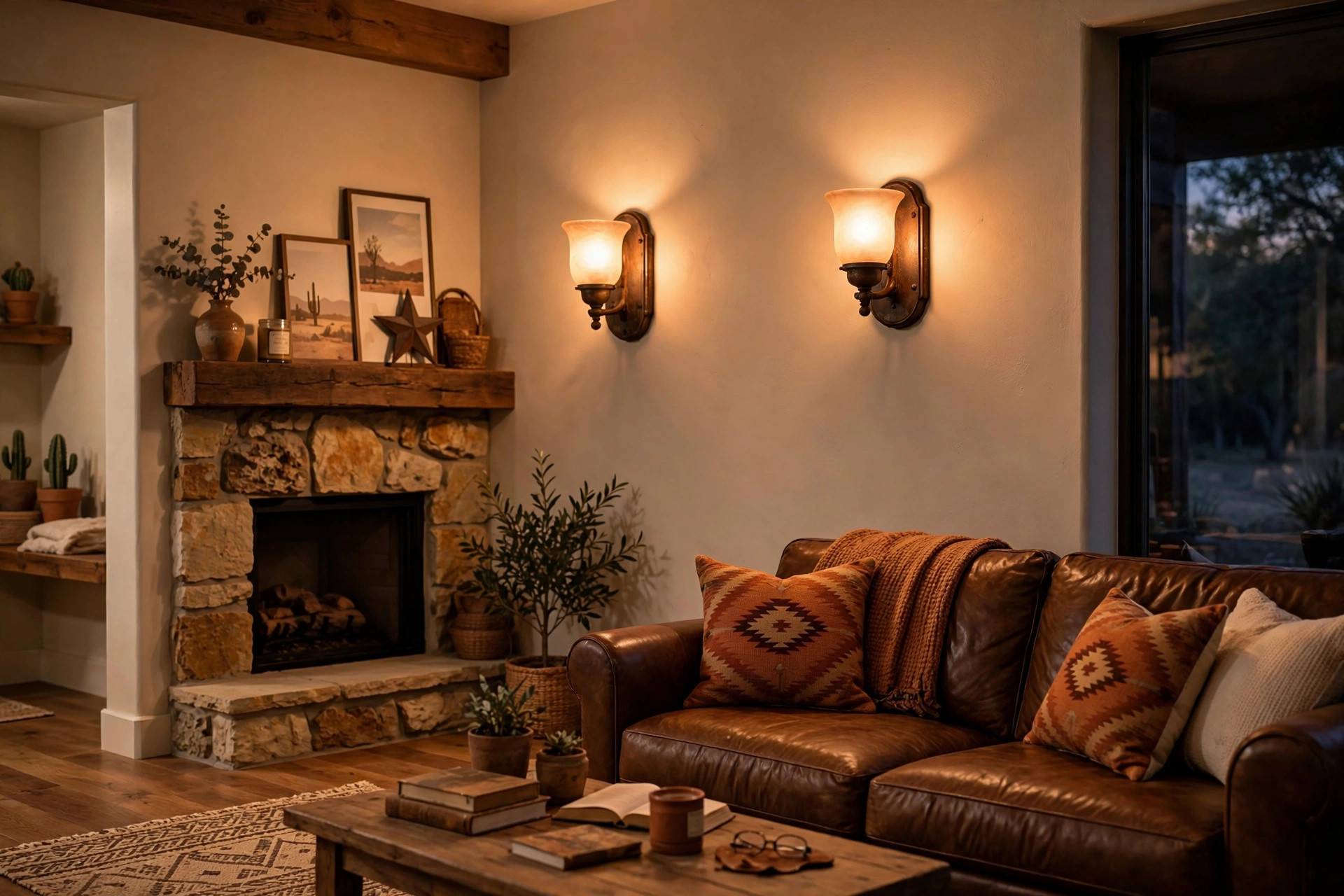

Indoor wall sconces texas homes usa is a search many home owners run when a room feels dark in the wrong places. A ceiling light throws light straight down. That leaves corners dim and faces in shadow. A wall sconce fixes that. It sits on the wall at eye level or above and spreads light across the room. The result is softer, calmer light. This guide explains indoor wall sconces for Texas homes in plain terms. You will learn what they are, where to put them, what they cost, and how to keep them safe. The advice fits homes across the USA, but it pays special attention to Texas homes, which range from old bungalows in Houston to new builds near Dallas and stone ranch houses in the Hill Country.
Why Indoor Wall Sconces Matter in a Texas Home
Texas homes are often large. Rooms can be wide, with high ceilings. A single ceiling lamp in the middle of such a room leaves the edges dark. People then add table lamps or floor lamps. Those work, but they take up space and need outlets. Indoor wall sconces solve the problem from the wall itself. They add light without taking floor space. They also raise the look of a room. A pair of matching sconces beside a mirror or a fireplace gives a finished, planned feel. That matters in homes that owners hope to sell one day.
Light also shapes mood. Warm light from a wall sconce makes a living room feel calm in the evening. It works well in halls too. Many Texas homes have long hallways. A row of small sconces keeps a hall bright without a harsh overhead glare. In a dining room, sconces on the walls let you turn off the bright ceiling light and eat by soft light. Bedrooms gain a lot as well. A sconce above each bedside table frees the table for books and a clock. Reading in bed is easier with light at shoulder height.
There is a practical side for Texas in particular. Summer heat is fierce, and Texans run air conditioning for months. LED bulbs in wall sconces give off very little heat. That helps keep a room cool. Older incandescent bulbs added heat to a room. New LED options do not. Many Texas buyers weigh wall sconces against kitchen track lighting for Texas homes when they plan a room’s full layout. Energy guides such as ENERGY STAR lighting explain how much power modern lamps save. The U.S. Department of Energy’s lighting resources give the same message. Light your home well and your bills stay lower.
What to Look for When You Choose Wall Sconces: Indoor Wall Sconces Texas Homes Usa
Start with the light itself. Look at brightness, color, and direction. Brightness is measured in lumens. For a hall or bedroom, 200 to 400 lumens per sconce is often enough. For a bathroom mirror or a reading corner, 500 to 800 lumens works better. Color is measured in kelvin. Warm white, about 2700 kelvin, feels like old-style bulb light. It suits living rooms and bedrooms. Cool white, about 4000 kelvin, feels crisp. It suits bathrooms and work areas.
Direction matters too. Some sconces throw light up, some throw it down, and some throw it both ways. Up-light sconces wash the ceiling with light and make a room feel taller. That suits Texas homes with high ceilings. Down-light sconces give a focused pool of light, good over a reading chair or beside a mirror. Many owners pick sconces that throw light both up and down. They give even light and look smart on a plain wall.
Think about the switch. A sconce wired to a wall switch is neat, but it needs an electrician if no box is in the wall. Plug-in sconces are easier. They hang on the wall and plug into a nearby outlet. Battery sconces need no wire at all, though you must change batteries. Many buyers now pick smart sconces or Wi-Fi smart bulbs that work with a phone app. That lets you dim the light from the couch.
Size and style come next. A sconce should match the room. Small sconces fit halls. Larger ones suit wide living room walls. The style should fit the house. A rustic bronze sconce fits a Hill Country ranch house. A slim black metal sconce fits a new Dallas apartment. Shade material changes the light. Fabric shades soften light. Glass shades spread it. Open metal frames give a clear, modern look. Retailers with wide lighting ranges, like Lamps Plus and Lumens, show how many styles now exist.
Check the bulb type before you buy. Some sconces take standard screw bulbs. You can use LEDs and replace them in seconds. Some have built-in LED panels. These last for years but cannot be changed when they fail. Pick one that suits your taste for upkeep.
Measuring and Placement
Measure the wall before you shop. A common rule is to hang sconces 60 to 66 inches from the floor to the center of the fixture. That puts the light near eye level. Beside a mirror or bed, keep 36 to 40 inches between the two fixtures and the edge of the object. In a long hall, space sconces 8 to 10 feet apart. Mark the spots with painter tape and live with it for a day. Step back and look. It is easier to move tape than to patch holes.
Types of Indoor Wall Sconces for Texas Homes
Candle-style sconces. These look like old wall candles. They fit classic and colonial homes. Many older Texas homes in cities like San Antonio suit this style well.
Drum and fabric shades. A small shade on a metal arm. The fabric softens the light. These fit bedrooms and living rooms with a soft, classic look.
Up-and-down bars. Slim metal bars that throw light both ways. They fit modern homes and tall walls. They are popular in new builds around Austin and Houston.
Swing-arm sconces. The arm moves. You can pull the light toward you to read, then push it back. These are ideal beside beds and reading chairs.
Picture and accent lights. Small bars that wash light over art or a shelf. Texas homes often show local art, and these lights make it stand out.
Plug-in and battery sconces. No wiring needed. Good for renters and for walls where running new wire is costly. Battery models suit spots far from outlets.
Smart sconces. These pair with phones or voice systems. You can set schedules, change color, and dim from anywhere. Philips lighting and other makers sell smart options that fit standard sconces too.
Many buyers shop for these at big home stores such as The Home Depot and Lowe’s, which carry rows of sconces in store and online. Furniture and decor sellers like Wayfair and IKEA also carry simple, low-cost options that suit small rooms and rentals.
Cost and Price: What Indoor Wall Sconces Cost in the USA
Prices vary widely. A basic plug-in sconce can cost 15 to 40 dollars. A mid-range hardwired sconce from a known brand often costs 60 to 150 dollars each. High-end or designer sconces can run 200 to 600 dollars or more per fixture. Pairs are common, so double the price when you plan a room.
The fixture is only part of the cost. If an electrician must add a wall box and wire, expect 100 to 250 dollars per location in most Texas cities. Old homes with plaster walls can cost more to wire. Plug-in sconces skip that cost. Bulbs add a small cost. A good LED bulb costs 5 to 15 dollars and lasts for years. Smart bulbs cost more, often 15 to 40 dollars each, but they add dimming and color control.
Think in terms of the whole room. A living room with four sconces might cost 200 to 600 dollars for fixtures, plus wiring if needed. A hall with three small sconces might cost 150 to 450 dollars. That is still far less than a full remodel, and the change in the room can be large. Guides from The Spruce often note that lighting is one of the cheapest ways to lift a room’s look.
When you budget, also think about bedroom table lamps and other lights in the same room. A sconce plus a table lamp can share the work of lighting a room, so you may need fewer of each.
Care and Upkeep
Wall sconces need little care, but a little work keeps them bright. Dust the shades and fixtures once a month. Dust cuts light more than most people think. Use a soft cloth. For glass shades, a damp cloth works well. Let the bulb cool before you touch it.
Check bulbs once or twice a year. LEDs last a long time, but they do fail. Keep a spare or two in a drawer. If a sconce flickers, first try a new bulb. If it still flickers, the switch or wire may be loose. Turn off the power at the breaker before you look inside a hardwired fixture. If you are not sure, call an electrician.
In Texas, dust storms and pollen can coat fixtures fast in spring. Homes near open land may need more frequent dusting. In humid areas near the Gulf, check metal fixtures for rust spots once a year. A small spot can be cleaned and touched up with paint. Battery sconces need battery changes on schedule. Write the date on the battery with a marker so you know when it is due.
Dimmer switches extend bulb life and let you set mood. If you add a dimmer, make sure it fits LED bulbs. Old dimmers made for incandescent bulbs can make LEDs buzz or flicker. A new LED-rated dimmer costs little and fixes the problem.
Safety Tips for Indoor Wall Sconces
Safety is simple but worth care. Follow these rules:
– Turn off power at the breaker before you wire or change a hardwired sconce. – Keep fabric shades at least 3 inches from the bulb, and use LED bulbs that stay cool. – Do not overload a circuit. A room of sconces on one switch is fine, but check the circuit rating. – Keep sconces away from water unless they are rated for damp or wet spots. Bathroom sconces need the right rating. – In homes with small children, mount sconces high enough that little hands cannot reach hot shades or cords. – Use cords safely with plug-in sconces. Do not run cords under rugs, and do not pinch them behind heavy furniture. – If a fixture feels hot, smells odd, or trips a breaker, stop using it and call an electrician.
Texas summer storms bring power surges. A whole-house surge guard at the panel protects all your lights, including sconces. It is a small cost for real peace of mind.
Frequently Asked Questions
How many wall sconces does a room need? It depends on room size. A small bedroom does well with two, one on each side of the bed. A living room often needs four, two on each of two walls. A hall needs one every 8 to 10 feet. Start with fewer. You can add more later.
Are wall sconces hard to install? Plug-in sconces are easy. You hang them like a picture and plug them in. Hardwired sconces need a wall box and wire. If a box is already there, swapping a fixture is a simple job for a handy owner. If no box exists, hire an electrician.
What is the best bulb for indoor wall sconces? LED bulbs win for most homes. They use little power, stay cool, and last for years. Pick warm white at 2700 kelvin for living areas and bedrooms. Pick a brighter, cooler bulb for bathrooms and work spots.
Can I put wall sconces in a bathroom? Yes, if the fixture is rated for damp spots. Sconces on each side of a bathroom mirror give the best light for shaving and makeup. Keep them away from direct spray from the shower.
Do wall sconces work with dimmer switches? Most do, as long as the bulb is marked dimmable and the dimmer is rated for LEDs. Check both before you buy. Mismatched parts cause flicker and buzz.
Are battery wall sconces worth it? They are a good fix when wiring is too costly. Modern battery sconces give decent light and last weeks on a charge. They suit renters and accent spots. For main room lighting, wired or plug-in sconces are more reliable.
A Short Final Word
Indoor wall sconces are a small change with a big payoff for Texas homes. They fill the dark corners that ceiling lights miss. They suit the wide rooms and high ceilings found across the state. They cost less than most home upgrades and need little care. Pick the right size, the right light color, and a safe spot on the wall. Whether you choose a simple plug-in pair or a full set of wired fixtures, your rooms will feel warmer and more finished. Take your time, measure twice, and enjoy the softer light.
References
ENERGY STAR. (n.d.). Energy efficient products. https://www.energystar.gov IKEA. (n.d.). Home furnishings. https://www.ikea.com Lamps Plus. (n.d.). Lighting and home decor. https://www.lampsplus.com Lowe’s. (n.d.). Home improvement products. https://www.lowes.com Lumens. (n.d.). Lighting and ceiling fans. https://www.lumens.com Philips. (n.d.). Lighting products. https://www.philips.com The Home Depot. (n.d.). Home improvement products. https://www.homedepot.com The Spruce. (n.d.). Home and garden advice. https://www.thespruce.com U.S. Department of Energy. (n.d.). Energy efficiency and renewable energy. https://www.energy.gov Wayfair. (n.d.). Furniture and home goods. https://www.wayfair.com
Was this guide helpful?

About Emily Rodriguez
The My Garden US editorial team writes practical, in-depth home and garden guides for American homeowners — tested advice, no fluff.
You May Also Like
Sensor Porch Lights California Homes USA: A Practical Buying Guide
May 7, 2026 0 views
Deck Cap Lights for Sale USA: A Plain Guide to Bright, Safe Decks
March 17, 2026 0 views
Indoor Grow Lights USA Online Deals: A Plain Buyer’s Guide
February 9, 2026 0 views