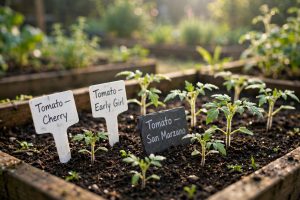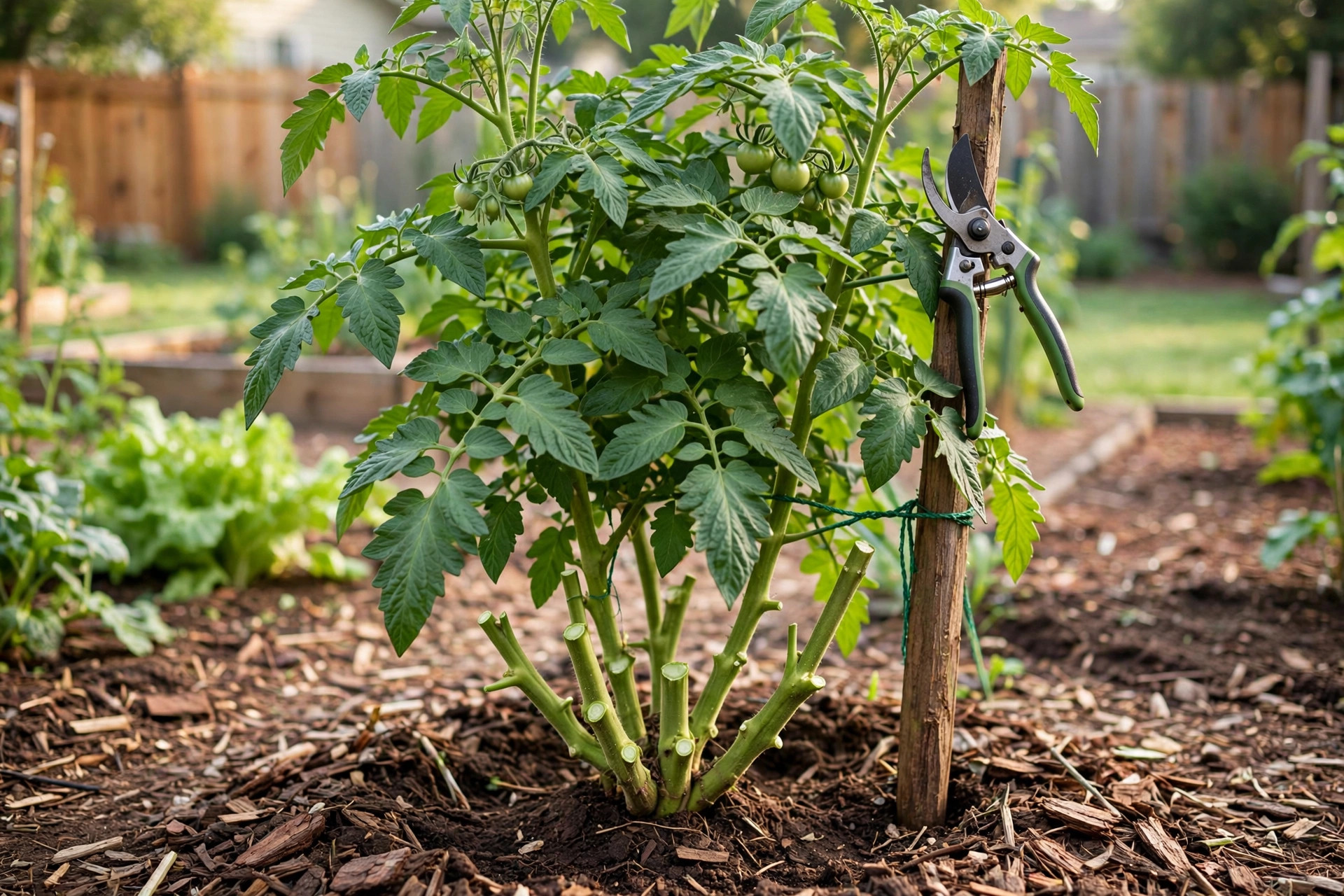

A tomato plant will grow on its own if you leave it alone. It will push out leaves, stems, and side shoots in every direction. By late summer it can become a thick tangle of green. The fruit may still come, but it will often be small, late, or lost to rot on the ground. This is why so many gardeners ask how to prune tomato plants properly. Pruning is the simple act of removing extra stems and leaves so the plant puts its energy into fruit. It opens the center of the plant to air and sun. It lowers the risk of disease. It makes harvest time easier and more pleasant. The work is not hard, but it must be done the right way. A careless cut can hurt the plant. A wise cut can make it thrive.
This guide explains the whole process in plain terms. It covers why pruning matters, which plants need it, what tools to use, and the exact steps to follow through the season. It also covers cost, care, and safety, plus answers to the questions gardeners ask most.
Why Pruning Matters for Your Tomato Crop
A tomato plant has only so much energy. Every leaf it grows and every stem it extends draws from the same store. When you allow every sucker and side branch to grow unchecked, the plant spreads that energy thin. The result is a big plant with a poor harvest. When you learn how to prune tomato plants properly, you direct that energy. The plant grows fewer leaves and more fruit. The fruit ripens sooner because sunlight reaches it. Air moves through the plant freely, and leaves dry fast after rain. Dry leaves resist disease.
Disease is the quiet enemy of the tomato patch. Blight, mold, and leaf spot all thrive in damp, crowded foliage. Spores splash up from the soil onto the lowest leaves. From there they climb. Pruning the lowest branches breaks that ladder. Many old-time gardeners prune for this reason alone. A well-pruned plant also lets you see problems early. You can spot hornworms, aphids, and wilting stems before they spread. Harvest is easier too. When you can see the fruit, you can pick it at its peak.
Know Your Plant Type Before You Cut: How to Prune Tomato Plants Properly
Not every tomato plant should be pruned the same way. There are two main types, and they behave very differently.
Determinate Tomatoes
Determinate tomatoes, often called bush tomatoes, grow to a fixed height and stop. They produce their fruit in one short burst over a few weeks. Popular canning varieties grow this way. These plants need very little pruning. If you remove too much, you remove the fruit. For determinate types, prune only the lowest leaves that touch the soil and any yellow or dead growth. Leave the suckers alone. The plant knows what it is doing. Heavy pruning of a determinate tomato is the most common mistake new gardeners make.
Indeterminate Tomatoes
Indeterminate tomatoes grow like vines. They keep growing, flowering, and setting fruit until the first frost kills them. Most heirloom and cherry varieties grow this way. A single plant can reach eight feet or more in one season. These are the plants that need regular pruning. Without it, they turn into a wild bush. With steady pruning, one indeterminate plant can produce a steady harvest for months. If you are unsure which type you have, check the plant tag or seed packet. It will say determinate or indeterminate. This single fact shapes everything you do with the shears.
Tools You Need for the Job
Good pruning starts with the right tools. You do not need much, but what you use must be clean and sharp.
Pruning Shears
A pair of bypass pruning shears is the best choice. Bypass shears work like scissors. Two curved blades pass each other and make a clean cut. Anvil shears crush the stem against a flat plate, which can damage living tissue. Choose bypass. For tomato plants, small hand shears are enough. You can find useful advice on the best pruning shears for rose bushes, and the same quality points apply here: sharp blades, comfortable handles, and a brand that sells replacement parts.
Cleaning Supplies
A small bottle of rubbing alcohol or household bleach mixed with water works well. Keep a rag in your pocket. Wipe the blades between plants. This simple habit stops disease from moving from one plant to the next. One infected plant can ruin a whole row if your tools carry the spores.
Support Stakes, Twine, and Gloves
Pruned tomato plants still need support. Have stakes, cages, or a trellis ready. Soft garden twine ties the stem to the support without cutting it. Light gloves protect your hands from the sticky hairs on tomato stems. The sap can stain skin and irritate small cuts.
How to Sharpen and Care for Your Shears
Sharp blades make clean cuts. Clean cuts heal fast. Dull blades tear the stem and leave a ragged wound where disease can enter. Before the season starts, check your shears. If they drag or crush instead of slice, it is time to sharpen them. A small whetstone or a pocket sharpener made for garden tools does the job in minutes. Follow the angle of the blade and work slowly. Many gardeners keep their shears sharp all season with a quick touch-up every few weeks. You can read more in our guide on how to sharpen garden tools properly. After sharpening, oil the pivot point with a drop of light machine oil. Store shears in a dry place. Rust is the enemy of every cutting tool.
How to Prune Tomato Plants Properly: Step by Step
Timing matters. Start pruning when the plant is young and keep at it through the season. Prune in the morning on a dry day so the wounds heal quickly.
Step 1: Remove the Lowest Leaves
Wait until the plant is about 12 to 18 inches tall. Look at the lowest branches. Any leaves that touch the soil should come off. Soil is the source of most tomato diseases. Rain and watering splash soil up onto the leaves, and infection follows. Cut these lower branches cleanly at the main stem. As the plant grows, keep clearing the bottom 6 to 12 inches of stem. A bare lower stem is a healthy sign.
Step 2: Find and Remove the Suckers
A sucker is a small shoot that grows in the joint where a side branch meets the main stem. It looks like a tiny new plant growing out of the armpit of the leaf. Left alone, it becomes a full branch with its own leaves and flowers. On indeterminate plants, remove most suckers. Pinch small ones off with your fingers when they are under two inches long. The break is clean and heals fast. For larger suckers, use your shears and cut close to the stem without nicking it. Do not remove every sucker. A common system is to keep one or two strong suckers near the top and let the plant grow two main stems. This gives more fruit without crowding. Two stems is plenty for most home gardens.
Step 3: Thin Crowded Growth
As the season moves on, step back and look at the whole plant. If leaves overlap and press against each other, thin them out. Remove a few inner leaves to let light and air into the center. Take no more than one-third of the foliage at one time. The plant needs its leaves to feed itself. Think of pruning as shaping, not stripping. A pruned tomato plant should look open but still full.
Step 4: Top the Plant Late in the Season
About four weeks before your expected first frost, cut the top off the main stem. This is called topping. It stops new growth and forces the plant to ripen the fruit it already has. Count five or six leaf branches above the last flower cluster and cut there. The plant will stop growing taller and turn its energy to ripening. In cold climates this step makes the difference between green tomatoes and red ones.
Step 5: Keep Pruning Through the Season
Pruning is not a one-time task. New suckers appear every week. Walk your rows once or twice a week with shears in hand. Ten minutes of steady work beats one hard pruning session. The plant stays open, the fruit stays clean, and the job stays easy. When you harvest with clean garden scissors instead of pulling fruit by hand, you avoid tearing stems that you worked so hard to protect.
Cost and Price of Pruning Tools
Pruning tomato plants costs very little. Most gardeners already own what they need. A decent pair of bypass pruning shears costs between 15 and 40 dollars. Cheap shears under 10 dollars dull fast and may rust in one season. Mid-range shears from trusted makers such as Fiskars and Corona Tools give good service for years. Reviews from Consumer Reports can help you compare models before you buy. A sharpening stone costs 5 to 10 dollars. Rubbing alcohol, twine, and stakes add a few dollars more. Many home gardeners prune their whole patch with less than 50 dollars in tools. The return is large. A well-pruned plant can yield 10 to 20 pounds of fruit, and store-bought tomatoes of equal quality are costly. Pruning is one of the cheapest ways to raise your harvest.
Care and Upkeep After Pruning
Pruning is part of a larger care routine. After each pruning session, water the plants at the base. Avoid wetting the leaves. Wet leaves invite disease, and pruned plants have fresh cuts that need to stay dry. A layer of mulch around the base keeps soil from splashing up. Straw, shredded leaves, or wood chips all work. Keep the mulch a few inches from the stem. Fertilize lightly through the season. Too much nitrogen grows leaves at the cost of fruit, which works against your pruning. A balanced vegetable fertilizer every three to four weeks is enough. Watch for new suckers and remove them while small. Check ties and stakes as stems grow heavy with fruit. A stem that snaps under the weight of its own tomatoes wastes all your careful work.
Safety Tips for Pruning
Pruning is safe work, but a few rules protect you and your plants. Always cut away from your body. Keep your free hand clear of the blade path. Wear gloves if you have sensitive skin, since tomato foliage can cause rashes in some people. Never prune when plants are wet. Wet leaves spread disease, and wet tools slip. Clean your blades between plants and always after cutting diseased growth. Bag diseased leaves and stems and throw them in the trash. Do not compost them. Home compost piles rarely get hot enough to kill tomato diseases. Finally, be gentle with young plants. A small seedling can be set back weeks by one rough cut. Pinch tiny suckers by hand instead of using shears until the plant is sturdy.
Frequently Asked Questions
When should I start pruning tomato plants?
Start when the plant is 12 to 18 inches tall. At that point it is strong enough to heal cuts quickly. Remove the lowest leaves that touch the soil. Continue through the season, checking for suckers once or twice a week. Late in the season, top the plant about a month before the first frost.
Should I prune determinate tomato plants?
Prune them only lightly. Remove leaves that touch the soil and any yellow or dead growth. Leave the suckers alone, because each sucker carries flowers and fruit on a determinate plant. Heavy pruning cuts your harvest on these bush types.
How many suckers should I remove?
On indeterminate plants, remove most suckers but keep one or two strong ones if you want a two-stem plant. Never strip the plant bare. The goal is an open plant that still has enough leaves to feed itself. If in doubt, remove less rather than more.
Can I prune tomato plants in hot weather?
Yes, but prune early in the morning when it is cool. Avoid heavy pruning during a heat wave. The leaves shade the fruit and protect it from sunburn. Removing too much foliage in hot sun can scald the tomatoes. Light maintenance is fine; hard cuts can wait for cooler days.
What is the best tool for pruning tomatoes?
Small bypass pruning shears are the best tool. They make clean cuts that heal fast. For tiny suckers, your fingers work well. Keep the blades sharp and clean. Gardening guides at The Spruce and Bob Vila offer helpful tool comparisons, and large garden centers like The Home Depot and Lowe’s stock a wide range. Seed and plant experts at Burpee and Gardener’s Supply Company also publish practical pruning advice, and Family Handyman covers tool care for home gardeners.
My tomato plant is already huge and tangled. Is it too late to prune?
It is not too late, but go slowly. Remove the lowest branches first and clear the worst crowding. Take no more than one-third of the foliage in one session. Give the plant a few days to recover, then thin more. A neglected plant can still produce a good late harvest with patient pruning.
A Final Word
Learning how to prune tomato plants properly is a skill that pays off every summer. The work is simple, the tools are cheap, and the reward is a healthier plant with more and better fruit. Start with clean shears, prune a little and often, and match your method to your plant type. Within a season you will see the difference in your harvest basket. Good pruning, like good gardening, is steady and patient. The plant does the growing. Your job is to guide it.
References
Bob Vila. (n.d.). Home improvement advice. https://www.bobvila.com Burpee. (n.d.). Seeds, plants, and gardening supplies. https://www.burpee.com Consumer Reports. (n.d.). Product reviews and ratings. https://www.consumerreports.org Corona Tools. (n.d.). Garden and landscape tools. https://www.corona-tools.com Family Handyman. (n.d.). DIY home repair and maintenance. https://www.familyhandyman.com Fiskars. (n.d.). Garden and cutting tools. https://www.fiskars.com Gardener’s Supply Company. (n.d.). Gardening tools and supplies. https://www.gardeners.com Lowe’s. (n.d.). Home improvement products. https://www.lowes.com The Home Depot. (n.d.). Home improvement products. https://www.homedepot.com The Spruce. (n.d.). Home and garden advice. https://www.thespruce.com
Was this guide helpful?

About Emily Rodriguez
The My Garden US editorial team writes practical, in-depth home and garden guides for American homeowners — tested advice, no fluff.
You May Also Like

Seed Packet Organizer for Gardeners: A Simple Way to Keep Every Packet in Order
May 26, 2026 0 views
Best Garden Trellis for Cucumbers Reviews
August 30, 2026 0 views
Garden Tool Storage Ideas for Shed: A Practical Guide
July 21, 2026 0 views